Award-Winning Organic Chemistry Tutors
serving Colorado Springs, CO
Organic Chemistry
Tutors in Colorado Springs
Private 1-on-1 tutoring, weekly live classes for academic support, test prep & enrichment, practice tests and diagnostics, and more to elevate grades and test scores.
Based on 3.4M Learner Ratings
UniversitiesSchools & Universities
DeliveredHours Delivered
ProficiencyGrowth in Proficiency
Who needs tutoring?
No obligation. Takes ~1 minute.
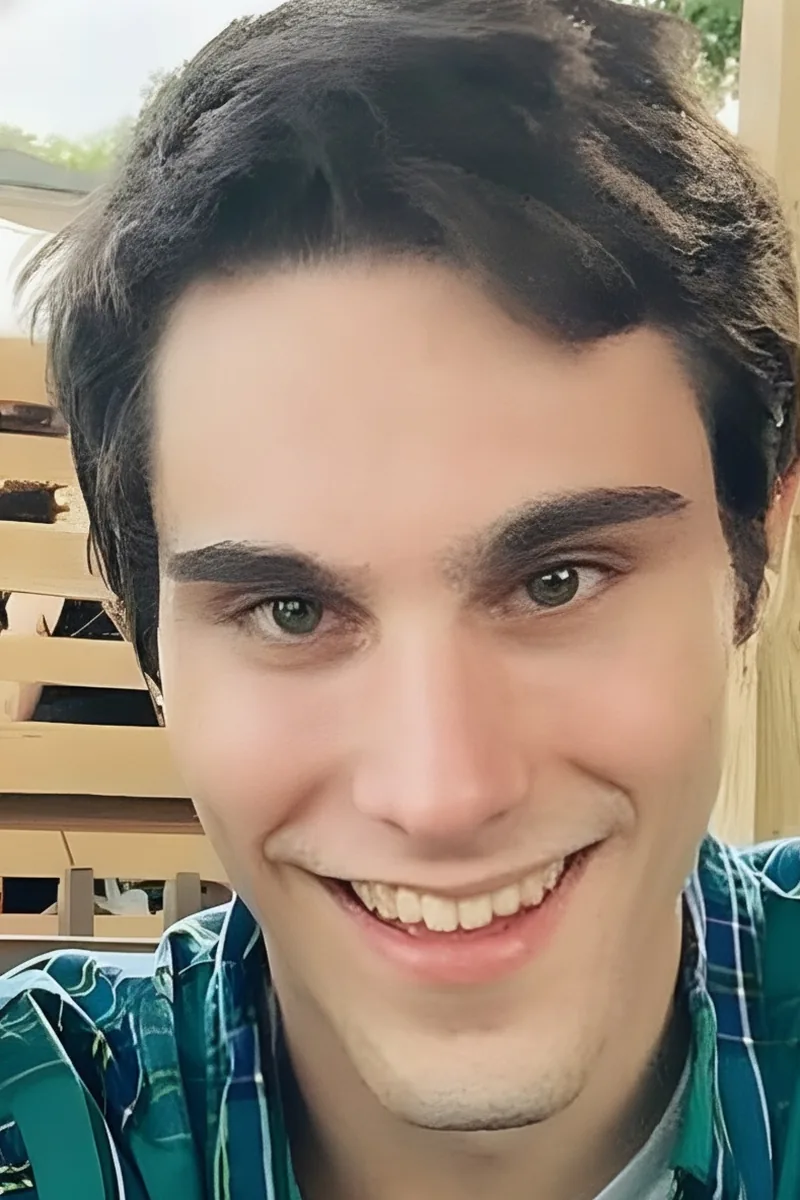
Colton's biomedical engineering coursework at UVA meant organic chemistry wasn't a standalone hurdle — it was woven into everything from biomaterials design to understanding how drug molecules interact with tissue. He also served as a teaching assistant for Cell & Molecular Biology, where explaining enzyme kinetics and metabolic pathways required fluency with the same functional group transformations and reaction logic that trip up most orgo students. Rated 4.7 by students.
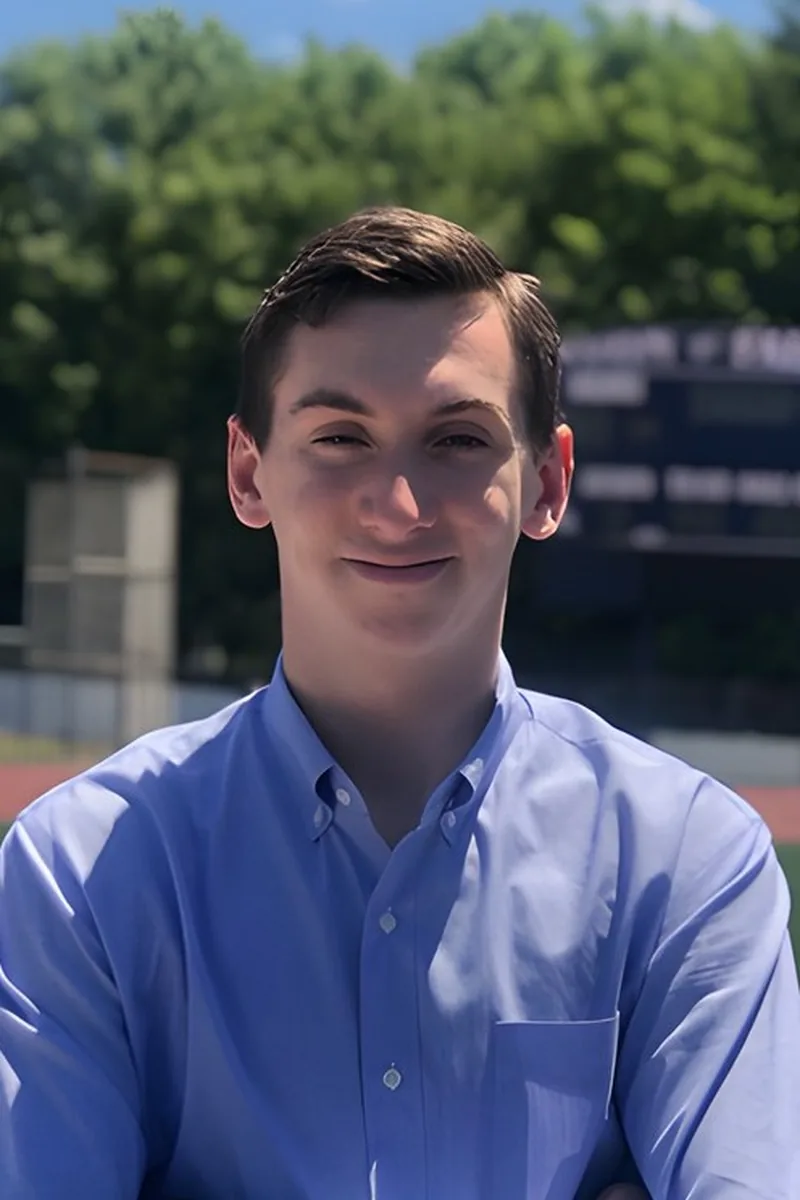
Reaction mechanisms are the backbone of organic chemistry, and learning to predict products means recognizing electron-density patterns, not memorizing hundreds of individual reactions. Alec's approach — honed through years of TA work in Cornell's chemistry department — emphasizes arrow-pushing logic and functional group reactivity so that substitution, elimination, and addition reactions start to feel like variations on a theme rather than separate things to memorize.
Reaction mechanisms are the backbone of organic chemistry, and Natasha teaches them the way she learned them in her biomolecular engineering program — by tracing electron movement step by step until the logic feels inevitable rather than arbitrary. She digs into arrow-pushing, stereochemistry, and functional group reactivity by asking students to predict products before revealing answers, building real intuition for how molecules behave.
Studying chemistry at Harvard while preparing for Columbia Medical School means James has worked through organic chemistry from both the academic and pre-med sides — understanding mechanisms deeply enough to satisfy a chemistry major, and efficiently enough to apply them in biochemistry and pharmacology contexts. He's particularly strong at teaching students how to predict reaction outcomes by analyzing charge stability and leaving group trends rather than treating each transformation as a new thing to memorize. Rated 4.9 by students.
Preparing for medical school means Benjamin ground through organic chemistry with the kind of intensity that only MCAT stakes demand — reaction mechanisms, carbonyl chemistry, and spectroscopy all studied until the logic behind each transformation became second nature. His evolutionary anthropology background at Duke also gives him a knack for seeing patterns across complex systems, which is exactly the skill that separates students who struggle with synthesis problems from those who can map a retrosynthetic pathway confidently. Rated 5.0 by students.
Currently majoring in chemistry at MIT, Nicholas is immersed in the reaction logic and electron-pushing that organic chemistry demands — and he's learning it at a program known for its rigorous mechanistic approach. He breaks down topics like nucleophilic additions and stereochemical outcomes by connecting them to the underlying thermodynamic and kinetic reasoning, making unfamiliar transformations feel predictable rather than random. Rated 5.0 by students.
Most students dread organic chemistry because it feels like a new language, but the logic underneath reaction mechanisms is surprisingly consistent once someone lays it out clearly. Ade approaches each reaction type — substitution, elimination, addition — by teaching students to read electron movement and predict products rather than memorize hundreds of individual reactions.
Four years of tutoring organic chemistry at Yale — while simultaneously doing pre-med coursework — gave Marcus a sharp sense of where students get stuck, particularly with carbonyl reactivity and multi-step synthesis planning. His current research at the Hospital for Special Surgery keeps him actively applying these concepts, so he teaches functional group transformations as interconnected tools rather than an isolated reaction catalog.
Cornell's biology curriculum threw Raphael into organic chemistry as the bridge between general chemistry and the biochemistry he needed for his pre-med track — meaning he learned reaction mechanisms through the lens of biological relevance, not just isolated transformations on an exam. He tackles arrow-pushing and functional group reactivity by zeroing in on the "why" behind electron movement, building each mechanism step from nucleophile-electrophile logic so students can reason through unfamiliar problems on their own. Holds a 5.0 rating.
I am a freshman at Vanderbilt University studying biochemistry and involved in analytical chemistry research. Despite my studies being very science oriented, I also enjoy studying English and the humanities. I'd be happy to tutor you in any of these areas!
Decades of running an organic chemistry research lab and teaching it at the college level mean Wyatt has explained arrow-pushing mechanisms, retrosynthetic analysis, and spectroscopy interpretation thousands of times — and learned exactly where students get stuck on each one. His PhD in the subject gives him the depth to trace a tricky multi-step synthesis back to the underlying electronic principles, then rebuild it at whatever pace clicks. Rated 4.9 by students.
Reaction mechanisms are the language of organic chemistry, and Josef teaches students to read them — arrow pushing, stereochemistry, and functional group reactivity — rather than memorize hundreds of individual reactions. His biochemistry focus at Cornell means he can connect orgo concepts like nucleophilic substitution and carbonyl chemistry directly to biological molecules students will encounter later.
Reaction mechanisms are the heart of organic chemistry, and they only make sense when a student can track electron movement and predict how functional groups behave. Malcolm is studying biochemistry and cell biology at Rice, where organic chemistry is foundational — he knows which arrow-pushing patterns show up repeatedly and teaches students to recognize them instead of memorizing hundreds of individual reactions.
Testimonials
Because the right Organic Chemistry tutor makes all the difference.
Average Session Rating – Based on 3.4M Learner Ratings
Practice Organic Chemistry
Free practice tests, flashcards, and AI tutoring for Organic Chemistry
Nearby Organic Chemistry Tutors
Other Colorado Springs Tutors
Related Science Tutors in Colorado Springs
Frequently Asked Questions
Organic Chemistry requires visualizing molecules in 3D space and understanding reaction mechanisms—skills that don't come naturally to most students. Many students try to memorize reactions instead of grasping the underlying principles of how electron movement drives chemistry. Personalized tutoring helps you build conceptual understanding rather than relying on memorization, making the subject far more manageable and even enjoyable.
Expert tutors use multiple visualization techniques—drawing mechanisms, using molecular models, and working through electron movement step-by-step—to help you see how atoms connect and why bonds form the way they do. Rather than just telling you the answer, tutors guide you through the reasoning process so you can predict reactions and solve new problems independently. This conceptual foundation makes everything from stereochemistry to synthesis far easier to grasp.
Reaction mechanisms are best learned by understanding the 'why' behind electron movement rather than memorizing reaction patterns. Tutors help you identify nucleophiles, electrophiles, and leaving groups, then trace how electrons move to form products. With consistent practice and feedback on your mechanism-drawing, you'll develop the intuition to predict unfamiliar reactions—a skill that transforms your performance on exams and in the lab.
Understanding the theory behind reactions makes lab work much more meaningful and safer. Tutors help you predict what should happen in an experiment, understand why procedures are designed a certain way, and troubleshoot when results don't match expectations. This bridges the gap between lecture concepts and hands-on experimentation, deepening your learning and helping you write better lab reports.
Your first session focuses on understanding where you're struggling—whether it's foundational concepts like hybridization, specific reaction types, or exam preparation strategy. The tutor will assess your current understanding, identify gaps, and create a personalized plan tailored to your goals and learning style. You'll leave with clarity on what to focus on and concrete strategies for tackling difficult concepts.
Bring your textbook, notes, and any problem sets or exams you've struggled with—these give tutors insight into exactly what's confusing you. If you're working on a specific topic, jot down questions beforehand so you make the most of your session. Even just being honest about where you're stuck is the best preparation; tutors are there to help you build understanding, not judge your current knowledge level.
Many students see meaningful improvement within 4-6 weeks of consistent tutoring, especially once they shift from memorization to conceptual understanding. The timeline depends on your starting point, how frequently you meet, and how much you practice between sessions. Regular tutoring combined with active problem-solving helps you build momentum and confidence, making later topics like synthesis and spectroscopy much more approachable.
Look for tutors with strong chemistry backgrounds—ideally with experience teaching or tutoring Organic Chemistry specifically. They should be able to explain concepts clearly, use effective visualization techniques, and help you develop problem-solving strategies rather than just providing answers. Varsity Tutors connects you with expert tutors in Colorado Springs who understand both the content and how to teach it in ways that actually stick.
Let’s find your perfect tutor
Answer a few quick questions. We’ll recommend the right plan and match you with a top 5% tutor.