Award-Winning Writing Tutors
serving Riverside, CA
Writing
Tutors in Riverside
Private 1-on-1 tutoring, weekly live classes for academic support, test prep & enrichment, practice tests and diagnostics, and more to elevate grades and test scores.
Based on 3.4M Learner Ratings
UniversitiesSchools & Universities
DeliveredHours Delivered
ProficiencyGrowth in Proficiency
Who needs tutoring?
No obligation. Takes ~1 minute.
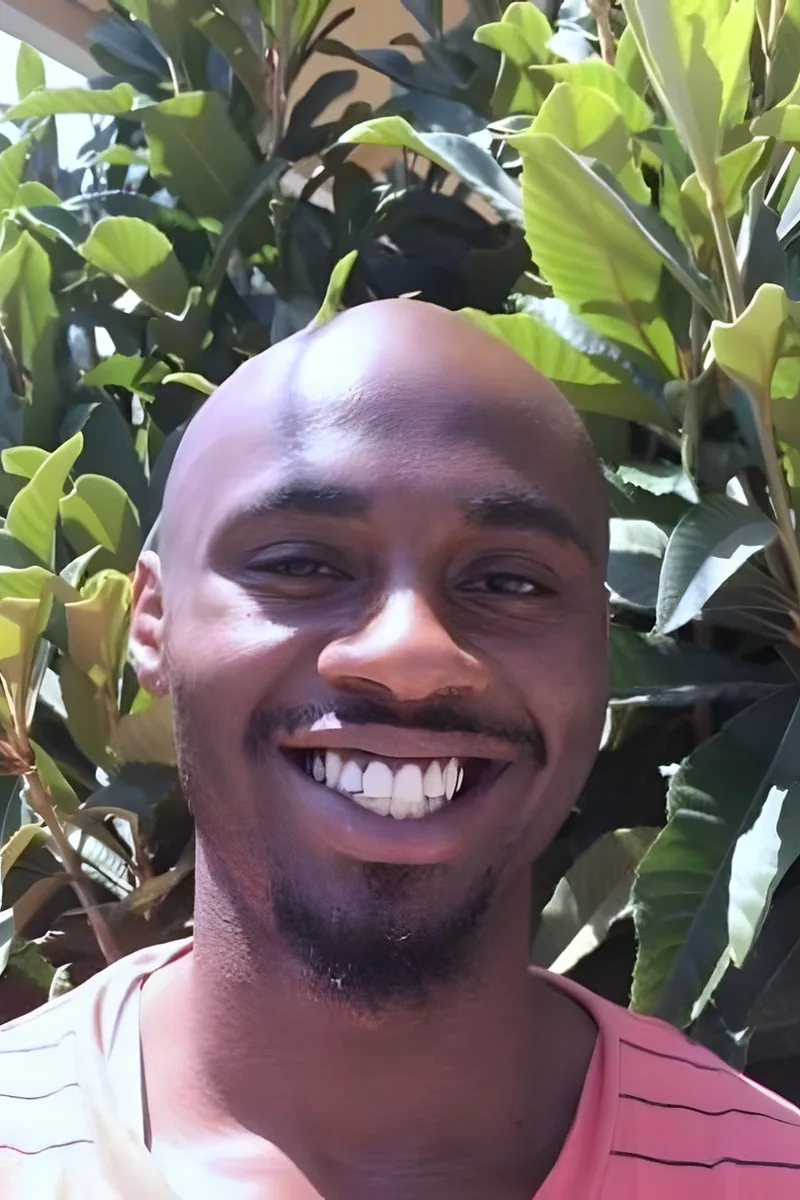
Brian treats writing as an engineering problem: identify the core argument, design the structure to support it, then refine sentence by sentence. His dual background in economics and computer science at Caltech means he's written everything from research papers to technical documentation, giving him a versatile toolkit for teaching persuasive, analytical, and expository writing.

Strong writing starts with having something specific to say and then organizing it so a reader can follow without effort. Jackie tackles both sides of that equation — she teaches outlining and thesis construction alongside sentence-level skills like varying syntax, eliminating filler, and choosing precise verbs over adverb-heavy workarounds. Her Business Communications background at Vanderbilt adds a practical edge for students learning to write persuasively.
Sean's writing instruction starts with structure: how to build a thesis that does real work, how to organize evidence so each paragraph earns its place, and how to write conclusions that don't just restate the introduction. He's written extensively across academic and personal genres, from analytical essays to law school personal statements, and brings that range to students tackling any writing assignment.
Clear writing starts with knowing how to structure an argument — thesis, evidence, analysis — before worrying about style. Christina's computer science background trained her to think in logical sequences, which she applies to teaching essay organization, paragraph transitions, and revision strategies. She's especially effective at turning vague ideas into precise, well-supported claims.
Aaron's writing instruction starts with a question: what are you actually trying to say? From there, he teaches students to build arguments with clear claims, specific evidence, and logical structure — whether the assignment is a five-paragraph essay or a research paper. His own academic writing in UCSB's bio-psychology program keeps those skills sharp, and his 5.0 rating shows the approach resonates.
A double major in Film and Media Studies and Sociology at Yale meant Katrina was constantly writing — analytical essays, research papers, creative projects — across very different audiences and formats. She teaches students to adapt their voice and structure to the assignment, whether that's a persuasive op-ed, a personal narrative, or a five-paragraph analytical essay.
Strong writing starts with a clear claim and evidence that actually supports it, not filler sentences that circle the point. Chris earned a 5 on AP Language and Composition and an SAT Writing score of 760, and he applies that same precision when teaching students to outline arguments, vary sentence structure, and revise with purpose.
Carla treats writing as a craft with movable parts — thesis construction, paragraph architecture, sentence-level rhythm — and teaches students to revise with intention rather than just fixing what's red-underlined. Her English degree and deep background in literature mean she can show how strong writers make deliberate choices about structure and voice. Rated 5.0 by students.
Strong writing starts with a single clear claim and the discipline to support it — not with flowery introductions or five-dollar vocabulary. John's editorial work at the Los Angeles Review of Books and his literary management roles have given him thousands of hours shaping prose across genres, from analytical essays to creative nonfiction. He teaches students how to draft with intention, revise structurally, and develop a voice that sounds like theirs, not like a thesaurus.
Andrew breaks essay-writing down to what he calls its "obvious-as-peanuts basics" — thesis construction, paragraph architecture, and the specific transitions that move an argument forward. His English literature degree and pop culture writing give him range across personal narratives, analytical essays, and research papers. Rated 5.0 by students.
Policy analysis at the doctoral level is essentially an advanced writing discipline: constructing arguments from evidence, anticipating counterpoints, and communicating complex ideas to non-specialist audiences. Anna teaches students to outline before they draft and to revise with purpose, breaking the writing process into concrete steps that make even intimidating assignments manageable.
Most writing problems aren't really about grammar — they're about a writer who hasn't yet figured out what they're trying to say. Dorothy starts there, walking students through outlining and drafting techniques that clarify their thinking before they worry about polishing sentences. With a BA in English, she covers everything from argumentative essays to personal narratives with equal precision.
Strong writing is really strong thinking made visible on the page. Nicole earned cum laude honors and a Phi Beta Kappa nomination at UCLA, where her international development coursework demanded research papers that synthesized sources across politics, economics, and public health — exactly the kind of analytical writing that transfers to any discipline.
Linda approaches writing as a skill built in layers: first getting ideas organized, then sharpening argument structure, then refining sentence-level clarity and voice. Her experience coaching everything from college application essays to adult business writing means she adapts quickly to whatever genre or assignment a student is tackling.
Strong writing starts with a clear claim and the willingness to cut everything that doesn't support it. Tom teaches students to outline with intention, draft without self-censoring, and revise ruthlessly — a process he refined through his own humanities coursework at Harvard. He's especially effective at turning vague thesis statements into arguments that actually drive an essay forward.
Most writing struggles aren't about vocabulary or grammar — they're about organization. Naama teaches students to outline an argument's logical structure before drafting, then revise at the sentence level for clarity and flow. As a freelance composer and avid reader, she treats writing as a craft with rhythm and pacing, not just a school requirement.
Good writing isn't about following a formula — it's about learning to control tone, structure, and evidence so the reader stays with you. Milan approaches writing instruction by breaking down what makes specific sentences and paragraphs effective, then applying those principles to a student's own drafts. His background as a double English major and avid writer gives him a sharp editorial instinct.
Ben approaches writing as a thinking process: outlining an argument, choosing evidence, and revising until each sentence earns its place. His English degree gave him range across genres, and his current philosophy graduate program demands the kind of rigorous, precise prose he now teaches others to produce.
I am a recent graduate of the University of Virginia living in Los Angeles. While at UVA, I earned a 3.95 GPA and graduated my major program with Highest Distinction. I have eight years of tutoring experience (including starting my own tutoring program) and have worked with students of all ages. I'm looking forward to helping people with their studies in any way I can.
Clear writing starts with clear thinking, and Nicholas's biology training gave him years of practice translating complex ideas into precise, structured prose. He teaches students how to build a thesis that actually drives an essay forward, connect evidence to claims without restating the obvious, and revise with purpose. Whether it's a lab report or a personal narrative, he breaks the writing process into concrete, repeatable steps.
Strong writing is really strong thinking made visible on the page, and Steven's entire academic career — from Spanish linguistics to a sociology doctorate — has been built on that principle. He tackles the specific challenge each student faces, whether that's organizing a five-paragraph essay, developing a persuasive argument with real evidence, or finding a voice that doesn't sound like it was written by committee.
Getting ideas onto the page is one challenge; organizing them into a coherent, persuasive piece is another entirely. Helen teaches writers how to outline effectively, build paragraphs around single claims, and revise with purpose — techniques she refined across two master's programs that demanded constant, high-stakes writing. Rated 5.0 by students.
From thesis development to paragraph-level coherence, Mary teaches writing as a process of thinking on paper. Her experience at UCLA included one-on-one work with undergraduates on academic research papers, so she's comfortable tackling everything from five-paragraph essays to longer analytical pieces. She's especially sharp at showing students how to move from a vague idea to a clear, arguable claim.
Strong writing starts with having something specific to say and a clear architecture for saying it. Alexander teaches the mechanics of that architecture — thesis construction, paragraph-level organization, evidence integration — while also pushing students to sharpen the ideas driving their work. His doctoral studies at USC keep him actively writing and revising at a high level, which means the strategies he shares are ones he uses daily.
Every piece of writing has an audience, and Michael's training at NYU Tisch — where he studied both dramatic writing and applied theatre — taught him to think about how words land on a reader or listener. He tackles everything from five-paragraph essays to personal narratives by zeroing in on thesis clarity, paragraph transitions, and voice. Students leave sessions with concrete revision strategies, not just vague encouragement.
Ten-plus years of teaching college writing have given Luke a clear-eyed sense of what separates a draft from a finished piece: a controlling idea, evidence that does real work, and sentences that don't waste the reader's time. He breaks the writing process into concrete, repeatable steps — outlining a thesis, building body paragraphs around specific claims, and revising for precision.
Clear writing starts with clear thinking, which is why Megan spends time on outlining and argument structure before a student types a single sentence. She tackles common sticking points — vague thesis statements, paragraphs that drift off-topic, overreliance on summary instead of analysis — with concrete revision techniques students can reuse across assignments. Her 4.9 rating speaks to an approach that makes the writing process feel manageable rather than overwhelming.
Strong writing starts with a clear claim and a plan for supporting it, not a blank page and a word count. Chandler teaches outlining and thesis development as concrete, repeatable steps, then tackles revision strategies that sharpen argument and style. His chemistry background at Occidental means he's especially comfortable coaching precise, evidence-driven prose.
Strong writing starts with having something specific to say and then organizing it so a reader can follow every turn. Zach — a Northwestern-trained writer who composes musicals and writes screenplays — teaches students to build arguments with clear topic sentences, concrete evidence, and deliberate transitions. Whether the assignment is a five-paragraph essay or a personal narrative, he digs into the structural choices that separate competent writing from compelling writing.
Amy treats writing as a craft with learnable moves: how to open with a hook that isn't a dictionary definition, how to weave evidence into an argument without losing your own voice, how to revise a draft instead of just proofreading it. Her English degree and experience across age groups — from elementary writers to college students — give her a wide toolkit for meeting whatever challenge a particular assignment presents.
Clear writing is really clear thinking put on paper, and Justin's scientific training makes him especially good at teaching students how to organize ideas before they start drafting. Whether the assignment is a research paper, a narrative, or an argumentative essay, he walks through thesis development, paragraph architecture, and revision techniques that turn rough drafts into polished work.
Most writing instruction tells students what to fix but not how to think. Ari approaches it differently: his Wesleyan creative writing thesis demanded that he build a 50-page work from scratch, drafting and revising through multiple structural overhauls. He teaches brainstorming, outlining, drafting, and revision as distinct skills — each with its own concrete techniques.
Getting words on the page is one challenge; organizing them into a coherent argument is another entirely. Claire walks students through the full arc of the writing process — from brainstorming and outlining to drafting thesis statements and revising for clarity — drawing on years of teaching across multiple grade levels. Her background in both music and liberal arts means she treats writing as a craft where structure and voice work together.
I am a Los Angeles area native, and hold a JD from the University of Virginia School of Law, as well as a B.A. in English from Tulane University in New Orleans. I have been a California licensed attorney since December of 2011, and currently practice full-time as a Law Clerk for four Los Angeles Superior Court Judges.
Strong writing starts with understanding what you're actually trying to say, which sounds obvious until you're staring at a blank page. Patrick breaks the process into concrete steps — claim development, evidence selection, paragraph architecture — drawing on his MFA training and experience teaching writers from middle schoolers to adults. His 5.0 rating speaks to how well that approach lands.
Getting ideas onto the page is one challenge; organizing them into a clear, persuasive piece is another entirely. Jessica's Master's work in secondary education gave her frameworks for teaching the full writing process — from outlining and thesis development through revision and polishing prose style. She's equally comfortable coaching a five-paragraph essay or a longer research paper, adjusting her feedback to match each student's skill level.
Every piece of writing has a purpose and an audience, and Sarah's journalism training at NYU sharpened her ability to match voice, structure, and evidence to both. Whether a student is drafting a persuasive essay or a personal narrative, she tackles the process in stages — outlining the argument first, then layering in transitions, concrete details, and revision.
Whether the assignment is a five-paragraph essay or a research paper, the hardest part for most students is turning a jumble of ideas into a clear, organized argument. Jenna tackles that process step by step — brainstorming a specific thesis, outlining supporting points, and then revising for voice and clarity — drawing on skills she sharpened through both scientific writing and her theatre background at Indiana University.
Getting ideas out of your head and onto the page in a clear, organized way is a skill that transfers across every discipline. Valerie teaches students how to outline an argument before drafting, build paragraphs around single controlling ideas, and revise for clarity rather than just length. Her experience writing across STEM and humanities courses at Ithaca College gives her a practical, no-fluff approach to the writing process.
Getting words on the page is one challenge; shaping them into something clear and compelling is another entirely. Thomas tackles the craft side of writing — voice, structure, transitions, paragraph-level logic — drawing on his English degree and his own daily practice as an aspiring author. He walks students through the messy revision process that turns rough drafts into polished pieces.
Testimonials
Because the right Writing tutor makes all the difference.
Average Session Rating – Based on 3.4M Learner Ratings
Nearby Writing Tutors
Other Riverside Tutors
Related English Tutors in Riverside
Frequently Asked Questions
Writing tutors provide detailed, one-on-one feedback on your essays that goes far beyond what's possible in a classroom setting. With an average student-teacher ratio of 22.8:1 in Riverside schools, personalized instruction allows tutors to focus on your specific writing challenges—whether that's thesis development, organization, or argument structure—and guide you through the revision process step by step.
Tutors work with you across the entire writing process: brainstorming and outlining, drafting, revising for clarity and flow, editing for grammar and style, and formatting citations in MLA, APA, or Chicago style. Whether you're working on essays, creative writing, research papers, or literary analysis, a tutor can help you develop a writing process that works for your learning style and builds confidence in your abilities.
Yes—developing a strong, authentic writing voice is a key part of becoming a confident writer. Tutors help you understand the difference between grammar rules (which are fixed) and style choices (which are flexible), and they guide you in making intentional decisions about tone, word choice, and sentence structure. This personalized approach helps you find your voice while meeting the expectations of different writing contexts, from academic essays to creative projects.
Writer's block and disorganization are two of the most common writing challenges, and tutors are experienced in helping students overcome both. Tutors can teach you brainstorming strategies, help you create strong outlines that give your essay direction, and work with you to break down large writing projects into manageable steps. With consistent support, you'll develop tools and confidence to tackle writing assignments independently.
Strong writing often starts with strong reading skills. Tutors help you develop strategies for close reading, identifying themes and literary devices, and supporting your analysis with evidence from the text. Whether you're writing about novels, poems, short stories, or essays, personalized instruction helps you move beyond summary to deeper analytical thinking, which directly improves the quality of your written analysis.
Bring any writing assignments you're currently working on or recent essays you'd like feedback on. If you don't have a specific assignment yet, bring examples of your writing and let your tutor know what types of writing you want to improve—whether that's persuasive essays, creative writing, research papers, or something else. This helps the tutor understand your goals and tailor your sessions from day one.
Many students see noticeable improvements in their writing within 3-4 sessions, especially when they apply feedback consistently. However, developing stronger writing skills is a gradual process—the most significant growth comes from sustained practice and personalized guidance over several weeks or months. Your tutor will help you set realistic goals and track your progress across essays and assignments.
Look for tutors with strong writing backgrounds, teaching experience, and expertise in the specific types of writing you need help with. Varsity Tutors connects you with expert tutors who have proven ability to teach writing skills and provide constructive feedback. During your first session, you'll get a sense of whether the tutor's teaching style matches your learning style—and if it doesn't, you can connect with someone new.
Let’s find your perfect tutor
Answer a few quick questions. We’ll recommend the right plan and match you with a top 5% tutor.