Award-Winning Writing Tutors
serving Los Angeles, CA
Writing
Tutors in Los Angeles
Private 1-on-1 tutoring, weekly live classes for academic support, test prep & enrichment, practice tests and diagnostics, and more to elevate grades and test scores.
Based on 3.4M Learner Ratings
UniversitiesSchools & Universities
DeliveredHours Delivered
ProficiencyGrowth in Proficiency
Who needs tutoring?
No obligation. Takes ~1 minute.
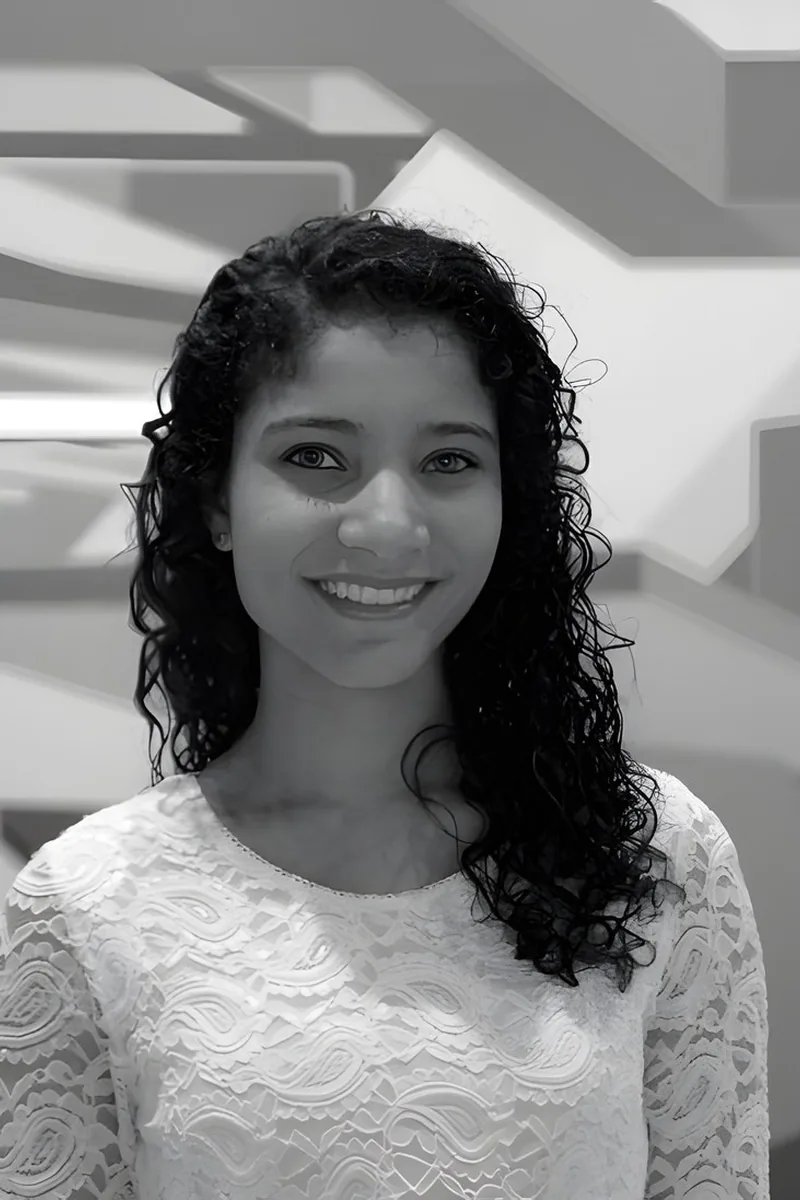
A double major in Film and Media Studies and Sociology at Yale meant Katrina was constantly writing — analytical essays, research papers, creative projects — across very different audiences and formats. She teaches students to adapt their voice and structure to the assignment, whether that's a persuasive op-ed, a personal narrative, or a five-paragraph analytical essay.
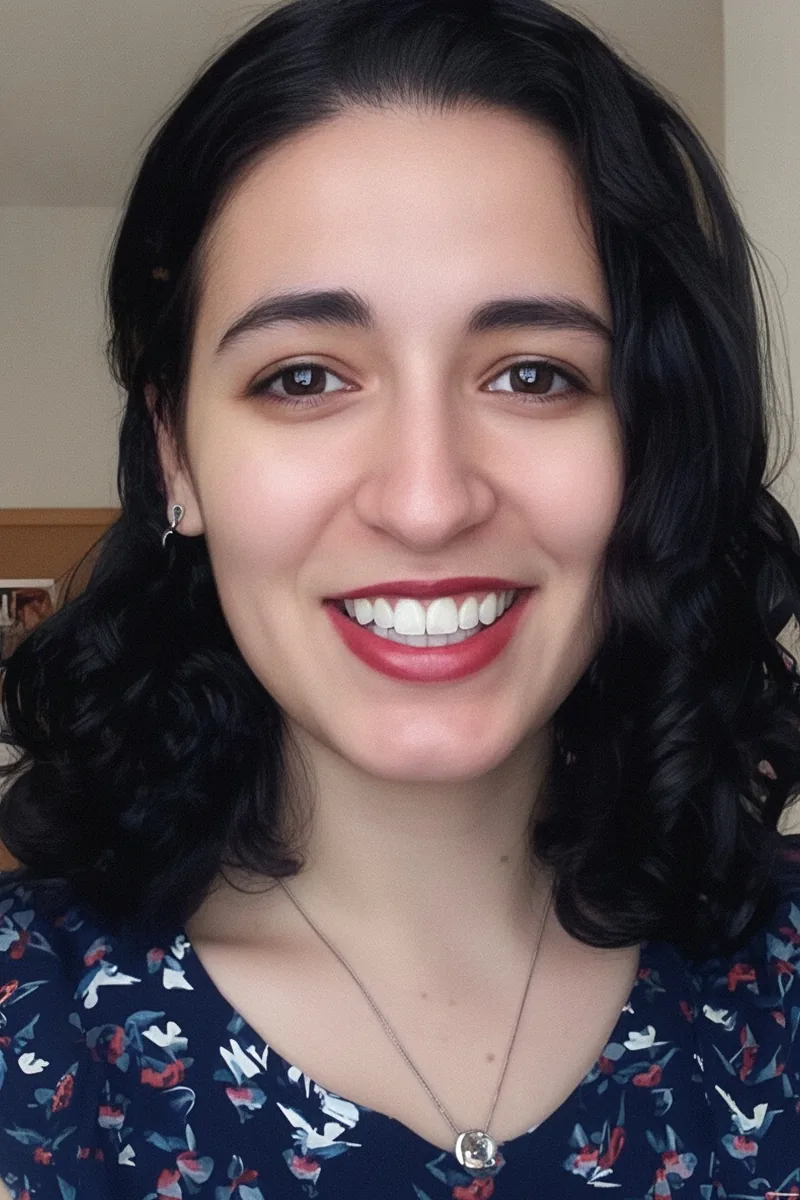
Carla treats writing as a craft with movable parts — thesis construction, paragraph architecture, sentence-level rhythm — and teaches students to revise with intention rather than just fixing what's red-underlined. Her English degree and deep background in literature mean she can show how strong writers make deliberate choices about structure and voice. Rated 5.0 by students.
Strong writing starts with a single clear claim and the discipline to support it — not with flowery introductions or five-dollar vocabulary. John's editorial work at the Los Angeles Review of Books and his literary management roles have given him thousands of hours shaping prose across genres, from analytical essays to creative nonfiction. He teaches students how to draft with intention, revise structurally, and develop a voice that sounds like theirs, not like a thesaurus.
Strong writing is really strong thinking made visible on the page. Nicole earned cum laude honors and a Phi Beta Kappa nomination at UCLA, where her international development coursework demanded research papers that synthesized sources across politics, economics, and public health — exactly the kind of analytical writing that transfers to any discipline.
Strong writing starts with a clear claim and the willingness to cut everything that doesn't support it. Tom teaches students to outline with intention, draft without self-censoring, and revise ruthlessly — a process he refined through his own humanities coursework at Harvard. He's especially effective at turning vague thesis statements into arguments that actually drive an essay forward.
Most writing struggles aren't about vocabulary or grammar — they're about organization. Naama teaches students to outline an argument's logical structure before drafting, then revise at the sentence level for clarity and flow. As a freelance composer and avid reader, she treats writing as a craft with rhythm and pacing, not just a school requirement.
Getting ideas onto the page is one challenge; organizing them into a coherent, persuasive piece is another entirely. Helen teaches writers how to outline effectively, build paragraphs around single claims, and revise with purpose — techniques she refined across two master's programs that demanded constant, high-stakes writing. Rated 5.0 by students.
Every piece of writing has an audience, and Michael's training at NYU Tisch — where he studied both dramatic writing and applied theatre — taught him to think about how words land on a reader or listener. He tackles everything from five-paragraph essays to personal narratives by zeroing in on thesis clarity, paragraph transitions, and voice. Students leave sessions with concrete revision strategies, not just vague encouragement.
Most writing instruction tells students what to fix but not how to think. Ari approaches it differently: his Wesleyan creative writing thesis demanded that he build a 50-page work from scratch, drafting and revising through multiple structural overhauls. He teaches brainstorming, outlining, drafting, and revision as distinct skills — each with its own concrete techniques.
Strong writing starts with a clear claim and a plan for supporting it, not a blank page and a word count. Chandler teaches outlining and thesis development as concrete, repeatable steps, then tackles revision strategies that sharpen argument and style. His chemistry background at Occidental means he's especially comfortable coaching precise, evidence-driven prose.
Strong writing starts with having something specific to say and then organizing it so a reader can follow every turn. Zach — a Northwestern-trained writer who composes musicals and writes screenplays — teaches students to build arguments with clear topic sentences, concrete evidence, and deliberate transitions. Whether the assignment is a five-paragraph essay or a personal narrative, he digs into the structural choices that separate competent writing from compelling writing.
Getting words on the page is one challenge; organizing them into a coherent argument is another entirely. Claire walks students through the full arc of the writing process — from brainstorming and outlining to drafting thesis statements and revising for clarity — drawing on years of teaching across multiple grade levels. Her background in both music and liberal arts means she treats writing as a craft where structure and voice work together.
Starting as a writing tutor at UC Santa Barbara — first with ESL students, then with undergraduates across every major — Emily learned to diagnose why a draft isn't working, whether the issue is a weak thesis, tangled paragraph structure, or unclear transitions. Her subsequent editing roles at literary publishers gave her a professional-grade eye for revision that she now brings to students at every level.
Strong writing starts with a clear idea of what you're trying to say and who you're saying it to — everything else is technique. Gregory brings a professional writer's toolkit to student work, tackling everything from thesis development and paragraph structure to voice and word choice. His background in television writing means he's especially sharp on pacing: knowing when to elaborate and when to cut.
Getting words on the page is one problem; organizing them into something persuasive is another. Sarah tackles the architecture of writing — thesis construction, paragraph transitions, evidence integration — so students leave with a repeatable process, not just a single polished assignment. Her background in English and college essays means she's comfortable across personal narratives, research papers, and analytical arguments.
Because he learned to write formally in three languages, Enrico understands English composition from the outside in — he can name the rules native speakers follow without thinking. He teaches thesis construction, paragraph transitions, and evidence integration as deliberate craft rather than instinct.
Studying American Studies at Occidental College means Alanna spends her academic life doing exactly what strong writers do — pulling together sources from history, literature, and culture to build a cohesive argument on the page. She's especially sharp at the early stages of a piece, teaching students how to move from a vague topic to a workable thesis and then map out paragraphs that actually support it. Five years of tutoring across multiple countries have given her a knack for adapting to each student's voice rather than imposing a single formula.
I am a junior studying Writing for Screen and Television at the University of Southern California's School of Cinematic Arts. For the past two spring semesters I worked as a CollegeSpring Mentor, tutoring Green Dot Charter high school juniors for the SAT and teaching them predatory skills for college. In addition to my experience tutoring for the SAT, as a screenwriting major I most enjoy teaching my favorite subject, English. I love showing students the power language endows upon them to communicate their ideas and beliefs with others. I believe every student deserves the chance to succeed and to try to capitalize on their strengths while encouraging them to improve in areas they may traditionally find challenging. Endowing a student with confidence in themselves through patience and support is the best way not only to improve academic performance, but also transform them into lifelong learners. I try to share not only my passion for knowledge with students, but also my love of sports (football, baseball, and softball), action films, and global affairs. Seeing students not only improve academically but also show improved confidence and happiness is the most rewarding part of my job.
I am currently attending UCLA School of Dentistry. I have spent a big chunk of my life tutoring. I had 600 hours of volunteer experience tutoring 5th graders in language. I also was the Tutoring Head of the Science National Honor Society in high school and spent every week tutoring high school level biology and chemistry. I spent one summer working at Kumon tutoring children in basic math and reading. In college, I spent two years tutoring adults to pass their GED. I was also an Undergraduate Teaching Assistant (UTA) for a development and physiology biology class, as well as a Peer Tutor for other intro level biology classes. If you chose me as your tutor, I look forward to working with you and helping you be the best student you can be!
I am a graduate of Southern Methodist University. I received my Bachelor of Fine Arts in Theatre Studies, with a focus on acting and directing. Since beginning high school, I have spent much of my extracurricular and summer time tutoring, mentoring, and counseling students elementary though high school age. While a tutor a fair amount of subjects, I sincerely enjoy exploring English, Literature, and French. I love the English and Literatue because both subjects connect deeply to my love for theatre, and I love French because I have lived in France twice; once when I was 7 in Paris, and again when I was 16 in the Nord Pas-de-Calais region. I would say my teaching style depends directly on the student, but generally, I love acting like I'm a student too and find fun ways to address the issues they're facing in practical ways. I always try to get my students to appreciate the skills they develop by showing them how they're useful in everyday life. When I'm not tutoring, I enjoy trying new restaurants, going for a swim, practicing my singing, and going to acting class.
I am a student at UCLA entering my junior year. I am majoring in English, and I hope to pursue a career in law after schooling. I have experience in journalism and editing, so I am here to help students who need guidance with the structure and grammar of their writing. I can tutor anything from elementary school English to lower division college courses, and am willing to help in every way that I can!
I am a graduate of Pomona College, where I majored in Neuroscience. I am preparing to apply to medical school and hope to continue working with kids as a pediatrician.
I am originally from Augusta, Georgia and did my undergraduate studies at the College of Charleston in South Carolina. I waited tables through college there and majored in accounting. I am currently a graduate student at the Leventhal school of accounting at USC. I enjoy guitar, reading, and fitness.
I am confident that by tailoring personalized learning sessions to individual student needs and giving students the resources and skills they need to succeed, any student can ace their next exam, get the best grade, or get into the college of their dreams.
Testimonials
Because the right Writing tutor makes all the difference.
Average Session Rating – Based on 3.4M Learner Ratings
Nearby Writing Tutors
Other Los Angeles Tutors
Related English Tutors in Los Angeles
Frequently Asked Questions
Writing tutors provide personalized feedback on every aspect of your work—from thesis development and essay structure to argument clarity and writing style. Rather than just marking errors, tutors work with you to understand why certain choices strengthen your writing, helping you develop skills that apply to future assignments.
With personalized 1-on-1 instruction, you'll learn to tackle the full writing process: brainstorming ideas, organizing your thoughts, drafting, revising, and polishing. This targeted approach is especially valuable for students in Los Angeles juggling multiple classes, as tutors can focus on your specific challenges—whether that's building stronger arguments, reducing wordiness, or developing your authentic voice.
A strong thesis is specific, arguable, and reveals your insight about a topic—not just a restatement of the obvious. For example, "Social media affects teenagers" is too broad, while "Social media's algorithm-driven design prioritizes engagement over user well-being, contributing to increased anxiety in teens" makes a clear claim you can actually prove.
Weak theses often lack an argument entirely or make claims that are too obvious to defend. Tutors can help you craft thesis statements that set up compelling essays, teach you how to support your claims with evidence, and show you how strong argumentation builds credibility with your reader.
Citation formats like MLA, APA, and Chicago style have specific rules for formatting because consistency and accuracy matter—they let readers locate your sources and show you've done credible research. Common mistakes include inconsistent formatting, incorrect in-text citation placement, and incomplete source information in your works cited or reference page.
Rather than memorizing every rule, tutors can teach you the logic behind citation styles and give you personalized practice with your actual assignments. Tutors also help you understand why citing sources properly—integrating them smoothly into your writing rather than just dropping them in—makes your arguments stronger and more persuasive.
Writer's block often stems from trying to write the perfect first draft—or from having too many ideas with no clear structure. Tutors teach practical strategies like freewriting (getting messy drafts out quickly), mind-mapping (visually connecting related ideas), and outlining (organizing your thoughts before writing).
The key is finding the planning method that works for your brain. Some students need visual organization; others think through writing. Tutors work with you one-on-one to identify what's blocking you—whether it's uncertainty about the topic, perfectionism, or confusion about how to arrange your points—and develop a personalized approach that gets you writing confidently.
Literary analysis moves beyond simply summarizing a plot to explore how an author creates meaning—through word choice, symbolism, character development, tone, and structure. Strong literary essays make an argument about the text (your thesis) and support it with specific evidence, like quotes or scenes, explained in your own words.
Many students struggle with distinguishing between plot summary and actual analysis. Tutors help you develop close reading skills, teach you how to choose and integrate textual evidence effectively, and guide you in building interpretations that go deeper than surface-level observations. With personalized instruction, you'll learn to approach any literary text with confidence.
Grammar rules are the foundation—correct spelling, punctuation, and sentence structure ensure your reader can understand your ideas clearly. Your voice, on the other hand, is your unique way of expressing those ideas: your word choices, sentence rhythm, perspective, and personality that make your writing distinctly yours.
The best writers master both. You need solid grammar so errors don't distract readers, but you also need a distinctive voice so your writing engages them. Tutors help you strengthen grammar fundamentals while encouraging you to develop an authentic, confident writing style—whether you're writing essays, creative pieces, or research papers for your Los Angeles school.
Effective revision goes beyond fixing typos—it's about evaluating whether your ideas are clear, your arguments are convincing, and your organization serves your reader. Many students struggle because they don't know what to look for or how to prioritize changes.
Tutors provide expert, personalized feedback that shows you exactly what's working and what needs strengthening, then teach you revision strategies so you can apply those lessons to future writing. Rather than just telling you what to change, tutors guide you through the thinking process: Does this paragraph support my thesis? Is my evidence convincing? Does my conclusion reinforce my main point? This approach builds skills that transfer across all your writing assignments.
Let’s find your perfect tutor
Answer a few quick questions. We’ll recommend the right plan and match you with a top 5% tutor.