Award-Winning AP World History Tutors
serving Riverside, CA
AP World History
Tutors in Riverside
Private 1-on-1 tutoring, weekly live classes for academic support, test prep & enrichment, practice tests and diagnostics, and more to elevate grades and test scores.
Based on 3.4M Learner Ratings
UniversitiesSchools & Universities
DeliveredHours Delivered
ProficiencyGrowth in Proficiency
Who needs tutoring?
No obligation. Takes ~1 minute.

Brian's dual training in economics and computer science at Caltech built the kind of analytical framework that AP World History's toughest prompts actually test — tracing how economic systems, trade networks, and technological innovations reshaped societies across periods, from Indian Ocean commerce to industrial capitalism. His 1580 SAT reflects the timed reading and argumentative writing skills the DBQ demands, and his economics background gives him a concrete lens for teaching students why empires rose and fell rather than just when.
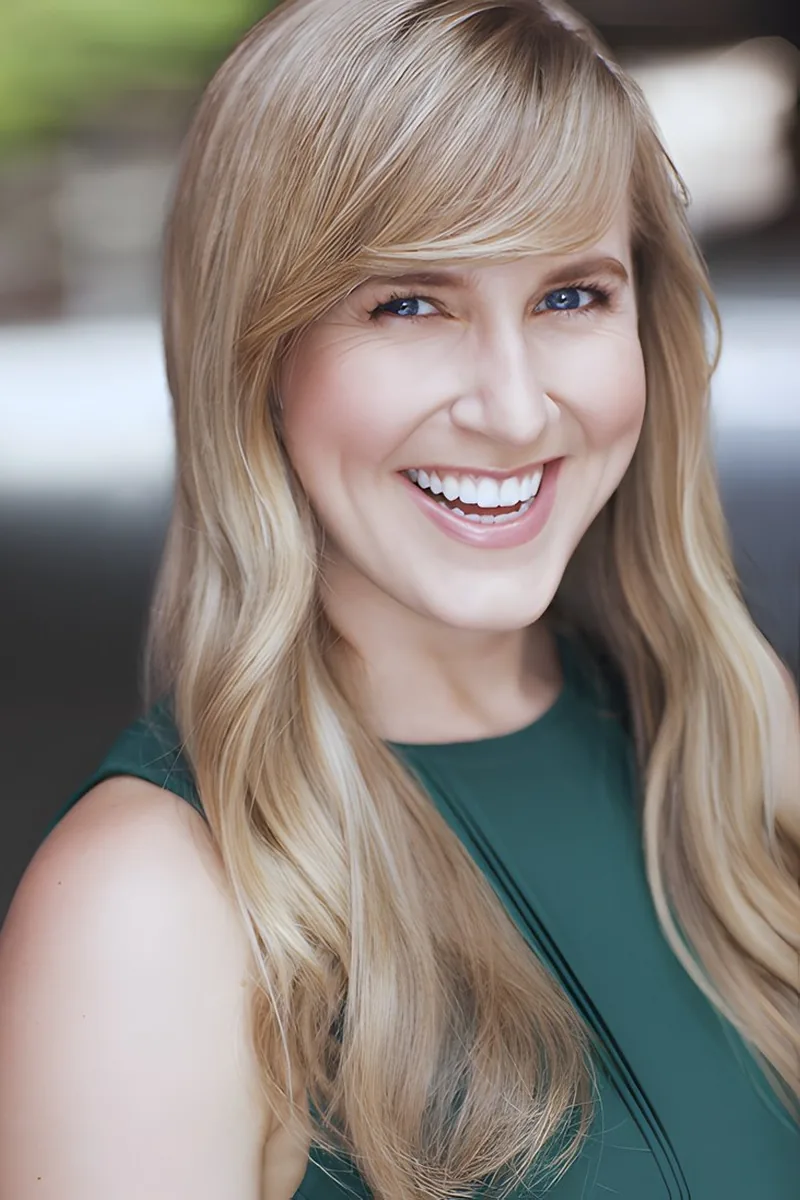
Covering ten thousand years of human history means AP World History students need a framework, not just a timeline. Taylor breaks the course into recurring themes — trade networks, empire-building, cultural diffusion — so students can tackle comparison and continuity-and-change essays with real analytical depth. Her humanities training at NYU gives her the cross-cultural perspective the exam demands, especially for periods and regions that textbooks tend to rush through.
Earning a perfect score on the SAT World History subject test gave Abrahim a deep familiarity with the cross-cultural comparisons and periodization that drive AP World History. He teaches students to spot continuity-and-change patterns across civilizations and translate that analysis into high-scoring essays and short answers.
Covering thousands of years across every continent, AP World History overwhelms students who try to memorize everything. Nathan's approach is to teach through comparative frameworks — connecting the collapse of the Han Dynasty to the fall of Rome, or linking the Atlantic slave trade to Indian Ocean commerce — so that patterns replace isolated facts. As a Rice History major, he brings genuine depth to the cross-cultural analysis the exam demands.
Covering ten thousand years of global history means students need frameworks, not just flashcards. Todd teaches AP World History through the recurring themes the exam actually tests — trade networks, empire-building, cultural diffusion — so students can analyze unfamiliar documents by connecting them to patterns they already understand. His University of Chicago training sharpened the kind of comparative thinking this course demands.
I am most passionate about helping people learn history, social sciences, and mathematics. I also assist with standardized test prep, primarily with the Reading and Writing sections of the exams. In my spare time, I enjoy photography, hiking and other outdoor activities, and reading about philosophy, evolutionary biology, and human history.
Covering ten thousand years of global history means students need a framework, not just a timeline. Jean's Latin American History specialization at Duke gave her deep practice in cross-cultural comparison — exactly the skill AP World History's essay prompts demand. She teaches students to identify patterns like empire-building, trade network expansion, and cultural diffusion, then deploy those patterns in timed writing.
Having studied both history and Spanish as undergraduate majors, Adam reads AP World History's cross-cultural content — Islamic Spain, the Columbian Exchange, Latin American independence movements — with the kind of bilingual, dual-perspective lens that makes primary source analysis richer than a single-language approach allows. He digs into the document-based questions by teaching students to interrogate authorship and purpose before summarizing content, a skill honed through his library science graduate work in evaluating sources. His 1500 SAT speaks to the timed analytical reading the exam's free-response sections demand.
Covering ten thousand years of global history means students need a mental framework, not a memorized timeline. Jake approaches AP World History through recurring themes like empire-building, trade networks, and cultural diffusion, then shows students how to deploy that thematic knowledge in the continuity-and-change and comparison essays the exam actually tests.
Anthropology is essentially world history with the volume turned up on culture — and Jorge's Harvard degree in Social Anthropology means he reads AP World History's units on cultural diffusion, belief systems, and social hierarchies the way they were meant to be read, as interconnected human patterns rather than isolated facts to memorize. His Columbia MA in Human Rights adds a sharp lens for the exam's questions about empire, resistance, and power, especially in the post-1750 periods where human rights movements reshape the political landscape. He also tutors AP Human Geography and AP Comparative Government, so he naturally connects the geographic and political threads that earn top scores on cross-regional comparison essays.
Years working as an educator at the Rubin Museum of Art — a collection centered on Himalayan and South Asian civilizations — gave Harry a tactile, artifact-driven way of teaching the cross-cultural encounters that AP World History's DBQ and LEQ prompts demand. His ongoing independent research trips to India studying Tibetan language and culture mean he can unpack topics like the spread of Buddhism along trade networks or Mughal-era cultural syncretism with firsthand context most tutors simply can't offer. That combination of museum pedagogy and regional immersion is especially useful for students who need to move beyond memorizing timelines and start building source-driven arguments.
A European History major at Vanderbilt, Alexander brings particular depth to the post-1450 periods where European expansion, colonialism, and industrialization dominate the AP World History timeline — content he's studied from primary sources, not just textbook summaries. He teaches students to treat the DBQ as an argument-building exercise, connecting specific document evidence to the broader thematic threads the exam rewards. His 1510 SAT reflects the kind of timed analytical reading and writing the free-response sections demand.
Economics PhD work at Yale trains Anthony to think about how societies allocate resources, build institutions, and respond to incentives — which is precisely the analytical framework behind AP World History's toughest essay prompts on state-building, economic systems, and cross-cultural trade networks. His dual background in physics and math adds a quantitative rigor to interpreting demographic data and economic trends that show up in DBQ documents. Rated 5.0 by students, he's especially sharp on the post-1750 periods where industrialization and global capitalism reshape every theme the exam tests.
Testimonials
Because the right AP World History tutor makes all the difference.
Average Session Rating – Based on 3.4M Learner Ratings
Practice AP World History
Free practice tests, flashcards, and AI tutoring for AP World History
Nearby AP World History Tutors
Other Riverside Tutors
Related Social Studies Tutors in Riverside
Frequently Asked Questions
Score improvement depends on your starting point and commitment level, but most students who work with a tutor see measurable gains within 4-6 weeks of consistent preparation. A tutor can help you identify which of the three exam sections (multiple choice, short answer, and free response) are holding you back, then target those areas with focused practice. Many students jump from a 2 or 3 to a 4 or 5 by mastering the specific skills the AP exam rewards—like analyzing primary sources and constructing evidence-based arguments.
Yes, expert tutors can guide you through all six units of the AP World History curriculum, from Unit 1 (Global Tapestry, 1200-1450) through Unit 6 (Consequences of Industrialization, 1750-1900). However, a tutor's real value is helping you understand the *connections* between time periods and regions—not just memorizing facts. They'll focus on the historical thinking skills the exam actually tests: causation, comparison, contextualization, and evidence evaluation.
The three FRQ types (Document-Based Question, Long Essay, and Short Answer) each require different skills, and a tutor can break down the exact rubric requirements for each one. They'll teach you how to quickly identify the historical argument you need to make, select the strongest evidence from documents or your knowledge, and structure your response to earn maximum points. Practice under timed conditions is key—tutors help you develop the pacing and confidence to write strong essays in 40-55 minutes.
Test anxiety often stems from feeling unprepared or unsure about what to expect. A tutor builds confidence by familiarizing you with the exact exam format, walking you through real past AP questions, and giving you honest feedback on your strengths and growth areas. Taking full-length practice tests under timed conditions with a tutor also helps you get comfortable with the pacing and reduces surprises on test day.
Start by taking a full-length practice test and reviewing which question types or time periods you struggled with most. A tutor can analyze your performance in detail—whether you're missing points on multiple choice due to misreading questions, or losing points on essays because your arguments lack evidence. Once you pinpoint the weakness (e.g., struggling with African or Asian history, or analyzing sources), targeted practice on those specific skills is much more efficient than generic review.
In your first session, a tutor will assess where you stand—whether you're just starting to learn the material or preparing for the exam in a few weeks. They'll ask about your current grade, any practice test scores, and which topics feel most confusing. From there, you'll develop a personalized study plan that fits your timeline and focuses on your biggest opportunities for improvement.
Ideally, consistent tutoring over 8-12 weeks leading up to the May exam gives you time to work through the curriculum and build test-taking skills. If you're starting closer to exam day, even 4-6 weeks of focused tutoring on your weakest areas can make a real difference. The key is regular practice between sessions—a tutor can guide your independent study, but your effort outside tutoring sessions matters just as much.
Varsity Tutors connects you with expert tutors who know the AP World History curriculum inside and out and can personalize instruction to your learning style and goals. You'll match with someone experienced in helping students master the exam's specific demands—whether that's analyzing documents, managing time on the free response section, or building confidence. Get started by telling us about your current level and what you want to accomplish.
Let’s find your perfect tutor
Answer a few quick questions. We’ll recommend the right plan and match you with a top 5% tutor.