Award-Winning AP World History Tutors
serving Bakersfield, CA
AP World History
Tutors in Bakersfield
Private 1-on-1 tutoring, weekly live classes for academic support, test prep & enrichment, practice tests and diagnostics, and more to elevate grades and test scores.
Based on 3.4M Learner Ratings
UniversitiesSchools & Universities
DeliveredHours Delivered
ProficiencyGrowth in Proficiency
Who needs tutoring?
No obligation. Takes ~1 minute.
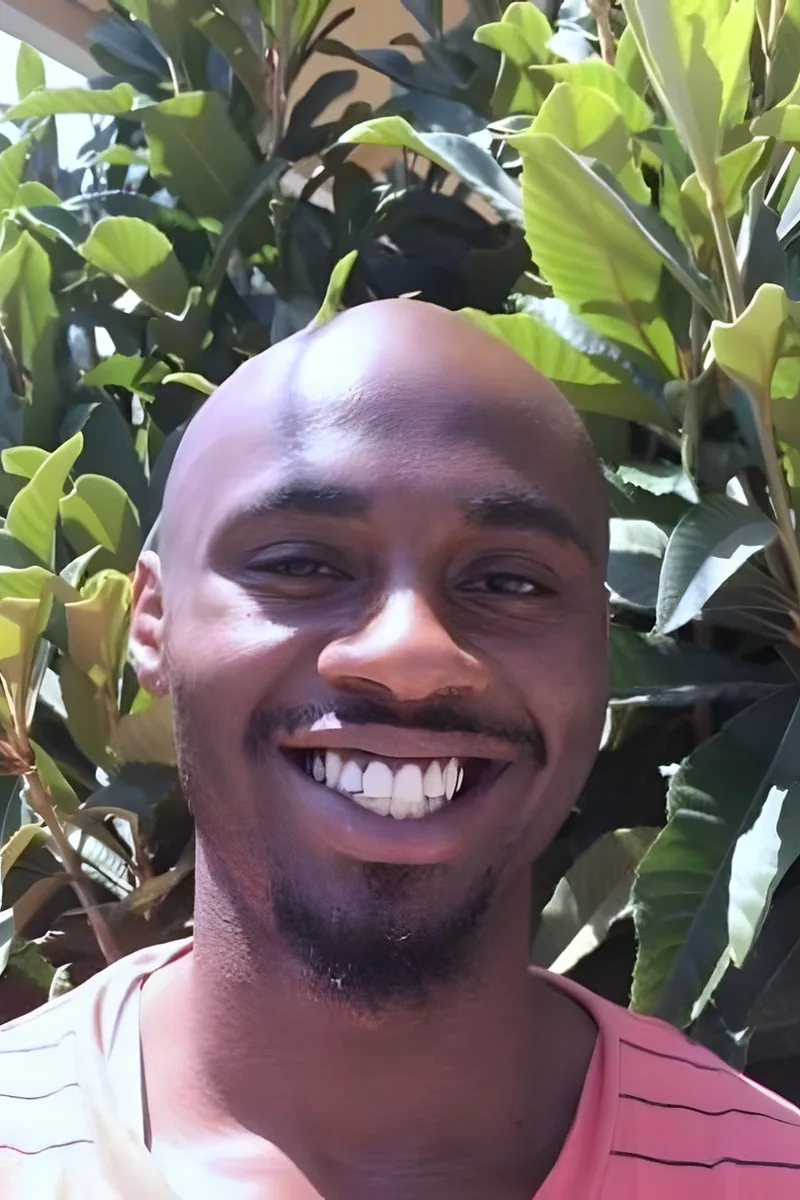
Brian's dual training in economics and computer science at Caltech built the kind of analytical framework that AP World History's toughest prompts actually test — tracing how economic systems, trade networks, and technological innovations reshaped societies across periods, from Indian Ocean commerce to industrial capitalism. His 1580 SAT reflects the timed reading and argumentative writing skills the DBQ demands, and his economics background gives him a concrete lens for teaching students why empires rose and fell rather than just when.

The sheer scope of AP World History — from river valley civilizations to globalization — overwhelms students who try to memorize everything. Varun tackles it thematically, teaching students to trace continuities and changes across regions using the comparison and causation skills the exam actually tests. His CLEP Western Civilization coursework gives him particular depth in cross-cultural encounters and empire-building from antiquity through the modern era.
Covering ten thousand years of global history means students need frameworks, not just flashcards. Todd teaches AP World History through the recurring themes the exam actually tests — trade networks, empire-building, cultural diffusion — so students can analyze unfamiliar documents by connecting them to patterns they already understand. His University of Chicago training sharpened the kind of comparative thinking this course demands.
The comparison and continuity-and-change essays in AP World History trip students up because they require thinking across civilizations and centuries simultaneously. Daniel approaches these by teaching students to identify structural patterns — how trade networks, empire-building, or religious diffusion operated differently in, say, Song China versus Abbasid Baghdad — and turn those observations into coherent, evidence-backed arguments.
High school teaching in Boston means Max deals daily with the challenge of making nine periods of world history land for students who'd rather not read another textbook chapter — and his Master's in Teaching sharpened his ability to break sprawling content into the specific comparisons and cause-and-effect chains the AP exam actually scores. His history degree gives him the sourcing instincts the DBQ demands, particularly when students face unfamiliar documents and need to contextualize them on the spot. Rated 5.0 by students.
Felix's Classical, Ancient Mediterranean, and Near Eastern Studies degree at Brown means he's spent serious time with the pre-1200 CE civilizations that many AP World History students rush past — Mesopotamian state-building, Greco-Roman political models, and the trade networks connecting the Mediterranean to Central and South Asia. That deep familiarity with early periods gives him a real edge when teaching students to tackle periodization questions and trace how foundational developments in governance and belief systems ripple forward through the entire course timeline. His 1540 SAT and fluency in Japanese add particular strength on comparative prompts involving East Asian content.
Patrick's PhD work in Modern European History at Rutgers — plus an exchange year at the École Normale Supérieure in Paris — gives him primary-source fluency across the post-1450 periods where European expansion, revolution, and industrialization intersect with global developments. His experience developing test content for the SAT and pre-AP exams at ETS means he understands how exam writers construct document-based questions and what kind of thesis earns full credit. That insider perspective sharpens his approach to both the DBQ and the LEQ, where knowing how prompts are built is half the battle.
Covering millennia of global history in one year means AP World History students need frameworks — ways to compare empires, trace trade networks, and connect developments across regions without drowning in isolated facts. Alastair approaches the course through those thematic lenses, drawing on his Columbia History major to show how continuity-and-change or causation questions actually want students to think. He also unpacks the comparison and CCOT essay formats so students know exactly what the rubric rewards.
Dual degrees in Anthropology and History from Northwestern mean Lucia doesn't just teach the content AP World History covers — she's trained in the exact disciplines the course draws from, particularly when it comes to understanding how societies organize, stratify, and interact across cultural boundaries. That anthropological lens is especially useful on units covering belief systems, social hierarchies, and cultural syncretism, where the exam asks students to explain not just contact between civilizations but what changed inside them as a result. Her 35 ACT reflects the timed reading and argumentation skills the DBQ demands.
Though her Duke degree is in Computer Science, Florence scored a 36 ACT composite by mastering the kind of analytical reading and timed argumentation that AP World History essays demand — pulling evidence from dense source material and structuring a clear, defensible claim under pressure. She applies that same systematic approach to DBQ and LEQ prep, teaching students to dissect documents quickly and build arguments that hit rubric targets. Rated 5.0 by students.
Bethany's Master's in Religious Studies from Duke pairs unusually well with AP World History — she spent years tracing how belief systems like Christianity, Islam, and Buddhism didn't just spread but reshaped governance, trade, and social hierarchies across entire regions. That background makes her especially sharp on the cultural diffusion and cross-cultural interaction themes that dominate the exam's essay prompts, where students need to explain *why* ideas spread rather than just *that* they did. Rated 5.0 by students.
Covering ten thousand years of human history in one course means students need frameworks, not just facts — understanding how trade networks, empire-building, and cultural diffusion repeat across civilizations. Paul's graduate training at Brandeis emphasized comparative and cross-cultural historical analysis, which maps directly onto the way the AP World exam asks students to draw connections across time periods and regions.
Covering ten thousand years of global history means students need a mental framework, not a memorized timeline. Jake approaches AP World History through recurring themes like empire-building, trade networks, and cultural diffusion, then shows students how to deploy that thematic knowledge in the continuity-and-change and comparison essays the exam actually tests.
Testimonials
Because the right AP World History tutor makes all the difference.
Average Session Rating – Based on 3.4M Learner Ratings
Practice AP World History
Free practice tests, flashcards, and AI tutoring for AP World History
Nearby AP World History Tutors
Other Bakersfield Tutors
Related Social Studies Tutors in Bakersfield
Frequently Asked Questions
Score improvement depends on your starting point and commitment level, but most students see meaningful gains through focused preparation. Tutors work with you to identify weak areas—whether that's analyzing primary sources, understanding global connections, or managing the exam's time constraints—and develop targeted strategies. With consistent practice and personalized guidance, many students move from a 2 or 3 toward a 4 or 5 on the AP exam.
Yes, tutors can guide you through all six units of the AP World History curriculum—from developments in Africa and the Americas through 1450, to the modern global conflicts and connections of the 20th and 21st centuries. They help you understand not just isolated facts, but the thematic connections and patterns that the exam emphasizes, like cultural exchange, economic systems, and power dynamics across time periods.
The AP exam has three sections—multiple choice, short answer, and free response essays—and each requires different skills. Tutors help you practice all three formats, teach you how to analyze sources quickly for the DBQ (Document-Based Question), manage your time across the 3-hour exam, and develop thesis statements that earn full credit. They also help you understand what graders are looking for in each section so you can write strategically, not just comprehensively.
Many students struggle with the sheer scope of material—6,000 years of global history is a lot to retain and synthesize. Others find it hard to move beyond memorizing facts to making connections between regions and time periods, which is what the exam actually tests. Time management during the free response section is another common pain point, as is analyzing primary sources quickly and accurately. A tutor helps you tackle each of these challenges with targeted strategies.
Practice tests are essential—they show you exactly what the real exam looks like, reveal which topics or question types trip you up, and build your stamina for the 3-hour test. Tutors use practice tests diagnostically to pinpoint weak areas, then focus your study time where it matters most. Taking full-length practice exams under timed conditions, then reviewing your mistakes with a tutor, is one of the most effective ways to improve your score.
Test anxiety often stems from feeling unprepared or unsure about what to expect. Working with a tutor builds confidence through repeated practice with real exam formats, so test day feels familiar rather than overwhelming. Tutors also teach you practical strategies—how to manage your time, which questions to tackle first, and how to stay calm when you encounter an unfamiliar topic. Knowing you've prepared thoroughly is the best antidote to anxiety.
Most students benefit from starting preparation 3-4 months before the May exam, with tutoring sessions 1-2 times per week. Early sessions focus on understanding key themes and filling content gaps; mid-stage preparation emphasizes practice tests and source analysis; final weeks concentrate on timed practice and reviewing mistakes. Your tutor will customize this timeline based on your starting level and the exam date, ensuring you're building skills progressively rather than cramming.
Your first session is about understanding where you're starting from and what you need most. Tutors typically assess your familiarity with the curriculum, review your goals (are you aiming for a 3 or a 5?), and identify which topics or skills need the most work. They'll also explain their approach and answer your questions about the exam format and preparation strategy, so you both know what to expect moving forward.
Let’s find your perfect tutor
Answer a few quick questions. We’ll recommend the right plan and match you with a top 5% tutor.