Award-Winning High School Biology Tutors
serving Mesa, AZ
High School Biology
Tutors in Mesa
Private 1-on-1 tutoring, weekly live classes for academic support, test prep & enrichment, practice tests and diagnostics, and more to elevate grades and test scores.
Based on 3.4M Learner Ratings
UniversitiesSchools & Universities
DeliveredHours Delivered
ProficiencyGrowth in Proficiency
Who needs tutoring?
No obligation. Takes ~1 minute.
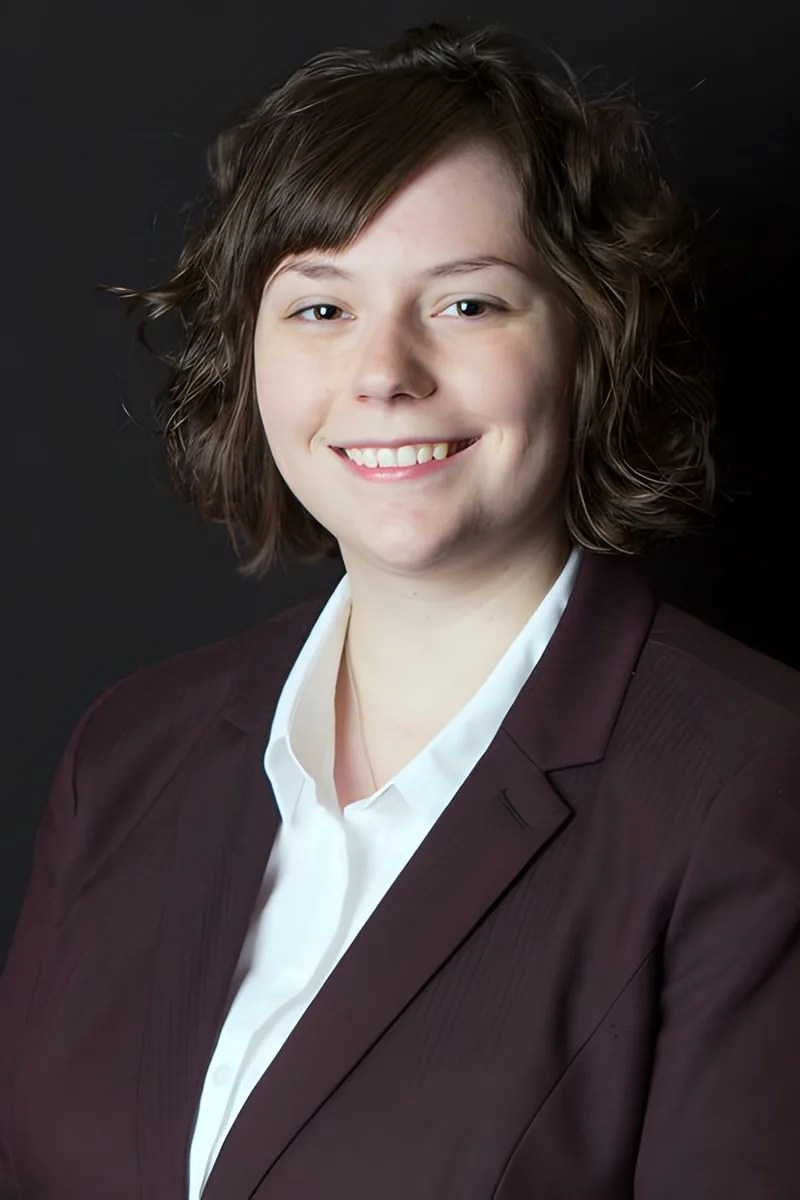
Double-minoring in mathematics and biochemistry alongside a biology degree at the University of Arizona means Lindsay didn't just learn ecology or genetics in isolation — she built the quantitative and molecular toolkit to connect them, from analyzing population growth models to tracing metabolic pathways through their chemical steps. That cross-disciplinary fluency is especially useful when students hit topics like cellular respiration or inheritance patterns, where the math and the chemistry quietly drive everything the textbook presents as pure biology.
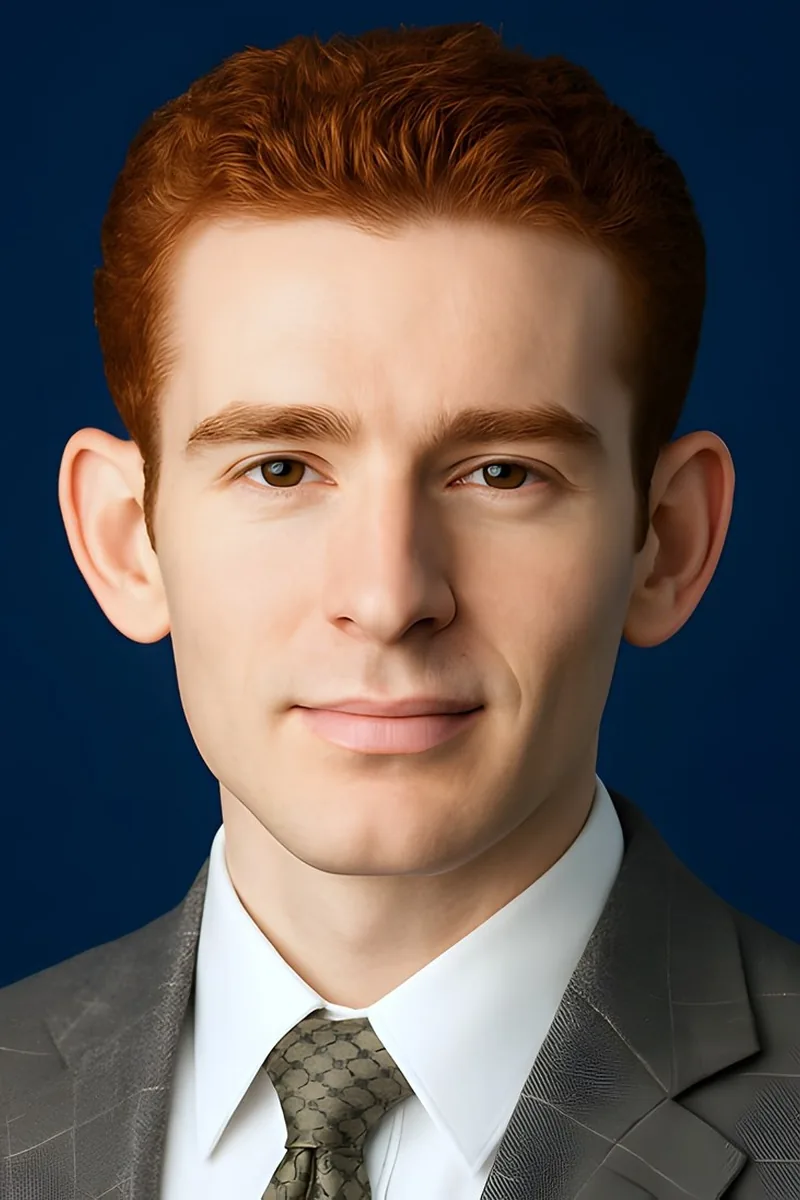
Spencer's strength in biology isn't specialist depth — it's the ability to translate between disciplines, connecting concepts like energy transfer in cellular respiration to the chemistry and math that underpin them. His broad academic background across sciences, humanities, and business at BYU and Thunderbird means he approaches topics like ecology or genetics from multiple angles, which is particularly useful for students who think in systems rather than memorized definitions. Rated 4.9 by students.
Most high school biology struggles come down to vocabulary overload — students see terms like "oxidative phosphorylation" and shut down before they even try. Charles, whose biochemistry background means he can trace every metabolic pathway from glucose to ATP, teaches students to decode the terminology and see the logic underneath it.
Nutritional sciences coursework at the University of Arizona means Atley has to understand biology at the molecular level — how enzymes catalyze metabolic reactions, how cells transport nutrients across membranes, how organ systems coordinate to maintain homeostasis. Her biochemistry minor reinforces that foundation, giving her the ability to unpack topics like cellular respiration and DNA replication with the kind of mechanistic detail that turns memorization into genuine understanding.
Researching aquatic ecology means Courtney traces biological processes — nutrient cycling, population dynamics, energy flow — through real ecosystems every day, which gives her a concrete way to teach units on ecology, photosynthesis, and cellular respiration that most tutors cover only from a textbook. Her master's in biology and undergraduate environmental sciences training let her connect the molecular scale to the ecosystem scale, showing students how a single metabolic pathway shapes an entire food web. Rated 5.0 by students.
Most of Michelle's tutoring subjects cluster around humanities and test prep, so she approaches biology the way a sharp generalist does — by teaching students how to decode unfamiliar diagrams, pull meaning from dense vocabulary, and organize information logically before an exam. Her 1490 SAT and history training mean she's practiced at breaking down complex material into structured arguments, a skill that translates surprisingly well to tracing processes like cellular respiration or walking through genetics problems. Rated 5.0 by students.
A microbiology degree means Daniel learned biology from the cellular level up — membrane transport, DNA replication, enzyme kinetics, and ecological interactions all had to become second nature before he could specialize. He teaches high school biology by connecting each unit back to a bigger picture, so students understand why mitosis matters when they get to genetics, and why genetics matters when they get to evolution.
Cellular and molecular biology at Yale means Alice built her understanding of high school bio topics — DNA replication, membrane transport, metabolic pathways — by going several layers deeper than the AP or honors curriculum ever asks. That depth lets her explain the *why* behind processes like mitosis or protein synthesis instead of just narrating the steps, which tends to be the difference between memorizing a diagram and actually being able to reason through an exam question. She scored a 36 ACT, so she also knows how to translate deep understanding into performance under timed pressure.
The jump from memorizing biology facts in middle school to actually analyzing experimental data and constructing explanations in high school catches many students off guard. Rachelle unpacks topics like genetics, cell division, and ecological relationships by teaching students to reason through cause and effect rather than rely on flashcards alone. Her philosophy training at ASU sharpened exactly the kind of critical thinking that high school biology rewards.
Arshia's biology degree from UCLA and hands-on clinical experience — performing glucose screenings and blood pressure exams in underserved communities — give her a practical lens on topics like cellular respiration, homeostasis, and human physiology. She connects textbook diagrams to how these processes actually play out in living bodies, which makes concepts like enzyme regulation and feedback loops far easier to remember. Rated 5.0 by students.
I am Arizona born and raised, my education includes an NYC law school degree with an undergraduate BS degree from University of Miami. In college I majored in Health Sciences with minors in Psychology and Public Health while in law school I leaned into corporate law and finance. Between law school and college I've pretty much covered every topic under the sun! In my spare time, I enjoy reading (especially mystery novels), pretending I'm a chef, and meditating.
Duke's pre-med track has Thara deep in the biology and chemistry coursework right now, which means topics like cell division, genetics, and energy pathways aren't distant memories — they're last week's problem sets. Having taken AP Biology herself just a year ago, she still remembers exactly which diagrams in the textbook made sense immediately and which ones needed to be redrawn three times before clicking. That closeness to the material lets her walk through processes like mitosis or protein synthesis with the kind of step-by-step clarity that comes from recently figuring it out herself.
The best part of tutoring is promoting students' long-term success through mastery of reading, writing, math, study skills, organization, and critical thinking. In particular, I enjoy helping students build test-taking strategies and core skills for the ACT, SAT, and other admissions tests. I also support pre-K and K-12 students learning math and ELA. Before joining Varsity, I tutored in a Reading and Writing Lab for university students with learning disabilities where I earned a College Reading and Learning Association (CRLA) certification. Since joining Varsity, I have completed continuing education through the Lastinger Center for Learning. I graduated from the University of Arizona in 2021 with a BA in Cultural Anthropology. In addition to tutoring, I have worked as an instructional aide for an art program, an applied anthropology researcher, and a nonprofit program coordinator. Out of all these experiences, I enjoy tutoring the most. I look forward to working with you!
The sheer volume of high school biology — cell structure, genetics, evolution, ecology, human body systems — makes it easy for students to fall behind if even one unit doesn't land. Amanda zeroes in on the conceptual threads that tie units together, like how energy flow explains both photosynthesis and food webs. With dual degrees in biology and anthropology, she brings a depth of knowledge that turns surface-level definitions into genuine comprehension.
Teach for America put Gordon in front of K-12 classrooms where he had to make topics like mitosis, ecosystem dynamics, and Mendelian genetics land for students with wildly different starting points — and his biology degree from Arizona State means the content knowledge runs deep enough to handle follow-up questions that go beyond the textbook. He also mentored premed undergraduates, so he understands how high school bio concepts like cell signaling and energy transfer connect to what students will see if they continue into college-level science.
Studying black widow spider development for her honors thesis at ASU meant Claire had to master hormonal regulation, cellular signaling, and organismal biology at a research level — exactly the kind of depth that makes high school units on endocrine systems, cell structure, and biological development click for students who need more than textbook definitions. Now a third-year medical student who tutors pathology and clinical medicine courses, she connects introductory bio concepts to what they actually look like inside a living body. Rated 5.0 by students.
A Conservation Biology degree from ASU means River doesn't just know the textbook definitions of cellular respiration or Mendelian genetics — they've applied those concepts in ecological fieldwork and lab research. That real-world context makes topics like natural selection, gene expression, and ecosystem dynamics click in a way that rote memorization never does. Rated 4.8 by students.
Ecology and life sciences aren't just subjects Rebia tutors — they're the core of her Stanford training, which means she can trace a concept like energy flow from the chloroplast in a single cell all the way out to nutrient cycling in an entire ecosystem. That big-picture wiring is especially useful when students need to connect scattered units on cell biology, genetics, and ecology into something coherent for exams. Holds a 5.0 rating.
A Biochemistry degree sits right at the intersection of biology and chemistry, which gives Hritik a molecular-level understanding of topics like cell signaling, genetics, and metabolism that most biology tutors don't have. He teaches students to trace biological processes back to their chemical foundations — making concepts like enzyme function and DNA replication click on a deeper level.
Biology at the high school level is deceptively broad, covering everything from cellular respiration to ecology to Mendelian genetics in a single year. Hanna's kinesiology and premed training gave her deep fluency in how biological systems connect — so she teaches students to see the throughlines between topics instead of treating each chapter as an isolated unit.
Genetics is the thread Cameron pulls to unravel the rest of high school biology — once students see how DNA replication, transcription, and translation actually work, topics like evolution, cell division, and heredity start to make intuitive sense. His PhD research gives him a storytelling toolkit most high school biology tutors simply don't have.
Genetics problems, enzyme kinetics, ecological modeling — high school biology increasingly asks students to think quantitatively, and Maurice's math background gives him an edge in explaining these analytical components. He also digs into the conceptual side, breaking down processes like mitosis, photosynthesis, and evolution by natural selection into clear cause-and-effect sequences. Students come away understanding the logic of biology, not just its vocabulary.
Studying molecular and cellular biology at the University of Arizona means Kylianne lives in the details of genetics, cell division, and metabolic pathways every day. She breaks down dense textbook material — like DNA replication or enzyme kinetics — into logical steps that make high school bio feel less like memorization and more like problem-solving.
Double-majoring in cellular and molecular biology means Alexa is knee-deep in genetics, cell division, and metabolic pathways right now — the exact material that shows up in high school bio, just at a higher resolution. She's especially good at breaking down topics like DNA replication and mitosis into visual, step-by-step sequences that students can actually reproduce on a test. Rated 5.0 by students.
Pursuing a B.S. in Biology at the University of Houston, Pooja lives this subject daily — from cellular respiration and mitosis to Mendelian genetics and ecology. She unpacks dense textbook diagrams and vocabulary-heavy chapters by tying each concept back to a bigger biological story, so students retain information instead of just cramming it. Rated 5.0 by her students.
Biology at the high school level is often a student's first encounter with genuinely dense material — cell division, genetics, ecology, evolution — all in one year. Musa breaks these topics into logical chains so that each unit builds on the last, turning what feels like a wall of vocabulary into a connected story. His experience at ASU's tutoring center showed him which concepts trip students up most frequently.
As a recent graduate and experienced tutor with a summa cum laude Bachelor's degree in Molecular Biology from Colorado College, I bring over five years of tutoring experience across a variety of subjects, including high school biology and chemistry (regular, honors, and AP), as well as physics, writing, math, and general study skills. My strong foundation in the sciences, built through extensive coursework and research in molecular biology, biochemistry, and genetics, allows me to explain complex topics with clarity and enthusiasm. Further, my long-standing passion for reading and literature has helped me develop strong writing skills, which I enjoy sharing with students. My teaching philosophy centers on patience, empathy, and personalized support. I strive to create a calm, encouraging, and collaborative environment where students feel comfortable asking questions and exploring ideas deeply together. Each lesson is tailored to the student's learning style and goals, with a focus on developing true understanding rather than rote memorization. I believe that when students feel supported and confident, they're able to reach their full potential. Ultimately, my goal as a tutor is to help students build both knowledge and confidence, empowering them to succeed academically and develop a lasting curiosity for learning.
From Punnett squares to cellular respiration pathways, Paul breaks biology into the underlying stories of how organisms function and evolve. His own biology degree keeps him grounded in the details — membrane transport, DNA replication, ecological interactions — and his 5.0 rating speaks to how well that knowledge translates in one-on-one sessions.
Jack's journalism training — breaking complex stories into clear, structured narratives — translates surprisingly well to biology topics like tracing energy through cellular respiration or mapping out the steps of mitosis, where students often lose the thread in a sea of vocabulary. He treats each biological process as a story with a logical sequence, teaching students to follow the cause-and-effect chain instead of memorizing isolated terms. Rated 4.8 by students.
Molecular biology as an undergrad and now biomedical science in grad school means Sierra has studied the building blocks of life twice over — once to learn them, and again to apply them in research contexts. That double pass gives her a sharp eye for the spots where high school students lose the thread, particularly in units on gene expression and protein synthesis where the vocabulary piles up fast. Rated 5.0 by students.
Biomedical engineering at Duke means Eric doesn't just study biology — he builds on it, applying concepts like cell signaling, tissue mechanics, and physiological systems to real engineering problems. That applied perspective makes him especially effective at unpacking units on cell structure, body systems, and genetics, because he can show students how each concept connects to something functional rather than just definitional. Rated 5.0 by students.
Economics and public policy might seem far from biology, but Ethan's AP Biology background and broad science teaching give him a useful outsider's perspective — he explains concepts like cellular respiration or ecological systems by connecting them to real-world frameworks students already understand, like resource allocation and energy tradeoffs. His 1550 SAT reflects the kind of analytical reading skill that translates well to parsing dense biology passages and data-interpretation questions on exams.
The jump from memorizing biology vocabulary to actually understanding processes like mitosis, protein synthesis, or natural selection is where most high school students get stuck. David unpacks each system step by step, emphasizing cause-and-effect logic over rote recall — a teaching style shaped by his own neuroscience training at Yale, where every biology concept eventually had to connect to something measurable.
From Mendelian genetics to the details of photosynthesis and cellular respiration, high school biology covers an enormous range of material. Priya's approach is to teach students how to organize that information — building concept maps that link processes together instead of treating each chapter as isolated facts. She's tutored science since high school and knows which topics tend to trip students up on exams.
From cell division to ecological relationships, high school biology covers enormous ground in a single year. Sydny — who earned three science-related bachelor's degrees before medical school — tackles each unit by anchoring new material to what a student already understands, turning topics like photosynthesis and Mendelian genetics into connected ideas instead of isolated chapters.
Rahul's biomolecular engineering coursework at Cornell covered cell biology, genetics, and protein structure in rigorous detail — topics that map directly onto the high school biology curriculum. He teaches students to connect processes like DNA replication and cellular respiration into a coherent story rather than treating each chapter as a separate pile of vocabulary to memorize.
From mitosis and meiosis to photosynthesis and cellular respiration, high school biology asks students to visualize processes happening at a scale they can't see. Jake tackles this by walking through each process as a story with inputs, outputs, and a reason it matters to the organism — an approach shaped by his own Human Biology studies at Stanford, where connecting molecular details to whole-organism outcomes is the entire point.
A cum laude Biology graduate from UCLA, Abrahim tackles high school biology by connecting individual topics — Mendelian genetics, DNA replication, cellular energetics — to the bigger picture of how living systems function. His approach is interactive and question-driven: he'd rather a student explain a concept back to him than passively copy notes. Rated 5.0 by students.
Cell and molecular biology wasn't just Emily's major at Duke — it was the lens through which she learned every other branch of biology, from genetics to physiology, earning Summa Cum Laude honors along the way. Now as a medical student at Columbia, she's applying that same material clinically, which means she can trace a concept like mitosis or protein synthesis from the textbook diagram all the way to why it matters in a living patient. Rated 5.0 by students.
Testimonials
Because the right High School Biology tutor makes all the difference.
Average Session Rating – Based on 3.4M Learner Ratings
Other Mesa Tutors
Related Science Tutors in Mesa
Frequently Asked Questions
During your first session, a tutor will assess your current understanding of biology concepts, identify specific areas where you're struggling (whether it's cell structure, genetics, evolution, or lab work), and learn about your learning style. This helps create a personalized plan focused on your biggest challenges, whether that's grasping abstract concepts like photosynthesis or building confidence with lab reports and scientific reasoning.
Memorizing facts like organelle functions or the steps of mitosis doesn't lead to real learning—understanding the "why" does. Tutors use real-world examples, diagrams, and hands-on explanations to help you see how concepts connect. For instance, instead of memorizing photosynthesis equations, you'll understand how plants actually convert light into energy, making the material stick and helping you apply it to new problems on tests.
Absolutely. Beyond content knowledge, tutors help you develop strong scientific thinking skills—designing experiments, interpreting data, writing lab reports, and understanding experimental design. These skills are just as important as knowing biology facts, and personalized tutoring ensures you can confidently analyze results, draw conclusions, and explain your reasoning, not just follow lab procedures.
Many students struggle with invisible structures—you can't see a mitochondrion or a DNA molecule in real life. Tutors use diagrams, animations, 3D models, and step-by-step drawings to make these abstract concepts concrete and visual. Breaking down complex processes like cellular respiration or protein synthesis into clear, visual steps helps these concepts click and makes them easier to remember and apply.
Students often struggle with balancing chemical equations in biochemistry, understanding inheritance patterns in genetics, visualizing cellular processes, and connecting theory to lab work. Many also find it challenging to develop strong scientific reasoning skills needed for AP Biology or college-prep courses. Personalized tutoring targets these specific pain points rather than reviewing everything, making your study time more effective.
Varsity Tutors connects you with tutors who have strong backgrounds in biology—many hold degrees in biology, biochemistry, or related sciences, and many have teaching experience or advanced certifications. Each tutor is vetted for subject expertise and teaching ability, ensuring you're learning from someone who understands both the content deeply and how to explain it clearly.
Yes. AP Biology and honors courses require not just memorizing facts but mastering complex concepts, experimental design, and data analysis. Tutors help you build these advanced skills systematically, cover challenging topics like evolution and ecology in depth, and develop test-taking strategies specific to AP exams. This personalized approach helps you move beyond surface-level understanding to the deeper mastery these courses demand.
Many students see noticeable improvement within 3-4 weeks of consistent tutoring, especially when working on specific problem areas like test preparation or lab report writing. However, building genuine understanding of complex biology concepts takes time—expect meaningful progress in 6-8 weeks of regular sessions. The key is consistent practice between sessions and focusing on understanding rather than quick fixes.
Let’s find your perfect tutor
Answer a few quick questions. We’ll recommend the right plan and match you with a top 5% tutor.