Award-Winning AP English Literature and Composition Tutors
serving Glendale, AZ
AP English Literature and Composition
Tutors in Glendale
Private 1-on-1 tutoring, weekly live classes for academic support, test prep & enrichment, practice tests and diagnostics, and more to elevate grades and test scores.
Based on 3.4M Learner Ratings
UniversitiesSchools & Universities
DeliveredHours Delivered
ProficiencyGrowth in Proficiency
Who needs tutoring?
No obligation. Takes ~1 minute.
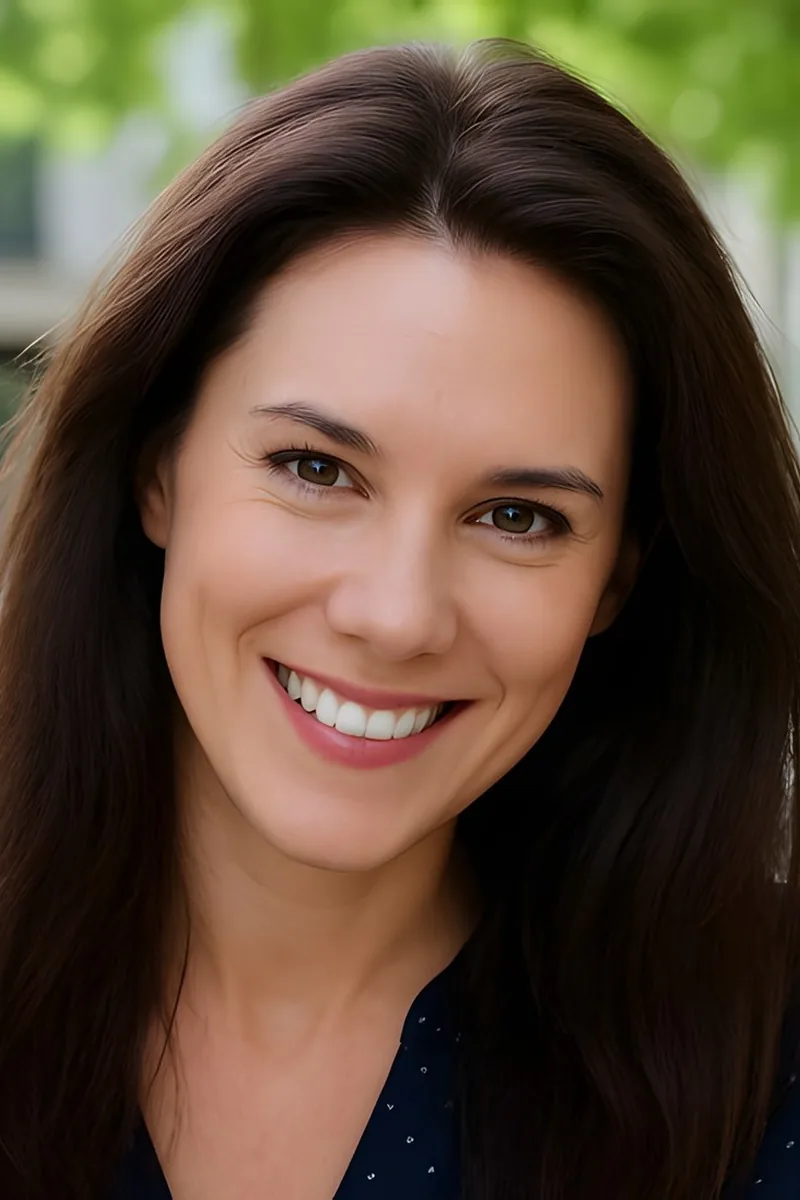
AP Lit asks students to do something genuinely difficult: read a poem or prose passage cold and produce a coherent literary argument in 40 minutes. Michelle, whose background spans history and comparative literature, teaches students to build claims around specific devices — imagery patterns, shifts in tone, narrative framing — rather than summarizing plot. That analytical muscle is what earns 4s and 5s.

AP Lit asks students to do something most high schoolers haven't practiced: read a poem or prose passage cold and immediately build an argument about how its literary devices create meaning. Jake tackles this by teaching close-reading techniques — tracking shifts in tone, identifying figurative patterns, and connecting formal choices to thematic claims — so the timed essay feels less like a scramble and more like a structured conversation with the text.
AP Lit asks students to do something surprisingly specific: build an argument about how literary techniques create meaning, all under timed pressure. Aaron brings a writer's sensibility — reading and writing are among his core interests — along with the analytical rigor of his Rice math training, which translates into tightly structured essay arguments that score well on the rhetorical analysis and literary argument prompts.
AP Lit asks students to do something most haven't practiced: write a persuasive literary argument under time pressure, using textual evidence with precision. Olivia teaches the difference between summarizing a poem or passage and actually analyzing how its language produces meaning — the skill that separates 3s from 5s on the free-response questions. She's particularly strong on poetry analysis, where students tend to freeze up without a clear method for unpacking imagery, tone, and structure.
Close reading is the backbone of AP Lit, and Elena's graduate training in art history taught her to analyze visual and written texts with the same forensic attention to detail. She teaches students to unpack poetic structure, narrative voice, and figurative language in ways that translate directly into high-scoring free-response essays. Her approach treats each passage like an artifact worth investigating, not just a prompt to answer.
AP English Lit asks students to do something Malina has done thousands of times: take a piece of literature apart and explain how its language creates meaning. Her Yale Classics training in close reading poetry and prose — tracking meter, diction, imagery, and narrative structure — maps directly onto the skills the free-response essays demand. She's particularly strong at teaching students to write thesis-driven analyses under timed conditions.
AP English Literature demands more than plot summary — it asks students to write about how a poem's enjambment creates tension or how a novel's narrative voice shapes meaning. Cynthia studied Folklore & Mythology at the college level, giving her deep experience with close reading across genres and centuries. She teaches students to build literary arguments that earn high marks on both the multiple-choice and free-response sections.
Analyzing how a poet's syntax mirrors emotional tension, or tracing a novel's symbolic architecture across 300 pages — AP Lit demands close reading at a level most high schoolers haven't encountered before. Martha's experience writing analytical papers at Duke and editing college essays sharpens her ability to teach students how to build a thesis from textual evidence and defend it in a timed essay.
A PhD in Religion and a bachelor's in philosophy gave Chang deep experience doing exactly what AP Lit demands: close reading of complex texts and constructing interpretive arguments under pressure. He teaches students to move beyond plot summary and build thesis-driven essays that analyze literary devices, narrative structure, and authorial intent with real textual evidence.
AP English Literature demands more than summarizing a novel — it asks students to dissect how imagery, tone, and narrative structure produce meaning in a specific passage. David's English degree and his graduate work with rare books and manuscripts gave him a close-reading discipline that translates directly into the kind of textual analysis the free-response essays reward. He teaches students to build arguments from the text outward, anchoring every claim in concrete literary evidence.
AP Lit's free-response questions reward students who can do more than summarize — they need to build an argument about how literary devices create meaning within a passage. Max teaches students to dissect prose and poetry prompts by identifying tone shifts, narrative structure, and figurative language, then weaving those observations into a cohesive thesis. His background teaching both history and English in a Boston high school means he's coached students through the exact pressure of timed analytical writing.
AP English Literature asks students to do something genuinely difficult: read a poem or prose passage they've never seen and produce a polished analytical essay in under forty minutes. As a PhD candidate in American Literature at UConn, Meghan digs into the specific skills the exam rewards — thesis construction, close reading of figurative language, and integrating textual evidence without plot summary. She keeps sessions dynamic by rotating through poetry, drama, and fiction so students build range across genres.
AP English Lit asks students to do something genuinely difficult: read a poem or passage cold and produce a polished analytical essay under time pressure. Sarah's BA in English from Oberlin and her ongoing PhD work at Harvard mean she can teach students to unpack figurative language, track shifts in tone, and build thesis-driven arguments about texts they've never seen before. Her poetry background is especially useful for the notoriously challenging poetry analysis prompt.
AP Lit's free-response questions reward students who can move beyond plot summary and build arguments around literary devices — symbolism, tone shifts, narrative structure. Priscilla's Harvard coursework in government and economics trained her to construct tight, evidence-driven essays under pressure, a skill she applies directly to poetry and prose analysis on exam day.
AP Lit asks students to do something most haven't practiced: build a literary argument under time pressure using only the text in front of them. Rebecca teaches close-reading strategies for poetry and prose — identifying shifts in tone, tracking imagery patterns, and constructing thesis-driven free-response essays that earn high marks.
Testimonials
Because the right AP English Literature and Composition tutor makes all the difference.
Average Session Rating – Based on 3.4M Learner Ratings
Practice AP English Literature and Composition
Free practice tests, flashcards, and AI tutoring for AP English Literature and Composition
Nearby AP English Literature and Composition Tutors
Other Glendale Tutors
Related English Tutors in Glendale
Frequently Asked Questions
Varsity Tutors matches Glendale students with expert AP English Literature and Composition tutors for 1-on-1 instruction. We pair each student with a tutor based on their specific needs, learning style, and goals.
Whether you need homework help, exam prep, or want to get ahead, our AP English Literature and Composition tutors are ready to help.
Common challenges include gaps from earlier material, difficulty with specific concepts, and trouble applying learning to new problems. These issues can snowball quickly in AP English Literature and Composition.
A tutor identifies where you're stuck, fills in gaps, and provides targeted practice. The 1-on-1 format means you get help exactly where you need it.
Tutors work with your student's actual coursework—homework assignments, class notes, and upcoming tests. This keeps tutoring directly relevant to what's happening in the classroom.
When you share information about your student's school and curriculum, we can match you with a tutor who has relevant experience.
All tutors complete background checks, credential verification, and teaching evaluation. Many of our AP English Literature and Composition tutors hold advanced degrees or have years of teaching experience.
You can review tutor profiles to find someone with the right background for your student's level and needs.
Many students see improved grades within a few weeks, along with better understanding of AP English Literature and Composition concepts and more confidence tackling challenging material.
Tutors track progress and adjust their approach to ensure continued improvement.
Most students benefit from 1-2 sessions per week. More frequent sessions help if your student is significantly behind or has an important exam coming up.
Your tutor can recommend a schedule based on your student's specific situation and goals.
Tutoring is purchased in packages of hours, with rates varying by tutor experience. Varsity Tutors offers several options to fit different budgets and needs.
You can discuss pricing during your consultation to find what works best.
Your tutor will assess where your student is, discuss goals, and start working on priority areas. Most students bring current homework or upcoming test material to focus on.
By the end, you'll have a clear sense of how the tutor can help and a plan for moving forward.
Let’s find your perfect tutor
Answer a few quick questions. We’ll recommend the right plan and match you with a top 5% tutor.