Award-Winning English Tutors
serving Gilbert, AZ
English
Tutors in Gilbert
Private 1-on-1 tutoring, weekly live classes for academic support, test prep & enrichment, practice tests and diagnostics, and more to elevate grades and test scores.
Based on 3.4M Learner Ratings
UniversitiesSchools & Universities
DeliveredHours Delivered
ProficiencyGrowth in Proficiency
Who needs tutoring?
No obligation. Takes ~1 minute.
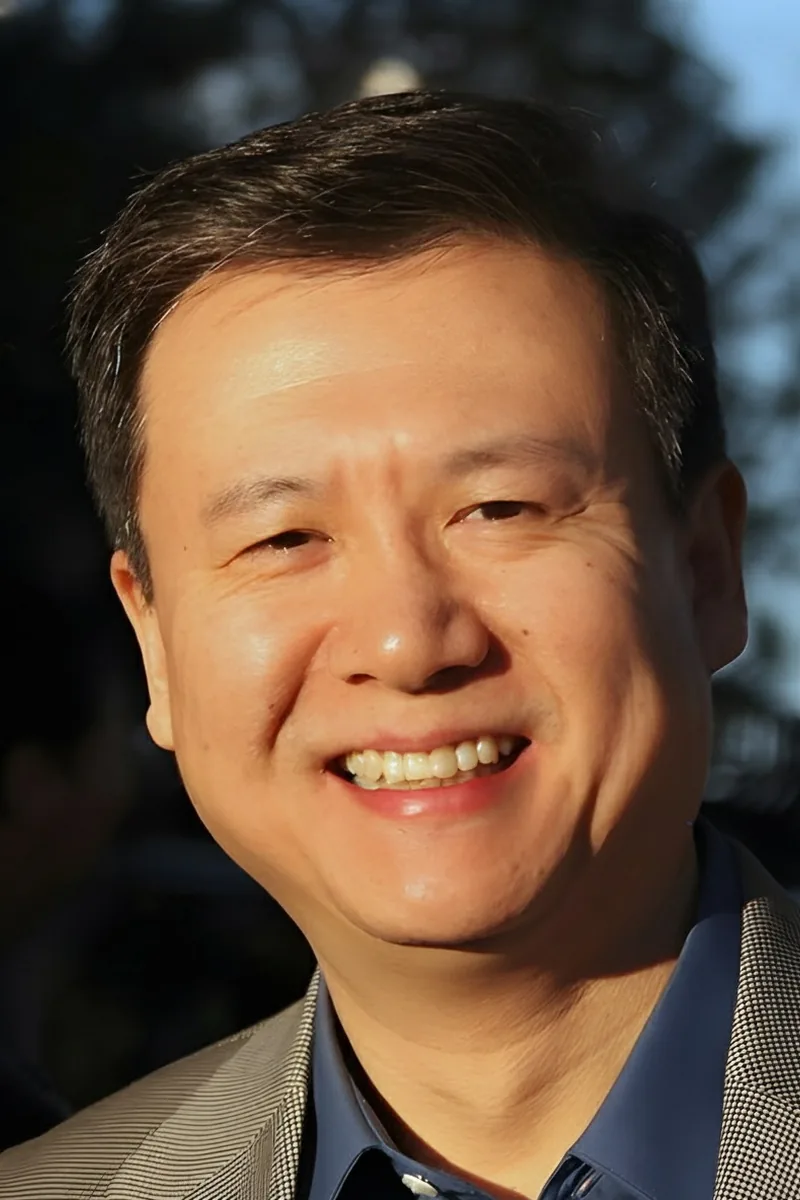
Tim's background spans technical writing, conference presentations, and professional publishing, which means he knows how to construct an argument that holds up under scrutiny. He applies that rigor to essay structure, thesis development, and close reading, teaching students to build paragraphs the way an engineer builds a proof — one well-supported claim at a time.
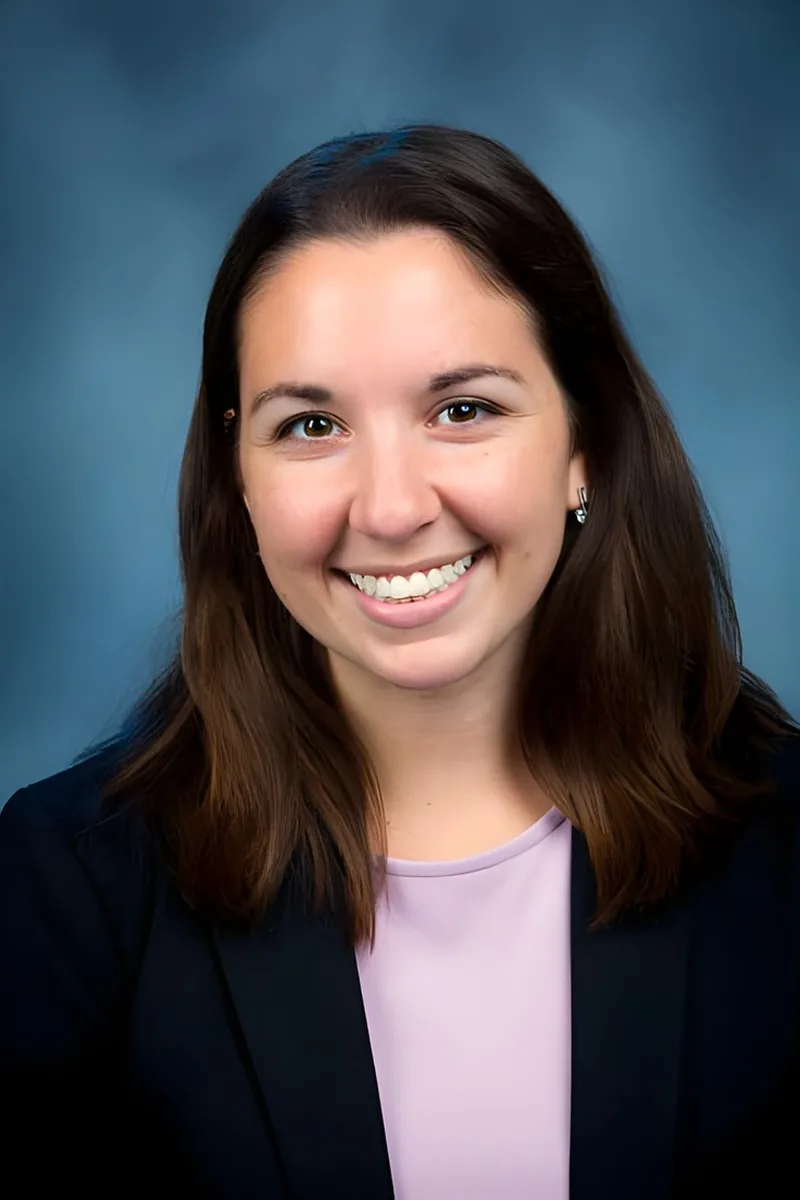
Reading a text closely and writing about it clearly are two different skills, and many English students are stronger at one than the other. Bridget pinpoints which side needs work — whether that's pulling evidence from a passage, structuring a thesis-driven paragraph, or simply reading with more precision. She's currently completing her Master of Education at Notre Dame while teaching English and writing at the high school level.
I am a graduate student currently working on my Master's Degree in Big Data Systems.
Strong English skills come down to the same thing Chelsea teaches in every subject: structured thinking. Her math education background at BYU trained her to break complex problems into logical steps, and she applies that same approach to grammar rules, paragraph structure, and close reading — showing students how to build an argument the way you'd build a proof.
Between his dual English and Asian Studies degrees and a 1480 SAT, Ben brings both analytical reading skills and strong writing chops to English tutoring. He's particularly sharp at teaching students how to build a thesis from a close reading — pulling specific textual evidence and weaving it into an argument that actually says something, rather than summarizing the plot. Rated 4.7 by students.
Reading a novel and actually understanding what an author is doing with tone, symbolism, or narrative structure are two very different things. Audrey bridges that gap by teaching students to slow down and ask targeted questions of a text — why did the author choose this word, what's the effect of this paragraph break, how does this scene connect to the theme? Her background spans both literature analysis and writing, so she connects the skills naturally.
Engineering may seem far from English, but Dale's graduate program demands precise written communication daily — from lab reports to literature reviews. He tackles reading comprehension and analytical writing by teaching students to identify a text's core argument and respond to it with structured, evidence-backed paragraphs.
Reading closely and writing persuasively are skills Niabari sharpened across multiple bachelor's degrees and a master's program that demanded constant engagement with dense texts. She teaches students to dissect an author's argument, identify rhetorical strategies, and build thesis-driven essays that go beyond summary into genuine analysis.
Every subject Galen teaches — philosophy, literature, test prep, essay writing — runs through the same core skill: using language precisely. His English tutoring zeroes in on that precision, whether a student is dissecting a poem's imagery, building a thesis for a research paper, or learning to spot the difference between an author's claim and their evidence. A philosophy graduate with a 5.0 client rating, he treats English as the discipline where thinking and communication become the same thing.
Reading a passage and actually understanding what the author is arguing are two different skills, and Alexis teaches the second one. She walks students through how to identify thesis statements, trace an argument's structure, and support their own claims with textual evidence — skills sharpened by her religion and liberal arts studies, where close reading was the foundation of every assignment.
Between crafting research papers in her biology graduate program and teaching undergraduates at ASU, Courtney has spent years making complex ideas clear on the page. She tackles English skills — from building thesis-driven essays to strengthening reading comprehension of dense texts — with a structured, analytical approach that gives students concrete strategies rather than vague advice.
Elizabeth's background in political science and communication arts means she reads everything through the lens of argument — who's making a claim, what evidence supports it, and how language shapes the reader's response. She brings that same analytical rigor to grammar, close reading, and essay structure, teaching students to dissect a passage or build a thesis with precision. Rated 5.0 by students.
Three degrees in English composition, philosophy, and religious studies give Linda an unusually wide frame for teaching English — she can move from close-reading a poem's imagery to restructuring a research paper's argument in the same session. Her publishing background means she treats writing as a craft with concrete, learnable techniques, not a mysterious talent some students have and others don't. That practical approach is a big part of why she holds a 5.0 client rating.
Reading critically and writing persuasively are skills Ivanna sharpened through a master's program built around analyzing political texts and constructing evidence-based arguments. She brings that same rigor to English tutoring — whether a student is developing a thesis for a literary analysis or learning to structure body paragraphs that actually prove a point.
Screenwriter, Harvard graduate, PhD researcher — Kristi engages with language across wildly different registers, from creative narrative to technical prose. That range makes her especially effective at teaching reading comprehension, analytical writing, and vocabulary in context, because she can show students how English actually works in the real world beyond a textbook exercise.
A history and literature triple-major, Michelle reads constantly and knows how to teach the close-reading skills that English classes actually test — identifying tone, tracing an author's argument, and pulling textual evidence into a thesis-driven essay. She's tutored AP English Literature and AP Language as well as college-level courses, so she can adjust whether a student is annotating their first novel or revising a comparative analysis paper.
Whether a student is dissecting a novel for AP Lit or drafting a college application essay, Jake approaches English as an exercise in building and defending an argument with textual evidence. His background spans comparative literature, essay editing, and composition at both the high school and college level — a range that lets him adapt quickly to whatever a student is working on.
An avid reader and writer outside the classroom, Daniel brings a genuine enthusiasm for language to English tutoring that students don't always expect from someone with a science doctorate. He tackles reading comprehension by teaching students to identify an author's argument and supporting evidence before jumping to questions, and he applies the same structured thinking to essay writing — thesis construction, paragraph organization, and revision. His college essays tutoring experience also means he's comfortable coaching students through personal and analytical writing alike.
Studying cellular and molecular biology at Yale might seem unrelated to English, but Alice's dual passion means she reads and writes with both precision and creativity — skills she brings to everything from close reading to thesis development. She's particularly sharp at teaching students how to build an argument from textual evidence, a skill that transfers across literary analysis, research papers, and timed essays.
Yale's interdisciplinary culture meant Annelisa was constantly writing across genres — art criticism, political journalism pieces, science briefs — each demanding a different register and structure while still requiring airtight grammar and clear argumentation. That cross-disciplinary writing habit, plus a 1570 SAT, makes her especially sharp at teaching students how to adapt their voice and organize their ideas whether they're writing a literary analysis, a persuasive essay, or a personal narrative.
Reading closely and writing clearly were the core demands of Diana's philosophy studies at Stanford and Brown, where every seminar paper required building a precise argument from textual evidence. She brings that same analytical approach to English, teaching students how to develop a thesis, structure supporting paragraphs, and revise their prose until it says exactly what they mean.
Between a philosophy degree earned Summa Cum Laude and a law degree from ASU's Sandra Day O'Connor College of Law, Rachelle has spent years doing little else but reading critically and writing persuasively. She teaches English skills like thesis development, textual analysis, and argument structure by showing students how to build a claim from evidence rather than summarizing what they've read. Her background in literature and comparative literature means she's comfortable across genres and time periods.
A chemical engineering and anthropology double major who went on to medical school, Alex brings an unusual range of reading and writing experience to English tutoring — from analyzing dense technical texts to crafting argumentative essays rooted in social science research. He breaks down thesis development, paragraph structure, and evidence integration in ways that click for students who struggle with open-ended assignments. Rated 4.8 by students across dozens of subjects.
Between his background in American and comparative literature and his experience coaching college essays, John treats English as an integrated skill — reading critically, building arguments, and writing with clarity all reinforce each other. He's particularly sharp at teaching students to analyze an author's rhetorical choices and translate that analysis into well-structured essays.
Reading closely and writing clearly are skills Arshia treats as interconnected — she teaches grammar, thesis construction, and textual analysis as parts of the same process rather than separate checklists. Her background in scientific writing at UCLA sharpened her ability to break down complex arguments and restructure them for clarity, a technique she now applies to everything from literary essays to paragraph-level grammar revision. Rated 5.0 by students.
Kyle treats English as two intertwined skills: reading with precision and writing with purpose. His background spans literature, essay editing, and college-level composition, so whether a student is dissecting an author's argument or drafting their own thesis paragraph, he walks through the craft of building clear, evidence-driven writing from the ground up.
Elise minored in philosophy at Marquette, which sharpened her ability to dissect arguments, analyze texts closely, and write clearly structured essays. She brings that analytical lens to English tutoring — whether a student is crafting a thesis statement, unpacking figurative language in a novel, or revising an essay for coherence and flow.
I am a graduate student at Arizona State University studying Human and Social Dimensions of Science and Technology, and am passionate about the value of education at all levels. Previously I worked at the US Department of Energy on energy technology in Washington, DC. I have enjoyed setting up roots in Phoenix over the past few years, and am excited about sharing my knowledge and passion for learning with others in the area.I have a knack for explaining complicated ideas to people in simple terms, enjoy deepening people's understandings of issues, and value education highly. All of these characteristics make me an ideal tutor for Varsity Tutors, and I look forward to the opportunity to share my academic experiences and skills with tutees. In addition, I can give an expert's perspective on a wide range of topics including political science, public policy, various topics in science and technology, as well as an academic success-oriented mindset.
I am Arizona born and raised, my education includes an NYC law school degree with an undergraduate BS degree from University of Miami. In college I majored in Health Sciences with minors in Psychology and Public Health while in law school I leaned into corporate law and finance. Between law school and college I've pretty much covered every topic under the sun! In my spare time, I enjoy reading (especially mystery novels), pretending I'm a chef, and meditating.
Strong analytical writing carried Alex through Barrett, ASU's honors college, where thesis-driven essays and close reading were constant requirements. He's particularly effective at teaching students how to move from a vague response to a structured argument — choosing evidence, building paragraph-level logic, and revising for clarity rather than just length.
Between her years at a Kumon Reading Center and her own love of books and writing, Megan approaches English by connecting the reading and writing sides — analyzing how an author builds an argument or develops a character, then applying those same techniques to a student's own work. She's currently at Harvey Mudd College, where even STEM majors write extensively, so she understands how to sharpen thesis statements, organize evidence, and revise drafts with purpose.
Between a history degree and law school, Jeff has spent years doing what English class ultimately asks students to do: read critically, build arguments from textual evidence, and write clearly under deadline pressure. He's especially sharp at teaching close reading and analytical essay structure — the two skills that tend to separate strong English students from struggling ones.
Between literature reviews, conference papers, and journal submissions, Robert reads and writes analytically for a living. He brings that daily practice to English tutoring, teaching students how to dissect an author's argument, identify rhetorical strategies, and support a thesis with textual evidence. His psychology background also gives him a unique lens for discussing character motivation and narrative structure in literature.
Reading comprehension and writing reinforce each other — a student who can identify an author's argument in a passage is better equipped to build one of their own. Jamila's teaching background spans elementary literacy through high school essay writing, and her Cornell training in analyzing labor policy texts sharpened her ability to break down complex reading for younger audiences.
Most students don't associate a computer science major with English, but Ken's honors coursework at Barrett demands rigorous analytical writing and close reading across disciplines. He teaches students to build arguments the way he builds programs: with a clear thesis, logically ordered evidence, and tight transitions that hold the whole structure together.
An avid reader and writer outside the classroom, Thara approaches English by connecting the analytical side — close reading, thesis development, textual evidence — with the creative side of clear, compelling prose. She's particularly useful for students working on literary analysis essays who struggle to move from "I noticed a symbol" to building a cohesive argument around it.
I am here because I thoroughly enjoy working with students and watching them succeed in their academic studies. As a Mathematics major at the University of Arizona (currently a junior), I have extensive experience teaching and tutoring: I have been a teacher's assistant for a Calculus II section at my university and have spent a great deal of time assisting students with non-math related subjects as well such as English and essay-writing, time management and study skills techniques, and standardized test prep (SAT).
A Creative Writing major and Flinn Scholar at ASU's Honors College, Steven has spent four years immersed in close reading, analytical writing, and literary discussion across genres from contemporary fiction to poetry. He teaches students to dig into how a text works — examining narrative structure, rhetorical strategy, and authorial choices — so they can write essays that go beyond surface-level summary. Rated 4.5 by students.
Brodie's engineering training might seem unrelated to English, but constructing a persuasive essay and constructing a logical proof share the same backbone — a clear claim supported by organized evidence. He digs into thesis crafting, textual analysis, and argument structure, teaching students to read critically and write with purpose. Rated 5.0 by students.
Reading a novel and reading it critically are two different skills, and Jacob's training in both psychology and theater gives him an unusual lens for unpacking character motivation, narrative structure, and thematic argument. He teaches students to build interpretive claims from textual evidence — the kind of close-reading work that shows up in everything from AP Lit essays to college application supplements.
Testimonials
Because the right English tutor makes all the difference.
Average Session Rating – Based on 3.4M Learner Ratings
Other Gilbert Tutors
Related English Tutors in Gilbert
Frequently Asked Questions
Varsity Tutors matches Gilbert students with expert English tutors for 1-on-1 instruction. We pair each student with a tutor based on their specific needs, learning style, and goals.
Whether you need homework help, exam prep, or want to get ahead, our English tutors are ready to help.
Common challenges include gaps from earlier material, difficulty with specific concepts, and trouble applying learning to new problems. These issues can snowball quickly in English.
A tutor identifies where you're stuck, fills in gaps, and provides targeted practice. The 1-on-1 format means you get help exactly where you need it.
Tutors work with your student's actual coursework—homework assignments, class notes, and upcoming tests. This keeps tutoring directly relevant to what's happening in the classroom.
When you share information about your student's school and curriculum, we can match you with a tutor who has relevant experience.
All tutors complete background checks, credential verification, and teaching evaluation. Many of our English tutors hold advanced degrees or have years of teaching experience.
You can review tutor profiles to find someone with the right background for your student's level and needs.
Many students see improved grades within a few weeks, along with better understanding of English concepts and more confidence tackling challenging material.
Tutors track progress and adjust their approach to ensure continued improvement.
Most students benefit from 1-2 sessions per week. More frequent sessions help if your student is significantly behind or has an important exam coming up.
Your tutor can recommend a schedule based on your student's specific situation and goals.
Tutoring is purchased in packages of hours, with rates varying by tutor experience. Varsity Tutors offers several options to fit different budgets and needs.
You can discuss pricing during your consultation to find what works best.
Your tutor will assess where your student is, discuss goals, and start working on priority areas. Most students bring current homework or upcoming test material to focus on.
By the end, you'll have a clear sense of how the tutor can help and a plan for moving forward.
Let’s find your perfect tutor
Answer a few quick questions. We’ll recommend the right plan and match you with a top 5% tutor.