Award-Winning Psychology Tutors
serving Avondale, AZ
Psychology
Tutors in Avondale
Private 1-on-1 tutoring, weekly live classes for academic support, test prep & enrichment, practice tests and diagnostics, and more to elevate grades and test scores.
Based on 3.4M Learner Ratings
UniversitiesSchools & Universities
DeliveredHours Delivered
ProficiencyGrowth in Proficiency
Who needs tutoring?
No obligation. Takes ~1 minute.
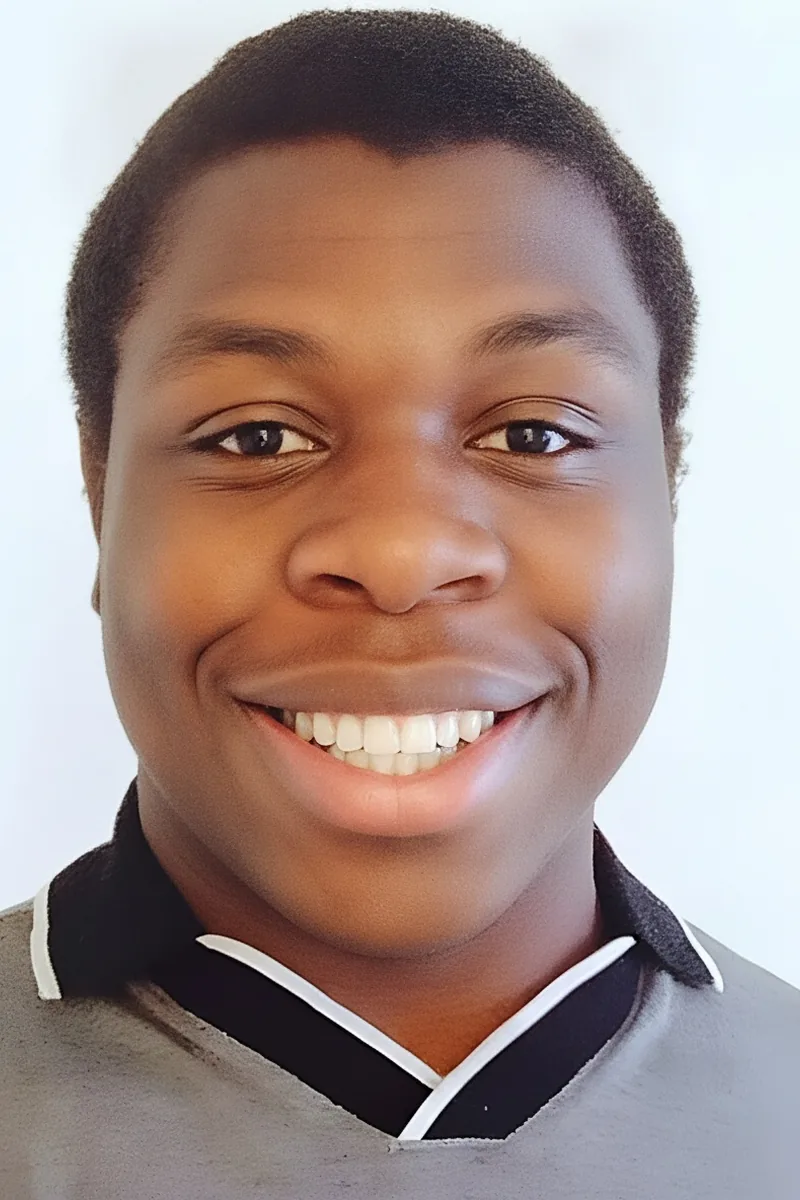
Holding a bachelor's degree in psychology, Niabari digs into the subject with real depth — whether that's distinguishing classical from operant conditioning, unpacking research methodology, or explaining the biological basis of memory. She connects textbook theories to recognizable, everyday examples that make concepts like cognitive dissonance or attachment styles genuinely stick.
Philosophy majors spend years dissecting how humans construct knowledge, justify beliefs, and reason through moral dilemmas — questions that sit at the foundation of psychological theories on cognition, moral development, and decision-making. Rachelle's Summa Cum Laude philosophy degree from Arizona State sharpened exactly that kind of analytical thinking, and her legal training adds a layer of rigor when it comes to evaluating research claims and constructing evidence-based arguments on psych assessments.
There's a big difference between memorizing Piaget's stages and actually understanding how developmental theory connects to research methods, abnormal behavior, and cognition. Robert is completing his M.S. in Psychology while running his own research projects and preparing publications, so he teaches the subject as a working scientist — not just from a textbook. He unpacks concepts like operant conditioning or statistical significance using real experimental examples from his own lab experience.
Law school trains you to read human behavior through a specific lens — evaluating testimony, understanding cognitive biases, and dissecting how people make decisions under pressure. Andrew applies that same analytical framework to psychology concepts like social influence, memory reliability, and behavioral motivation, drawing on his Tulane legal training and Northwestern economics background to make the discipline's research findings feel grounded and logical. Rated 4.9 by students.
Anthropology and psychology share deep roots — both interrogate how humans think, behave, and form social bonds. Amanda's graduate work in anthropology means she's comfortable unpacking concepts like cognitive development, social identity, and cross-cultural behavioral research with real ethnographic examples that make abstract theories concrete. Rated 4.9 by students.
Holding a bachelor's degree in psychology, Jacob digs into the subject with real fluency — from classical conditioning and Piaget's developmental stages to research methodology and statistical analysis. He connects abstract theories to concrete examples, which is especially useful for students tackling AP Psychology or introductory college courses. His 5.0 rating speaks to how well that approach lands.
Teaching high school social studies while pursuing a Master's in Education at Notre Dame means Bridget regularly explains how societies shape individual behavior — the exact thread that ties together psychology topics like conformity, obedience research, and attitude formation. Her secondary education training also gives her a practical toolkit for breaking down dense concepts like classical conditioning or memory models into clear, structured explanations that actually stick for exam prep.
Madeleine's life-science coursework — including anatomy, physiology, microbiology, and human development — gives her a concrete foundation for the biological and developmental chapters that trip up many psychology students. She's especially comfortable explaining research methodology and statistical analysis in psych studies, since that's essentially what her applied math training prepared her to do.
Lindsey studied psychology through the lens of a neuroscience degree at Trinity University, which means she can connect abstract psychological theories — classical conditioning, cognitive development, abnormal behavior classifications — to the underlying brain mechanisms that drive them. That dual perspective makes concepts like neurotransmitter function or the biological basis of memory click faster for students. She's rated 5.0 across her tutoring subjects.
Jared's background in Romance Languages and state-certified teaching trained him to decode how people communicate, interpret meaning, and process language — cognitive skills that map directly onto psychology's units on memory, perception, and linguistic development. He also brings strong analytical reading and writing chops to the discipline's research-heavy assessments, teaching students to dissect a study's methodology and craft clear, evidence-driven responses.
Currently pursuing a Master's in Psychology at NYU with an undergraduate degree in the same field, Chris lives and breathes this subject daily. He breaks down everything from classical conditioning and cognitive biases to research methodology and statistical analysis — the applied math minor means he's equally comfortable with the quantitative side of psych. Whether it's an intro course or AP Psychology, he knows which concepts trip students up and how to clarify them.
Hanna earned her bachelor's degree in psychology alongside her premed coursework, so she isn't just reviewing a textbook — she's teaching from a discipline she studied in depth. Whether the course covers classical conditioning, cognitive development, or research methods and statistical design, she connects psychological concepts to the biological mechanisms underlying them.
Angie is earning her B.S. in Psychology from Arizona State's Barrett Honors College, which means she's actively immersed in the material — from classical conditioning and cognitive development to research methods and statistical analysis. She breaks down dense concepts like neurotransmitter pathways or Piaget's stages by tying them to real-world examples students can actually remember.
Ekta's biomedical background gives her a concrete grip on the biological side of psychology — neural pathways, hormonal influences on behavior, the mechanics of sensation and perception. She unpacks these topics with real-world examples from her medical studies, then ties them back to the psychological theories students need to master.
I am a recent graduate of the University of Arizona, with a BS in Biology and minors in Mathematics and Biochemistry. I am currently working on computer coding and enjoy tutoring students, specializing in test preparation for the ACT, SAT, and GRE.
Cognitive Studies at Vanderbilt sits at the intersection of psychology, neuroscience, and philosophy of mind — so Vy doesn't just know introductory psych concepts like operant conditioning or the stages of memory, she understands the deeper frameworks they come from. She unpacks research methods and experimental design in ways that make the empirical side of psychology click, not just the vocabulary. Her 5.0 rating speaks to how well that approach lands with students.
Kerry holds both a B.A. in Psychology from Cornell and a master's in Professional Psychology from William James College, so she teaches this subject from genuine depth rather than textbook familiarity. She digs into the concepts students find trickiest — research methodology, statistical reasoning, the differences between classical and operant conditioning — with real-world examples from her own clinical and coaching experience. That practitioner perspective makes abstract theories concrete.
Neurobiology and psychology overlap more than most students expect — understanding concepts like neurotransmitter pathways, classical conditioning, or the biological basis of memory requires thinking across both fields. Katherine majored in Neurobiology and Behavior at Harvard, which means she can unpack the biological mechanisms behind psychological theories in a way that makes textbook concepts concrete. She scored in the 96th percentile on the MCAT, which itself tests psychological and social foundations extensively.
Understanding the difference between classical and operant conditioning sounds simple until an exam asks you to design an experiment using one of them. Ian digs into psychology's core theories and research methods with a scientist's precision, drawing on his premed training to make the biological and cognitive sides of the subject click. He holds a 5.0 rating from students.
An English major at Penn with a minor in art history, Amy approaches psychology's reading-heavy coursework — interpreting research studies, parsing theoretical arguments, building structured essay responses — with the same close-reading instincts she applies to literature. She's particularly effective at teaching students how to break down the language of psychological studies and translate dense findings into clear, well-organized written analysis.
Julie's neuroscience degree gives her a biological grounding that makes topics like memory formation, neural plasticity, and the mechanisms behind psychological disorders feel concrete rather than abstract. She connects the major theoretical frameworks — behavioral, cognitive, psychodynamic — to the underlying brain science, which tends to make the material stick. Rated 5.0 by students.
Esther's PPE coursework at Penn covers the empirical and philosophical sides of human behavior, giving her a grounding in psychological concepts like cognitive biases, decision-making theory, and social influence. She connects these ideas to real-world examples — from advertising to courtroom behavior — so that textbook definitions actually stick.
Studying Human and Organizational Development at Vanderbilt means Zac lives in the overlap between psychology and real-world behavior — motivation theory, group dynamics, cognitive biases. He breaks down concepts like operant conditioning or Piaget's stages by connecting them to everyday situations students already recognize, making retention far more natural than rote flashcard review.
Between his neuroscience degrees and his current graduate work in bioethics, David has spent years studying the biological and social underpinnings of human behavior. He unpacks concepts like classical conditioning, cognitive development, and research methodology by connecting them to the brain science behind them — making the material click rather than just feel like vocabulary lists.
Understanding psychology means seeing how concepts like classical conditioning, cognitive dissonance, and the biopsychosocial model actually explain everyday behavior. Nik's science training — a biology degree plus doctoral-level coursework — gives him particular strength in the biological and research methods sides of psychology that many tutors gloss over. He unpacks study designs and statistical reasoning so students can think like researchers, not just memorize vocabulary.
Frances earned her bachelor's degree in psychology from Duke, which means she isn't just teaching vocabulary terms like "classical conditioning" or "cognitive dissonance" — she studied the research methods, statistical reasoning, and theoretical frameworks behind them. She connects textbook concepts to real experimental designs so students understand not just what psychologists found, but how they found it and why it matters.
Having earned a degree in psychology alongside her communication studies work, Paula brings direct coursework experience to concepts like learning theory, social cognition, and research methodology — not just a passing familiarity. Her communication background adds a practical layer when tackling topics like persuasion, attitude formation, and group dynamics, since she's studied how those psychological principles play out in real messaging and media contexts. Rated 4.8 by students.
Testimonials
Because the right Psychology tutor makes all the difference.
Average Session Rating – Based on 3.4M Learner Ratings
Other Avondale Tutors
Related Social Sciences Tutors in Avondale
Frequently Asked Questions
Varsity Tutors matches Avondale students with expert Psychology tutors for 1-on-1 instruction. We pair each student with a tutor based on their specific needs, learning style, and goals.
Whether you need homework help, exam prep, or want to get ahead, our Psychology tutors are ready to help.
Common challenges include gaps from earlier material, difficulty with specific concepts, and trouble applying learning to new problems. These issues can snowball quickly in Psychology.
A tutor identifies where you're stuck, fills in gaps, and provides targeted practice. The 1-on-1 format means you get help exactly where you need it.
Tutors work with your student's actual coursework—homework assignments, class notes, and upcoming tests. This keeps tutoring directly relevant to what's happening in the classroom.
When you share information about your student's school and curriculum, we can match you with a tutor who has relevant experience.
All tutors complete background checks, credential verification, and teaching evaluation. Many of our Psychology tutors hold advanced degrees or have years of teaching experience.
You can review tutor profiles to find someone with the right background for your student's level and needs.
Many students see improved grades within a few weeks, along with better understanding of Psychology concepts and more confidence tackling challenging material.
Tutors track progress and adjust their approach to ensure continued improvement.
Most students benefit from 1-2 sessions per week. More frequent sessions help if your student is significantly behind or has an important exam coming up.
Your tutor can recommend a schedule based on your student's specific situation and goals.
Tutoring is purchased in packages of hours, with rates varying by tutor experience. Varsity Tutors offers several options to fit different budgets and needs.
You can discuss pricing during your consultation to find what works best.
Your tutor will assess where your student is, discuss goals, and start working on priority areas. Most students bring current homework or upcoming test material to focus on.
By the end, you'll have a clear sense of how the tutor can help and a plan for moving forward.
Let’s find your perfect tutor
Answer a few quick questions. We’ll recommend the right plan and match you with a top 5% tutor.