Award-Winning Reading Tutors
serving Lincoln, NE
Reading
Tutors in Lincoln
Private 1-on-1 tutoring, weekly live classes for academic support, test prep & enrichment, practice tests and diagnostics, and more to elevate grades and test scores.
Based on 3.4M Learner Ratings
UniversitiesSchools & Universities
DeliveredHours Delivered
ProficiencyGrowth in Proficiency
Who needs tutoring?
No obligation. Takes ~1 minute.
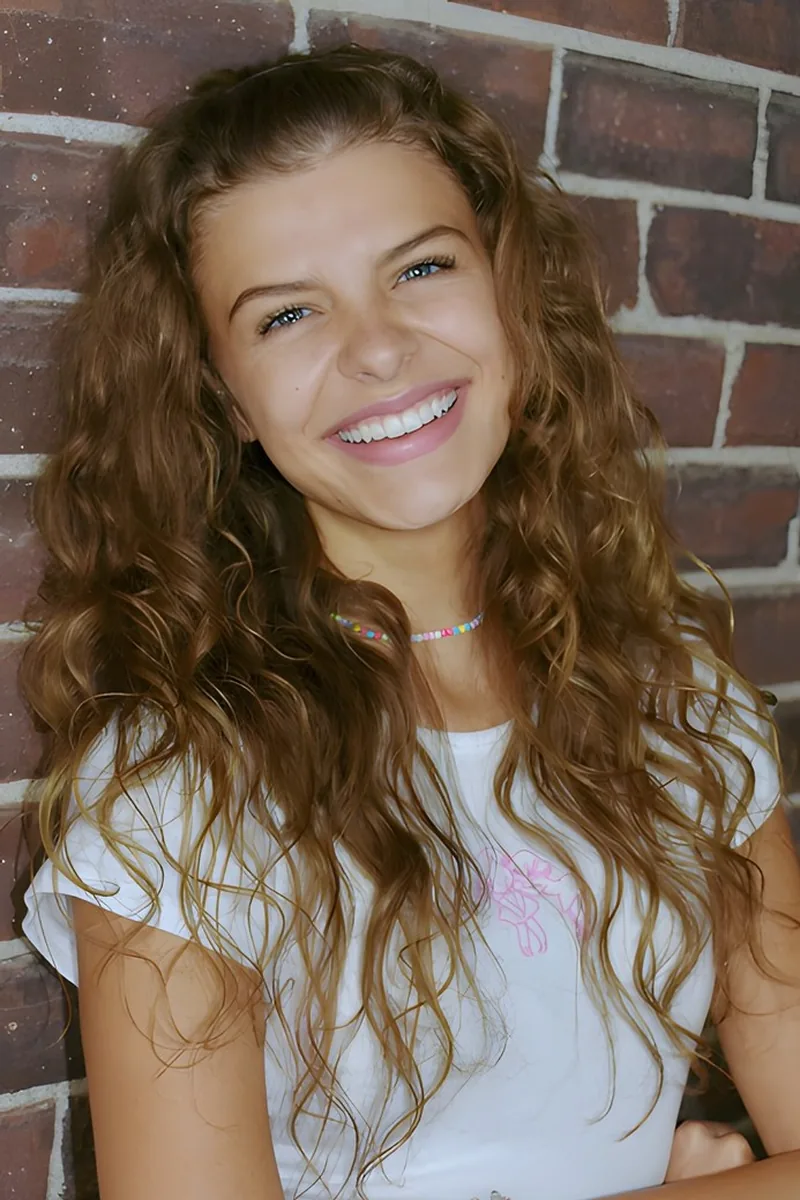
I'm a Music Industry major at the University of Southern California (USC) in Los Angeles with minors in Songwriting and Theatre. I am a National Merit Scholar, which is based on my standardized test scores, involvement in extracurriculars, and volunteer work. I have experience tutoring in a variety of subjects as part of National Honor Society. Since I recently scored highly on the ACT and PSAT, I have confidence in my ability to help students make advancements in their standardized test scores. I'm also passionate about music theory and have recently excelled in an upper-level music theory class in the USC Thornton School of Music. In my spare time I love playing guitar, songwriting, acting in theatre productions, biking, and studying at coffee shops. I will ensure a learning experience that is enjoyable and productive!
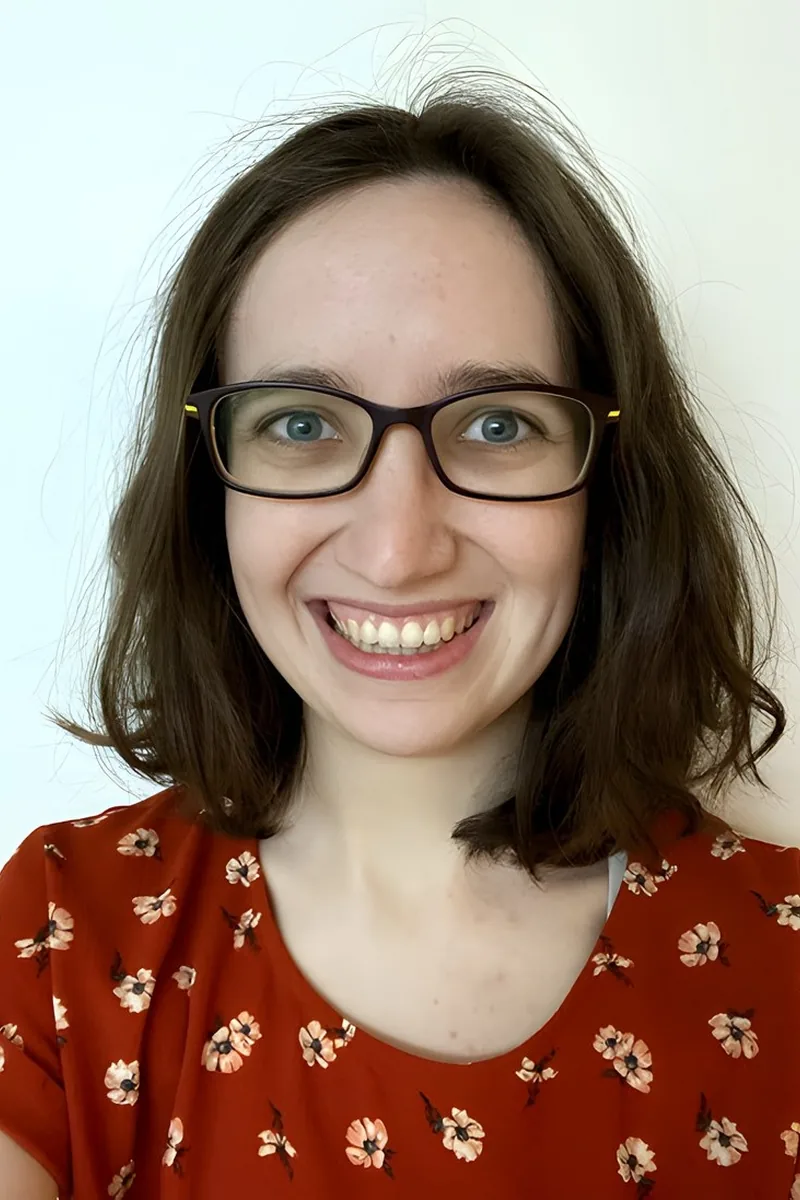
I am a senior English major with minors in Religion and Comparative Literature. At college, I am co-president of a book club, and I work as a Writing Tutor for a general education curriculum. My enthusiasm for literature, editing, and writing help me in those positions.
I am incredibly excited to dedicate myself to helping students amidst one of the greatest public health crises of our time. I have worked with students at both ends of the academic spectrum on not only traditional classroom subjects but also in a 'future preparation and planning' context. I am passionate about finding the best way for a student to learn and often times that encourages me to get outside of my comfort zone and re-imagine the problems in a way my student can best understand them. I am patient, outgoing, a fast learner and am excited to be a resource for you and/or your student!
I am currently studying chemical engineering at the University of Michigan. I have always helped out my fellow students with schoolwork, and I have tutored in the National Honor Society for three years. My tutoring strengths include my abilities to stay calm, be patient, and offer different perspectives on the learning process. I do not just help my students learn the material, but I also teach them how to learn it. I tutor math and test prep courses. Outside of school and tutoring, I play the piano. I have played classical piano for 13 years and jazz piano for 7.
I am my strongest and best self when helping others. As an enthusiastic, passionate, and dependable teacher, I am consistently working to share and engage with the material I love.
I am friendly, professional and a highly trained teacher. My ultimate passion is teaching, I find the position personally satisfying and motivating.
I am also a teaching assistant for one of the psychology professors, and I help students in introduction to psychology learn concepts and prep for exams.
Struggling readers often aren't lacking intelligence — they're missing a strategy for pulling meaning from dense or unfamiliar texts. Meghan teaches active reading techniques like annotation, context-clue vocabulary building, and identifying an author's argument before getting lost in details. Her PhD work in American Literature at UConn means she's spent thousands of hours doing exactly this kind of close, purposeful reading.
Strong reading comprehension isn't just decoding words — it's learning to track an author's argument, distinguish main claims from supporting details, and make inferences from context. Chloe's linguistics minor trained her to analyze how language works at a structural level, which she translates into practical strategies for annotating, summarizing, and engaging with complex texts.
A Yale history of science degree means Christopher spent four years reading primary sources where every word choice carries weight — 18th-century medical treatises, dense scientific correspondence, arguments built in language that doesn't hand you its meaning easily. That training in careful, deliberate reading now shapes how he teaches comprehension: breaking a passage into its moving parts, identifying what the author is actually claiming, and building the habit of re-reading with a specific question in mind rather than scanning for surface-level answers.
Strong readers don't just decode words — they identify an author's argument, evaluate evidence, and make inferences across paragraphs. Reid approaches reading comprehension as a teachable skill set, breaking down strategies for annotating, summarizing, and distinguishing main ideas from supporting details. His experience spans middle school through college-level texts.
Years of working across French, Spanish, and English literary traditions as a comparative literature major trained Sash to read slowly and strategically — pulling apart syntax, identifying an author's rhetorical moves, and distinguishing main arguments from supporting detail. For students who rush through passages or struggle with comprehension on timed assignments, Sash teaches specific annotation and active-reading techniques that build real retention.
Engineering textbooks and MBA case studies don't forgive sloppy reading — Caroline learned to extract the core argument from dense, technical material at WashU and MIT Sloan, where missing a single qualifier in a problem set or case brief could derail an entire analysis. She teaches that same disciplined approach: how to identify what a passage is actually saying, separate key claims from supporting detail, and re-read strategically instead of just pushing forward. Rated 5.0 by students.
A background in cognitive science means Sugi understands how the brain processes text — why some students lose track of an author's argument mid-paragraph, and what strategies actually improve comprehension and retention. She teaches concrete techniques like annotation mapping and active questioning that turn passive reading into engaged analysis. Her perfect ACT score confirms she practices what she teaches.
Strong reading comprehension isn't about speed — it's about knowing how to identify a passage's main claim, track how evidence supports it, and distinguish between what the author says and what the author implies. Michelle teaches these active-reading strategies explicitly, building the kind of annotation habits that transfer to standardized tests, textbooks, and independent reading alike.
Strong reading is really about knowing what to do when a passage doesn't make sense on the first try. Jamie teaches specific strategies — annotation techniques, context-clue reasoning, and how to distinguish an author's argument from the examples supporting it — that turn passive reading into active comprehension. His 1600 SAT reflects the kind of close-reading skill he brings to every session.
Philosophy training at the undergraduate level taught Nicolas to read like a lawyer before he ever got to Columbia Law — picking apart an author's premises, spotting where an argument leans on assumption instead of evidence, and reconstructing the logic of a passage from the inside out. He brings that analytical reading habit to students who need to move past surface-level comprehension and start engaging with what a text is actually doing. His 35 ACT and 1530 SAT reflect how well that approach translates to timed, high-stakes reading.
Narrative Medicine — Camille's graduate focus at Columbia — is essentially the study of how reading shapes understanding, training clinicians to pick up on structure, voice, and meaning in everything from patient histories to literary essays. That interdisciplinary lens, layered on top of an African and African American Studies degree from Duke, means she teaches reading as an act of interpretation: identifying what an author emphasizes, what they leave out, and how the two work together to build meaning. Rated 5.0 by students.
Strong reading comprehension isn't just about understanding vocabulary — it's about tracking an author's argument, recognizing tone shifts, and distinguishing main ideas from supporting details. Tom, who scored a 1520 on the SAT, applies the same close-reading techniques from his literary training to help students decode everything from standardized test passages to dense nonfiction.
Testimonials
Because the right Reading tutor makes all the difference.
Average Session Rating – Based on 3.4M Learner Ratings
Nearby Reading Tutors
Other Lincoln Tutors
Related English Tutors in Lincoln
Frequently Asked Questions
Varsity Tutors matches Lincoln students with expert Reading tutors for 1-on-1 instruction. We pair each student with a tutor based on their specific needs, learning style, and goals.
Whether you need homework help, exam prep, or want to get ahead, our Reading tutors are ready to help.
Common challenges include gaps from earlier material, difficulty with specific concepts, and trouble applying learning to new problems. These issues can snowball quickly in Reading.
A tutor identifies where you're stuck, fills in gaps, and provides targeted practice. The 1-on-1 format means you get help exactly where you need it.
Tutors work with your student's actual coursework—homework assignments, class notes, and upcoming tests. This keeps tutoring directly relevant to what's happening in the classroom.
When you share information about your student's school and curriculum, we can match you with a tutor who has relevant experience.
All tutors complete background checks, credential verification, and teaching evaluation. Many of our Reading tutors hold advanced degrees or have years of teaching experience.
You can review tutor profiles to find someone with the right background for your student's level and needs.
Many students see improved grades within a few weeks, along with better understanding of Reading concepts and more confidence tackling challenging material.
Tutors track progress and adjust their approach to ensure continued improvement.
Most students benefit from 1-2 sessions per week. More frequent sessions help if your student is significantly behind or has an important exam coming up.
Your tutor can recommend a schedule based on your student's specific situation and goals.
Tutoring is purchased in packages of hours, with rates varying by tutor experience. Varsity Tutors offers several options to fit different budgets and needs.
You can discuss pricing during your consultation to find what works best.
Your tutor will assess where your student is, discuss goals, and start working on priority areas. Most students bring current homework or upcoming test material to focus on.
By the end, you'll have a clear sense of how the tutor can help and a plan for moving forward.
Let’s find your perfect tutor
Answer a few quick questions. We’ll recommend the right plan and match you with a top 5% tutor.