Award-Winning Psychology Tutors
serving Canton, OH
Psychology
Tutors in Canton
Private 1-on-1 tutoring, weekly live classes for academic support, test prep & enrichment, practice tests and diagnostics, and more to elevate grades and test scores.
Based on 3.4M Learner Ratings
UniversitiesSchools & Universities
DeliveredHours Delivered
ProficiencyGrowth in Proficiency
Who needs tutoring?
No obligation. Takes ~1 minute.

An English major at Penn with a minor in art history, Amy approaches psychology's reading-heavy coursework — interpreting research studies, parsing theoretical arguments, building structured essay responses — with the same close-reading instincts she applies to literature. She's particularly effective at teaching students how to break down the language of psychological studies and translate dense findings into clear, well-organized written analysis.
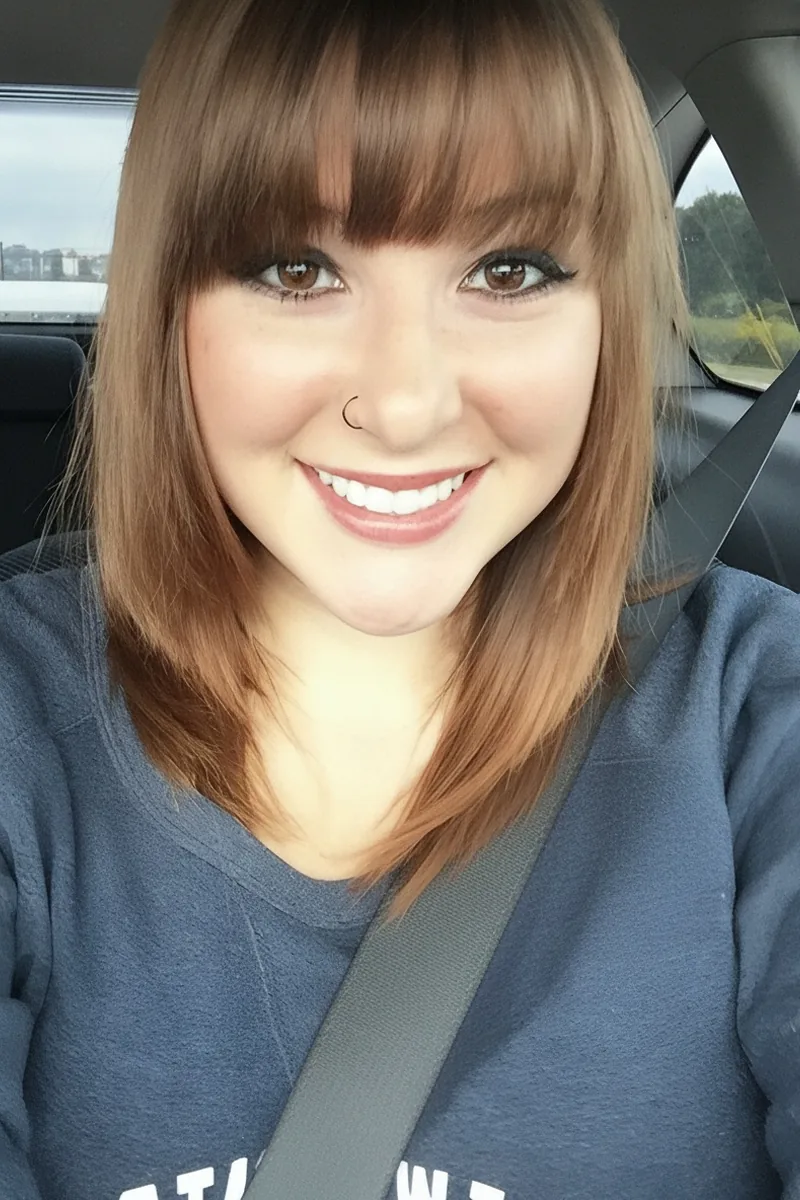
I am an upbeat and patient tutor. I like to make learning as fun as possible, and I'm constantly learning new things.
Amanda earned her B.A. in Psychology from Kent State, so she brings genuine depth to topics like developmental theory, research methods, and the biological bases of behavior. She approaches the subject as both a former psych major who loved the content and a trained educator who knows how to make dense concepts — classical conditioning, cognitive biases, abnormal psych classifications — actually stick.
Few tutors know psychology from both the textbook side and the lab bench. Josh earned his B.S. in Behavioral Neuroscience and went on to pursue a PhD in Neuroscience at Ohio State, so he can explain concepts like classical conditioning, cognitive development, or synaptic plasticity with the kind of mechanistic depth that makes them stick. Whether a student is tackling AP Psych or an introductory college course, he connects psychological theories to their biological underpinnings.
Studying psychology alongside neuroscience and medical coursework gives Sanjul a layered understanding of how biological mechanisms map onto psychological concepts — from neurotransmitter pathways in mood disorders to the social determinants that shape behavior. He breaks down theories by connecting them to real clinical examples that make abstract frameworks concrete. Rated 5.0 by students.
A neuroscience degree is essentially half psychology — Catherine studied the biological underpinnings of behavior, cognition, and mental health at Ohio State before entering medical school. She unpacks concepts like classical conditioning, neural plasticity, and abnormal psych with real clinical context that makes textbook definitions click. Now a medical student, she brings current knowledge of brain-behavior relationships that goes well beyond an introductory psych course.
William earned his B.S. in Psychology with plans to pursue a PhD in Neuropsychology, so he's deeply familiar with the discipline from introductory concepts like classical conditioning through upper-level material on brain-behavior relationships. He unpacks research design, psychological disorders, and cognitive theory in ways that connect textbook definitions to real clinical and experimental contexts.
Because exercise science sits at the intersection of biology and behavioral science, Nikolas covered core psychology topics — learning theory, motivation, stress response, and neuropsychology — as part of his Ohio State coursework. He explains concepts like classical conditioning or the biopsychosocial model by tying them to real physiological processes, which makes the material stick for students preparing for AP Psych or introductory college courses.
Susie minored in psychology at Swarthmore, giving her grounding in everything from classical conditioning and cognitive development to research methodology and statistical design. She connects psychological concepts to their biological underpinnings — neurotransmitter pathways, brain structures, hormonal regulation — which makes the material stick for students preparing for AP exams or introductory college courses.
The trickiest part of introductory psychology isn't memorizing Pavlov's dogs — it's distinguishing between concepts that sound alike, like negative reinforcement versus punishment, or correlation versus causation. Anna breaks down these distinctions with real-world examples and teaches students to think like researchers evaluating experimental design. Her interdisciplinary background across anthropology and psychology gives her a wide frame for connecting theories to human behavior.
Studying psychology herself at the college level, Lauren knows firsthand which concepts trip students up — from classical vs. operant conditioning to the nuances of research methodology and experimental design. She unpacks dense textbook language into concrete examples, connecting theories like Piaget's developmental stages or the biopsychosocial model to real scenarios students can actually remember.
Preparing for medical school gave Nathan deep exposure to psychology's biological underpinnings — neurotransmitter pathways, the stress response, and how brain structure connects to behavior. He breaks down concepts like classical conditioning, cognitive development, and psychological disorders by tying them back to the biology that makes them click.
I am a seasoned educator with over 14 years of teaching experience. I currently am a middle school principal but have taught grades 3-college. I am no stranger to Common Core and can help students master material with tried and true strategies!
Anna is pursuing a psychology minor at Case Western Reserve alongside her biology degree, so she's actively immersed in topics like cognition, behavioral theory, and research methods. That dual science background lets her explain the biological underpinnings behind psychological concepts — connecting neurotransmitter pathways to mood disorders, or linking brain anatomy to memory formation — in a way that makes the material click.
I'm looking forward to helping your student find personal success in their academic lives!
I am currently a P1 pharmacy student. I have had numerous opportunities to tutor students of various ages primarily in subjects that pertain to my program of study, especially chemistry. Throughout my years of study, I have come to the realization that only after meticulous examination of all the possible scenarios and exceptions of a particular phenomenon can we recognize patterns that may have facilitated our initial attempt to understand it in the first place. As a tutor, I hope to serve as a guide that aids students in discerning such patterns and integrating concepts to achieve a thorough and holistic understanding of the subject being studied. Besides tutoring, I enjoy playing the piano and cello, biking, and reading.
I am currently in my second year of medical school. Because of my diverse academic background, I am able to tutor in a wide range of topics, from Economics and math to Russian and ACT prep.
I am studying Spanish in Mexico after two years teaching English in Guadeloupe, France to sharpen my foreign language skills and ESL teaching capabilities in preparation for multilingual and multicultural educational spaces. Upon my return to the United States, I will pursue my teaching license in secondary history. Thus, I am passionate about teaching History, English, and French. I also excel at teaching and academic writing. In addition to my experience guiding students in traditional classrooms, I have taught yoga for the past two years. This has involved planning classes for large groups in addition to providing personal assists to students throughout their practice. With my experience teaching others in both the traditional academic classroom and the nontraditional yoga classroom, I have learned there is no better way to assist others in their growth than meeting individuals exactly where they are. As a result, my teaching and tutoring styles are designed to capitalize upon what students already know so that they may build upon said knowledge and achieve more. Further, my teaching and tutoring are based on our humanity as people and thus there is plenty of conversation, inquiry, and room for mistakes. I believe education is an opportunity for creating possibilities, and as such I couldn't be more grateful to help others imagine their future possibilities.
Studying molecular biology means Annabel already thinks in terms of experimental design, variables, and evidence — the same framework that drives psychology as a science. She explains concepts like classical conditioning, cognitive development stages, and research methodology by connecting them to the biological systems that underlie behavior.
Four years of psychology research give Katrina a working fluency with the discipline that most tutors can't match — she doesn't just explain concepts like operant conditioning or cognitive dissonance, she can walk through the actual studies behind them. Her UChicago graduate work in social sciences means she also tackles research methods and statistical interpretation, the areas where psych students tend to struggle most.
Margaret holds a bachelor's degree in psychology and is currently pursuing a Master's in Medical Science at Boston University, which means she understands the subject from both the research and clinical sides. She digs into core concepts like classical conditioning, cognitive development theories, and experimental design methodology — the topics that anchor most introductory and AP psychology exams.
Understanding the difference between classical and operant conditioning sounds simple until an exam asks you to design an experiment using one of them. Ian digs into psychology's core theories and research methods with a scientist's precision, drawing on his premed training to make the biological and cognitive sides of the subject click. He holds a 5.0 rating from students.
As a sociology and anthropology major studying medicine, health, and society, Lisa lives at the intersection of the social and behavioral sciences that psychology draws from. She digs into concepts like classical conditioning, cognitive development, and social influence by linking them to real-world examples students can actually remember. For AP Psych or introductory college courses, she's especially effective at teaching students to distinguish between similar-sounding theories — Piaget vs. Vygotsky, for instance — without just relying on flashcards.
Neuroscience and psychology share a deep root system — synaptic transmission, neural plasticity, and the biological basis of behavior all live at the intersection of Matt's undergraduate training. He unpacks concepts like classical conditioning, cognitive development, and abnormal psych by connecting them to the underlying brain science, which makes abstract theories far more concrete.
History courses train you to analyze why people and societies behave the way they do — a skill that transfers directly to psychology's emphasis on motivation, obedience research, and social identity. Ava's history degree and education minor mean she approaches psych concepts like a teacher who's spent years making sense of human behavior through primary sources and competing narratives. She's particularly effective at helping students structure the kind of evidence-based written responses that psychology assessments demand.
Editing for multiple newspapers taught Molly how to read people's arguments critically and spot where reasoning breaks down — skills that transfer directly to evaluating psychological studies, interpreting research methods, and writing the kind of structured responses psych courses require. Her communication studies background also gives her a practical handle on topics like persuasion, attitude formation, and media influence, which are staples of social psychology units.
Medical training at the doctoral level means Jessica spent years learning how psychological concepts like stress response, behavioral conditioning, and cognitive development actually manifest in patients — not just in textbook diagrams. She connects that clinical perspective to the research methods and theoretical frameworks that psychology courses test on, making topics like abnormal behavior and biological bases of behavior click faster. Rated 4.8 by students.
Between his neuroscience degrees and his current graduate work in bioethics, David has spent years studying the biological and social underpinnings of human behavior. He unpacks concepts like classical conditioning, cognitive development, and research methodology by connecting them to the brain science behind them — making the material click rather than just feel like vocabulary lists.
Understanding psychology means seeing how concepts like classical conditioning, cognitive dissonance, and the biopsychosocial model actually explain everyday behavior. Nik's science training — a biology degree plus doctoral-level coursework — gives him particular strength in the biological and research methods sides of psychology that many tutors gloss over. He unpacks study designs and statistical reasoning so students can think like researchers, not just memorize vocabulary.
Having majored in psychology at Rice and continued into graduate research at UPenn, Jessi digs into the subject from both sides — the theoretical frameworks like cognitive-behavioral models and the nuts-and-bolts methodology of designing experiments and interpreting statistical results. She's especially effective at connecting abstract concepts like operant conditioning or schema theory to concrete, memorable examples.
Testimonials
Because the right Psychology tutor makes all the difference.
Average Session Rating – Based on 3.4M Learner Ratings
Other Canton Tutors
Related Social Sciences Tutors in Canton
Frequently Asked Questions
Varsity Tutors matches Canton students with expert Psychology tutors for 1-on-1 instruction. We pair each student with a tutor based on their specific needs, learning style, and goals.
Whether you need homework help, exam prep, or want to get ahead, our Psychology tutors are ready to help.
Common challenges include gaps from earlier material, difficulty with specific concepts, and trouble applying learning to new problems. These issues can snowball quickly in Psychology.
A tutor identifies where you're stuck, fills in gaps, and provides targeted practice. The 1-on-1 format means you get help exactly where you need it.
Tutors work with your student's actual coursework—homework assignments, class notes, and upcoming tests. This keeps tutoring directly relevant to what's happening in the classroom.
When you share information about your student's school and curriculum, we can match you with a tutor who has relevant experience.
All tutors complete background checks, credential verification, and teaching evaluation. Many of our Psychology tutors hold advanced degrees or have years of teaching experience.
You can review tutor profiles to find someone with the right background for your student's level and needs.
Many students see improved grades within a few weeks, along with better understanding of Psychology concepts and more confidence tackling challenging material.
Tutors track progress and adjust their approach to ensure continued improvement.
Most students benefit from 1-2 sessions per week. More frequent sessions help if your student is significantly behind or has an important exam coming up.
Your tutor can recommend a schedule based on your student's specific situation and goals.
Tutoring is purchased in packages of hours, with rates varying by tutor experience. Varsity Tutors offers several options to fit different budgets and needs.
You can discuss pricing during your consultation to find what works best.
Your tutor will assess where your student is, discuss goals, and start working on priority areas. Most students bring current homework or upcoming test material to focus on.
By the end, you'll have a clear sense of how the tutor can help and a plan for moving forward.
Let’s find your perfect tutor
Answer a few quick questions. We’ll recommend the right plan and match you with a top 5% tutor.