Award-Winning Phonics Tutors
serving Peoria, IL
Phonics
Tutors in Peoria
Private 1-on-1 tutoring, weekly live classes for academic support, test prep & enrichment, practice tests and diagnostics, and more to elevate grades and test scores.
Based on 3.4M Learner Ratings
UniversitiesSchools & Universities
DeliveredHours Delivered
ProficiencyGrowth in Proficiency
Who needs tutoring?
No obligation. Takes ~1 minute.
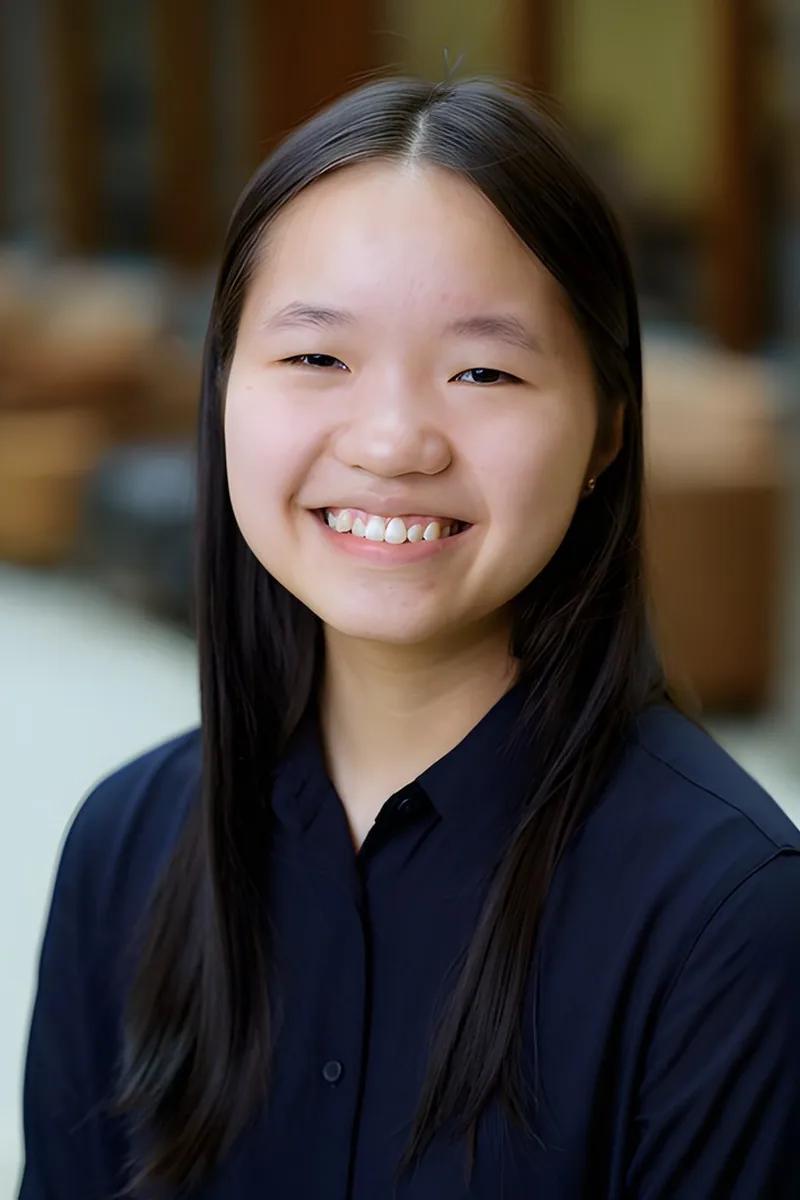
Early readers need to hear and feel the patterns in language before decoding makes sense — blending consonant clusters, distinguishing long and short vowel sounds, recognizing common sight words. Ingrid brings patience and structured repetition to phonics instruction, using multisensory techniques that build reading confidence one sound at a time.
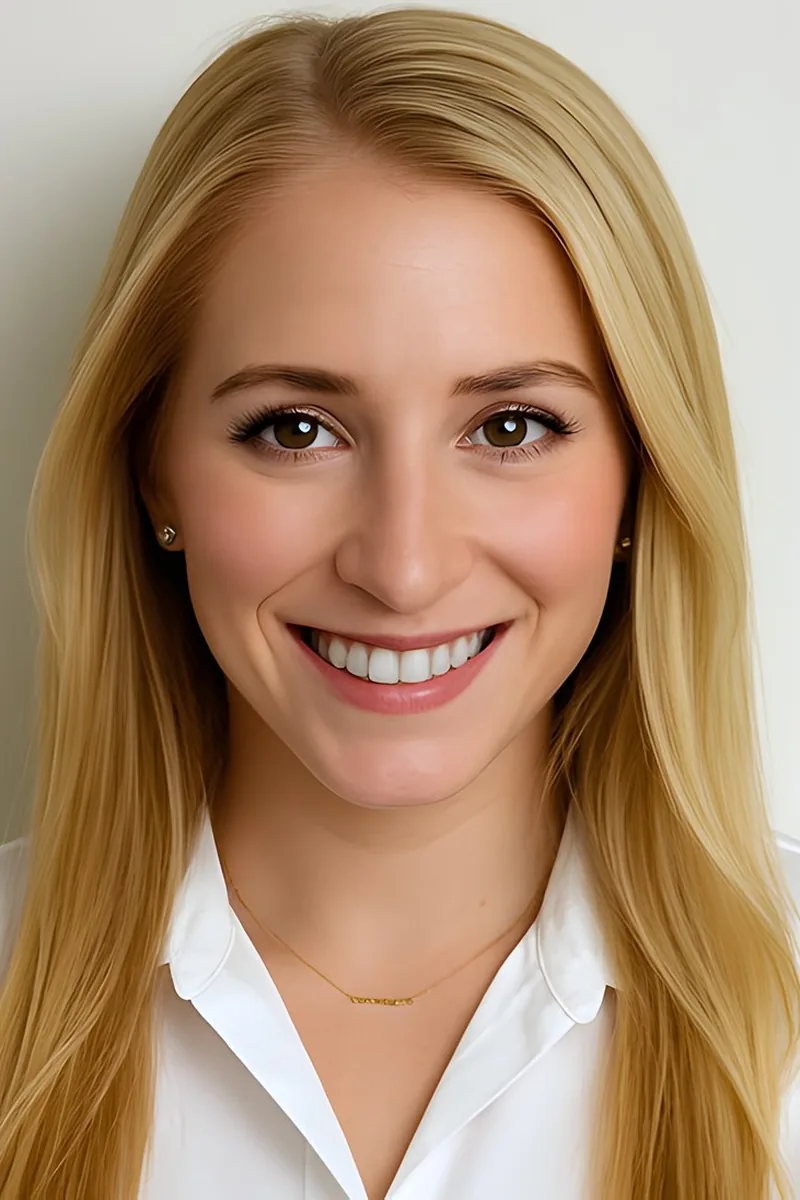
Early readers need someone who understands exactly where decoding breaks down — whether it's blending consonant clusters, distinguishing long and short vowel patterns, or tackling tricky digraphs like 'ough.' Molly has spent three years teaching 2nd through 4th graders in the classroom, including reading intervention, so she recognizes which phonics gaps are holding a child back and addresses them systematically.
Reading and writing have been lifelong passions for Sarah, and she brings that enthusiasm to phonics instruction — breaking down letter-sound relationships, blending patterns, and vowel teams so young readers can decode new words independently. Her experience mentoring students one-on-one means she adapts quickly to each learner's pace, whether they're tackling digraphs or working through multisyllabic words.
Early readers need someone who can make letter-sound relationships feel intuitive, not overwhelming. Grace teaches phonics by breaking words into manageable chunks — blends, digraphs, long and short vowel patterns — and uses repetition and encouragement to build the kind of decoding confidence that carries into independent reading.
Twenty years of teaching ESL and elementary readers gave Christina a deep catalog of what trips kids up when they're learning to decode — the silent letters, the vowel combinations that don't follow the "rules," the moment a child starts guessing instead of sounding out. Her K-6 certification and ESL training mean she can teach letter-sound relationships to native English speakers and multilingual learners alike, adjusting how she introduces blends and digraphs based on which sounds a child already owns.
Early readers need someone who can make the connection between letters and sounds feel intuitive, not mechanical. Kheya breaks phonics into manageable pieces — blending consonant clusters, recognizing long and short vowel patterns, decoding multi-syllable words — and reinforces each skill with plenty of repetition and encouragement. Her experience reading with third graders gives her a natural sense of pacing for young learners.
Years of teaching ESL and TOEFL pronunciation gave Brenda a finely tuned sense of where English sound-spelling connections break down — the same skill that makes phonics instruction effective for beginning readers. She breaks syllable patterns and consonant blends into small, repeatable steps, building in movement and short resets to keep young learners focused before frustration sets in.
Early readers need to hear the connection between letters and sounds repeated in varied, engaging ways before it becomes second nature. Carlie uses a patient, repetition-based approach to blending, segmenting, and sight-word recognition that builds confidence one phoneme at a time.
Early readers need someone who can hear exactly where a decoding breakdown happens — whether it's a tricky vowel team, a consonant blend, or a sight word that won't stick. Alexandra's elementary education training at Washington University included systematic phonics instruction methods, and her tutoring in St. Louis classrooms gave her real practice diagnosing and correcting reading errors on the spot. She makes blending and segmenting feel like a game rather than a chore.
Learning to read starts with cracking the code — connecting letter combinations to the sounds they make, blending consonant clusters, and recognizing vowel patterns like silent-e and vowel teams. Brendan's Master's in Special Education means he's trained in structured, multisensory approaches to decoding that work especially well for early or struggling readers.
Teaching phonics well requires knowing exactly where a child's decoding breaks down, and Caroline built that diagnostic instinct during her time as a K-3 reading intervention teacher. She walks young readers through letter-sound relationships, blending, and segmenting with patience and repetition — adjusting her approach based on how each child processes new sounds.
Harrison's creative writing background might not scream phonics, but his BFA training in dramatic writing at NYU drilled him on how language sounds when spoken aloud — rhythm, stress, the way syllables break apart and recombine — which gives him an intuitive ear for teaching letter-sound relationships to early readers. He brings that storytelling instinct into decoding practice, turning blending exercises into mini word-building games that keep young learners engaged. Rated 5.0 by clients.
Early reading clicks when a child can hear the connection between letters and sounds, and Vianna makes that connection physical — blending drills, segmenting games, and word-family patterns that build decoding skills step by step. Her experience across elementary reading and adult literacy gives her a wide toolkit for learners at different starting points.
A PhD in linguistics means Lewis doesn't just teach letter-sound correspondences — he understands the phonological system underneath them, including why English vowel spelling is so inconsistent and which patterns are actually predictable once you know the history. That academic depth, combined with teaching linguistics at the university level, lets him explain digraphs, diphthongs, and silent letters in ways that make the rules feel logical to young readers instead of arbitrary.
Her background in bilingual education makes Adrianne especially attuned to how young readers decode language — blending consonant clusters, distinguishing vowel sounds, and connecting letter patterns to meaning. She breaks phonemic awareness into small, concrete steps so emerging readers build confidence with each new sound.
Decoding words is the skill everything else in reading depends on, and Brigette has taught phonics using the Wilson Reading Program — a structured, multisensory method designed for students who need explicit instruction in sound-letter relationships. Her Learning and Behavior Specialist credential means she's trained to identify exactly where a child's phonemic awareness breaks down, whether it's blending, segmenting, or recognizing vowel patterns.
Learning to read starts with cracking the code — connecting letter combinations to the sounds they make, from short vowels and consonant blends to trickier digraphs like 'ph' and 'igh.' Ryan breaks phonics patterns into small, repeatable steps so young readers can sound out new words independently rather than guessing from pictures or context.
Early readers need someone patient enough to sit with the difference between a short vowel and a long vowel until it truly clicks. Charles brings a structured, step-by-step approach to phonics — blending, segmenting, and decoding — that turns letter-sound relationships into something predictable rather than overwhelming.
Early readers need to hear the connection between letters and sounds before they can decode words on their own, and Karen takes a patient, multi-sensory approach to phonics instruction — blending letter recognition, segmenting, and rhyming exercises into sessions that keep young learners engaged. Her 5.0 rating speaks to how well she connects with younger students and their families.
Early readers need someone patient enough to sit with the mechanics of how letters map to sounds — blending consonant clusters, recognizing vowel teams, decoding unfamiliar words syllable by syllable. As a homeschooling parent, Catherine has taught phonics from the ground up and understands the pacing young learners need to build genuine reading confidence.
Amy's accounting training at Purdue built a habit of breaking complex systems into precise, repeatable steps — a skill that transfers directly to teaching kids how to decode words by segmenting sounds and matching them to letter patterns. Her background in reading and adult literacy means she understands how learners at different stages internalize letter-sound connections, and she structures phonics practice around that progression.
As a special education teacher, Blakeley has extensive experience teaching phonics to learners who need more than the standard classroom approach. She breaks down letter-sound relationships, blending, and decoding systematically — adjusting pace and method based on how each child processes sounds, so early readers build genuine fluency instead of just guessing from context.
Rachel's secondary education certification and experience teaching reading across elementary and middle school levels means she understands the full arc of how decoding skills develop — from early letter-sound mapping through the more complex spelling patterns that trip up older struggling readers. She brings a structured, patient approach to blending and segmenting, drawing on her broad literacy background to connect phonics work to the grammar and writing skills students will need next.
Pursuing his MAT in Elementary Education at Northeastern Illinois, Jonathan is building his phonics instruction around the developmental reading frameworks he's studying right now — sequencing letter-sound pairs, blending, and vowel patterns in the order young readers actually need them. His Communication Arts background adds a layer of understanding about how language works structurally, which sharpens the way he explains why certain spelling rules behave the way they do.
I am a ballet dancer with Ballet 5:8 in the Chicago suburbs.
Michele's ESL/ELL background means she's spent years teaching adults and older learners how English sounds actually map to spelling — the same foundational decoding work that phonics instruction requires for younger readers, just reframed for a different audience. Her psychology degree informs how she sequences letter-sound practice, building from simple consonant-vowel pairs to trickier patterns like silent letters and vowel teams at a pace that keeps learners engaged rather than overwhelmed.
Early readers need someone patient enough to sit with the difference between a long and short vowel sound, and energetic enough to keep a young child engaged through repetition. Valerie's theatre training makes her a natural at turning phonics drills — blending, segmenting, digraphs — into something playful and memorable.
Years of directing tutors and teaching at a charter middle school in Boston — including earning a master's in special education for mild to moderate disabilities — gave Liz extensive practice adapting decoding instruction for students with dyslexia, ADHD, and other learning differences that can make letter-sound connections especially tricky. She structures phonics lessons around each reader's specific breakdown point, whether it's vowel teams they haven't solidified or multisyllabic words they're guessing at rather than sounding through. Rated 4.7 by clients.
Understanding how the brain processes language isn't just theory for Giovanna — her Penn degree in Cognitive Neuroscience covered the science behind how children learn to decode words. She applies that knowledge to phonics instruction, teaching letter-sound relationships, blending, and digraphs in a systematic way that builds real reading fluency.
Early readers need to connect letters to sounds before anything else clicks, and phonics instruction is where that connection gets built. Katherine breaks down blending, segmenting, and vowel patterns into manageable steps, using repetition and word games to make each skill stick. Her patience and creativity keep young learners motivated through the repetitive practice phonics requires.
As the oldest of five siblings, Nathan started teaching letter-sound relationships long before he became a formal tutor. He takes a systematic approach to phonics, building from individual consonant and vowel sounds through blends, digraphs, and multisyllabic decoding so young readers gain real independence with unfamiliar words.
Early readers need someone who can make the connection between letters and sounds feel intuitive, not mechanical. Ava's education minor included coursework on how children learn to decode language, and she applies that knowledge when teaching blending, segmenting, and sight-word recognition. She adapts her pacing and activities to each learner's level, turning phonics practice into something that builds genuine confidence.
Teaching phonics well requires understanding exactly how letter-sound relationships build on each other — from simple CVC words to blends, digraphs, and vowel teams. Emily's master's in elementary teaching and her special education practice mean she can pinpoint where a child's decoding is breaking down and use targeted, multisensory techniques to get them reading fluently.
Teaching phonics well means knowing exactly where a child's decoding breaks down — whether it's blending consonant clusters, distinguishing long and short vowel patterns, or tackling silent-e rules. Nicole taught K-5 students in small group settings through AmeriCorps, giving her hands-on experience adapting phonics instruction to each learner's reading level. She makes sounding out words feel like puzzle-solving rather than a chore.
Decoding words is the gateway to everything else in school, and Zoe's experience as a K-2 reading tutor means she's spent serious time on letter-sound relationships, blending, and digraphs. She identifies exactly where a child's phonemic awareness breaks down and targets that gap with structured, repetitive practice that actually sticks.
Learning to read starts with cracking the code — connecting letter combinations like 'sh,' 'th,' and silent-e patterns to the sounds they actually make. Subashini brings the same patient, step-by-step approach she uses in science teaching to phonics, breaking down blends and digraphs so young learners build real decoding confidence.
Samuel's primary expertise lies in standardized testing, writing, and math — not early reading instruction — but his linguistics coursework in East Asian Languages and Civilizations at the University of Chicago required him to study how sound systems work across languages, giving him a structural understanding of how letters map to sounds in English. He brings that analytical lens to phonics, breaking spelling patterns into logical rules rather than lists to memorize. Rated 4.9 by clients.
Testimonials
Because the right Phonics tutor makes all the difference.
Average Session Rating – Based on 3.4M Learner Ratings
Nearby Phonics Tutors
Other Peoria Tutors
Related English Tutors in Peoria
Frequently Asked Questions
Varsity Tutors matches Peoria students with expert Phonics tutors for 1-on-1 instruction. We pair each student with a tutor based on their specific needs, learning style, and goals.
Whether you need homework help, exam prep, or want to get ahead, our Phonics tutors are ready to help.
Common challenges include gaps from earlier material, difficulty with specific concepts, and trouble applying learning to new problems. These issues can snowball quickly in Phonics.
A tutor identifies where you're stuck, fills in gaps, and provides targeted practice. The 1-on-1 format means you get help exactly where you need it.
Tutors work with your student's actual coursework—homework assignments, class notes, and upcoming tests. This keeps tutoring directly relevant to what's happening in the classroom.
When you share information about your student's school and curriculum, we can match you with a tutor who has relevant experience.
All tutors complete background checks, credential verification, and teaching evaluation. Many of our Phonics tutors hold advanced degrees or have years of teaching experience.
You can review tutor profiles to find someone with the right background for your student's level and needs.
Many students see improved grades within a few weeks, along with better understanding of Phonics concepts and more confidence tackling challenging material.
Tutors track progress and adjust their approach to ensure continued improvement.
Most students benefit from 1-2 sessions per week. More frequent sessions help if your student is significantly behind or has an important exam coming up.
Your tutor can recommend a schedule based on your student's specific situation and goals.
Tutoring is purchased in packages of hours, with rates varying by tutor experience. Varsity Tutors offers several options to fit different budgets and needs.
You can discuss pricing during your consultation to find what works best.
Your tutor will assess where your student is, discuss goals, and start working on priority areas. Most students bring current homework or upcoming test material to focus on.
By the end, you'll have a clear sense of how the tutor can help and a plan for moving forward.
Let’s find your perfect tutor
Answer a few quick questions. We’ll recommend the right plan and match you with a top 5% tutor.