Award-Winning Organic Chemistry Tutors
serving Stockton, CA
Organic Chemistry
Tutors in Stockton
Private 1-on-1 tutoring, weekly live classes for academic support, test prep & enrichment, practice tests and diagnostics, and more to elevate grades and test scores.
Based on 3.4M Learner Ratings
UniversitiesSchools & Universities
DeliveredHours Delivered
ProficiencyGrowth in Proficiency
Who needs tutoring?
No obligation. Takes ~1 minute.
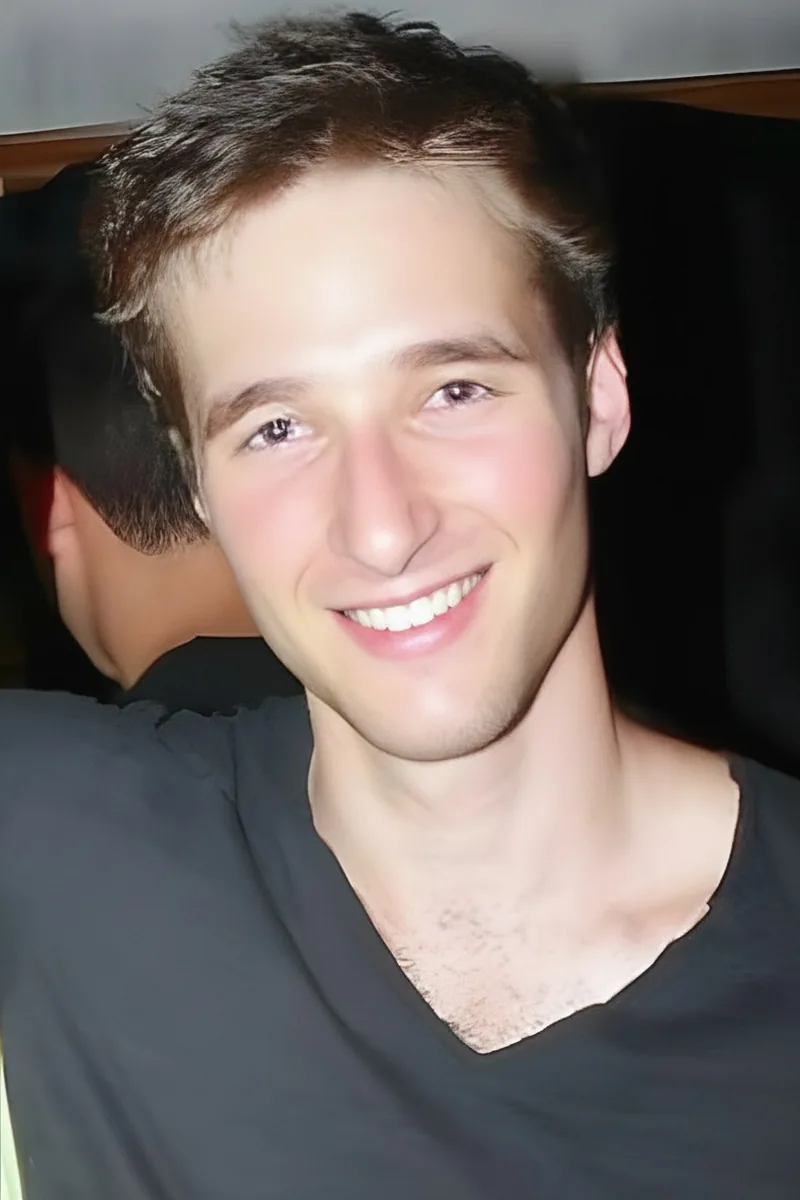
Reaction mechanisms are the language of organic chemistry, and most students struggle because they try to memorize hundreds of reactions instead of learning the handful of electron-pushing patterns that explain nearly all of them. Nicholas teaches students to read nucleophilicity, leaving group ability, and steric effects as clues that predict outcomes — turning synthesis problems from guesswork into logical puzzles.
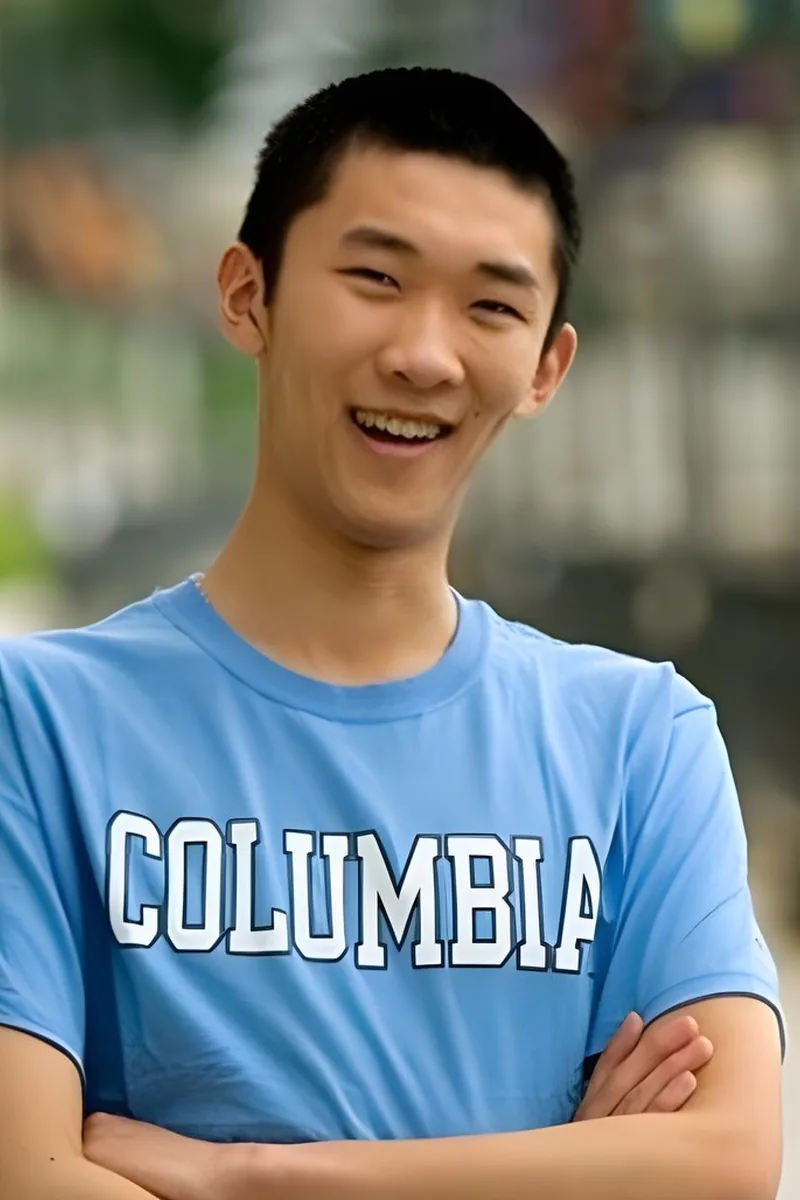
Zhenrui's premed and electrical engineering coursework at Columbia means he's tackled organic chemistry from both the biological and physical sciences side — thermodynamic versus kinetic control, molecular orbital theory, and the quantitative reasoning behind reaction energetics that pure pre-med students often find unfamiliar. That dual perspective lets him explain why a carbonyl addition proceeds the way it does, not just diagram the arrows.
Studying cancer cells at the molecular level means Siavash lives inside organic chemistry — reaction mechanisms, functional group transformations, and stereochemistry aren't abstract concepts for him but daily tools. He walks through arrow-pushing and electron movement with the kind of fluency that comes from applying orgo in an active research lab at Cal State Northridge.
Most students dread organic chemistry's reaction mechanisms, but Sarah approaches them as logic puzzles with predictable patterns. Her physics and math training sharpens the way she teaches electron movement, stereochemistry, and retrosynthetic analysis — treating each mechanism as a problem to reason through rather than a sequence to memorize.
I am a graduate of the University of California, Los Angeles. I received my Bachelor of Arts in International Development Studies with a focus on the Middle East and North Africa. I also completed a minor in Public Health during my undergraduate career. Upon my graduation from UCLA in June 2013, I received both Latin Honors (cum laude) and a nomination to the Phi Beta Kappa (P.B.K.) National Society. I have recently been accepted to medical school and plan to attend in August 2014. I have experience teaching in middle school and high school settings abroad in both the Philippines and Honduras. I have also tutored family and friends in the sciences throughout my college career. I am intelligent, articulate, patient, and motivating, which I believe allows me to be a successful tutor. I have extensive experience working with children and am determined to make sure my students not only excel in their classes, but also learn the material well and develop an aptitude for academia. I believe education is the gateway to success and feel committed to help prepare my students for their future. In my spare time, I enjoy reading, traveling, running, and hiking with my dog.
I am a graduate of the University of California at Berkeley with a Bachelors degree in Molecular and Cellular Biology. During my four years of college, I guided K-12 students of the Oakland area in Language Arts and Mathematics and served as a mentor for many high school students. I have also been an undergraduate student instructor for the General Biology lab course offered at U.C. Berkeley, a prerequisite for students wishing to pursue Biology as a major. Since I have a wide range of teaching experiences in both academic subjects and test preparation, I am highly adaptable to different learning styles and cater my teaching methods to meet student needs. Apart from being flexible, I am also very accessible for additional questions or help that is needed. In my spare time, I enjoy baking, exploring my city and watching movies.
Reaction mechanisms in organic chemistry are less about memorizing hundreds of arrows and more about recognizing a handful of recurring patterns — nucleophilic attacks, leaving group stability, and electron density shifts. Aidan studied organic chemistry as part of Notre Dame's premed track and teaches students to predict products by understanding why electrons move, not just where.
Being on the pre-med track at Northwestern while studying both biology and chemistry means Kade is taking organic chemistry alongside the same students he tutors — he knows which professors emphasize what, which problem sets are brutal, and where the common mistakes hide in topics like stereochemistry and acyl substitution. That proximity to the material gives him a practical, recently-tested understanding of how to break down multi-step synthesis problems into manageable pieces.
Having taught General Chemistry, Organic Chemistry, and GOB courses for health professions repeatedly at the college level, Jeremy approaches reaction mechanisms as skills to be practiced — not facts to be memorized. His PhD in Chemistry from Yale means he can trace arrow-pushing, stereochemical analysis, and multi-step synthesis all the way down to first principles, then rebuild them at whatever level a student needs. He holds a 4.6 rating.
A bio-organic chemistry degree means Alex didn't just pass orgo — the entire major was built around understanding how molecular structure dictates reactivity, from substitution and elimination selectivity to multi-step synthesis design. He breaks down each mechanism by identifying the nucleophile, electrophile, and driving force first, so students develop a repeatable framework instead of a growing pile of flashcards. That same logic scales directly into spectroscopy interpretation and retrosynthetic analysis when exams get harder.
Chemical engineering at Cornell meant Rahul didn't just pass organic chemistry — he applied it daily in reactor design, synthesis planning, and thermodynamic analysis of reaction pathways. That engineering lens gives him a distinctive angle on topics like carbonyl chemistry and stereoselectivity, where he ties mechanism logic back to energy landscapes and kinetic versus thermodynamic control. Rated 4.9 by students.
Reaction mechanisms in organic chemistry reward the same kind of systematic thinking that drives engineering design: track the electrons, identify the functional groups, and predict what happens next. Lee teaches students to read mechanisms as stories with cause and effect — nucleophile attacks electrophile, leaving group departs — instead of memorizing hundreds of individual reactions. His biomedical background adds context for why specific organic reactions matter in drug design and biochemistry.
Reaction mechanisms are essentially stories told with curved arrows, and the trick is learning to read them rather than memorize hundreds individually. Mark approaches organic chemistry by teaching students to recognize patterns — nucleophilic attacks, leaving group stability, steric effects — so they can predict products on reactions they've never seen before. His chemistry coursework at Notre Dame keeps these concepts fresh and grounded in real molecular behavior.
Reaction mechanisms are the language of organic chemistry, and Jon spent his Master's work at Princeton immersed in that language daily. He unpacks arrow-pushing, stereochemistry, and functional group reactivity by tying each mechanism back to the electron behavior driving it, so students build intuition instead of relying on rote memorization. His TA students at Princeton gave him reviews strong enough to earn a teaching award — a good sign for anyone staring down a semester of orgo.
Reaction mechanisms in organic chemistry demand the same kind of pattern recognition Seong uses in her neuroscience coursework at Northwestern — tracking electron movement, predicting intermediates, and understanding why one pathway dominates over another. She unpacks arrow-pushing notation by tying each step to underlying principles of nucleophilicity and sterics, so students can reason through unfamiliar reactions on exams instead of relying on rote memorization.
David is earning his PhD in organic chemistry at Northwestern, where he teaches undergraduate orgo labs and recitations and has co-written exam questions for the department. That means he knows exactly which reaction mechanisms, stereochemistry problems, and retrosynthesis challenges professors test — and how to break them down so the logic clicks. Rated 5.0 by students, he ties each mechanism to real-world applications that make the material stick.
Penn's pre-health track put Brittany through rigorous chemistry coursework alongside her psychology degree, and she spent her undergraduate years tutoring General Chemistry I and II at the university's Tutoring Center — building the kind of fluency with reaction fundamentals that carries directly into organic mechanisms. She approaches topics like nucleophilic substitution and carbonyl reactivity by connecting them back to the foundational principles of electron behavior and molecular structure, making each new reaction type feel like an extension of something students already know.
Biomedical engineering at Johns Hopkins means Nicholas encounters organic chemistry where it intersects with real applications — polymer biomaterials, drug delivery systems, and the functional group chemistry that governs how molecules interact with biological tissue. He teaches reaction types by grounding them in that engineering context, turning abstract arrow-pushing into something students can visualize and reason through. Rated 4.8 by students.
Testimonials
Because the right Organic Chemistry tutor makes all the difference.
Average Session Rating – Based on 3.4M Learner Ratings
Practice Organic Chemistry
Free practice tests, flashcards, and AI tutoring for Organic Chemistry
Nearby Organic Chemistry Tutors
Other Stockton Tutors
Related Science Tutors in Stockton
Frequently Asked Questions
Varsity Tutors matches Stockton students with expert Organic Chemistry tutors for 1-on-1 instruction. We pair each student with a tutor based on their specific needs, learning style, and goals.
Whether you need homework help, exam prep, or want to get ahead, our Organic Chemistry tutors are ready to help.
Common challenges include gaps from earlier material, difficulty with specific concepts, and trouble applying learning to new problems. These issues can snowball quickly in Organic Chemistry.
A tutor identifies where you're stuck, fills in gaps, and provides targeted practice. The 1-on-1 format means you get help exactly where you need it.
Tutors work with your student's actual coursework—homework assignments, class notes, and upcoming tests. This keeps tutoring directly relevant to what's happening in the classroom.
When you share information about your student's school and curriculum, we can match you with a tutor who has relevant experience.
All tutors complete background checks, credential verification, and teaching evaluation. Many of our Organic Chemistry tutors hold advanced degrees or have years of teaching experience.
You can review tutor profiles to find someone with the right background for your student's level and needs.
Many students see improved grades within a few weeks, along with better understanding of Organic Chemistry concepts and more confidence tackling challenging material.
Tutors track progress and adjust their approach to ensure continued improvement.
Most students benefit from 1-2 sessions per week. More frequent sessions help if your student is significantly behind or has an important exam coming up.
Your tutor can recommend a schedule based on your student's specific situation and goals.
Tutoring is purchased in packages of hours, with rates varying by tutor experience. Varsity Tutors offers several options to fit different budgets and needs.
You can discuss pricing during your consultation to find what works best.
Your tutor will assess where your student is, discuss goals, and start working on priority areas. Most students bring current homework or upcoming test material to focus on.
By the end, you'll have a clear sense of how the tutor can help and a plan for moving forward.
Let’s find your perfect tutor
Answer a few quick questions. We’ll recommend the right plan and match you with a top 5% tutor.