Award-Winning Mandarin Chinese Tutors
serving Youngstown, OH
Mandarin Chinese
Tutors in Youngstown
Private 1-on-1 tutoring, weekly live classes for academic support, test prep & enrichment, practice tests and diagnostics, and more to elevate grades and test scores.
Based on 3.4M Learner Ratings
UniversitiesSchools & Universities
DeliveredHours Delivered
ProficiencyGrowth in Proficiency
Who needs tutoring?
No obligation. Takes ~1 minute.
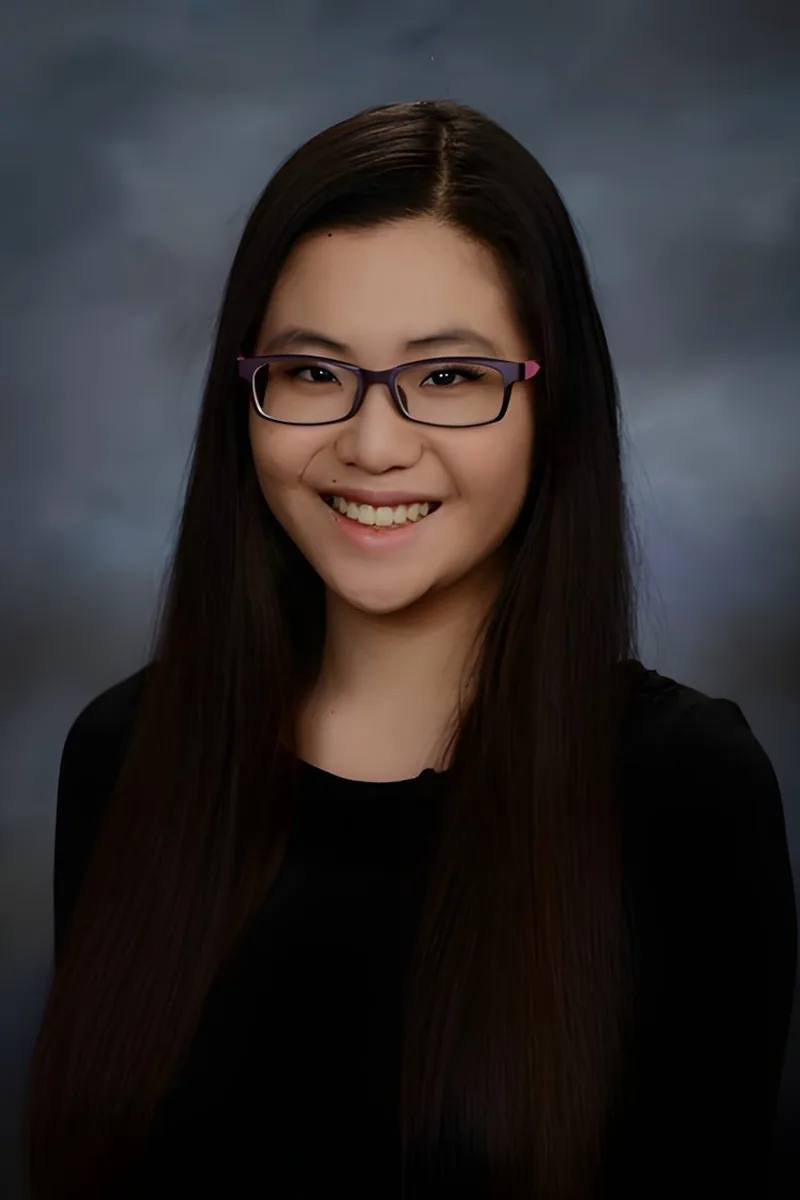
Mandarin's tonal system and character-based writing can feel overwhelming without someone who knows how to sequence the learning. Cynthia teaches through all four levels of Mandarin and unpacks tricky concepts like tone pairs, radical recognition, and measure words in ways that build genuine reading and speaking ability.

Learning Mandarin means tackling tonal pronunciation, character recognition, and sentence structures that work nothing like English. Lilian teaches across multiple levels of Mandarin and breaks down tricky concepts like measure words, aspect particles, and the logic behind radical-based characters so students build real comprehension instead of surface-level memorization.
Bryan teaches Mandarin Chinese across multiple levels, covering tonal pronunciation, character recognition and stroke order, and conversational sentence structures. His systematic approach — breaking the language into repeatable patterns — makes the leap from pinyin to reading characters feel less overwhelming for students just starting out or pushing into intermediate fluency.
Learning Mandarin means tackling tonal pronunciation, character recognition, and sentence structures that work nothing like English — and Rosalyn teaches all three in tandem so students build real fluency instead of just vocabulary lists. Her own language study gives her practical strategies for remembering characters and navigating tricky grammar patterns like measure words and aspect particles.
Kevin has studied Mandarin Chinese through the advanced level, tackling the tonal system, character writing, and grammatical structures that make the language uniquely challenging for English speakers. He's especially effective at demystifying sentence construction — the way Mandarin handles time expressions, measure words, and aspect markers instead of verb conjugation. His engineering background brings a systematic, pattern-based approach to vocabulary and character memorization.
Sunny scored well enough on the SAT Subject Test in Chinese with Listening to tutor the language at multiple levels, and he structures lessons around character recognition, tone accuracy, and sentence-pattern drills. Whether a student is working through measure words or learning to read short passages, he builds each session around active production rather than passive review.
Fifteen years of teaching Mandarin — with particular depth in traditional character writing — means Yuh can explain stroke order, radical patterns, and tonal distinctions with the precision of a native speaker who has watched hundreds of learners struggle with the same sticking points. She covers reading, writing, and spoken fluency, adjusting the balance based on each student's goals. Rated 5.0 by students.
Native fluency makes all the difference when a student is trying to nail Mandarin tones, distinguish similar-sounding characters, or understand why a sentence structure that works in English falls apart in Chinese. Karen teaches both traditional and simplified characters, adjusting her approach depending on whether a student is a complete beginner or preparing for business-level communication. Her enthusiasm for the language is infectious — she connects vocabulary and grammar to Chinese culture, music, and travel in ways that make practice feel purposeful.
Nora earned her degree in Chinese Language and Culture, which means she doesn't just know Mandarin vocabulary and grammar — she understands the tonal system, stroke order logic, and cultural context that textbooks often gloss over. Whether a student is tackling measure words or learning to read simplified characters, she connects each rule to how the language actually functions in conversation and writing.
Christine teaches Mandarin across multiple proficiency levels, from introductory tones and pinyin all the way through advanced conversational fluency. Her SAT Subject Test preparation in Chinese with Listening means she understands both the structural grammar and the listening comprehension challenges that trip up English-speaking learners — and she adapts her approach depending on whether a student needs character recognition drills or spoken practice.
Learning Mandarin means training your ear for tonal distinctions that don't exist in English, and that's where most self-study methods fall short. Alexander teaches tones, radicals, and sentence structure through conversation and repetition, adjusting complexity whether a student is working on introductory pinyin or reading intermediate-level passages.
As a native Shanghai speaker and ICA-certified Mandarin instructor with formal accreditation in teaching Chinese as a foreign language, Angela tackles everything from tonal pronunciation and stroke-order writing to classical grammar structures. She designs lessons around how English speakers actually struggle with Mandarin — distinguishing tones, parsing measure words, and building sentence patterns that don't map neatly onto English syntax.
Learning Mandarin means juggling tones, character recognition, and grammatical structures that have almost nothing in common with English. Ting's two degrees in Chinese Studies give her an academic command of the language, while her teaching background means she can explain tricky concepts like measure words, aspect particles, and stroke order in ways that click. Rated 5.0 by students.
Learning Mandarin means wrestling with tones, character radicals, and a grammar system that works nothing like English. Hannah's MA in Chinese Studies and full fluency in spoken, written, and read Mandarin let her explain these differences from the inside out — showing students how the language actually thinks, not just how to memorize pinyin charts.
Beyond classroom fluency, Kathy teaches Mandarin Chinese with attention to the details that trip students up most: tone pairs, measure words, and the logic behind character radicals. She covers reading, writing, and spoken skills, adjusting the balance depending on whether a student is preparing for exams or building practical communication ability.
Ingrid is pursuing a double major in Asian Languages and Cultures at Northwestern, where she's studied Mandarin through advanced coursework up to the fourth level. She breaks down tonal pronunciation, character recognition, and sentence structure in ways that make the language accessible to learners at any stage — from pinyin basics to reading and writing full passages.
Kelly teaches Mandarin through all four levels, breaking down tonal pronunciation, character stroke order, and sentence structure in ways that build real fluency. Her approach connects vocabulary to practical contexts — ordering food, navigating directions, discussing current events — so grammar patterns stick through use rather than rote drills. Rated 5.0 by students.
Learning Mandarin means tackling tones, character recognition, and sentence structures that have almost nothing in common with English. Eric breaks down these challenges systematically, connecting new grammar patterns to ones students already know and building reading fluency through consistent character practice.
Mandarin's tonal system and character-based writing can feel overwhelming without a structured plan of attack. Zora applies the same analytical problem-solving she uses in her Stanford engineering program to break down radicals, stroke order, and pinyin pronunciation into repeatable, logical steps that build real reading and speaking ability.
Cindy teaches Mandarin across four course levels, from introductory pinyin and tone work through more advanced reading and conversation — so she can match instruction to wherever a student currently stands. As a current Penn undergrad who balances Mandarin alongside her political science coursework, she brings a learner's perspective on what makes vocabulary and grammar patterns click. Rated 5.0 by students.
Asta's experience teaching the SAT Chinese Subject Test and living in Hong Kong gave her a practical grasp of Mandarin that bridges formal grammar with real-world usage. She tackles tonal accuracy, character recognition, and sentence structure by connecting each concept to contexts students will actually encounter — ordering food, reading signs, or discussing current events.
As a Mandarin speaker comfortable with both conversational and academic Chinese, Jennifer teaches tonal pronunciation, character recognition, and sentence structure in a way that builds practical fluency. She connects new vocabulary to real contexts — ordering food, describing daily routines, reading simple news articles — so the language sticks beyond flashcard drills.
Tony tutored Mandarin Chinese through a DC-based tutoring company, covering tonal pronunciation, character recognition, and sentence structure. His Yale biology background also means he can connect vocabulary building to systematic memorization techniques that make retention of radicals and compound characters far more manageable.
Testimonials
Because the right Mandarin Chinese tutor makes all the difference.
Average Session Rating – Based on 3.4M Learner Ratings
Other Youngstown Tutors
Related Languages Tutors in Youngstown
Frequently Asked Questions
Varsity Tutors matches Youngstown students with expert Mandarin Chinese tutors for 1-on-1 instruction. We pair each student with a tutor based on their specific needs, learning style, and goals.
Whether you need homework help, exam prep, or want to get ahead, our Mandarin Chinese tutors are ready to help.
Common challenges include gaps from earlier material, difficulty with specific concepts, and trouble applying learning to new problems. These issues can snowball quickly in Mandarin Chinese.
A tutor identifies where you're stuck, fills in gaps, and provides targeted practice. The 1-on-1 format means you get help exactly where you need it.
Tutors work with your student's actual coursework—homework assignments, class notes, and upcoming tests. This keeps tutoring directly relevant to what's happening in the classroom.
When you share information about your student's school and curriculum, we can match you with a tutor who has relevant experience.
All tutors complete background checks, credential verification, and teaching evaluation. Many of our Mandarin Chinese tutors hold advanced degrees or have years of teaching experience.
You can review tutor profiles to find someone with the right background for your student's level and needs.
Many students see improved grades within a few weeks, along with better understanding of Mandarin Chinese concepts and more confidence tackling challenging material.
Tutors track progress and adjust their approach to ensure continued improvement.
Most students benefit from 1-2 sessions per week. More frequent sessions help if your student is significantly behind or has an important exam coming up.
Your tutor can recommend a schedule based on your student's specific situation and goals.
Tutoring is purchased in packages of hours, with rates varying by tutor experience. Varsity Tutors offers several options to fit different budgets and needs.
You can discuss pricing during your consultation to find what works best.
Your tutor will assess where your student is, discuss goals, and start working on priority areas. Most students bring current homework or upcoming test material to focus on.
By the end, you'll have a clear sense of how the tutor can help and a plan for moving forward.
Let’s find your perfect tutor
Answer a few quick questions. We’ll recommend the right plan and match you with a top 5% tutor.