Award-Winning Mandarin Chinese Tutors
serving Cleveland, OH
Mandarin Chinese
Tutors in Cleveland
Private 1-on-1 tutoring, weekly live classes for academic support, test prep & enrichment, practice tests and diagnostics, and more to elevate grades and test scores.
Based on 3.4M Learner Ratings
UniversitiesSchools & Universities
DeliveredHours Delivered
ProficiencyGrowth in Proficiency
Who needs tutoring?
No obligation. Takes ~1 minute.

Learning Mandarin means tackling tonal pronunciation, character recognition, and sentence structures that work nothing like English — and Rosalyn teaches all three in tandem so students build real fluency instead of just vocabulary lists. Her own language study gives her practical strategies for remembering characters and navigating tricky grammar patterns like measure words and aspect particles.
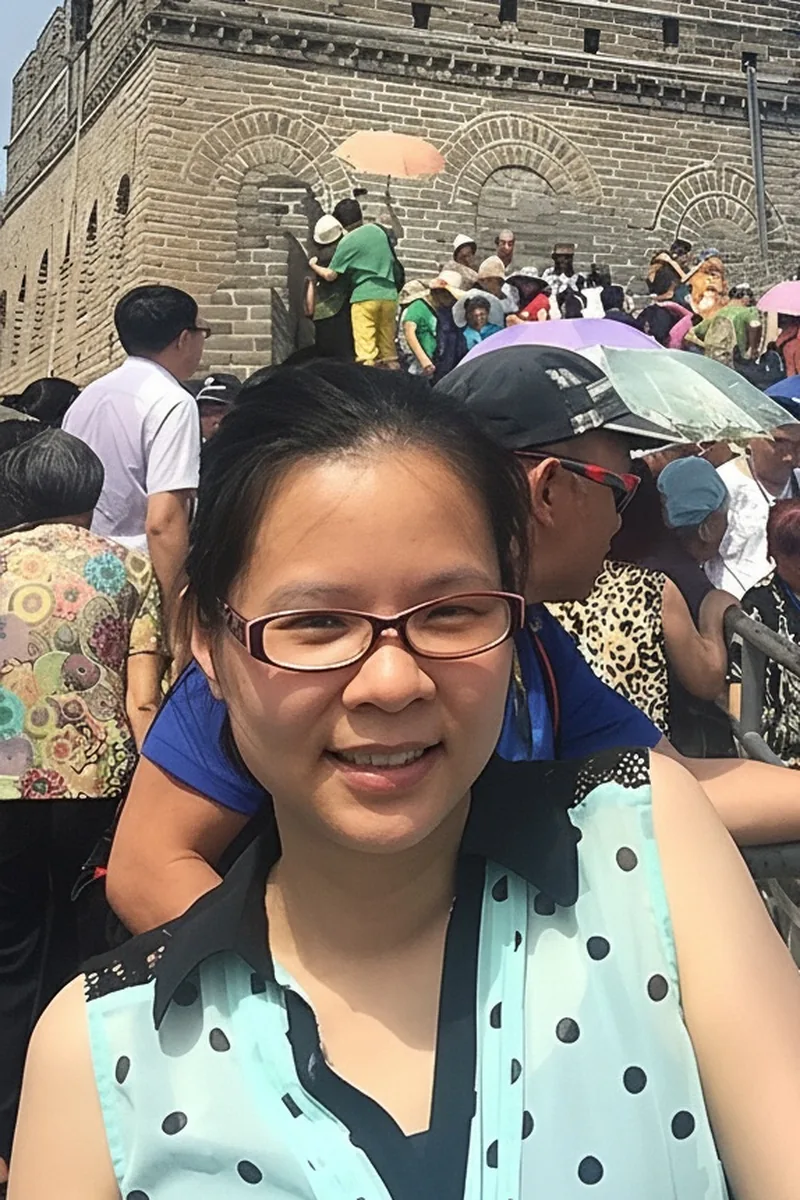
Native fluency makes all the difference when a student is trying to nail Mandarin tones, distinguish similar-sounding characters, or understand why a sentence structure that works in English falls apart in Chinese. Karen teaches both traditional and simplified characters, adjusting her approach depending on whether a student is a complete beginner or preparing for business-level communication. Her enthusiasm for the language is infectious — she connects vocabulary and grammar to Chinese culture, music, and travel in ways that make practice feel purposeful.
Mandarin's tonal system and character-based writing can feel overwhelming without someone who knows how to sequence the learning. Cynthia teaches through all four levels of Mandarin and unpacks tricky concepts like tone pairs, radical recognition, and measure words in ways that build genuine reading and speaking ability.
Learning Mandarin means tackling tonal pronunciation, character recognition, and sentence structures that work nothing like English. Lilian teaches across multiple levels of Mandarin and breaks down tricky concepts like measure words, aspect particles, and the logic behind radical-based characters so students build real comprehension instead of surface-level memorization.
Bryan teaches Mandarin Chinese across multiple levels, covering tonal pronunciation, character recognition and stroke order, and conversational sentence structures. His systematic approach — breaking the language into repeatable patterns — makes the leap from pinyin to reading characters feel less overwhelming for students just starting out or pushing into intermediate fluency.
Kevin has studied Mandarin Chinese through the advanced level, tackling the tonal system, character writing, and grammatical structures that make the language uniquely challenging for English speakers. He's especially effective at demystifying sentence construction — the way Mandarin handles time expressions, measure words, and aspect markers instead of verb conjugation. His engineering background brings a systematic, pattern-based approach to vocabulary and character memorization.
Sunny scored well enough on the SAT Subject Test in Chinese with Listening to tutor the language at multiple levels, and he structures lessons around character recognition, tone accuracy, and sentence-pattern drills. Whether a student is working through measure words or learning to read short passages, he builds each session around active production rather than passive review.
Fifteen years of teaching Mandarin — with particular depth in traditional character writing — means Yuh can explain stroke order, radical patterns, and tonal distinctions with the precision of a native speaker who has watched hundreds of learners struggle with the same sticking points. She covers reading, writing, and spoken fluency, adjusting the balance based on each student's goals. Rated 5.0 by students.
Nora earned her degree in Chinese Language and Culture, which means she doesn't just know Mandarin vocabulary and grammar — she understands the tonal system, stroke order logic, and cultural context that textbooks often gloss over. Whether a student is tackling measure words or learning to read simplified characters, she connects each rule to how the language actually functions in conversation and writing.
Christine teaches Mandarin across multiple proficiency levels, from introductory tones and pinyin all the way through advanced conversational fluency. Her SAT Subject Test preparation in Chinese with Listening means she understands both the structural grammar and the listening comprehension challenges that trip up English-speaking learners — and she adapts her approach depending on whether a student needs character recognition drills or spoken practice.
Learning Mandarin means training your ear for tonal distinctions that don't exist in English, and that's where most self-study methods fall short. Alexander teaches tones, radicals, and sentence structure through conversation and repetition, adjusting complexity whether a student is working on introductory pinyin or reading intermediate-level passages.
Learning Mandarin means juggling tones, character recognition, and grammatical structures that have almost nothing in common with English. Ting's two degrees in Chinese Studies give her an academic command of the language, while her teaching background means she can explain tricky concepts like measure words, aspect particles, and stroke order in ways that click. Rated 5.0 by students.
Learning Mandarin means tackling tonal pronunciation, character writing, and a grammar system that works nothing like English — all at once. Evelyn speaks Mandarin natively and teaches students to internalize tones and sentence patterns rather than just memorize vocabulary lists. She understands the specific stumbling blocks English speakers face with Mandarin because she navigated the reverse journey herself.
As a Mandarin speaker, Jessy tackles the aspects of the language that trip up English-speaking learners most — tonal pronunciation, character stroke order, and the logic behind measure words and sentence structure. She uses a mix of conversation practice and written drills to build both spoken fluency and reading recognition simultaneously.
Beyond classroom fluency, Kathy teaches Mandarin Chinese with attention to the details that trip students up most: tone pairs, measure words, and the logic behind character radicals. She covers reading, writing, and spoken skills, adjusting the balance depending on whether a student is preparing for exams or building practical communication ability.
Learning Mandarin means training your ear for four tones, memorizing character stroke order, and internalizing a grammar system that works nothing like English. Chang has taught Mandarin to everyone from high schoolers to intelligence agency professionals, adapting his methods to each learner's level and goals. His background in Chinese philosophy and culture adds depth that makes vocabulary and grammar stick in context rather than in isolation.
Learning Mandarin means wrestling with tones, character radicals, and a grammar system that works nothing like English. Hannah's MA in Chinese Studies and full fluency in spoken, written, and read Mandarin let her explain these differences from the inside out — showing students how the language actually thinks, not just how to memorize pinyin charts.
Katherine speaks Mandarin and brings the same structured, patient approach she uses in her math and writing tutoring to language instruction. She tackles tonal pronunciation, character recognition, and sentence structure in ways that make the learning curve feel manageable rather than overwhelming.
Native fluency makes a real difference when learning Mandarin's tonal system, character stroke order, and measure words — all areas where textbooks only get you so far. Christine grew up speaking and writing Mandarin in Shanghai and has taught across age groups, so she adjusts naturally between pinyin-based beginners and students ready to tackle paragraph-level composition. She holds a 4.7 rating from the families she's tutored.
Tony tutored Mandarin Chinese through a DC-based tutoring company, covering tonal pronunciation, character recognition, and sentence structure. His Yale biology background also means he can connect vocabulary building to systematic memorization techniques that make retention of radicals and compound characters far more manageable.
Eight years of teaching Chinese language and culture across K-12 levels means Amanda has built curriculum for every stage — from introducing tones and pinyin to beginners through drilling stroke order, radicals, and reading comprehension for advanced learners. She developed a full K-12 Mandarin curriculum and knows exactly where students tend to stall, whether it's character recognition or navigating measure words. Rated 5.0 by students.
JF grew up speaking Mandarin at home and tested that fluency on the SAT Subject Test in Chinese with Listening. He brings a native speaker's intuition for natural phrasing and colloquial usage, which means he can explain why certain word orders sound right to Chinese ears — something textbooks rarely cover well. Rated 5.0 by students.
Cindy is a heritage Mandarin speaker who also passed the SAT Subject Test in Chinese with Listening, giving her both native fluency and an understanding of how the language looks from a learner's perspective. She tackles everything from tone drilling and character stroke order to reading comprehension of longer passages, adjusting her approach based on whether a student is building from scratch or refining existing skills.
Testimonials
Because the right Mandarin Chinese tutor makes all the difference.
Average Session Rating – Based on 3.4M Learner Ratings
Other Cleveland Tutors
Related Languages Tutors in Cleveland
Frequently Asked Questions
Fluency development depends on your starting level and study intensity. The U.S. Foreign Service Institute estimates approximately 2,200 hours of study to reach professional proficiency in Mandarin—roughly 1-2 years with consistent, focused practice. Personalized 1-on-1 instruction accelerates this timeline by targeting your specific weaknesses, whether that's tones, characters, or conversational flow, rather than moving at a classroom pace.
Speaking is often the most challenging skill for English speakers learning Mandarin, yet it's frequently neglected in traditional classroom settings where students may speak only a few minutes per class. Personalized 1-on-1 instruction gives you dedicated speaking time every session, allowing tutors to correct your tones and pronunciation in real-time and build conversational confidence. This consistent oral practice is essential for developing natural speech patterns and understanding how grammar works in actual conversation, not just on paper.
Mandarin's four tones (plus neutral tone) are unfamiliar to English speakers, and mispronouncing a tone can completely change a word's meaning—a critical challenge that requires targeted feedback. Expert tutors can diagnose exactly which tones give you trouble, model correct pronunciation repeatedly, and provide immediate correction during practice. Over time, this focused attention retrains your ear and mouth to produce tones naturally, something that's difficult to achieve without personalized guidance.
That depends on your goals. If you want conversational fluency, you can prioritize listening and speaking while learning characters gradually. If you need to read emails, texts, or documents, character literacy becomes essential—and it's one of the most time-intensive parts of Mandarin study. Personalized tutoring lets you focus on the skills that matter most for your situation, whether that's mastering 500 characters for basic reading or building toward the 2,000+ characters needed for fluency.
Language and culture are inseparable—understanding Chinese idioms, social conventions, and communication styles helps you speak more naturally and avoid awkward or unintended meanings. Tutors often weave cultural insights into lessons, explaining why certain phrases are used in specific contexts and how tone of voice conveys respect or familiarity. This immersion-style approach transforms Mandarin from abstract grammar rules into a living tool for real communication.
Spaced repetition and retrieval practice—reviewing words at increasing intervals and actively recalling them—are proven methods for long-term retention. Expert tutors build vocabulary practice into every session, using words you've learned in new contexts and checking your recall over time. Rather than memorizing isolated lists, you learn words through conversation and real usage, which anchors them in memory much more effectively.
The most effective approach combines both: understanding key grammar structures (like sentence order, aspect markers, and measure words) gives you a framework, while conversation practice helps you internalize how grammar actually works in real speech. Personalized tutoring balances explicit instruction with natural usage, so you're not just memorizing rules but learning to apply them fluidly in dialogue. This hybrid approach accelerates progress faster than either method alone.
Cleveland has a growing Chinese community with cultural organizations, restaurants, and community centers that offer authentic immersion opportunities to complement your tutoring. Many students find that pairing personalized instruction with local cultural events, Chinese language meetups, or media consumption (films, podcasts, news) reinforces what they're learning. Your tutor can recommend Cleveland-specific resources and help you integrate them into a cohesive learning plan.
Let’s find your perfect tutor
Answer a few quick questions. We’ll recommend the right plan and match you with a top 5% tutor.