Award-Winning Mandarin Chinese Tutors
serving Youngstown, OH
Mandarin Chinese
Tutors in Youngstown
Private 1-on-1 tutoring, weekly live classes for academic support, test prep & enrichment, practice tests and diagnostics, and more to elevate grades and test scores.
Based on 3.4M Learner Ratings
UniversitiesSchools & Universities
DeliveredHours Delivered
ProficiencyGrowth in Proficiency
Who needs tutoring?
No obligation. Takes ~1 minute.
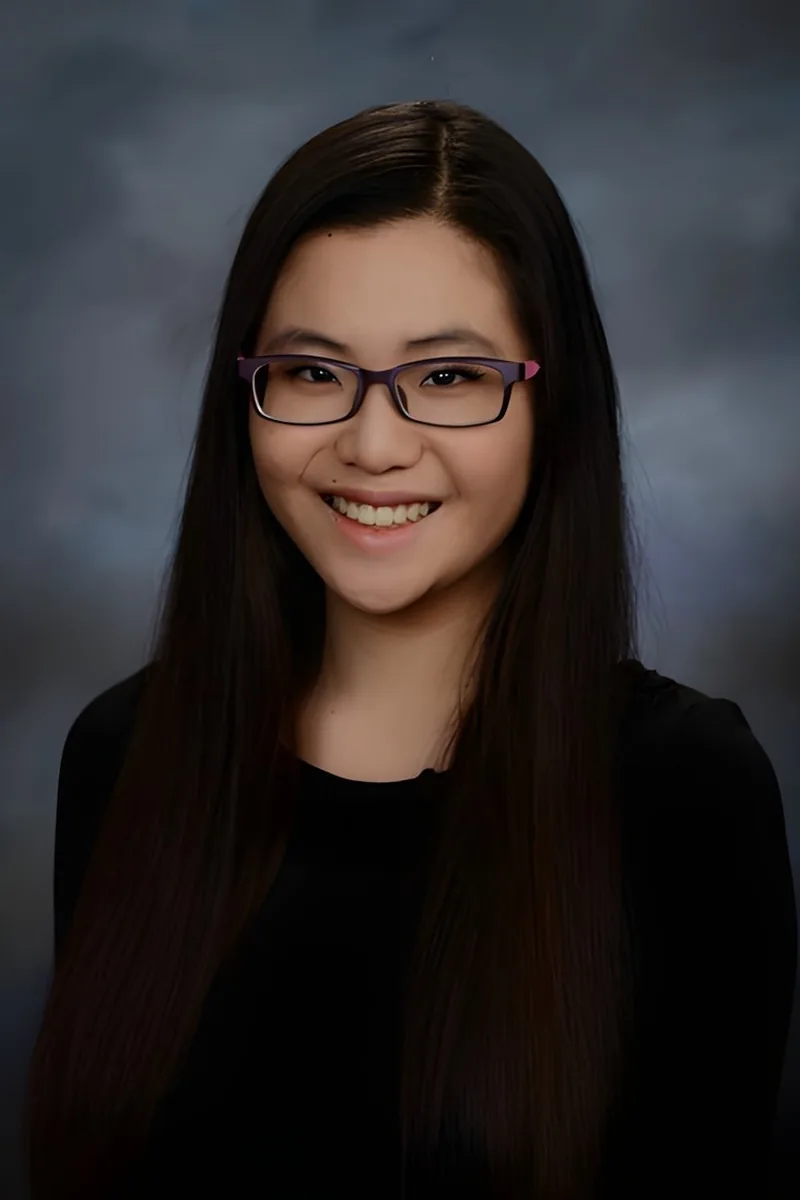
Mandarin's tonal system and character-based writing can feel overwhelming without someone who knows how to sequence the learning. Cynthia teaches through all four levels of Mandarin and unpacks tricky concepts like tone pairs, radical recognition, and measure words in ways that build genuine reading and speaking ability.

Bryan teaches Mandarin Chinese across multiple levels, covering tonal pronunciation, character recognition and stroke order, and conversational sentence structures. His systematic approach — breaking the language into repeatable patterns — makes the leap from pinyin to reading characters feel less overwhelming for students just starting out or pushing into intermediate fluency.
Learning Mandarin means tackling tonal pronunciation, character recognition, and sentence structures that work nothing like English. Lilian teaches across multiple levels of Mandarin and breaks down tricky concepts like measure words, aspect particles, and the logic behind radical-based characters so students build real comprehension instead of surface-level memorization.
Kevin has studied Mandarin Chinese through the advanced level, tackling the tonal system, character writing, and grammatical structures that make the language uniquely challenging for English speakers. He's especially effective at demystifying sentence construction — the way Mandarin handles time expressions, measure words, and aspect markers instead of verb conjugation. His engineering background brings a systematic, pattern-based approach to vocabulary and character memorization.
Learning Mandarin means tackling tonal pronunciation, character recognition, and sentence structures that work nothing like English — and Rosalyn teaches all three in tandem so students build real fluency instead of just vocabulary lists. Her own language study gives her practical strategies for remembering characters and navigating tricky grammar patterns like measure words and aspect particles.
Sunny scored well enough on the SAT Subject Test in Chinese with Listening to tutor the language at multiple levels, and he structures lessons around character recognition, tone accuracy, and sentence-pattern drills. Whether a student is working through measure words or learning to read short passages, he builds each session around active production rather than passive review.
Nora earned her degree in Chinese Language and Culture, which means she doesn't just know Mandarin vocabulary and grammar — she understands the tonal system, stroke order logic, and cultural context that textbooks often gloss over. Whether a student is tackling measure words or learning to read simplified characters, she connects each rule to how the language actually functions in conversation and writing.
Fifteen years of teaching Mandarin — with particular depth in traditional character writing — means Yuh can explain stroke order, radical patterns, and tonal distinctions with the precision of a native speaker who has watched hundreds of learners struggle with the same sticking points. She covers reading, writing, and spoken fluency, adjusting the balance based on each student's goals. Rated 5.0 by students.
Native fluency makes all the difference when a student is trying to nail Mandarin tones, distinguish similar-sounding characters, or understand why a sentence structure that works in English falls apart in Chinese. Karen teaches both traditional and simplified characters, adjusting her approach depending on whether a student is a complete beginner or preparing for business-level communication. Her enthusiasm for the language is infectious — she connects vocabulary and grammar to Chinese culture, music, and travel in ways that make practice feel purposeful.
Christine teaches Mandarin across multiple proficiency levels, from introductory tones and pinyin all the way through advanced conversational fluency. Her SAT Subject Test preparation in Chinese with Listening means she understands both the structural grammar and the listening comprehension challenges that trip up English-speaking learners — and she adapts her approach depending on whether a student needs character recognition drills or spoken practice.
Learning Mandarin means training your ear for tonal distinctions that don't exist in English, and that's where most self-study methods fall short. Alexander teaches tones, radicals, and sentence structure through conversation and repetition, adjusting complexity whether a student is working on introductory pinyin or reading intermediate-level passages.
Allison teaches Mandarin with attention to the details that trip up English speakers most: tonal pronunciation, character stroke order, and the grammatical structures that have no direct English equivalent. Her approach connects vocabulary to real-world contexts — ordering food, reading signs, navigating conversations — so new words actually stick beyond the quiz.
Learning Mandarin means training your ear to distinguish four tones that can completely change a word's meaning. Li's academic background in speech and hearing science gives her a technical understanding of how people perceive and produce these tonal differences, which she uses to build targeted pronunciation drills alongside character recognition and conversational practice.
Learning Mandarin means tackling tones, character recognition, and a grammar structure that works nothing like English — and Lisa addresses all three without overwhelming students. She breaks down sentence patterns like topic-comment structure and measure words so that students understand the logic of the language, not just isolated vocabulary lists. Her anthropological perspective also brings in cultural context that makes phrases and expressions feel meaningful rather than arbitrary.
Tackling Mandarin means mastering tones, radicals, and measure words all at once, and June breaks each of these down systematically rather than expecting students to absorb them through repetition alone. Her engineering mindset at Brown carries over: she treats character memorization as a pattern-recognition problem, grouping radicals and phonetic components so new vocabulary builds on what students already know.
Cindy is a heritage Mandarin speaker who also passed the SAT Subject Test in Chinese with Listening, giving her both native fluency and an understanding of how the language looks from a learner's perspective. She tackles everything from tone drilling and character stroke order to reading comprehension of longer passages, adjusting her approach based on whether a student is building from scratch or refining existing skills.
Asta's experience teaching the SAT Chinese Subject Test and living in Hong Kong gave her a practical grasp of Mandarin that bridges formal grammar with real-world usage. She tackles tonal accuracy, character recognition, and sentence structure by connecting each concept to contexts students will actually encounter — ordering food, reading signs, or discussing current events.
Mandarin's tonal system and character-based writing can feel overwhelming at first, but Allison breaks it into manageable pieces — practicing tone pairs in context, learning radicals to decode unfamiliar characters, and building sentence patterns that transfer across topics. Her experience with Mandarin coursework through multiple levels means she understands exactly where English speakers tend to stumble.
Paul's unusual combination of advanced degrees in French literature and fluency in Mandarin means he understands language acquisition from multiple angles — he knows firsthand what it takes to internalize a tonal system, master character writing, and think in a completely different grammatical framework. He teaches conversational Mandarin at every level, drawing on that multilingual perspective to clarify the patterns and logic behind structures that feel opaque to English speakers. Rated 5.0 by students.
Martin's anthropology fieldwork required deep engagement with Mandarin Chinese — not just vocabulary lists but tonal precision, character recognition, and the cultural logic behind the language. His PhD-level research background means he can explain how Mandarin grammar structures thought differently than English, making concepts like measure words and aspect markers click for learners at any level.
Connie is a Chinese language major at Dartmouth, which means she's tackled everything from character stroke order and tonal pronunciation to classical grammar structures and formal essay composition. That academic depth lets her explain the logic behind Mandarin's grammar and writing system instead of relying on rote memorization. Whether a student is working through radicals or sentence patterns, she connects each piece to the bigger linguistic picture.
Mandarin is Xiang's native language, which means students get more than textbook grammar — they get natural phrasing, tonal precision, and cultural context that only a native speaker can provide. He walks through character structure and stroke order methodically, connecting radicals to meaning so that vocabulary sticks instead of blurring together.
Learning Mandarin means training your ear for four tones, memorizing character stroke order, and internalizing grammar patterns that have no English equivalent. Tracy grew up speaking Mandarin natively and teaches everything from pinyin fundamentals for beginners to reading comprehension and essay composition for advanced learners.
Testimonials
Because the right Mandarin Chinese tutor makes all the difference.
Average Session Rating – Based on 3.4M Learner Ratings
Other Youngstown Tutors
Related Languages Tutors in Youngstown
Frequently Asked Questions
Varsity Tutors matches Youngstown students with expert Mandarin Chinese tutors for 1-on-1 instruction. We pair each student with a tutor based on their specific needs, learning style, and goals.
Whether you need homework help, exam prep, or want to get ahead, our Mandarin Chinese tutors are ready to help.
Common challenges include gaps from earlier material, difficulty with specific concepts, and trouble applying learning to new problems. These issues can snowball quickly in Mandarin Chinese.
A tutor identifies where you're stuck, fills in gaps, and provides targeted practice. The 1-on-1 format means you get help exactly where you need it.
Tutors work with your student's actual coursework—homework assignments, class notes, and upcoming tests. This keeps tutoring directly relevant to what's happening in the classroom.
When you share information about your student's school and curriculum, we can match you with a tutor who has relevant experience.
All tutors complete background checks, credential verification, and teaching evaluation. Many of our Mandarin Chinese tutors hold advanced degrees or have years of teaching experience.
You can review tutor profiles to find someone with the right background for your student's level and needs.
Many students see improved grades within a few weeks, along with better understanding of Mandarin Chinese concepts and more confidence tackling challenging material.
Tutors track progress and adjust their approach to ensure continued improvement.
Most students benefit from 1-2 sessions per week. More frequent sessions help if your student is significantly behind or has an important exam coming up.
Your tutor can recommend a schedule based on your student's specific situation and goals.
Tutoring is purchased in packages of hours, with rates varying by tutor experience. Varsity Tutors offers several options to fit different budgets and needs.
You can discuss pricing during your consultation to find what works best.
Your tutor will assess where your student is, discuss goals, and start working on priority areas. Most students bring current homework or upcoming test material to focus on.
By the end, you'll have a clear sense of how the tutor can help and a plan for moving forward.
Let’s find your perfect tutor
Answer a few quick questions. We’ll recommend the right plan and match you with a top 5% tutor.