Award-Winning Essay Editing Tutors
serving Albuquerque, NM
Essay Editing
Tutors in Albuquerque
Private 1-on-1 tutoring, weekly live classes for academic support, test prep & enrichment, practice tests and diagnostics, and more to elevate grades and test scores.
Based on 3.4M Learner Ratings
UniversitiesSchools & Universities
DeliveredHours Delivered
ProficiencyGrowth in Proficiency
Who needs tutoring?
No obligation. Takes ~1 minute.
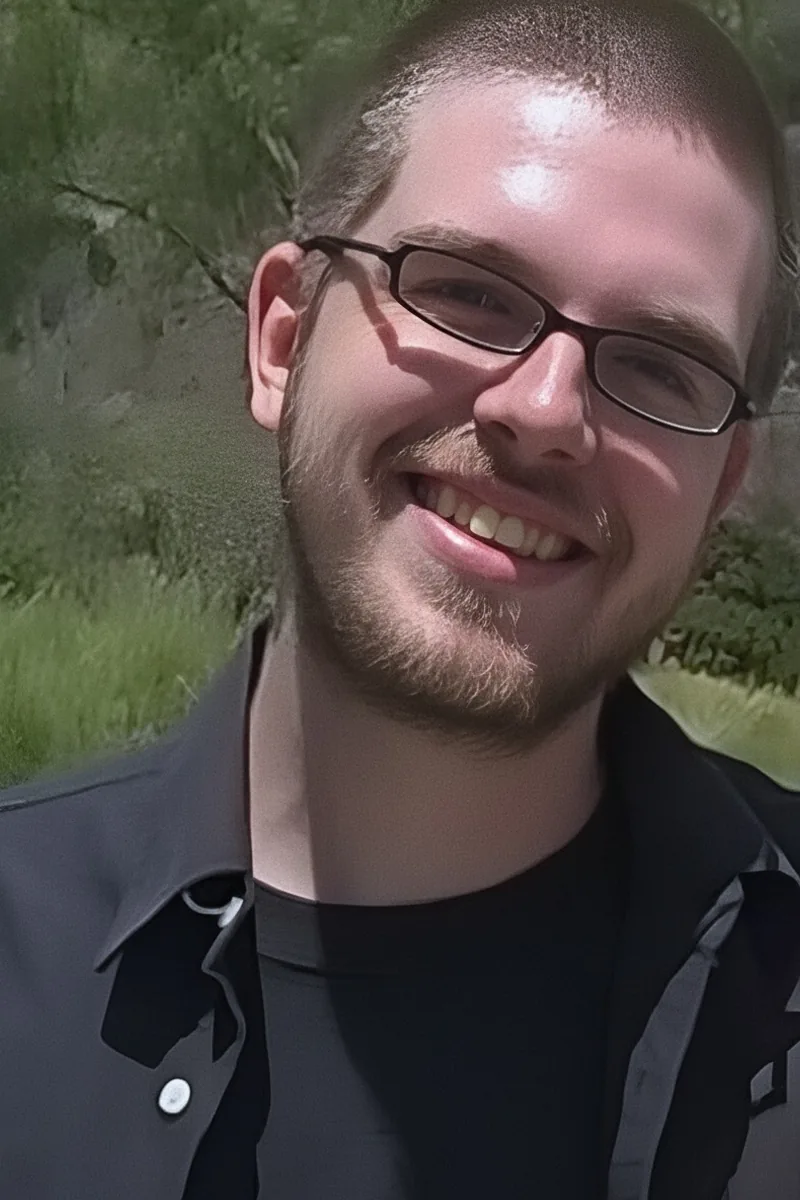
Philosophy training at the University of Chicago meant writing argument-driven papers every week — and tearing apart drafts until every paragraph earned its place. Justin applies that same rigor to essay editing, zeroing in on thesis clarity, logical flow between sections, and whether evidence actually supports the claim being made. Rated 5.0 by students.
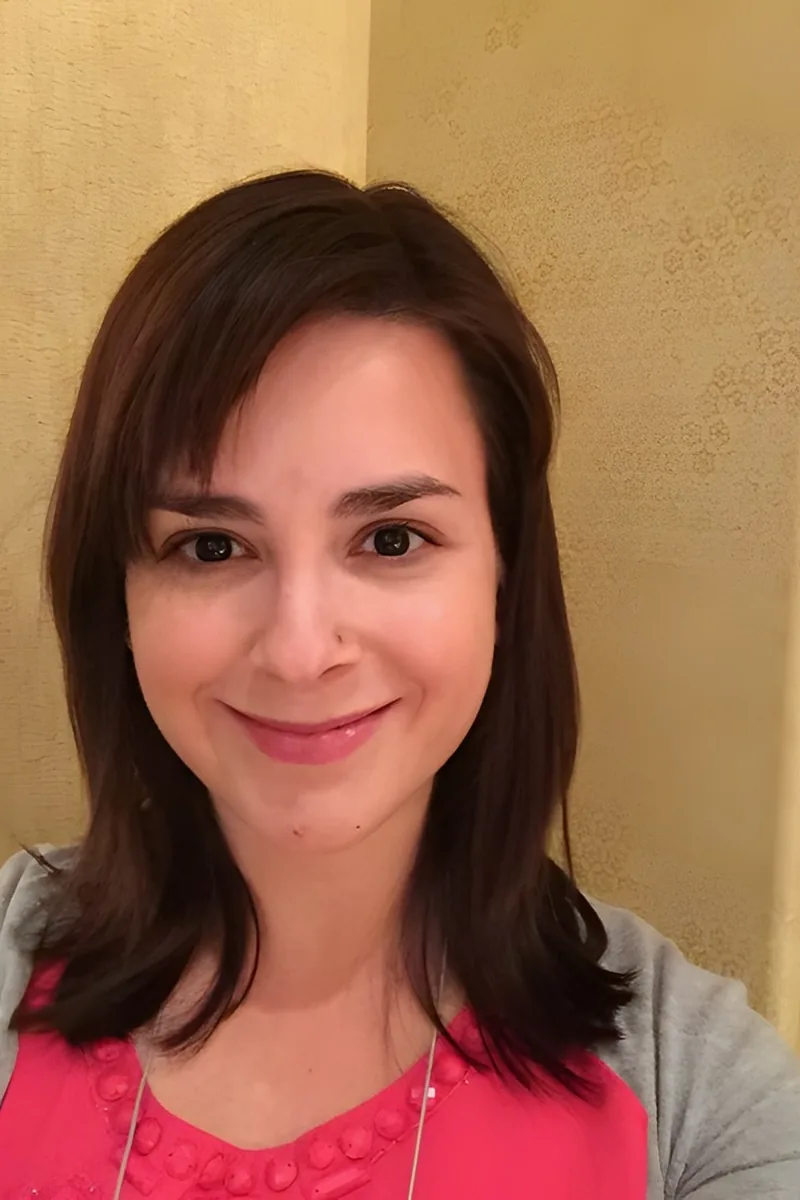
Good editing isn't about hunting for comma splices — it's about asking whether each paragraph earns its place in the argument. Shelley's journalism training drilled ruthless revision habits, from restructuring a thesis to cutting filler sentences that dilute a paper's impact. She walks students through her editing process so they internalize it for future assignments.
A strong essay isn't just error-free — it needs a clear argument, logical flow, and sentences that actually say something. Rachel approaches editing as a teaching process, walking students through how to tighten thesis statements, cut filler, and restructure paragraphs so each one earns its place in the draft.
Good editing isn't just fixing commas — it's figuring out whether each paragraph actually advances the argument. Bryan sharpens thesis statements, tightens transitions, and flags places where evidence doesn't quite support the claim, drawing on the analytical writing skills he developed at Dartmouth and refined while preparing for Stanford Law. He's rated 5.0 by students, many of whom come back with essays across multiple classes and applications.
Editing is really about learning to read your own writing with fresh eyes — spotting where an argument loses momentum, where a transition drops the reader, or where a paragraph buries its strongest point. Laura's MFA training in narrative structure gives her a sharp instinct for reorganizing drafts so the ideas land clearly. She treats every revision as a conversation about what the writer actually meant to say.
Good editing goes deeper than catching typos — it means rethinking a paragraph's structure, tightening an argument, and cutting the sentences a writer loves but the essay doesn't need. Daniela brings a trained editorial eye from her English coursework and her own extensive writing practice, and she explains every suggested change so students internalize the reasoning behind it.
Good essay editing goes beyond catching comma splices — it means tightening an argument's structure so every paragraph earns its place. Craig reads drafts with an eye for logical flow, unclear transitions, and claims that need stronger evidence, then talks through revisions so the writer understands the reasoning behind each change.
Editing an essay well requires reading it twice: once for argument and structure, once for sentence-level clarity. Thomas approaches revision in exactly that order, first checking whether each paragraph earns its place in the overall thesis, then tightening grammar, transitions, and word choice. He's particularly sharp at identifying where a draft buries its strongest ideas inside weak topic sentences.
Good editing isn't just hunting for typos; it's rethinking whether each paragraph actually earns its place in the argument. Katherine edits her own academic writing constantly as a PhD student and brings that structural eye to student essays — tightening thesis statements, cutting filler, and making sure evidence connects back to the central claim.
Katie currently edits academic papers for researchers publishing in English as a second language, so she's practiced at preserving a writer's voice while tightening structure, eliminating redundancy, and clarifying argument flow. She applies that same precision to student essays, walking through each revision so the writer understands why a change improves the piece — not just what changed.
Most essay editing stalls at surface-level fixes — a comma here, a word swap there — without addressing the structural problems underneath. Erica digs into argument architecture first: whether the thesis actually controls the paragraphs, whether evidence connects to claims, whether transitions do real logical work. Her feedback turns revision into a skill students carry forward, not just a one-time cleanup.
Good editing goes beyond catching comma splices — it means restructuring an argument so every paragraph earns its place. Matthew reads essays with an analytical eye trained by his statistics coursework, zeroing in on weak transitions, unsupported claims, and sections where the writing loses its thread.
A rough draft isn't a failure — it's the starting point Teresa actually prefers to work with. She digs into structure, argument flow, and sentence-level clarity, showing students how to tighten their own prose instead of just accepting someone else's corrections. Her 5.0 rating speaks to how much students value that approach.
Good essay editing goes beyond fixing commas; it asks whether each paragraph earns its place and whether the argument actually builds. Uphoria digs into thesis clarity, paragraph transitions, and evidence integration, then explains the reasoning behind each suggested revision so the student learns to self-edit on the next draft.
Good essay editing goes beyond fixing commas — it means tightening an argument, cutting filler, and making sure each paragraph earns its place. Joshua honed this skill editing his own journalism for Paydirt, New Mexico Tech's newspaper, and by revising classmates' papers across disciplines from lab reports to humanities essays.
Good essay editing goes beyond fixing typos — it means tightening argument structure, cutting filler sentences, and making sure every paragraph earns its place. Ethan reads drafts with an eye for logical flow, flagging spots where evidence is thin or where a transition buries the point. He's rated 5.0 by the students he's worked with.
Good editing requires the same eye Issa uses when refining a 3D model: step back, identify what's not working, and revise with precision. He walks students through tightening thesis statements, restructuring paragraphs for logical flow, and cutting filler — the kind of revision that turns a B-minus draft into something polished. Rated 5.0 by students.
I'm Maddie Wright, a recent graduate of UCLA and enthusiastic tutor specializing in the ACT, language arts, and math. I majored in marine biology and minored in geography in undergrad, so I am also very comfortable teaching the natural and social sciences. My specialties include creating personalized materials and offering writing and college application guidance. I cater to Elementary, Middle, and High School students, and always aim to provide engaging, informative, and specialized sessions for my students. From presenting core concepts, to reviewing real world applications, to assisting with homework and test preparation, I'm super excited to dive into learning together!
Good editing isn't just fixing commas — it's figuring out where an argument loses the reader and why. Jordan reads drafts with an eye for logical flow, identifying spots where claims need stronger evidence or where transitions create confusion. His scientific training makes him especially sharp at tightening structure so that each paragraph clearly advances the essay's central point.
A good essay edit isn't about fixing commas — it's about identifying where an argument loses the reader and restructuring for clarity and impact. Emma's legal training sharpened her ability to spot logical gaps and tighten prose, skills she applies whether polishing a personal narrative or a research paper. She walks through each revision so students learn to self-edit, not just accept corrections.
Good essay editing goes beyond fixing commas. Jenny treats each draft as an argument, checking whether every paragraph earns its place, whether transitions actually connect ideas, and whether the thesis does real work — then she marks up specific lines so the writer sees exactly where clarity breaks down.
Good editing isn't just catching comma splices — it's recognizing where an argument loses its reader or where a paragraph buries its own point. Lauren reads drafts the way an admissions officer or professor would, flagging structural weaknesses and unclear claims before polishing at the sentence level. Her 5.0 rating speaks to how much students value that kind of honest, detailed feedback.
Good editing isn't just fixing commas — it's diagnosing whether a paragraph actually earns its place in the argument. Josef approaches revision structurally first, checking that each section's logic holds up before tightening sentence-level clarity and tone. His 5.0 client rating speaks to the care he puts into each draft.
Matthew approaches essay editing the way a scientist approaches a draft manuscript: structure first, then clarity, then polish. He's especially good at identifying where an argument loses its thread or where a paragraph is doing two jobs at once, then restructuring so each section earns its place. His experience writing research papers at Yale and the NIH, plus crafting his own medical school applications, gives him a sharp eye for both academic and personal writing.
Editing an essay well requires seeing both the forest and the trees — does the argument hold together, and does each sentence actually advance it? Shayan tackles revision at both levels, walking through thesis clarity and paragraph transitions before tightening grammar and word choice. His 5.0 rating speaks to how much students value that structured, two-pass approach.
Years in book publishing taught Jeff what professional editors actually look for: not just clean grammar, but clarity of argument, logical flow between paragraphs, and sentences that earn their length. He applies that same editorial rigor to student essays, whether it's a research paper that needs a stronger thesis or a personal statement where the voice feels flat. Every round of revision targets something specific rather than vague "make it better" advice.
Good editing goes beyond fixing commas; it asks whether each paragraph earns its place in the argument. Mimi reads student drafts with an eye for both structural coherence and sentence-level clarity, offering targeted feedback on transitions, evidence integration, and voice. Her background spans academic, creative, and admissions writing.
Good editing isn't just catching comma splices — it's rethinking whether each paragraph actually earns its place in the piece. Joseph approaches essay editing by first identifying the core argument, then tightening every sentence around it, a skill he sharpened through years of writing research papers and graduate-level public health analyses at Yale.
A good editor doesn't just fix errors — they diagnose why a draft isn't working yet. Tom zeroes in on structural problems like weak thesis statements, paragraphs that drift from their topic sentences, and transitions that fail to connect ideas. His approach is collaborative: he marks the issue, explains the principle behind it, and lets the student rework the passage.
Editing someone else's essay is easy; teaching a student to edit their own is the real challenge. Valerie, who earned twenty writing awards before college, walks students through revision at every level — tightening thesis statements, restructuring paragraph flow, cutting filler, and polishing sentence-level clarity so the final draft sounds like them, only sharper.
Good editing is more than fixing typos — it means rethinking paragraph transitions, tightening thesis statements, and cutting the sentences a writer loves but the argument doesn't need. Ingrid approaches each draft with the analytical rigor of her engineering training and the narrative instincts she's developed writing scholarship applications, research abstracts, and admissions essays of her own.
Strong analytical writing is a skill Justin honed across years of academic work at Washington University in St. Louis and the University of Chicago, where crafting clear arguments from complex ideas was a daily requirement. He brings that precision to essay editing — tightening thesis statements, restructuring paragraphs for logical flow, and cutting the filler that weakens an argument. Rated 5.0 by students.
A strong draft becomes a polished piece when someone can identify where the argument drifts, where transitions fail, and where a sentence tries to do too much. Emily's editing approach tackles structure first — thesis clarity, paragraph cohesion, evidence integration — before moving to sentence-level revision. Her own writing background across scientific and humanities disciplines gives her range across essay types.
Testimonials
Because the right Essay Editing tutor makes all the difference.
Average Session Rating – Based on 3.4M Learner Ratings
Other Albuquerque Tutors
Related English Tutors in Albuquerque
Frequently Asked Questions
Essay editing tutoring focuses on helping you strengthen your writing through personalized feedback and revision strategies. A tutor will work with you to clarify your thesis, improve argument structure, refine your voice, and polish grammar and style. Rather than simply correcting errors, tutors guide you through the revision process so you develop stronger writing skills for future assignments.
Students often struggle with organizing ideas logically, developing a strong thesis statement, supporting arguments with evidence, and maintaining a consistent voice throughout their essay. Writer's block, citation formatting (MLA, APA, Chicago), and balancing grammar concerns with stylistic choices are also frequent pain points. Personalized tutoring addresses your specific challenges, whether that's structuring a five-paragraph essay or crafting a sophisticated literary analysis.
You'll typically start by sharing a draft or discussing an assignment with your tutor. They'll provide targeted feedback on structure, argumentation, clarity, and mechanics—identifying strengths to build on and areas for revision. Together, you'll work through revision strategies, practice applying feedback, and develop strategies you can use independently on future essays. This collaborative approach helps you become a stronger writer, not just improve one essay.
Bring any essay drafts you're working on, assignment guidelines or rubrics from your teacher, and a list of specific concerns—whether that's organization, thesis clarity, or citation format. If you don't have a draft yet, bring notes or an outline of what you're planning to write. Your tutor will use this information to understand your current level and tailor their feedback to your needs.
No—essay editing goes much deeper than proofreading. While proofreading focuses on catching typos and grammar errors, editing tutoring addresses big-picture issues like thesis development, logical flow, argument strength, and voice. Tutors help you revise at every level, from restructuring paragraphs to refining word choice, so you understand the reasoning behind changes and can apply those skills to future writing.
Yes—literary analysis is a common focus for essay editing tutors. They help you develop a clear analytical thesis, support interpretations with textual evidence, and craft arguments that go beyond plot summary. Tutors also guide you through reading comprehension strategies, helping you identify themes and literary devices so your analysis is both insightful and well-supported.
Tutors can teach you MLA, APA, Chicago, or other citation styles your teacher requires, explaining not just the format but the reasoning behind it. They'll help you integrate sources smoothly into your writing, avoid plagiarism, and create proper works cited pages. Rather than just fixing citations, they help you understand citation conventions so you apply them correctly on your own.
You'll often notice immediate improvements in your current essay after a few sessions of focused feedback and revision. More importantly, you'll develop skills that strengthen all your future writing—better organization, clearer thesis statements, and stronger arguments. With consistent practice and personalized guidance, most students see meaningful growth in their writing quality and confidence within a few weeks.
Let’s find your perfect tutor
Answer a few quick questions. We’ll recommend the right plan and match you with a top 5% tutor.