Award-Winning Computer Science Tutors
serving Yonkers, NY
Computer Science
Tutors in Yonkers
Private 1-on-1 tutoring, weekly live classes for academic support, test prep & enrichment, practice tests and diagnostics, and more to elevate grades and test scores.
Based on 3.4M Learner Ratings
UniversitiesSchools & Universities
DeliveredHours Delivered
ProficiencyGrowth in Proficiency
Who needs tutoring?
No obligation. Takes ~1 minute.
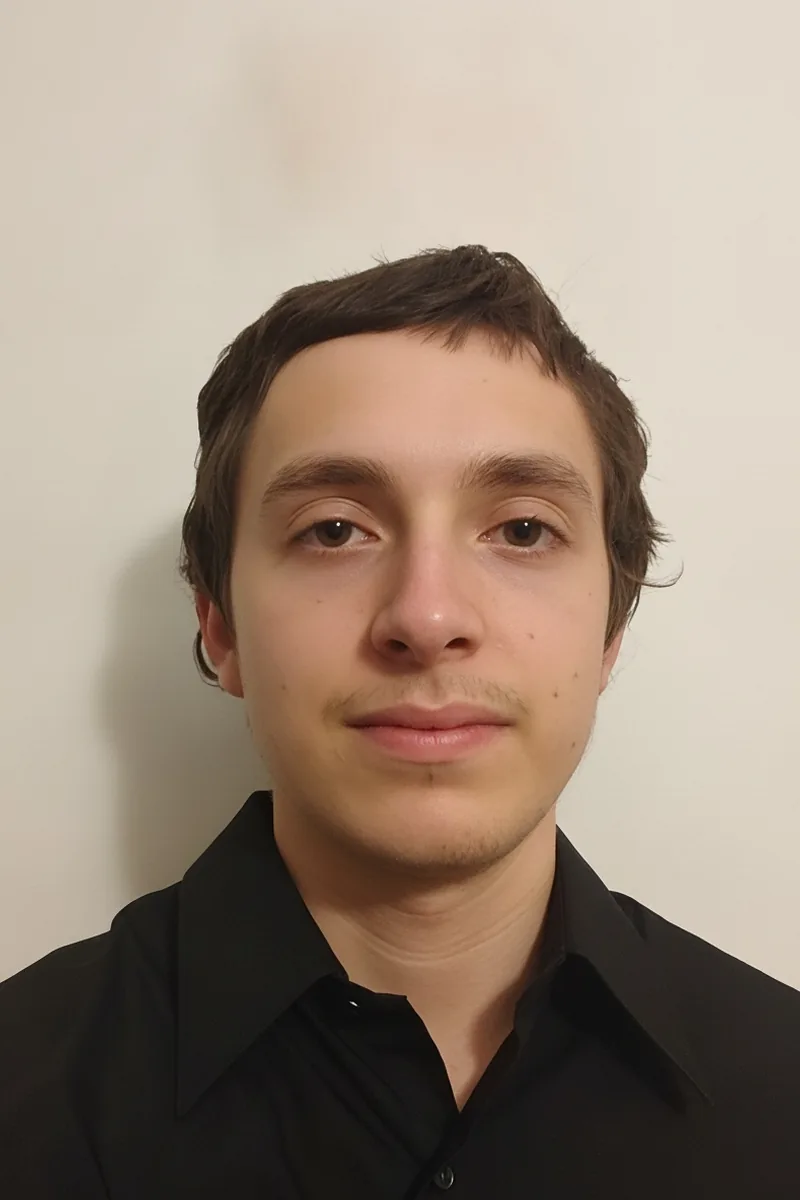
Justin's PhD research in computational mathematics meant writing code daily — building simulations, implementing algorithms, and debugging in MATLAB and other languages. He teaches computer science concepts like data structures, recursion, and algorithmic complexity by connecting them to real computational problems rather than treating them as abstract definitions to memorize.
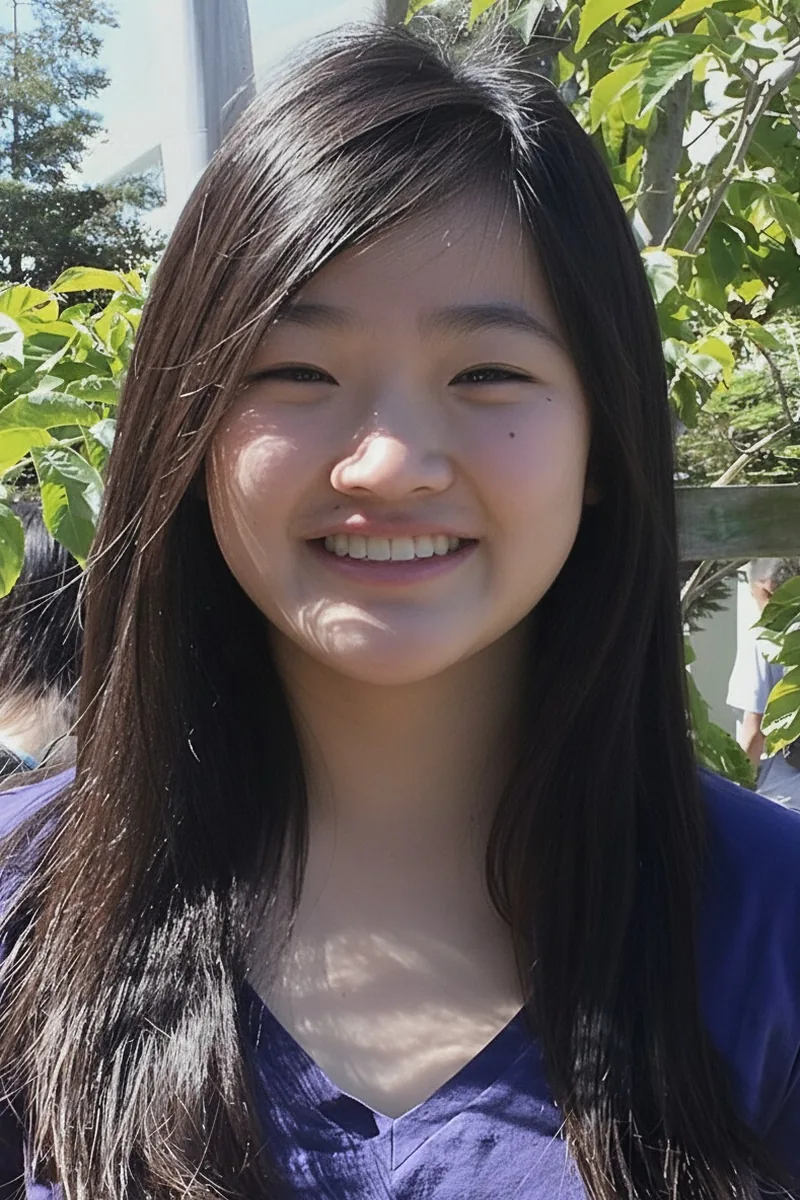
Earning a certificate in Statistics and Machine Learning at Princeton gave Julie hands-on experience with core computer science concepts — algorithm design, data structures, and computational complexity. She approaches CS the way she approaches philosophy: by asking students to reason through *why* a solution works, not just whether it compiles.
Three Bachelor of Science degrees — including Neuroscience — meant Anna was writing code long before she started teaching it, using Java, Python, and MATLAB to analyze data and build computational models across disciplines. That cross-field experience shapes how she teaches CS fundamentals: students don't just learn syntax, they learn to think about what a program needs to do before structuring it in any particular language. Rated 5.0 by students.
From data structures and algorithm analysis to the fundamentals of how operating systems and networks function, Nicholas covers computer science with the depth his Penn State CS degree provided. He's especially strong at explaining recursion, sorting algorithms, and Big-O notation — the concepts that separate students who can code from students who truly understand computation. Rated 5.0 by students.
Ryan is a computer science major at Cornell, which means he's actively working through the same core curriculum — algorithms, data structures, computational complexity — that college CS students encounter. He explains concepts like recursion, Big-O analysis, and graph traversal by tracing through concrete examples rather than relying on abstract definitions. Rated 4.8 across his sessions.
Studying both chemical engineering and computer science at Cornell gives Jonathan an unusual angle on programming — he's constantly writing code to solve quantitative, real-world problems rather than just completing standalone assignments. That dual perspective makes him especially effective at teaching algorithmic thinking and Java or Python fundamentals, since he can show students how CS concepts like iteration and data manipulation actually get applied in technical fields outside of software development.
Earning a computer science minor at Penn meant Cody went deep on data structures, algorithms, and programming logic alongside students in one of the country's top CS programs. His cognitive science major adds an unusual edge: he understands how people learn to think computationally, which makes him effective at explaining recursion, sorting algorithms, or Big-O analysis in ways that actually stick.
From data structures and algorithms to systems-level thinking, computer science covers enormous ground. John earned a BS in Computer Science and codes in Java, C++, and SQL, giving him the range to dig into whatever topic is causing trouble — whether that's recursion, Big-O analysis, or database design.
Studying computer science at Cornell, Eric tackles everything from algorithm analysis and Big-O notation to systems-level concepts like memory management and recursion. He breaks down problems the way a CS student actually encounters them — whiteboarding a solution, tracing through edge cases, then translating logic into clean code. His 5.0 rating speaks to how clearly that approach lands.
Pursuing both computer science and data science at NYU's Courant Institute with a cybersecurity minor, Diego lives in this material daily — from algorithms and data structures to networking and systems-level thinking. He breaks abstract CS concepts into smaller, buildable pieces so students can trace the logic themselves rather than just copying solutions.
Recursion, data structures, algorithmic complexity — these topics trip up students who try to memorize patterns without understanding why they work. Kevin holds both a bachelor's and master's in computer science from NYU, and he's the kind of tutor who will explain a concept three different ways until the logic genuinely lands. Rated 4.8 by students.
A PhD candidate whose research sits at the intersection of computer science and engineering, Dibyendu brings depth in areas like compilers, operating systems, and algorithms that most tutors only know from a textbook chapter. He teaches these topics by connecting them — showing how a compiler's optimization choices relate to data structure selection, or why operating system scheduling matters for algorithm performance. Rated 4.8 by students.
David is a Computer Science major at UCLA's Engineering School with hands-on industry experience from a software engineering internship at Adobe. He tackles core CS topics — data structures, algorithm analysis, recursion, and computational complexity — by tying abstract ideas back to real implementation decisions. Rated 4.8 by students.
Computational problem-solving sits at the center of Wesley's graduate research in biophysical chemistry, where he regularly writes and debugs code for data analysis and modeling. He tackles Computer Science topics — from algorithm efficiency to data structures to recursion — by connecting abstract concepts to the engineering applications that make them intuitive.
Studying computer science alongside finance and statistics at NYU, Eric sees programming not as an isolated skill but as a tool for solving real quantitative problems — from building data pipelines to automating financial models. He unpacks core concepts like data structures, algorithmic complexity, and object-oriented design by tying them to practical applications students can visualize.
From data structures and algorithms to Big-O analysis, Aiden tackles the core CS concepts that show up in both AP Computer Science and introductory college courses. He's currently a computer science major at SUNY Binghamton, so the material is fresh — he can connect classroom theory to the actual coding assignments students are working through.
Pursuing a Master's in Computational Linguistics puts Justin at the intersection of programming, algorithms, and language processing every day. He explains core CS concepts — data structures, recursion, algorithmic complexity — by grounding them in practical problems rather than abstract definitions. Students who struggle with the leap from writing code that works to understanding why it works tend to benefit most from his approach.
Environmental engineering demands serious computational skills — from writing scripts to model water flow to building simulations of pollutant dispersion. Maggie brings that applied coding background to computer science tutoring, breaking down data structures, algorithms, and debugging strategies with the clarity of someone who's used them to solve real problems.
I'm a professional software engineer at a top tech company in New York City. I have a strong passion for software development, most notably in the areas of full-stack web development, iOS development, Artificial intelligence, large scale distributed systems, and micro services.
A computer science major at Columbia, Brendon tackles core topics like data structures, algorithms, and object-oriented design by connecting abstract concepts to concrete problem-solving steps. His statistics background adds an extra dimension when students encounter topics like computational complexity analysis or probability-driven algorithms. Rated 5.0 by students.
Stephen graduated from RPI with a dual degree in Computer Science and Mathematics, giving him depth across both the theoretical and applied sides of CS — from algorithm analysis and automata theory to hands-on implementation in multiple languages. He tackles topics like time complexity, recursion, and data abstraction by connecting the formal definitions to code students can actually run and test.
Studying computer science at UVA means Ryan is deep in the material right now — from data structures and algorithms to object-oriented design principles. He breaks down abstract concepts like recursion and sorting efficiency by walking through code line by line, making the logic tangible. Rated 5.0 by students.
Between her neural engineering research and coursework at Barnard, Meghna uses programming as a practical tool — not just an academic exercise. She teaches core concepts like loops, conditionals, data structures, and algorithmic thinking by connecting them to real problems, so students understand why code works the way it does.
I am a sophomore at Columbia University, studying political science and philosophy. I often like to joke that teaching runs in my blood I come from a family of teachers who instilled in me the passion to help others learn. Since I could grasp concepts I learned in school, I've always gone out of my way to help my fellow classmate. As I got older, that became formalized tutoring through school organizations and I eventually worked for the New York City Department of Education. There, I helped students with their standardized testing for the state assessments and the SAT. I love teaching math because I feel it's the subject where I can gauge the strength of my students best. Math is such a versatile (though widely-hated) subject, where every unique learning style can always result in the same answer. I also get the most freedom when it comes to designing questions to help students grow and practicing alongside them easily the most fun part of a tutoring session with me. I'm never shy when it comes to tutoring anything else, though, whether it be any sort of history, literature, or government-related topic. My goal as a tutor is not all about teaching anything new to my students, but instead drawing out the skills they already have.
Debugging a program teaches more about computer science than writing one that works on the first try. Ankit's approach to CS leans heavily on problem decomposition: breaking a complex task into smaller functions, tracing logic flow, and understanding data structures like arrays, linked lists, and trees at a conceptual level before coding them. His analytical training in chemistry translates directly to the systematic thinking CS demands.
A biomedical engineering degree paired with a computer science minor means Laura has applied CS concepts — data structures, algorithm complexity, recursion — to real-world engineering problems, not just textbook exercises. She unpacks topics like sorting algorithms and Big-O analysis by connecting abstract theory to what the code is actually doing in memory.
Deeptha spent her entire time at UAB as a Teaching Assistant across courses ranging from Introduction to Computation to Computer Vision, giving her a rare breadth across CS fundamentals like data structures, algorithms, and automata theory. She breaks down abstract concepts — recursion, Big-O analysis, object-oriented design — by connecting them to practical coding problems rather than leaving them as textbook definitions. Rated 4.5 by students.
Stephen earned his bachelor's in computer science, so he teaches programming concepts — loops, data structures, algorithms, object-oriented design — from genuine fluency rather than a script. Whether a student is debugging their first Python function or working through recursion problems, he digs into the logic step by step until the reasoning is clear.
Spanning everything from algorithms and data structures to networking and assembly language, Kyle's computer science knowledge runs unusually deep across the stack. He doesn't just teach syntax — he unpacks the underlying logic of recursion, time complexity, and system design so that new topics feel like extensions of ideas students already understand. His 5.0 rating speaks to how well that approach lands.
Understanding computer science means thinking in layers: what a program does, how data structures organize information, and why one algorithm outperforms another. Shlomo connects these layers by walking through sorting algorithms, recursion trees, and Big-O analysis with concrete examples rather than purely theoretical definitions. Students leave sessions able to reason about code, not just write it.
Kirollos is pursuing dual degrees in Computer Science and Electrical Engineering at NYU, which means he lives at the intersection of software and hardware every day. He breaks down core concepts like data structures, algorithm complexity, and object-oriented design by connecting them to real systems he's built in both Java and C++.
Studying computer science at Yale means Serina lives in this material daily — from data structures and algorithms to computational thinking and problem decomposition. She teaches foundational concepts like recursion, sorting, and object-oriented design by walking through the logic step by step before ever touching code, so the reasoning clicks first.
Rohan approaches computer science from the hardware side up — his electrical engineering studies at Stony Brook mean he understands how code actually executes at the circuit level, which gives students a deeper grasp of topics like data structures, algorithm efficiency, and memory management. He connects abstract CS concepts to what's physically happening inside a processor.
From sorting algorithms to data structures to Big-O analysis, computer science is really about learning to think in tradeoffs. Niles graduated from Lafayette with a BS in Computer Science and approaches each topic by connecting the theory — why a hash table beats a linked list for lookups, for instance — to practical implementation.
Zain approaches computer science the way he approaches any complex system — by breaking it into smaller, logical components and understanding how they connect. His strength is in making abstract concepts like data structures, loops, and conditional logic feel intuitive, especially for students who don't yet think of themselves as 'computer people.'
Electrical engineering taught Sam to think about systems from the hardware up — how signals move, how circuits process logic, how physical constraints shape the software running on top of them. That perspective gives him a distinctive way of teaching CS fundamentals like binary arithmetic, boolean logic, and how code ultimately translates into operations a machine can execute.
Currently studying CS at NYU, Abrar teaches programming concepts like control flow, loops, and object-oriented design in Java, Python, and JavaScript — languages he's actively using in his own coursework and projects. He's particularly good at breaking down how to think through a problem before writing a single line of code, which is the skill that separates students who can follow tutorials from those who can actually build things. Rated 5.0 by students.
Breaking into computer science can feel overwhelming when you're staring at a blank IDE for the first time. Alisha takes a structured, logical approach to foundational concepts like variables, loops, conditionals, and basic data structures, making the reasoning behind each concept clear before moving to implementation. Her psychology training gives her a keen sense of where confusion typically builds and how to address it before frustration sets in.
I am a senior studying computer science at MIT. I have 5+ years experience teaching students through nonprofit organizations, private tutoring, and being a teaching assistant for MIT courses. I have experience teaching computer science, math, and SAT to students ranging from middle school to college. I hope to help students reach their goals and gain a love for learning.
I am currently an undergraduate student at Stanford University, and I recently graduated top of my class from Phillips Academy, a prestigious private boarding school in Massachusetts. For the past few years, I have tutored students of all different ages, serving as a peer tutor, faculty-nominated department tutor, and mentor for elementary school students. Although I tutor many different subjects, I am particularly passionate about Writing, Math, Physics, and Economics. My tutees and I always have a lot of fun revising essays, and academic research experience has given me a better appreciation of the other subjects. I am also well-versed in standardized test prep. My teaching philosophy is that no subject or concept is beyond the capabilities of any studentwe must only find the right teaching method. I would characterize my tutoring style as adaptable and empowering. I want to focus on not only solving the given problem or revising an essay, but also developing the skills and thinking process to apply to other assignments. For instance, one of my preferred teaching methods utilizes the Socratic method.
Testimonials
Because the right Computer Science tutor makes all the difference.
Average Session Rating – Based on 3.4M Learner Ratings
Nearby Computer Science Tutors
Other Yonkers Tutors
Related Technology and Coding Tutors in Yonkers
Frequently Asked Questions
Varsity Tutors matches Yonkers students with expert Computer Science tutors for 1-on-1 instruction. We pair each student with a tutor based on their specific needs, learning style, and goals.
Whether you need homework help, exam prep, or want to get ahead, our Computer Science tutors are ready to help.
Common challenges include gaps from earlier material, difficulty with specific concepts, and trouble applying learning to new problems. These issues can snowball quickly in Computer Science.
A tutor identifies where you're stuck, fills in gaps, and provides targeted practice. The 1-on-1 format means you get help exactly where you need it.
Tutors work with your student's actual coursework—homework assignments, class notes, and upcoming tests. This keeps tutoring directly relevant to what's happening in the classroom.
When you share information about your student's school and curriculum, we can match you with a tutor who has relevant experience.
All tutors complete background checks, credential verification, and teaching evaluation. Many of our Computer Science tutors hold advanced degrees or have years of teaching experience.
You can review tutor profiles to find someone with the right background for your student's level and needs.
Many students see improved grades within a few weeks, along with better understanding of Computer Science concepts and more confidence tackling challenging material.
Tutors track progress and adjust their approach to ensure continued improvement.
Most students benefit from 1-2 sessions per week. More frequent sessions help if your student is significantly behind or has an important exam coming up.
Your tutor can recommend a schedule based on your student's specific situation and goals.
Tutoring is purchased in packages of hours, with rates varying by tutor experience. Varsity Tutors offers several options to fit different budgets and needs.
You can discuss pricing during your consultation to find what works best.
Your tutor will assess where your student is, discuss goals, and start working on priority areas. Most students bring current homework or upcoming test material to focus on.
By the end, you'll have a clear sense of how the tutor can help and a plan for moving forward.
Let’s find your perfect tutor
Answer a few quick questions. We’ll recommend the right plan and match you with a top 5% tutor.