Award-Winning Computer Science Tutors
serving Nashville, TN
Computer Science
Tutors in Nashville
Private 1-on-1 tutoring, weekly live classes for academic support, test prep & enrichment, practice tests and diagnostics, and more to elevate grades and test scores.
Based on 3.4M Learner Ratings
UniversitiesSchools & Universities
DeliveredHours Delivered
ProficiencyGrowth in Proficiency
Who needs tutoring?
No obligation. Takes ~1 minute.

Learning to code is really learning to decompose problems — figuring out what a program needs to do before writing a single line. Nat is double-majoring in computer science at Vanderbilt and unpacks core topics like loops, conditionals, data structures, and algorithm design in ways that build genuine understanding. Whether a student is writing their first Python script or debugging recursive functions, he connects each concept to the logic behind it.
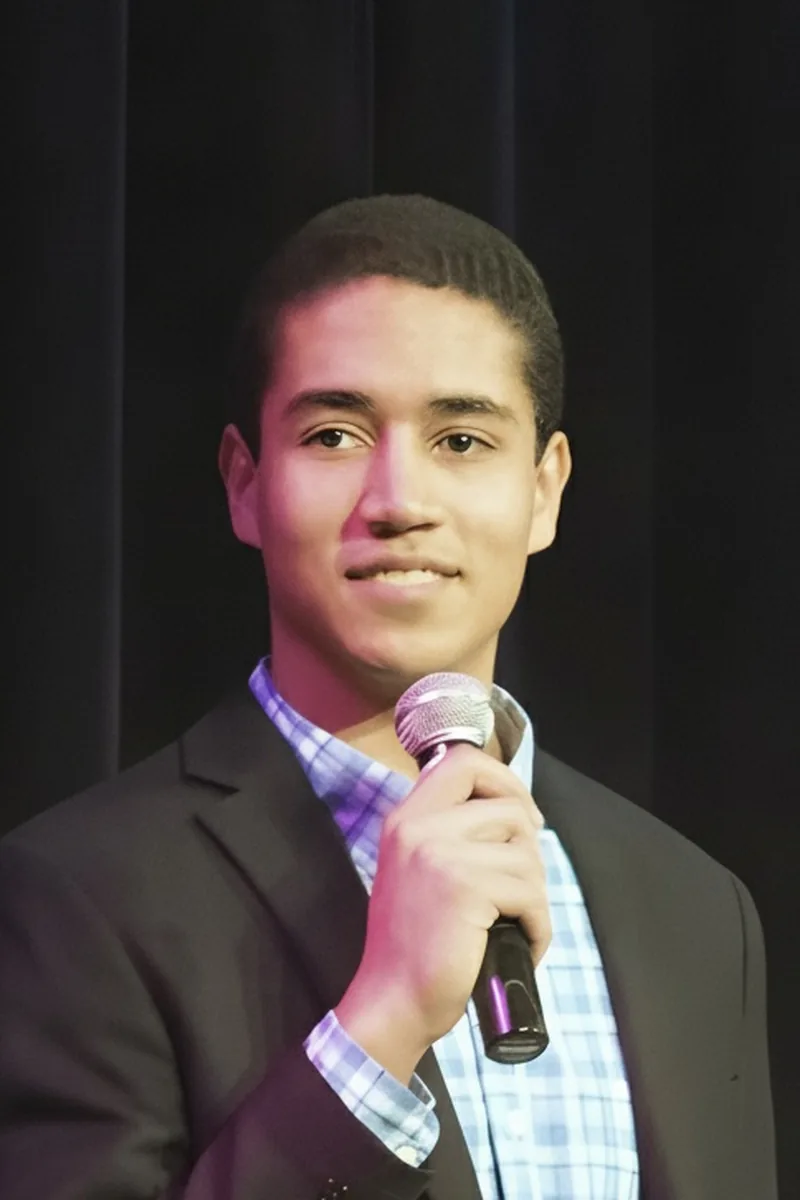
From sorting algorithms and Big-O analysis to data structures like linked lists and binary trees, Rhamy covers the foundational CS concepts that show up in coursework and technical interviews alike. His computer engineering degree at Vanderbilt, paired with experience in multiple languages, lets him explain abstract ideas through concrete code. Rated 5.0 by students.
I'm a sophomore at Vanderbilt University studying computer science, currently focusing on iOS and game development. I like growing as a person, but I find it much more interesting and rewarding to grow other people. Seeing a student change, not in intellect but in perspective, is fascinating. I like to focus more on concepts rather than memorization so that students will have the tools to excel in any facet of academia, beyond some random test that holds too much significance.
I am an Undergraduate Student at Vanderbilt University. With years of tutoring experience and a solid academic foundation, I am fully equipped to teach in various subjects at many different levels.
From data structures and algorithms to computational complexity, Michelle covers the core CS curriculum with the depth you'd expect from a Duke CS graduate heading into a PhD at Michigan. She's especially strong at explaining abstract concepts like recursion and graph traversal by connecting them to concrete, visual examples that make the logic intuitive.
Pursuing a PhD in computer science means Eduardo isn't just recalling introductory material — he's actively working with algorithms, data structures, and computational theory every day. He walks students through concepts like recursion, sorting algorithms, and Big-O analysis by writing actual code alongside the theory. That combination of hands-on programming and formal understanding makes tricky CS topics far more approachable.
From automata theory and computational complexity to practical algorithm design, Firas covers computer science as both a theoretical discipline and a hands-on craft. His Ph.D. research at the intersection of machine learning and big data means he can connect abstract CS concepts — graph traversals, runtime analysis, NP-completeness — to the systems that actually use them. Rated 5.0 by students.
Corrina's mechanical engineering degree required extensive programming coursework, and she now teaches core computer science concepts — data structures, algorithms, Boolean logic, and computational thinking — in a way that makes abstract ideas tangible. She connects each concept to real applications, whether that's sorting algorithms in a search engine or conditionals inside a robot's control loop.
Recursion, data structures, algorithmic complexity — these topics trip up students who try to memorize patterns without understanding why they work. Kevin holds both a bachelor's and master's in computer science from NYU, and he's the kind of tutor who will explain a concept three different ways until the logic genuinely lands. Rated 4.8 by students.
Julia is a computational science major at Stanford who writes code daily and understands the gap between knowing syntax and thinking like a programmer. She digs into core concepts like recursion, data structures, and algorithm design by walking through problems step by step until the logic becomes intuitive. Students learning Python, Java, or tackling their first real debugging challenge get someone who can explain the *why* behind every line.
From sorting algorithms to recursion to object-oriented architecture, computer science rewards the ability to think in layers of abstraction. Joel is pursuing CS at Cornell alongside physics, which means he approaches programming problems with both mathematical rigor and practical debugging instincts. He's comfortable across Python and Java and adapts to whatever language a student's course requires.
Studying computer science at Cornell's College of Engineering, Ravnoor digs into topics like data structures, algorithms, and object-oriented design on a daily basis. He breaks complex problems — recursion, linked lists, sorting efficiency — into smaller, concrete steps so students build genuine understanding they can apply to new challenges independently.
John transitioned from law into co-founding a software company, which meant teaching himself to think in algorithms, data structures, and system design under real deadlines. He approaches computer science the same way — breaking problems into smaller, solvable pieces before writing a single line of code. That builder's mindset makes debugging and logic design feel less intimidating.
From basic programming constructs all the way up to computational analysis and finite automata, Andrew has tutored the full range of computer science topics at both the high school and college level. His CS degree gives him the depth to explain not just how an algorithm works but why its time complexity matters. Rated 5.0 by students.
Between his coursework at Rice and his background in algorithms, Daniel tackles computer science from both the practical and theoretical sides — writing clean code and understanding why one sorting algorithm outperforms another for a given dataset. He's especially strong at breaking down recursion, data structures, and algorithmic complexity into steps that build logically on each other.
Michael earned his B.S. in Computer Science from UCLA, where he dug into everything from data structures and algorithms to software design principles. He breaks down abstract concepts like recursion, Big-O analysis, and object-oriented programming into concrete, step-by-step logic that clicks. He also teaches JavaScript, giving him a practical edge when students need to connect theory to actual code.
Justin's PhD research in computational mathematics meant writing code daily — building simulations, implementing algorithms, and debugging in MATLAB and other languages. He teaches computer science concepts like data structures, recursion, and algorithmic complexity by connecting them to real computational problems rather than treating them as abstract definitions to memorize.
Trained in computer science at UT Austin and currently pursuing a PhD that blends computational methods with social science, David brings both theoretical depth and applied versatility to CS instruction. He digs into core topics like algorithm analysis, data structures, and computational complexity, connecting them to the kind of real-world problem-solving that makes the discipline click.
Testimonials
Because the right Computer Science tutor makes all the difference.
Average Session Rating – Based on 3.4M Learner Ratings
Nearby Computer Science Tutors
Other Nashville Tutors
Related Technology and Coding Tutors in Nashville
Frequently Asked Questions
Your first session is about understanding your goals and current skill level. A tutor will ask about the programming languages you're learning, specific topics you're struggling with (like debugging, data structures, or algorithmic thinking), and what you hope to accomplish—whether that's acing AP Computer Science, building a project, or mastering a particular framework. This helps them create a personalized plan tailored to your learning style and pace.
Debugging is one of the most valuable skills in programming, and tutors excel at teaching systematic approaches to finding and fixing errors. Rather than just telling you the answer, a tutor will guide you through reading error messages, tracing code logic, and using debugging tools effectively. This hands-on code review process helps you develop problem-solving skills that transfer to every program you write.
Syntax is the grammar of a programming language—the specific rules for writing code in Python, Java, C++, etc. Logic is the algorithmic thinking behind solving problems. Many students struggle more with logic (breaking down problems into steps, understanding data structures, designing algorithms) than syntax. Tutors help you master both by teaching you how to think through problems first, then translate that thinking into code, regardless of which language you're using.
Absolutely. Project-based learning is one of the most effective ways to solidify Computer Science skills. Tutors can guide you through building web applications, games, data analysis projects, or whatever aligns with your interests and goals. They'll help you plan the project structure, work through technical challenges as they arise, review your code for best practices, and teach you how to debug and improve your work—giving you a portfolio piece and real-world experience.
Yes. Varsity Tutors connects you with tutors who have expertise in various Computer Science specializations. Whether you're interested in web development (JavaScript, React, backend frameworks), data science (Python, machine learning), game development (Unity, Unreal), or other areas, you can find a tutor with hands-on experience in that field. This specialized knowledge helps you learn industry-relevant skills and best practices from someone who actually works in that space.
For students in Nashville taking AP Computer Science Principles or AP Computer Science A, tutors can break down challenging topics like object-oriented programming, algorithms, and the Create Performance Task. They help you understand not just how to write code, but the computer science concepts behind it—which is what the AP exam tests. Tutors also help you practice problem-solving under time pressure and review your work to ensure it meets exam standards.
Algorithmic thinking—breaking complex problems into step-by-step solutions—is the foundation of all programming. It's harder to teach than syntax because it requires practice and feedback. Tutors help you develop this skill by working through problems together, asking guiding questions that help you think through logic, and showing you how experienced programmers approach unfamiliar challenges. Over time, this builds your confidence in tackling new problems independently.
Data structures (arrays, linked lists, trees, graphs, hash tables) are abstract concepts that confuse many students. Tutors make them concrete by visualizing how they work, showing real examples, and having you implement them yourself. They help you understand not just what each structure is, but when and why you'd use it to solve a specific problem—turning a confusing topic into practical knowledge you can apply in interviews and real projects.
Let’s find your perfect tutor
Answer a few quick questions. We’ll recommend the right plan and match you with a top 5% tutor.