Award-Winning Computer Science Tutors
serving Memphis, TN
Computer Science
Tutors in Memphis
Private 1-on-1 tutoring, weekly live classes for academic support, test prep & enrichment, practice tests and diagnostics, and more to elevate grades and test scores.
Based on 3.4M Learner Ratings
UniversitiesSchools & Universities
DeliveredHours Delivered
ProficiencyGrowth in Proficiency
Who needs tutoring?
No obligation. Takes ~1 minute.
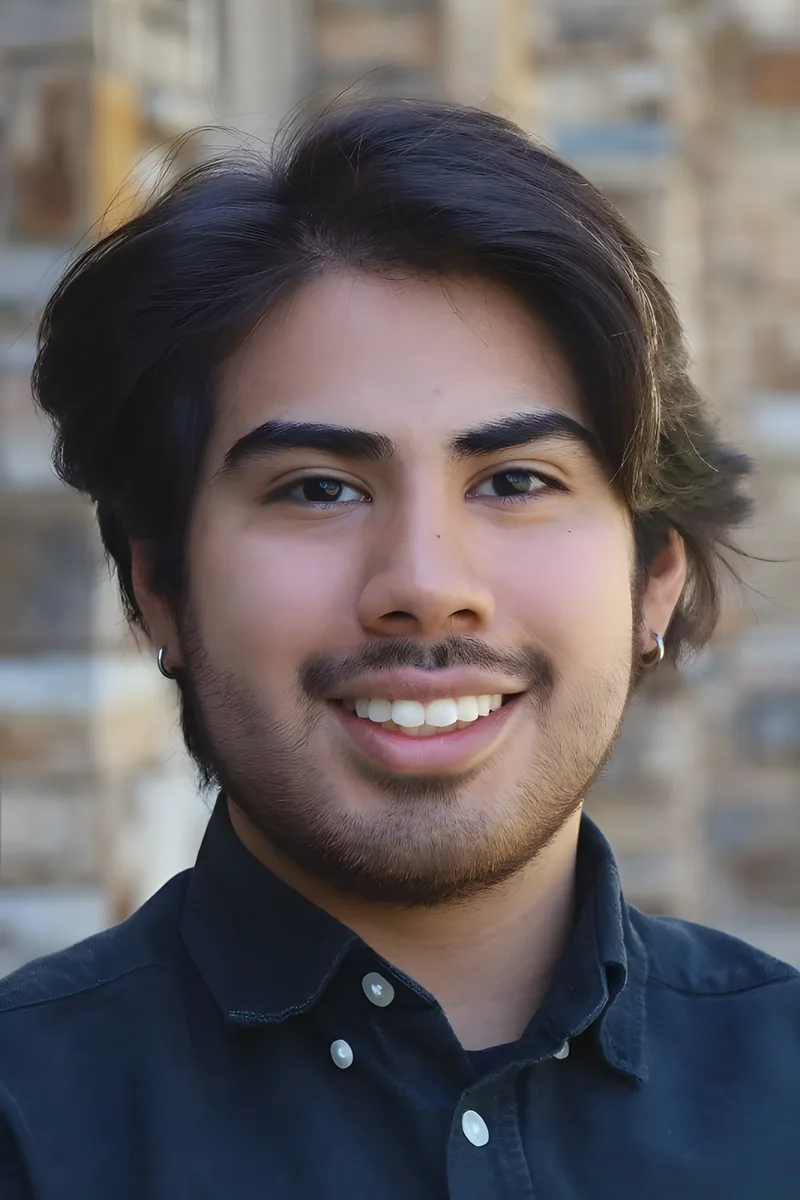
Pursuing a PhD in computer science means Eduardo isn't just recalling introductory material — he's actively working with algorithms, data structures, and computational theory every day. He walks students through concepts like recursion, sorting algorithms, and Big-O analysis by writing actual code alongside the theory. That combination of hands-on programming and formal understanding makes tricky CS topics far more approachable.

Learning to code is really learning to decompose problems — figuring out what a program needs to do before writing a single line. Nat is double-majoring in computer science at Vanderbilt and unpacks core topics like loops, conditionals, data structures, and algorithm design in ways that build genuine understanding. Whether a student is writing their first Python script or debugging recursive functions, he connects each concept to the logic behind it.
From sorting algorithms and Big-O analysis to data structures like linked lists and binary trees, Rhamy covers the foundational CS concepts that show up in coursework and technical interviews alike. His computer engineering degree at Vanderbilt, paired with experience in multiple languages, lets him explain abstract ideas through concrete code. Rated 5.0 by students.
From data structures and algorithms to computational complexity, Michelle covers the core CS curriculum with the depth you'd expect from a Duke CS graduate heading into a PhD at Michigan. She's especially strong at explaining abstract concepts like recursion and graph traversal by connecting them to concrete, visual examples that make the logic intuitive.
I'm a sophomore at Vanderbilt University studying computer science, currently focusing on iOS and game development. I like growing as a person, but I find it much more interesting and rewarding to grow other people. Seeing a student change, not in intellect but in perspective, is fascinating. I like to focus more on concepts rather than memorization so that students will have the tools to excel in any facet of academia, beyond some random test that holds too much significance.
I am an Undergraduate Student at Vanderbilt University. With years of tutoring experience and a solid academic foundation, I am fully equipped to teach in various subjects at many different levels.
A computer science degree paired with coursework in theoretical mathematics gives Lance an unusually strong grasp of the abstractions underneath the code — automata theory, algorithm complexity, data structures, and computational logic. He spent multiple semesters as a TA and independent instructor for CS courses, so he's seen firsthand which concepts trip students up and how to reframe them. Whether the topic is graph traversal or NP-completeness, he breaks it into pieces that actually make sense.
Madeline's physics PhD work at Carnegie Mellon means she writes code daily — Python, Java, MATLAB, and Mathematica — to model complex systems and crunch data, which is a very different entry point into computer science than a pure software track. That scientific computing background makes her especially effective at teaching programming logic, debugging strategies, and algorithmic thinking to students who need CS skills for STEM applications rather than just app development.
Engineering science at Vanderbilt means Ethan writes code to solve real problems — simulations, data analysis, algorithm design — not just textbook exercises. He breaks down core concepts like recursion, data structures, and object-oriented design by connecting them to projects that actually do something interesting.
From basic programming constructs all the way up to computational analysis and finite automata, Andrew has tutored the full range of computer science topics at both the high school and college level. His CS degree gives him the depth to explain not just how an algorithm works but why its time complexity matters. Rated 5.0 by students.
Pursuing a computer engineering degree at Georgia Tech means Yash lives in the overlap between hardware and software — algorithms, data structures, computational logic, and systems design are daily coursework. He's especially strong at explaining foundational concepts like Big-O analysis, sorting algorithms, and binary representation in ways that click for students seeing them for the first time.
Eric treats coding problems the same way he treats logical puzzles — by breaking them apart, finding the pattern, and building a solution step by step. As a CS major at Washington University in St. Louis, he's deep in Java and JavaScript right now, which means he can walk students through everything from writing their first function to structuring a full object-oriented program. His approach emphasizes learning to think through problems algorithmically before jumping to syntax.
A Duke CS graduate now pursuing a Master's in Cybersecurity, Noah covers everything from foundational data structures and algorithms to systems-level concepts like memory management and network protocols. He breaks down abstract topics — recursion, Big-O analysis, object-oriented design — by connecting them to real problems rather than leaving them as textbook definitions. Students get someone who's still actively building in the field, not just teaching from notes.
John transitioned from law into co-founding a software company, which meant teaching himself to think in algorithms, data structures, and system design under real deadlines. He approaches computer science the same way — breaking problems into smaller, solvable pieces before writing a single line of code. That builder's mindset makes debugging and logic design feel less intimidating.
Alston is pursuing a Computer Science degree at the University of Virginia, which means he's actively working through data structures, algorithms, and object-oriented design — not recalling them from years ago. He breaks down concepts like recursion and sorting algorithms by walking through the logic step by step, letting students trace the code themselves until the pattern clicks.
Philosophy trained Calin to build rigorous logical arguments; his math and CS degrees taught him to express that logic in C++ and JavaScript. That combination means he teaches programming concepts — from algorithm design to data structure selection — as exercises in precise reasoning, where every line of code follows from a clear chain of thought. Rated 5.0 by students.
Florence doesn't just study computer science at Duke — she teaches it, having served as a TA for Intro to Databases and Computer Network Architecture while also interning in software development at IBM. That combination of academic depth and industry experience means she can explain everything from relational algebra to TCP/IP networking with concrete, real-world context. Rated 5.0 by students.
Studying computer science at Cornell, Eric tackles everything from algorithm analysis and Big-O notation to systems-level concepts like memory management and recursion. He breaks down problems the way a CS student actually encounters them — whiteboarding a solution, tracing through edge cases, then translating logic into clean code. His 5.0 rating speaks to how clearly that approach lands.
Testimonials
Because the right Computer Science tutor makes all the difference.
Average Session Rating – Based on 3.4M Learner Ratings
Nearby Computer Science Tutors
Other Memphis Tutors
Related Technology and Coding Tutors in Memphis
Frequently Asked Questions
Computer Science tutoring covers a wide range of topics including programming fundamentals, object-oriented design, data structures, algorithms, debugging techniques, and problem-solving strategies. Depending on your goals, tutors can also focus on specialized areas like web development, game development, data science, or preparing for AP Computer Science exams. The curriculum is personalized to match your current level and learning objectives.
Syntax is the specific rules and grammar of a programming language—how you write code so the computer understands it. Logic, on the other hand, is the problem-solving approach and algorithmic thinking behind what you're trying to accomplish. Many students struggle when they focus too heavily on syntax memorization without developing strong logical thinking skills. Expert tutors help you build both by teaching you to think through problems first, then express those solutions in code.
Debugging is a critical skill that goes beyond just finding where code breaks. Tutors teach you systematic approaches to identify errors—like reading error messages carefully, using debugging tools, and tracing through your code step-by-step. Rather than simply fixing bugs for you, expert tutors guide you through the problem-solving process so you develop the independence to debug your own code. This hands-on approach builds confidence and deeper understanding of how your programs actually work.
Yes. Project-based learning is one of the most effective ways to develop Computer Science skills because it forces you to apply concepts in realistic scenarios. Tutors can guide you through building applications, games, or data analysis projects while teaching you best practices for code organization, testing, and documentation. This approach helps you move beyond isolated coding exercises to understand how different concepts work together in actual software.
Data structures—like arrays, linked lists, trees, and hash tables—are fundamental to writing efficient code and solving complex problems. Many students find them abstract and difficult to visualize. Tutors break down how different data structures work, when to use each one, and how they impact your program's performance. With personalized instruction and hands-on coding practice, you'll develop intuition for choosing the right structure for each problem.
Absolutely. Varsity Tutors connects you with tutors who specialize in different Computer Science paths. Whether you're interested in web development, game development, artificial intelligence, cybersecurity, or data science, you can work with a tutor who has expertise in your area of focus. This specialized approach means you're learning practical skills and frameworks directly relevant to your goals, not just general programming theory.
Your first session focuses on understanding your current skill level, learning goals, and specific challenges. You'll discuss whether you're just starting out, preparing for an exam, or working on a particular project. The tutor will ask about your programming experience, any languages you've learned, and what you find most confusing. From there, you'll create a personalized plan that addresses your needs and keeps you progressing toward your goals.
Yes. With over 250 schools across the Memphis area, Varsity Tutors connects students from all backgrounds and school districts with expert tutors. Whether you're in a large high school or smaller district, you can get personalized Computer Science instruction tailored to your specific curriculum and academic goals. Tutors are familiar with different course sequences and can help you succeed whether you're in an introductory course or advanced placement level.
Let’s find your perfect tutor
Answer a few quick questions. We’ll recommend the right plan and match you with a top 5% tutor.