Award-Winning AP Computer Science A Tutors
serving Nashville, TN
AP Computer Science A
Tutors in Nashville
Private 1-on-1 tutoring, weekly live classes for academic support, test prep & enrichment, practice tests and diagnostics, and more to elevate grades and test scores.
Based on 3.4M Learner Ratings
UniversitiesSchools & Universities
DeliveredHours Delivered
ProficiencyGrowth in Proficiency
Who needs tutoring?
No obligation. Takes ~1 minute.
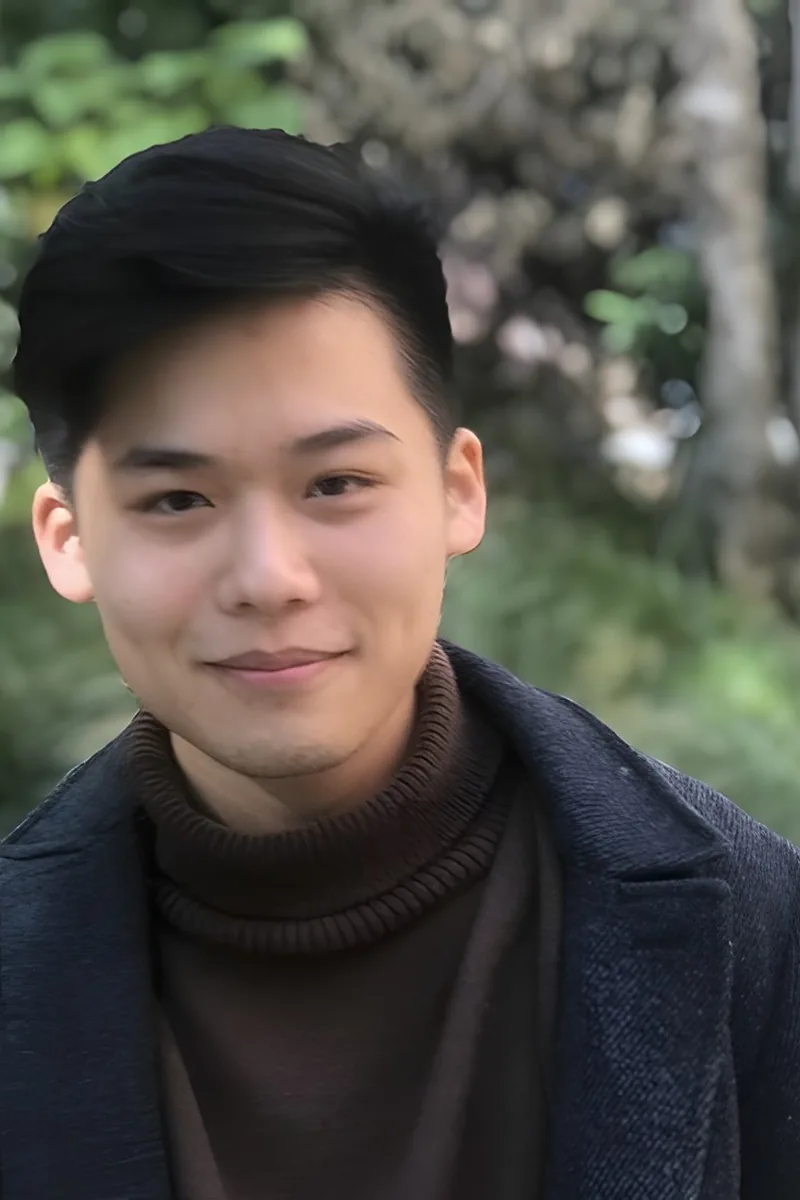
iOS and game development projects at Vanderbilt mean Kerr writes in Swift and C# regularly, but that cross-language fluency is exactly what makes Java's quirks — type casting, scope rules, the way interfaces differ from abstract classes — easier to explain from first principles. He digs into AP CSA's trickier free-response territory by having students build and trace small programs in real time, catching logic errors before they become habits. Rated 4.9 by students.
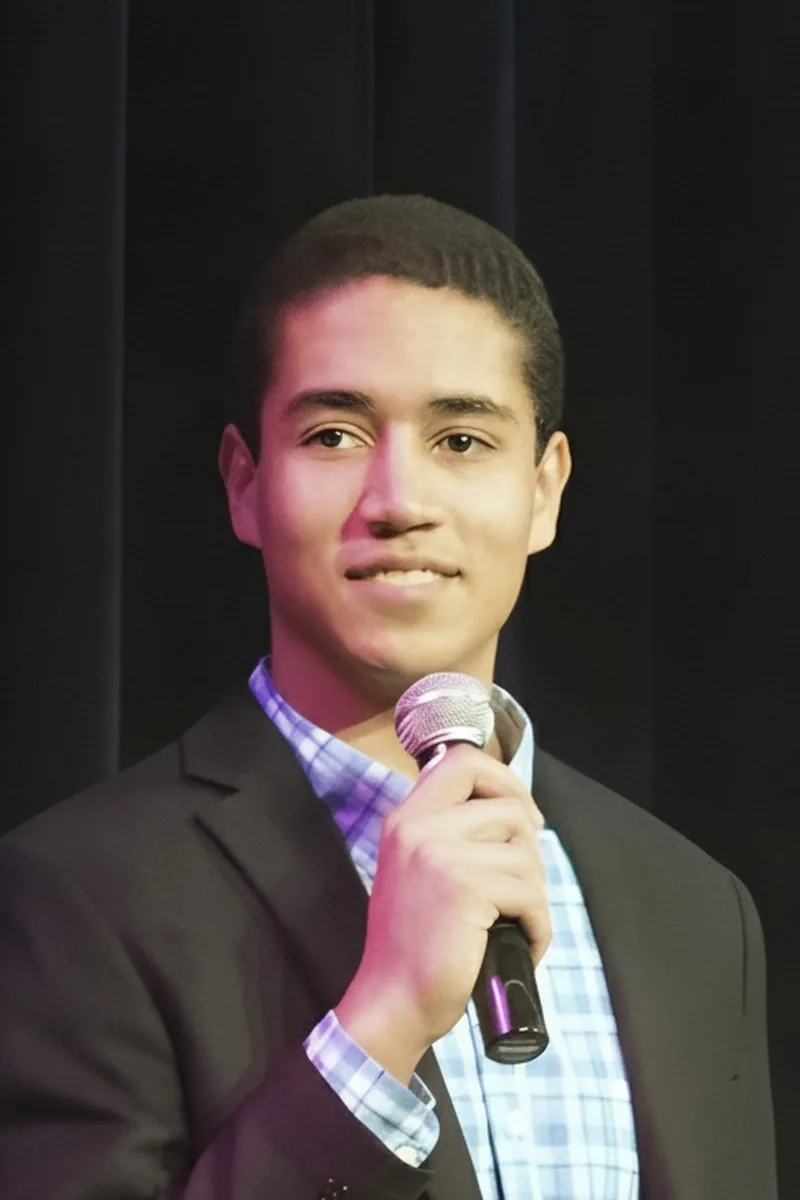
A computer engineering major who codes in Java, C++, and JavaScript daily, Rhamy digs into AP Computer Science A at the level where object-oriented design actually clicks — not just writing classes, but understanding why inheritance and polymorphism make code reusable. He walks through array manipulation, recursion, and sorting algorithms with the kind of precision that turns a 3 into a 5.
Fresh out of Duke's CS program and heading into a PhD at Michigan, Michelle writes Java the way the AP CSA exam expects — with careful attention to how classes interact, how recursion unwinds, and how data structures behave under the hood. She pairs that technical depth with a sociology-trained instinct for clear communication, breaking down abstract concepts like polymorphism and encapsulation into language that actually sticks. Rated 5.0 by students.
Between simulating cosmic ray acceleration at Princeton and designing optical multiplexer components at Norfolk State, Dennis has written serious computational code in real research settings. He teaches AP Computer Science A concepts like object-oriented design, recursion, and array manipulation by connecting them to how software actually gets used — not just how it appears on the exam. That research experience means he can explain why a particular data structure matters, not just how to implement it.
Grading assignments and running labs for Rice University's Fundamentals of Computer Engineering course means Omar sees exactly where students' code logic falls apart — missing base cases, confused reference types, sloppy loop boundaries. He brings that same diagnostic eye to AP CSA, teaching students to think through Java's object-oriented structure the way an engineer debugs a circuit: systematically, one connection at a time. Rated 5.0 by students.
Currently studying Computer Science and Data Science at NYU's Courant Institute, Diego writes code in C++, Python, and Java as part of his daily coursework — so AP CSA's object-oriented concepts like arrays, loops, and class structure are things he's actively using, not distantly remembering. His 34 ACT speaks to the kind of careful, detail-oriented thinking that pays off when students need to trace through recursive methods or debug free-response code on exam day.
A perfect 5 on the AP Computer Science exam backs up William's ability to teach Java fundamentals — from array manipulation and recursion to object-oriented class design. He breaks down each free-response question type so students know exactly how to structure their logic and earn full credit on exam day.
Rice CS coursework in Java and Python means Alex writes object-oriented code daily — building classes, tracing recursion, debugging inheritance chains — which maps directly onto what the AP CSA exam tests. He also teaches Scratch and game design to younger students, so he's practiced at adjusting his explanations depending on whether someone is seeing their first for-loop or wrestling with polymorphism on a free-response prompt.
Leading sessions at Code Ninjas meant Lucas wasn't just teaching kids to code — he was diagnosing misconceptions in real time across Java, Python, and JavaScript, which is exactly the skill that matters when an AP CSA student can't figure out why their loop runs one too many times. His CS degree with an AI focus at Penn State means he thinks about Java's object-oriented structure as a foundation for bigger ideas, so he teaches class design and array logic with an eye toward where those patterns show up next. Rated 4.9 by students.
Currently studying computer science at Duke, Susie codes in Java daily — which means AP CSA topics like array manipulation, loop construction, and object-oriented design aren't exam abstractions but tools she actually uses in her coursework. She teaches the reasoning behind each concept first, so students can trace through free-response problems with confidence instead of guessing at syntax.
The AP Computer Science A exam lives and dies on Java fundamentals — array traversal, recursive methods, ArrayList manipulation, and class design. Maxwell breaks down each free-response question type so students learn to trace code execution step by step and catch the off-by-one errors and null-pointer pitfalls the exam is designed to test. He holds a 5.0 client rating.
Having double-majored in computer science and English, Milan brings an unusual combination to AP CSA — he can write clean Java and then explain exactly what it's doing in language that doesn't sound like a textbook. That communication skill matters most on free-response questions, where students need to reason through array manipulation or recursive logic on paper before writing a single line of code.
Years of professional software development give Utsav a working programmer's perspective on Java — he's written, debugged, and shipped real code, so AP CSA topics like object design, array manipulation, and recursive logic aren't academic exercises but daily tools. His Stanford math background also means he can unpack the formal reasoning behind why an algorithm works, which is exactly what the free-response section rewards.
Cornell's Chemical Engineering and Computer Science dual degree means Jonathan writes Java in the same program where he solves differential equations — so he treats AP CSA's class design and algorithm problems with an engineer's instinct for breaking systems into modular, testable pieces. He's particularly sharp on the free-response side, where knowing how to structure a solution before touching code separates fours and fives from threes.
Mechanical engineering at the college level means writing code that controls physical systems — and Corrina's background in robotics, Python, and machine learning gives her a programmer's instinct for how objects, methods, and data structures actually behave when something depends on them working correctly. She teaches AP CSA's trickier concepts like recursive logic and class design by grounding them in that engineering mindset, where every line of code has to do exactly what you think it does.
Testimonials
Because the right AP Computer Science A tutor makes all the difference.
Average Session Rating – Based on 3.4M Learner Ratings
Practice AP Computer Science A
Free practice tests, flashcards, and AI tutoring for AP Computer Science A
Nearby AP Computer Science A Tutors
Other Nashville Tutors
Related Technology and Coding Tutors in Nashville
Frequently Asked Questions
AP Computer Science A focuses on object-oriented programming fundamentals using Java. The curriculum includes variables and data types, control structures, methods and functions, arrays and lists, object-oriented design, inheritance and polymorphism, and algorithms. Students also learn to write, test, and debug code, which makes up a significant portion of the exam. Understanding these core concepts thoroughly is essential, as the AP exam tests both conceptual knowledge and practical coding skills.
Score improvement depends on your starting point and how consistently you engage with tutoring. Students who work with a tutor typically see the most gains by focusing on their weakest areas—whether that's understanding inheritance and polymorphism, mastering array manipulation, or improving code-writing efficiency. Many students improve by 1-2 score points (on the 1-5 scale) over a few months of regular sessions, especially when combined with consistent practice and full-length practice exams. The key is identifying specific gaps early and addressing them systematically.
Many students struggle with object-oriented programming concepts, particularly inheritance, polymorphism, and when to use different data structures. Time management during the exam is another frequent challenge—the free-response section requires writing and debugging code under pressure, which trips up even strong programmers. Additionally, students often underestimate the importance of understanding algorithm efficiency and tracing code execution, both of which appear heavily on the exam. A tutor can help you practice these skills in a low-pressure environment and build the confidence you need on test day.
A solid study plan typically spans 3-4 months and includes three phases: concept mastery (learning topics and practicing basic problems), application practice (solving multi-step problems and writing complete programs), and exam simulation (taking full-length practice exams under timed conditions). You should aim to take at least 3-4 full practice exams before test day to get comfortable with pacing and question formats. Between tutoring sessions, dedicate time to coding practice on platforms like CodeSignal or the AP Computer Science A practice resources—this active practice is where real improvement happens.
Your first session is about assessment and planning. A tutor will review your current coding skills, ask about your goals (score target, timeline), and identify which topics feel strongest and weakest. You might work through a sample AP-style problem together to see how you approach problem-solving and where gaps appear. From there, the tutor will create a personalized study plan tailored to your needs—whether you need foundational Java review, help with object-oriented concepts, or focused exam strategy practice. This personalized approach ensures every session builds directly on your needs.
Test anxiety in AP Computer Science A often stems from time pressure and fear of making syntax errors. Working with a tutor on timed practice exams helps normalize the pressure and builds confidence in your ability to manage your time. Strategies like reading questions carefully before coding, writing pseudocode first to organize your thoughts, and practicing debugging under time constraints all reduce anxiety on test day. Your tutor can also help you develop a pre-exam routine and teach you to recognize when to move on from a difficult problem rather than getting stuck.
Varsity Tutors connects you with expert tutors for AP Computer Science A for students in Nashville. When you get matched with a tutor, you can discuss your specific needs—whether you're starting from scratch, need help with particular topics, or are in final exam prep mode. Tutors can work with your schedule and adapt their teaching style to how you learn best. You'll have a dedicated expert who knows the AP exam inside and out and can guide you toward your score goal.
AP Computer Science A isn't just about understanding concepts—it's about being able to write, debug, and trace code under pressure. The free-response section requires you to write complete, working programs, which means you need to practice actually coding, not just reading about it. Research on learning shows that active practice with retrieval (trying to recall and apply concepts) leads to much stronger retention than passive review. Your tutor can provide coding challenges, help you debug your work, and give you feedback on your approach, accelerating your progress far faster than studying alone.
Let’s find your perfect tutor
Answer a few quick questions. We’ll recommend the right plan and match you with a top 5% tutor.