Award-Winning College Essays Tutors
serving Trenton, NJ
College Essays
Tutors in Trenton
Private 1-on-1 tutoring, weekly live classes for academic support, test prep & enrichment, practice tests and diagnostics, and more to elevate grades and test scores.
Based on 3.4M Learner Ratings
UniversitiesSchools & Universities
DeliveredHours Delivered
ProficiencyGrowth in Proficiency
Who needs tutoring?
No obligation. Takes ~1 minute.
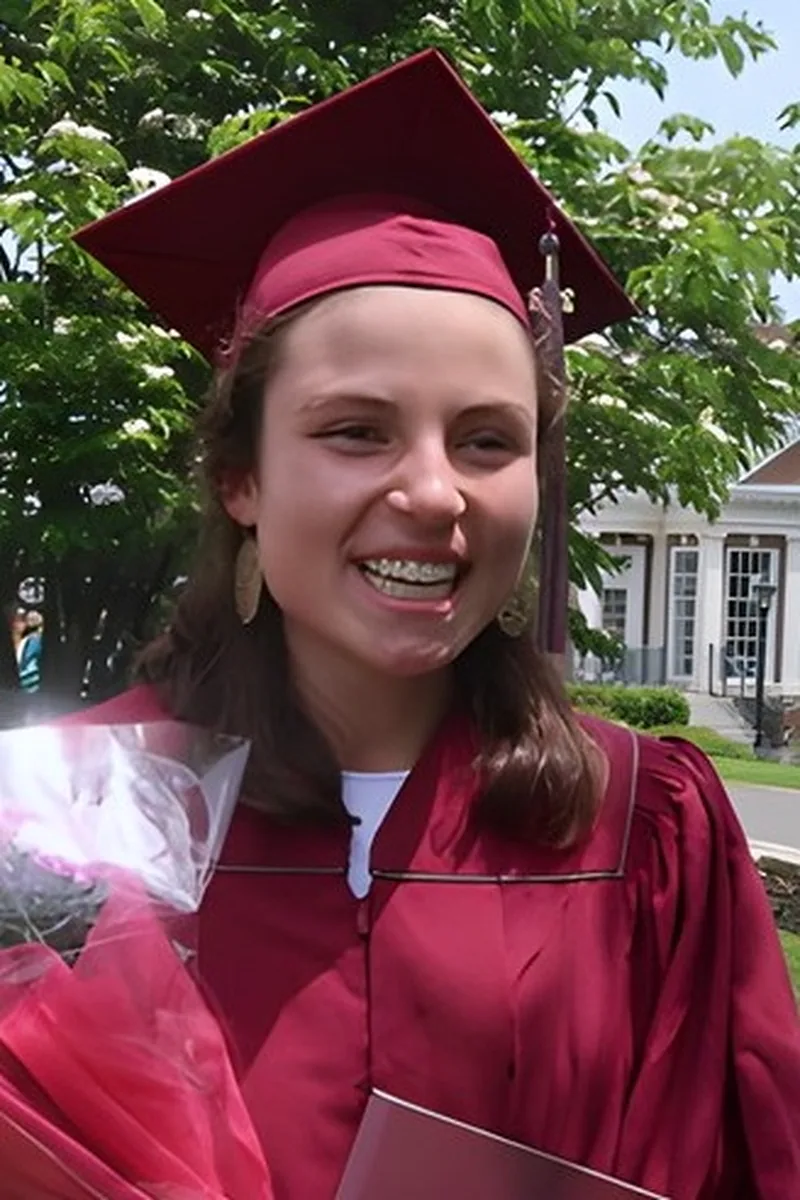
A college essay that actually works tells one specific story and lets the admissions reader see who the applicant is — not who they think they should be. Grace is a Stanford junior who went through this process recently and now teaches students to find their authentic angle, draft with voice, and revise until every sentence earns its place.
A college essay isn't a five-paragraph theme — it's a compressed argument for why a particular student belongs at a particular school. Grant currently teaches philosophy at a community college and studied at Princeton Theological Seminary, so he knows how to push students past generic personal statements toward essays with a genuine voice and a clear narrative arc. He walks through brainstorming, drafting, and revision as distinct phases, each with its own purpose.
I am pursuing a career in dentistry/oral surgery and will be beginning dental school at Boston University this fall. For this reason I recently took the DAT, which I am capable of assisting you with as well. During my undergraduate education, which I completed this past December, I worked in my school's tutoring center, helping my peers succeed in mathematics and science courses. Outside of my academic life, I am a big sports fan and I mostly follow the New York sports teams. For fun, I like to play basketball and golf with my friends. I am looking forward towards getting to know you and helping you with your academic needs.
A strong college essay doesn't just list accomplishments — it reveals how a student thinks. Dharsini, an avid reader and writer, approaches the drafting process by first identifying the specific story or perspective that makes an applicant memorable, then shaping the structure and voice around that core idea through multiple focused revisions.
Having navigated the doctoral admissions process herself, Renee knows that a college essay lives or dies by its specificity — not grand claims, but one well-chosen moment that reveals character. She spent four years as a writing consultant during undergrad and brings that editorial instinct to brainstorming, drafting, and tightening personal statements that sound genuinely like the student writing them.
A strong college essay doesn't summarize a résumé — it reveals how a student actually thinks. Matt approaches the brainstorming phase by digging into moments of genuine surprise, conflict, or change in a student's life, then structures drafts around a single narrative arc that admissions readers remember.
A strong college essay needs a narrative arc that admissions officers remember — not a résumé in paragraph form. Akarsh, who navigated the application process into a competitive graduate biology program, teaches students to identify the one experience or idea worth building an essay around and craft it into a compelling personal statement.
A strong college essay doesn't summarize a résumé — it zooms in on a single moment or idea and reveals how the writer actually thinks. Erika's Master of Public Policy training sharpened her ability to build a clear, persuasive argument from personal experience, which is exactly what admissions readers look for. She walks students through brainstorming, drafting, and revising until the essay sounds unmistakably like them.
Getting into Caltech required Samuel to write essays that made a math-focused applicant stand out as a real person, not just a list of scores. He knows how to find the specific story or moment that gives an admissions reader a reason to remember you, then structure the draft so every sentence earns its place.
A strong college essay isn't about listing accomplishments — it's about revealing how you think. Alex went through the admissions process at Stanford and understands what readers look for: a clear narrative voice, genuine reflection, and structure that doesn't feel formulaic. He walks students through brainstorming, drafting, and revising until the essay sounds unmistakably like them.
A compelling college essay needs a genuine voice, not a résumé rewritten in paragraph form — and Marc's training as an actor gives him a sharp ear for authenticity on the page. He walks students through brainstorming, drafting, and revising so the final product sounds like them at their most articulate. His public policy background also means he can coach students applying to a range of programs, from liberal arts to pre-professional tracks.
A college essay that sounds like every other applicant's "overcoming adversity" narrative won't stand out — admissions officers read thousands of those. Scott, who earned College Honors in Cultural Anthropology at Washington University in St. Louis and is now pursuing a PhD, knows how to identify the specific, unexpected details in a student's life that make a compelling personal statement. He walks students through brainstorming, drafting, and revising until the essay sounds unmistakably like them.
A strong college essay doesn't summarize a résumé — it reveals how a student thinks, what they value, and why it matters. Pranav went through the admissions process at Johns Hopkins recently enough to remember what worked: specificity over generality, authentic voice over polished clichés. He reads drafts with an eye for narrative structure and clarity, pushing students to find the one story or idea that only they could write.
Kyle has been through the college admissions process at Yale and knows firsthand that the best personal essays aren't about impressive achievements — they're about a distinctive voice and a story only you can tell. He digs into brainstorming with students to find that one specific moment or detail worth building an essay around, then shapes draft after draft until the writing sounds unmistakably like them.
The hardest part of a college essay isn't the writing — it's figuring out which story to tell and what it actually reveals about you. As a current Yale student, Calleigh went through this process recently and knows what admissions readers respond to. She digs into brainstorming, voice, and structure to turn a vague idea into a personal statement that sounds like the applicant, not a template.
A strong college essay doesn't summarize a résumé — it reveals how a student actually thinks. Elijah approaches the personal statement by first unpacking what makes a student's perspective distinct, then shaping that into a narrative with a specific arc and authentic voice. His biochemistry background gives him particular insight into writing compelling STEM-focused application essays.
A compelling college essay doesn't summarize a résumé — it reveals how a student thinks. Isaiah's film production background gives him a storyteller's instinct for structure, voice, and pacing, and he applies that lens to personal statements, supplements, and "Why Us" essays. He pushes students to find the one specific moment or detail that makes their narrative unmistakably theirs.
As a premed student at Johns Hopkins who founded a nonprofit providing pneumonia vaccines to children in the Philippines, Czarina knows firsthand how to turn meaningful experiences into compelling personal statements. She digs into brainstorming and structural revision — making sure each essay has a clear narrative arc that admissions officers remember. Rated 5.0 by students.
Having come from a high school with limited college prep resources, Samica built her own roadmap to the Wharton School — and now she shares that playbook with applicants. She digs into what makes a personal statement memorable versus generic, coaching students to find a specific narrative thread and shape it into an essay that admissions officers actually want to finish reading. Past students she's worked with have been admitted to NYU, Michigan, and Georgetown.
Getting into a competitive school requires an essay that sounds like a real person, not a résumé in paragraph form — and Paige knows this firsthand. She transferred into Yale from a community college, which means she's written the kind of application narrative that makes admissions officers stop and pay attention. She walks students through finding the specific, surprising detail that turns a generic draft into a compelling story.
A strong college essay doesn't summarize a résumé — it reveals how a student thinks through one specific, well-chosen moment or idea. Amy's English background and her own recent experience navigating the admissions process make her a sharp editor who knows what admissions readers respond to. She tackles everything from brainstorming a topic to tightening final drafts so every sentence earns its place.
As a current University of Chicago student — a school famous for its unconventional essay prompts — River knows firsthand what admissions officers respond to: specificity, genuine voice, and a narrative arc that reveals how you think. She digs into brainstorming and revision with students, pushing past generic "overcoming adversity" drafts toward essays that actually sound like the person writing them.
A compelling college essay isn't a résumé in paragraph form — it's a story that reveals how a student thinks. Alex graduated from Brown with dual degrees in English Literature and Theatre Arts, which means he understands both narrative craft and the art of finding a distinctive voice. He walks students through brainstorming, drafting, and revision until the essay sounds unmistakably like them.
A strong college essay doesn't summarize a résumé — it reveals how a student thinks. Krupa, who studied sociology as an undergrad and later earned her MBA, brings a sharp editorial eye to personal statements, pushing students to find the one specific story that admissions officers will remember. She walks through brainstorming, drafting, and revision as distinct phases so nothing feels rushed.
Few people understand both sides of the college essay like Mati — she's a high school counselor who reads applications professionally and a published author who knows how to craft a compelling personal narrative. She digs into what makes an admissions reader stop skimming: a specific scene, an authentic voice, and a throughline that connects a student's experience to who they're becoming. Every draft gets sharper because she knows what admissions offices are actually looking for.
Getting into Princeton, Harvard, and UC Berkeley means Sabrina has written — and rewritten — personal statements that actually worked at the most selective schools in the country. She approaches college essays as a workshop partner, pushing students to find the specific story only they can tell and then sharpen every sentence until it earns its place. Her love of writing extends well beyond admissions; she's an active editor of both personal and academic work.
Getting into Brown taught Joyce firsthand what admissions officers respond to — a specific, honest story rather than a résumé disguised as an essay. She digs into brainstorming with students to find the one narrative thread that reveals character, then shapes drafts around that thread so every paragraph earns its place. Her own journey from public school valedictorian to Ivy League student gives her a grounded perspective on writing authentically about ambition and identity.
Having navigated medical school admissions herself, Janet understands how a personal statement needs to do more than list accomplishments — it has to reveal how a student thinks. She digs into brainstorming and structural revision, pushing drafts toward a narrative voice that admissions readers remember.
A compelling college essay isn't about listing accomplishments — it's about revealing how you think. Sharon went through the admissions process at Cornell and then again for medical school, so she knows firsthand what it takes to craft a personal statement that sounds authentic and lands with an admissions committee. She digs into brainstorming, narrative structure, and voice to get each student's story onto the page.
Getting into Cornell's engineering program required essays that translated a technical mindset into a compelling personal narrative — something Akanksha now walks applicants through from brainstorm to final draft. She's particularly good at identifying the one specific story or detail that makes an essay memorable, then structuring everything else around it.
The hardest part of a college essay isn't the writing — it's figuring out which story to tell and why it matters to an admissions reader. Lauren studied education and social policy at Northwestern, so she understands what selective institutions are looking for and how to shape a personal narrative that feels authentic rather than formulaic. She walks students from brainstorming through final draft, pushing for specificity and voice at every revision.
Having recently gone through the college admissions process to land at Penn's engineering program, Bryan knows what makes an essay memorable versus what reads like a thousand other drafts. He zeroes in on finding the one specific story or detail that reveals something genuine about the writer, then shapes the structure around it.
Engineering taught Jared how to communicate complex ideas concisely — a skill that translates directly to college essays, where every sentence needs to earn its place. He walks students through brainstorming, structure, and revision, pushing them to find the specific story or insight that admissions readers will actually remember.
A college essay lives or dies on specificity — admissions officers can spot a generic "overcoming adversity" narrative in seconds. Noah studied Philosophy, Politics, and Economics, which sharpened his ability to build a compelling argument from a single concrete moment. He digs into brainstorming and revision with students until the essay sounds unmistakably like them, not like a template.
A great college essay doesn't summarize a résumé — it reveals how a student thinks. Alison's MFA in Acting trained her to find the emotional truth in a story and shape it for an audience, which is exactly what admissions readers are looking for. She digs into brainstorming, voice, and structure until the essay sounds unmistakably like the person writing it.
Engineering applicants often struggle to sound human on the page — their instinct is to lead with research projects and GPA rather than showing who they are beyond the lab. Raaga went through this exact process as a biomedical engineering student at Carnegie Mellon, and she uses that experience to push students past the highlight reel toward the specific, unpolished moment that actually makes an admissions officer lean in. Rated 5.0 by students.
Having navigated admissions for both Columbia's graduate program and Rutgers PA school, Victoria knows firsthand what a compelling personal statement looks like from the applicant's side. She teaches students to identify a specific narrative thread and build each paragraph around it, cutting the generic filler that admissions readers skim past.
A great college essay doesn't summarize a résumé — it reveals how a student thinks. Jenny, currently a student at Washington University in St. Louis, understands what admissions readers are looking for because she recently went through the process herself, and she's skilled at drawing out the specific details and voice that make a personal statement memorable rather than generic.
A psychology degree sharpens one specific skill that most essay tutors lack — the ability to ask the right questions until a student uncovers the story they didn't know they had. Michele uses that interviewing instinct to pull applicants past the generic 'leadership' or 'overcoming adversity' draft and toward the particular detail or tension that admissions readers actually remember. Her background in international education also gives her a practical edge with students navigating the process from outside the U.S.
Princeton's writing center trained Emily to ask the questions admissions officers are silently asking: Does this essay reveal how you think? Is the structure earning its length? She walks students through brainstorming, drafting, and ruthless revision — turning a vague personal statement into a specific, voice-driven narrative that actually sounds like the person who wrote it.
Testimonials
Because the right College Essays tutor makes all the difference.
Average Session Rating – Based on 3.4M Learner Ratings
Nearby College Essays Tutors
Other Trenton Tutors
Related English Tutors in Trenton
Frequently Asked Questions
Varsity Tutors matches Trenton students with expert College Essays tutors for 1-on-1 instruction. We pair each student with a tutor based on their specific needs, learning style, and goals.
Whether you need homework help, exam prep, or want to get ahead, our College Essays tutors are ready to help.
Common challenges include gaps from earlier material, difficulty with specific concepts, and trouble applying learning to new problems. These issues can snowball quickly in College Essays.
A tutor identifies where you're stuck, fills in gaps, and provides targeted practice. The 1-on-1 format means you get help exactly where you need it.
Tutors work with your student's actual coursework—homework assignments, class notes, and upcoming tests. This keeps tutoring directly relevant to what's happening in the classroom.
When you share information about your student's school and curriculum, we can match you with a tutor who has relevant experience.
All tutors complete background checks, credential verification, and teaching evaluation. Many of our College Essays tutors hold advanced degrees or have years of teaching experience.
You can review tutor profiles to find someone with the right background for your student's level and needs.
Many students see improved grades within a few weeks, along with better understanding of College Essays concepts and more confidence tackling challenging material.
Tutors track progress and adjust their approach to ensure continued improvement.
Most students benefit from 1-2 sessions per week. More frequent sessions help if your student is significantly behind or has an important exam coming up.
Your tutor can recommend a schedule based on your student's specific situation and goals.
Tutoring is purchased in packages of hours, with rates varying by tutor experience. Varsity Tutors offers several options to fit different budgets and needs.
You can discuss pricing during your consultation to find what works best.
Your tutor will assess where your student is, discuss goals, and start working on priority areas. Most students bring current homework or upcoming test material to focus on.
By the end, you'll have a clear sense of how the tutor can help and a plan for moving forward.
Let’s find your perfect tutor
Answer a few quick questions. We’ll recommend the right plan and match you with a top 5% tutor.