Award-Winning Biochemistry Tutors
serving Tucson, AZ
Biochemistry
Tutors in Tucson
Private 1-on-1 tutoring, weekly live classes for academic support, test prep & enrichment, practice tests and diagnostics, and more to elevate grades and test scores.
Based on 3.4M Learner Ratings
UniversitiesSchools & Universities
DeliveredHours Delivered
ProficiencyGrowth in Proficiency
Who needs tutoring?
No obligation. Takes ~1 minute.
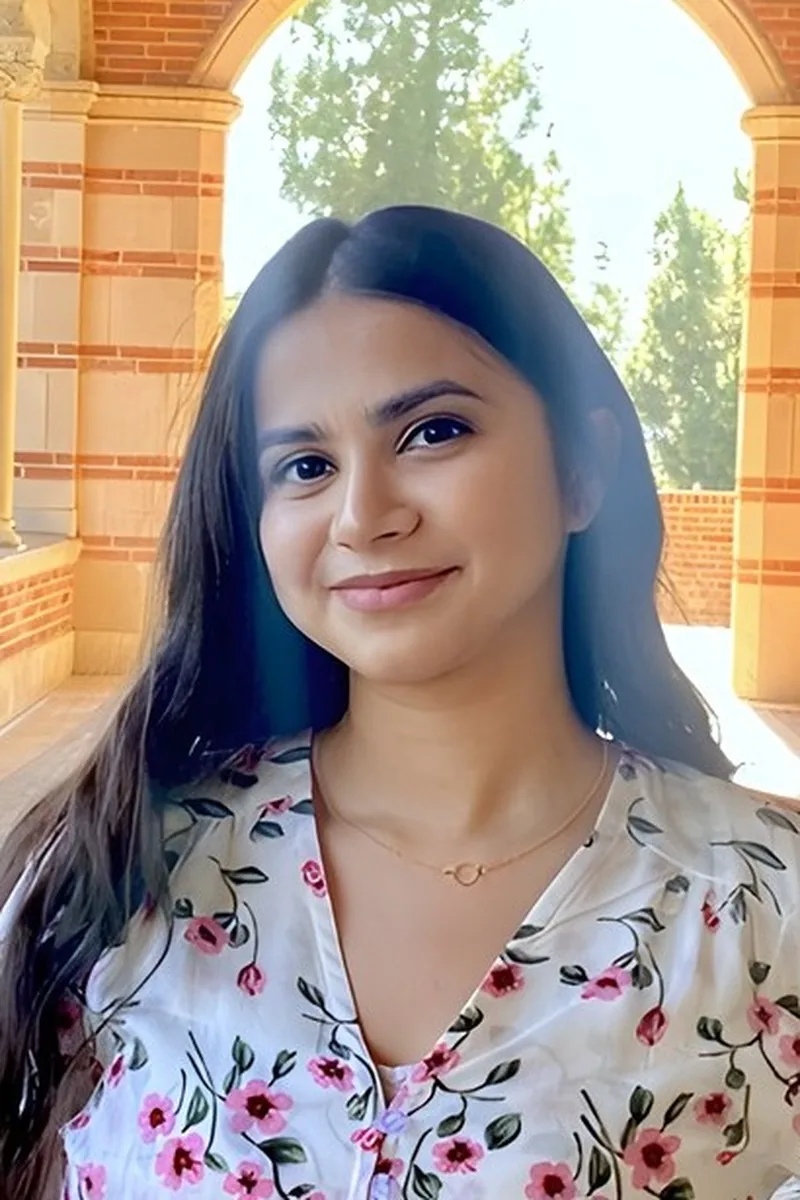
UCLA's biological sciences program gave Arshia a solid grounding in the molecular machinery of life — protein structure, metabolic pathways, and the organic chemistry that ties them together. She also tutors MCAT prep across multiple sections, which means she's used to explaining concepts like enzyme kinetics and amino acid properties at the level of detail that college biochemistry courses actually demand. Rated 5.0 by students.
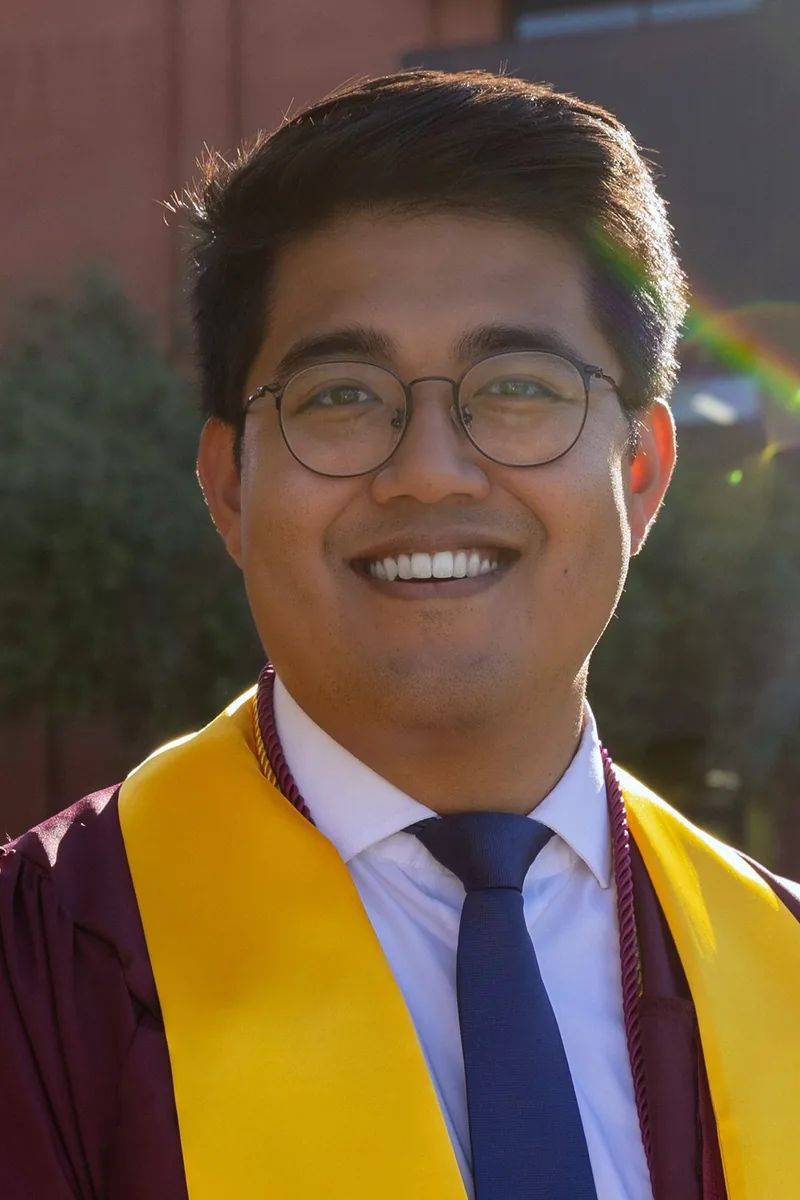
Hello! I am an Arizona State University graduate with a Bachelors of Science in Biological Science. My academic background is grounded in both technical problem-solving and a deep curiosity about how systems, whether digital or human, function. Outside the classroom, I've had the opportunity to work with students across a range of ages and abilities, from mentoring engineering and premed undergraduates at ASU to tutoring high schoolers in SAT/ACT prep, as well as K-12 students through Teach for America. I am comfortable with a range of subjects and am willing to work to meet your needs. Below are some of courses I have successfully tutored for in the past. K12 Subjects Elementary School (K5) Math (Basic Arithmetic, Word Problems) Reading & Phonics Writing & Grammar Science Social Studies Study & Organization Skills Middle School (68) Pre-Algebra Algebra I General Science (Life, Earth, Physical) English Language Arts (Reading, Writing) U.S. History & World History Intro to Coding / Computer Science High School (912) Algebra I & II Geometry Trigonometry Pre-Calculus Calculus AB/BC Biology (General, Honors) Chemistry (General, Honors) Physics (Conceptual, Algebra-Based) English Literature & Composition Essay Writing & Editing U.S. History & World History Psychology Economics & Government Health / Human Development Ethics / Philosophy Study Skills / Test Prep Standardized Test Prep SAT: Math, Reading, Writing & Language, Essay ACT: Math, Science, English, Reading, Essay PSAT MCAT (Content review & strategy) TOEFL / ESL (Certified ESL experience) AP Subjects AP Biology AP Chemistry AP Physics 1 AP Environmental Science AP Calculus AB AP Statistics AP English Language and Composition AP English Literature and Composition AP Psychology AP U.S. History AP World History AP U.S. Government & Politics AP Human Geography AP Macroeconomics / Microeconomics AP Computer Science Principles AP Seminar / Research College-Level Subjects STEM & Premed General Biology I & II Cell Biology Genetics Human Anatomy & Physiology General Chemistry I & II Organic Chemistry I & II Biochemistry Physics I & II (Algebra-Based) Calculus I & II Statistics (Introductory / Biostats) Humanities & Social Sciences Intro to Psychology Intro to Sociology Scientific Writing & Critical Thinking Medical Ethics Bioethics Philosophy of Science / Biology Research Writing & Academic Essays Business & Economics Intro to Macroeconomics Intro to Microeconomics Principles of Finance Financial Literacy / Budgeting Basics
Enzyme kinetics, amino acid structures, metabolic pathways — biochemistry demands that students hold chemistry and biology in their heads simultaneously. Pooja's dual immersion in biology coursework and science tutoring gives her a practical way of connecting molecular interactions to the bigger biological picture, so Michaelis-Menten plots and glycolysis diagrams start making sense together.
Co-teaching an organic chemistry lab at UC Berkeley — fielding questions, demonstrating techniques, working alongside a graduate TA — gave Yuxuan a fluency with reaction mechanisms that translates directly into how he teaches biochemistry topics like metabolic pathways and enzyme catalysis. His biochemistry degree means he can trace each step of something like the citric acid cycle back to the organic chemistry logic driving it, making dense pathway diagrams feel like a sequence of familiar reactions. Rated 4.9 by students.
David's neuroscience training at Yale meant wrestling with biochemistry from the nervous system's perspective — neurotransmitter synthesis, ion channel biophysics, and the metabolic demands that make the brain consume a disproportionate share of the body's glucose. Now pursuing a graduate degree in bioethics, he brings that mechanistic grounding to topics like amino acid chemistry and membrane transport, connecting each reaction to the biological system it supports. Holds a 5.0 rating.
Enzyme kinetics, metabolic pathways, protein structure — biochemistry demands that students hold molecular-level detail and big-picture biological function in their heads simultaneously. Yasheen earned dual degrees in biology and cellular/molecular biology from Yale and now works in a cancer biology lab, so she lives in this material daily. She's particularly sharp on topics like amino acid chemistry, Michaelis-Menten kinetics, and the regulation of glycolysis and the citric acid cycle.
Enzyme kinetics, metabolic pathways, protein structure — biochemistry demands that students think simultaneously about chemistry and biology, which is exactly how Nathaniel trained. His degree in biochemistry and his MCAT preparation mean he can walk through everything from Michaelis-Menten plots to amino acid properties with the depth a college-level course requires.
Recent MCAT preparation gave Eric a sharp, up-to-date command of the biochemistry topics that trip students up most: enzyme kinetics, metabolic pathway regulation, and the interplay between protein structure and function. His graduate work in chemistry provides the molecular-level intuition that makes memorizing pathways feel less like brute force and more like following a logical story.
I am most passionate about biology and chemistry. I am a firm proponent of education, believing it to be absolutely necessary for an improved quality of life, and I try to impart this appreciation to all of my students.
Few tutors can teach biochemistry from the perspective of someone who lived it at the graduate level. Dennis holds a Masters in Chemical and Physical Biology from Vanderbilt and an undergraduate degree in Biochemistry, so topics like enzyme kinetics, metabolic regulation, and protein structure are second nature. He walks through reaction mechanisms and pathway logic in a way that builds real understanding rather than rote memorization.
Pre-med coursework at Northwestern means Manideep is actively working through the toughest parts of biochemistry right now — amino acid structures, membrane transport mechanisms, and the regulatory logic behind major metabolic pathways. That proximity to the material gives him a sharp sense of where students get stuck, especially when translating organic chemistry principles into biological contexts. Rated 5.0 by students.
Earning a BS in Biochemistry from Boston College and then completing a PhD in molecular biology means Monika has spent years immersed in enzyme kinetics, metabolic pathways, and protein structure-function relationships. She tackles tough topics like the citric acid cycle and Michaelis-Menten kinetics by connecting each reaction to its biological purpose, turning rote memorization into logical storytelling.
Neuroscience majors don't just memorize biochemistry — they depend on it, and Janki's coursework at Kentucky meant tracing every concept from neurotransmitter metabolism to oxidative phosphorylation back to the underlying chemical logic. She teaches topics like enzyme regulation and pathway energetics by building each mechanism piece by piece, so students can predict what happens next in a pathway instead of relying on rote recall. Rated 4.8 by students.
Rohan's economics training might seem distant from biochemistry, but econometrics and metabolic pathway analysis share a core skill — tracing how one variable's change cascades through an interconnected system. He applies that quantitative reasoning to topics like enzyme kinetics and metabolic regulation, breaking down rate equations and feedback loops with the same rigor he brings to economic models. Rated 4.9 by students.
Enzyme kinetics, metabolic pathways, protein structure — biochemistry demands that students hold chemistry and biology in their heads simultaneously, which is exactly what medical school trains you to do daily. Jamie is currently at Sidney Kimmel Medical College and brings firsthand fluency with topics like Michaelis-Menten kinetics, amino acid chemistry, and the regulation of glycolysis and the citric acid cycle. He breaks down dense pathway diagrams into step-by-step logic that actually makes sense.
Enzyme kinetics, metabolic pathways, protein folding — Connor digs into biochemistry with the depth his biomedical sciences master's from Loyola Chicago demanded. He connects molecular-level details to physiological outcomes, so a student learning about Michaelis-Menten kinetics also understands what it means when a drug is a competitive inhibitor in a clinical context.
Testimonials
Because the right Biochemistry tutor makes all the difference.
Average Session Rating – Based on 3.4M Learner Ratings
Practice Biochemistry
Free practice tests, flashcards, and AI tutoring for Biochemistry
Other Tucson Tutors
Related Science Tutors in Tucson
Frequently Asked Questions
Biochemistry combines organic chemistry, biology, and physics, making it challenging to see how abstract molecular concepts connect to living systems. Students often struggle with visualizing 3D molecular structures, balancing complex equations, understanding metabolic pathways, and applying theoretical knowledge to real-world biological processes. Personalized tutoring helps break down these interconnected concepts and builds the conceptual foundation needed to move from memorization to genuine understanding.
Yes. Tutors can help you understand the scientific reasoning behind lab procedures, interpret experimental results, and connect lab observations to biochemical theory. Whether you're learning proper technique, troubleshooting unexpected results, or preparing lab reports, personalized instruction helps you develop both technical skills and the scientific thinking needed to design and evaluate experiments effectively.
Metabolic pathways are easier to grasp when you understand the 'why' behind each step rather than just memorizing sequences. Expert tutors use visualization techniques, real-world energy examples, and step-by-step breakdowns to show how molecules are transformed and energy is captured. Many students find that working through pathways with a tutor—drawing structures, tracking electron transfers, and connecting each step to cellular energy needs—transforms abstract diagrams into logical processes.
Your first session focuses on understanding your specific challenges, whether that's protein folding, enzyme kinetics, or connecting biochemistry to physiology. The tutor will assess your current understanding, identify knowledge gaps, and create a personalized plan tailored to your course, learning style, and goals. This foundation ensures every subsequent session builds directly on what you need most.
Absolutely. College biochemistry moves quickly and assumes strong foundational knowledge in chemistry and biology. Personalized tutoring helps you fill gaps from prerequisite courses, master complex mechanisms, and develop the problem-solving skills needed for exams and research. Many students in Tucson's universities benefit from tutoring that bridges high school chemistry to college-level biochemical reasoning.
Balancing equations and understanding reaction mechanisms require both pattern recognition and conceptual understanding. Tutors break down the logic behind electron transfers, oxidation states, and bond formation so you see the 'why' behind each step. With guided practice and immediate feedback, you'll move from mechanical equation-balancing to genuinely understanding how and why biochemical reactions occur.
Look for tutors with strong backgrounds in both chemistry and biology, ideally with experience teaching or tutoring biochemistry specifically. They should be able to explain complex concepts clearly, connect theory to applications, and adapt their teaching to your learning style. Varsity Tutors connects you with expert tutors who have demonstrated expertise in biochemistry and a track record of helping students develop both content knowledge and scientific reasoning skills.
Starting tutoring early—ideally at the beginning of the course or semester—gives you time to build a strong foundation and prevent gaps from accumulating. However, tutoring helps at any point: if you're struggling mid-course, tutors can help you catch up and clarify concepts you've found confusing. For students in Tucson preparing for biochemistry, connecting with a tutor before the course starts can also help refresh prerequisite chemistry and biology knowledge.
Let’s find your perfect tutor
Answer a few quick questions. We’ll recommend the right plan and match you with a top 5% tutor.