Award-Winning Python Tutors
serving Olympia, WA
Python
Tutors in Olympia
Private 1-on-1 tutoring, weekly live classes for academic support, test prep & enrichment, practice tests and diagnostics, and more to elevate grades and test scores.
Based on 3.4M Learner Ratings
UniversitiesSchools & Universities
DeliveredHours Delivered
ProficiencyGrowth in Proficiency
Who needs tutoring?
No obligation. Takes ~1 minute.
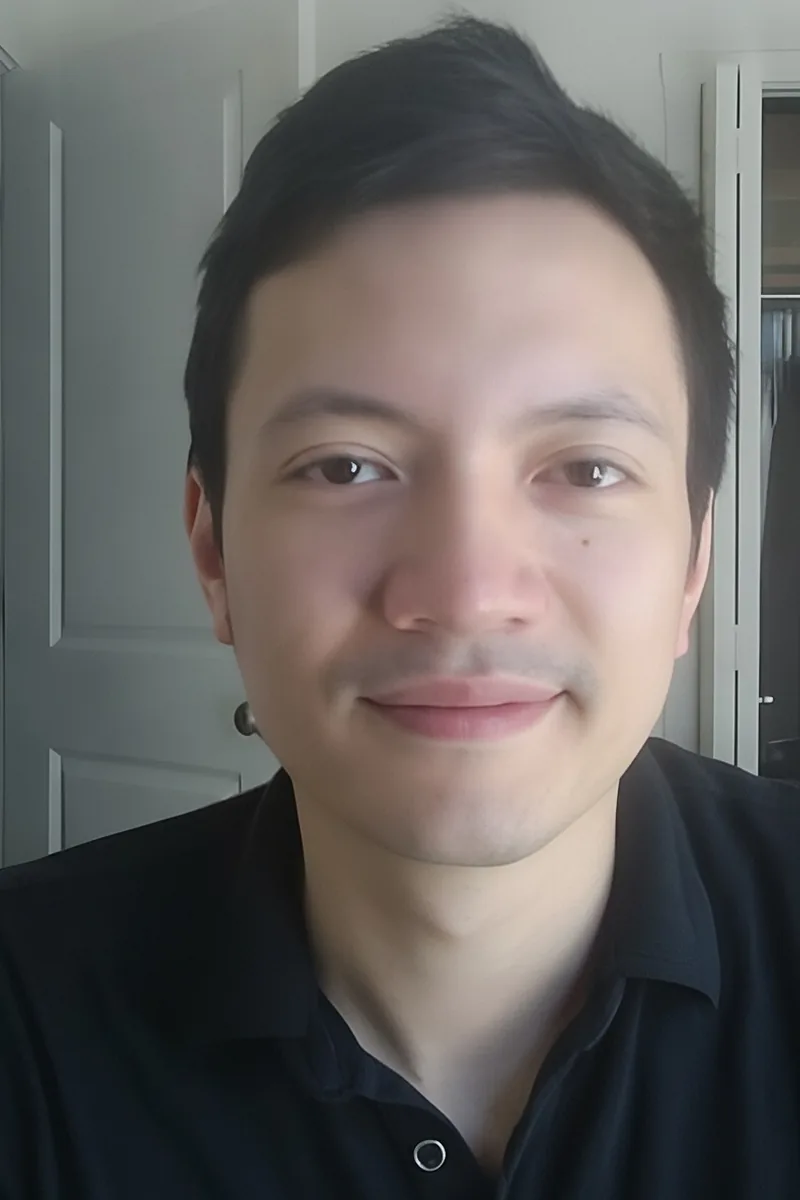
Physics research runs on Python — from numerical simulations to data visualization — and Cory learned the language by solving real computational problems, not just following tutorials. He walks students through core concepts like loops, functions, and libraries such as NumPy by tying each one to a concrete task the code actually accomplishes.
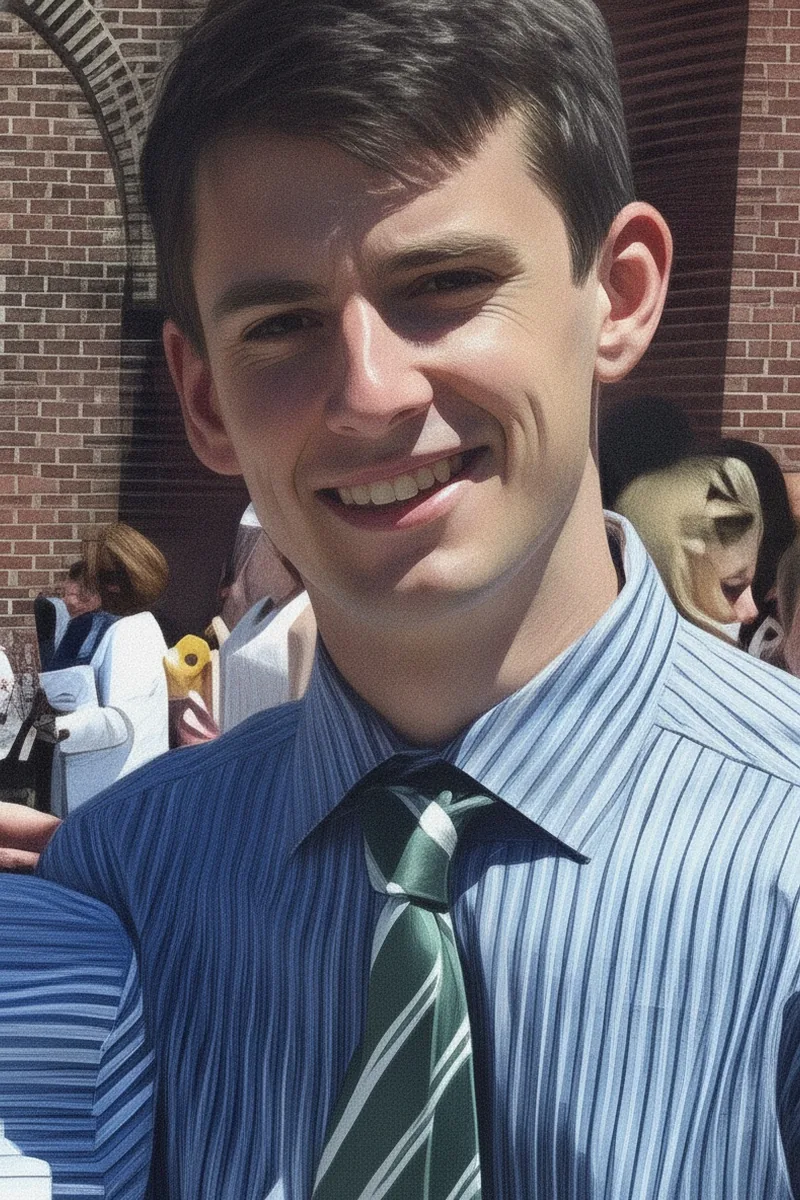
Before Daniel ever formally studied programming, he was the person friends called when their code wouldn't run — and his electrical engineering coursework at Stevens turned that instinct into real fluency, using Python to automate circuit analysis, process sensor data, and script lab workflows. He lists Python as one of his top three tutoring interests alongside calculus and high school math, which means he genuinely enjoys teaching it rather than just listing it as an afterthought. That enthusiasm shows up in how he breaks down debugging and logical flow for newer programmers, stripping away the intimidation the same way he does with math.
As a dedicated tutor with over 2 years of experience, I am passionate about fostering a supportive learning environment where students can thrive in subjects like Algebra, Business Analytics, and Data Science. Currently pursuing my Bachelor's in Informatics at the University of Washington, I incorporate real-world applications into my teaching to engage students and enhance their understanding of complex concepts. My approach emphasizes personalized learning, encouraging students to ask questions and develop critical thinking skills. I find great joy in witnessing my students' growth and success, and I strive to instill a love for learning that extends beyond the classroom.
Nicholas approaches Python through the lens of data and computation, drawing on his statistics background to teach not just syntax but how to think algorithmically. Whether it's writing functions, manipulating lists, or building loops for data analysis, he connects each concept to problems students actually want to solve. Rated 5.0 by students.
Learning Python is less about memorizing syntax and more about thinking through problems step by step — how to structure a loop, when to use a dictionary versus a list, why your function returns None instead of a value. Harry uses Python in his economics and math coursework for data analysis and modeling, so he teaches it with practical applications rather than abstract exercises. He walks through debugging methodically, turning error messages into learning moments.
I'm trying to work on personal projects. I really enjoy snowboarding, and have been doing that since the third grade. I also enjoy playing sports and video games.
Learning Python means learning to think in loops, conditionals, and data structures before worrying about syntax. Kerr, a computer science student at Vanderbilt currently building iOS and game projects, walks students through writing actual programs — from simple scripts to projects involving lists, dictionaries, and file I/O — so the logic sticks. He emphasizes understanding *why* code works, which makes debugging feel intuitive rather than frustrating.
Working in a neuroscience research lab at Duke meant Lauren had to learn Python for real tasks — cleaning datasets, running statistical analyses, and visualizing experimental results. She teaches Python through that practical lens, covering loops, functions, and libraries like NumPy by connecting each concept to something a script actually needs to do.
Whether it's writing a first script or wrestling with list comprehensions and object-oriented patterns, Michael breaks Python down into logical steps that mirror how professional developers actually think. His background as a working software engineer means he can show students not just correct syntax but clean, readable code that follows real industry conventions.
Materials engineering PhD research generates mountains of experimental data, and Nivedina writes Python scripts to process, plot, and make sense of it all — from automating repetitive file parsing to running statistical analyses on lab results. That science-driven coding background means she teaches core concepts like loops, conditionals, and data structures through tasks that solve actual problems, not toy examples. Her chemistry training adds another layer, since students working on scientific computing or data cleanup get a tutor who genuinely understands the data they're handling.
Python's readability makes it a great first language, but students still stumble on list comprehensions, dictionary manipulation, and debugging runtime errors they've never seen before. Ethan uses Python across his Vanderbilt engineering coursework and walks through each concept with real scripts — not just slides — so the logic becomes second nature.
Python's readable syntax makes it a great first language, but students still struggle when they hit list comprehensions, file I/O, or debugging recursive functions. Brice has taught Python to beginners as young as middle school and to college peers working on more advanced projects. He walks through each concept by writing real code alongside students rather than lecturing from slides.
Python's readability makes it a great first language, but students still stumble on list comprehensions, scope rules, and debugging recursive functions. Anna teaches Python by connecting each concept to a concrete use case — data manipulation with dictionaries, file I/O, or building small projects that make abstract syntax feel purposeful. Her interdisciplinary background in neuroscience and CS means she's comfortable whether the course leans scientific computing or software development.
Python's beginner-friendly syntax can mask some tricky concepts — list comprehensions, mutable vs. immutable types, or debugging recursive functions. Michelle teaches Python with an emphasis on writing clean, readable code and understanding what's actually happening in memory, not just getting output that looks right. She's a Duke CS graduate now pursuing her PhD at Michigan.
Sarah's statistics minor at Penn involved writing Python scripts for data analysis — cleaning datasets, building visualizations, and automating repetitive calculations. She teaches Python fundamentals like loops, functions, and data structures by connecting each concept to a concrete mini-project, so students see their code do something useful right away.
Testimonials
Because the right Python tutor makes all the difference.
Average Session Rating – Based on 3.4M Learner Ratings
Other Olympia Tutors
Related Technology and Coding Tutors in Olympia
Frequently Asked Questions
Varsity Tutors matches Olympia students with expert Python tutors for 1-on-1 instruction. We pair each student with a tutor based on their specific needs, learning style, and goals.
Whether you need homework help, exam prep, or want to get ahead, our Python tutors are ready to help.
Common challenges include gaps from earlier material, difficulty with specific concepts, and trouble applying learning to new problems. These issues can snowball quickly in Python.
A tutor identifies where you're stuck, fills in gaps, and provides targeted practice. The 1-on-1 format means you get help exactly where you need it.
Tutors work with your student's actual coursework—homework assignments, class notes, and upcoming tests. This keeps tutoring directly relevant to what's happening in the classroom.
When you share information about your student's school and curriculum, we can match you with a tutor who has relevant experience.
All tutors complete background checks, credential verification, and teaching evaluation. Many of our Python tutors hold advanced degrees or have years of teaching experience.
You can review tutor profiles to find someone with the right background for your student's level and needs.
Many students see improved grades within a few weeks, along with better understanding of Python concepts and more confidence tackling challenging material.
Tutors track progress and adjust their approach to ensure continued improvement.
Most students benefit from 1-2 sessions per week. More frequent sessions help if your student is significantly behind or has an important exam coming up.
Your tutor can recommend a schedule based on your student's specific situation and goals.
Tutoring is purchased in packages of hours, with rates varying by tutor experience. Varsity Tutors offers several options to fit different budgets and needs.
You can discuss pricing during your consultation to find what works best.
Your tutor will assess where your student is, discuss goals, and start working on priority areas. Most students bring current homework or upcoming test material to focus on.
By the end, you'll have a clear sense of how the tutor can help and a plan for moving forward.
Let’s find your perfect tutor
Answer a few quick questions. We’ll recommend the right plan and match you with a top 5% tutor.