Award-Winning Finite Mathematics Tutors
serving Chesapeake, VA
Finite Mathematics
Tutors in Chesapeake
Private 1-on-1 tutoring, weekly live classes for academic support, test prep & enrichment, practice tests and diagnostics, and more to elevate grades and test scores.
Based on 3.4M Learner Ratings
UniversitiesSchools & Universities
DeliveredHours Delivered
ProficiencyGrowth in Proficiency
Who needs tutoring?
No obligation. Takes ~1 minute.
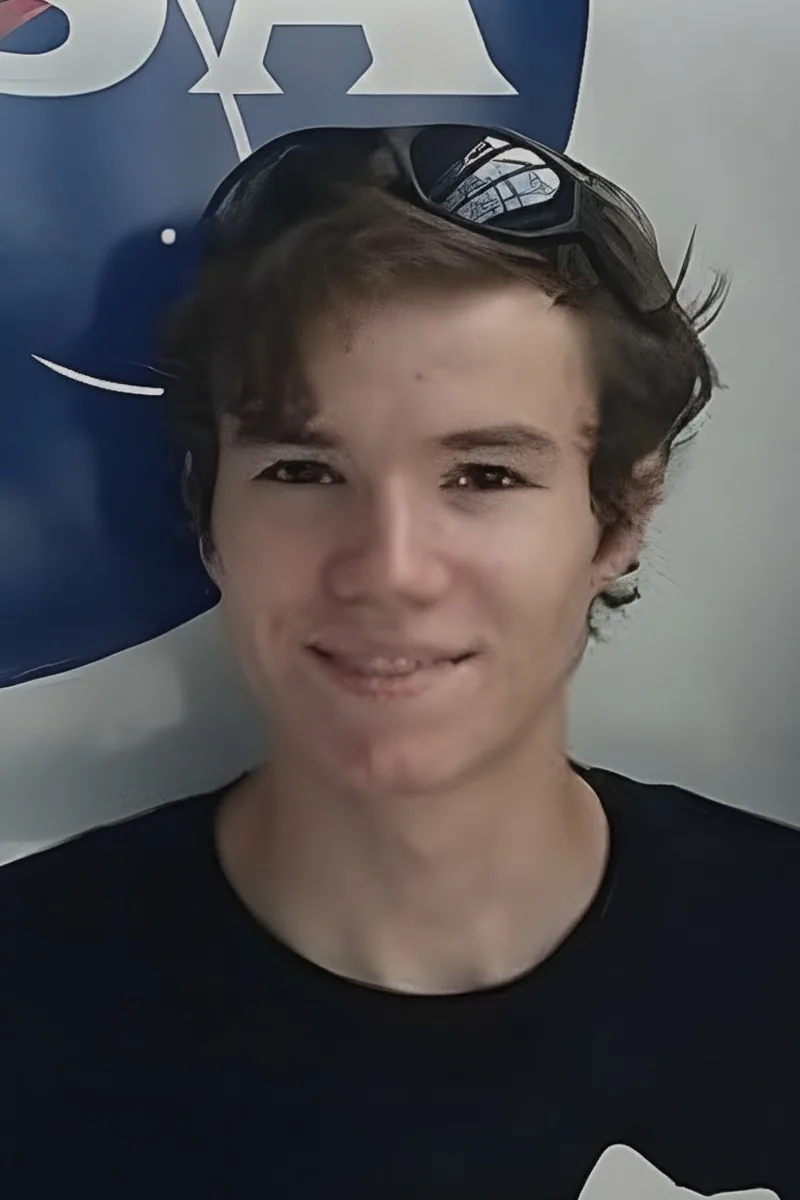
Mechanical engineering coursework runs on the same matrix operations, systems of equations, and optimization logic that finite mathematics tests — Michael just encountered them while modeling physical systems and solving statics problems. He unpacks linear programming setups by connecting each constraint to something concrete, which clicks for students who struggle when the math feels purely abstract. Rated 5.0 by students.
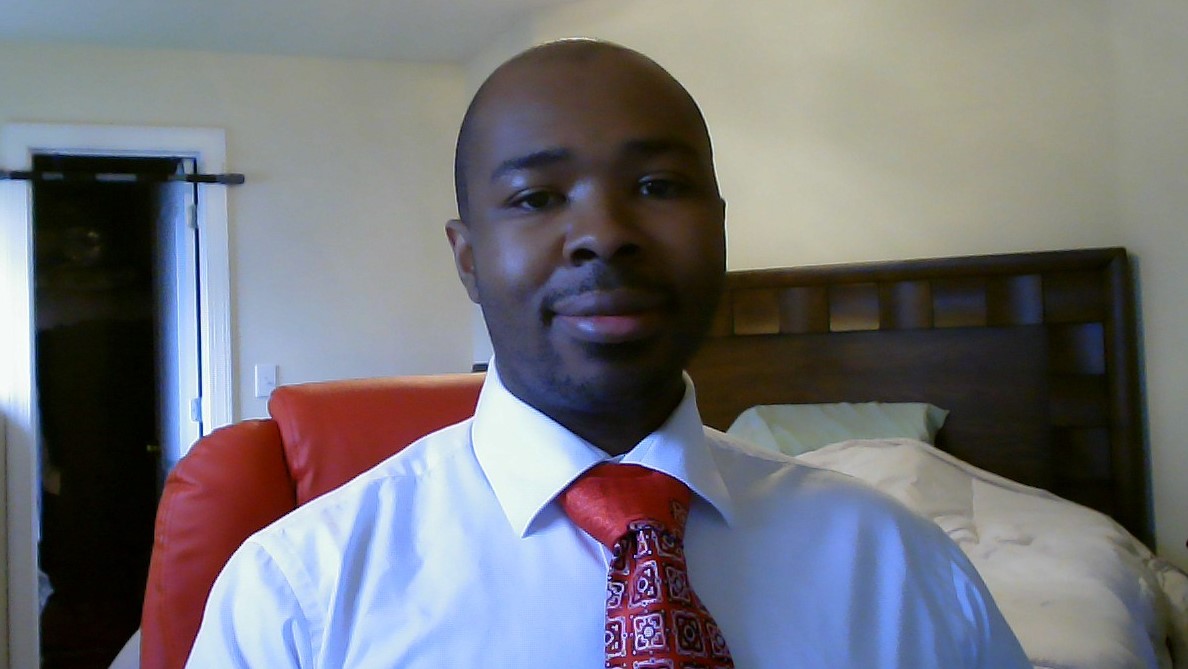
I have been coaching students to their best performance in math for seven years. I am fluent in all levels of math, primary, secondary, and freshman/sophomore university level. I am also fluent with the mathematics which one may find on the ACT, SAT, GRE, ASVAB, CLEP test and most standardized test. My background in Engineering also gives me a level of confidence with computer science and general sciences such as physics and chemistry. I have over a year of study in each myself. Overall, I have had much success working with students in various languages and levels of computer programming.
Katie's psychology degree from the University of Maryland included coursework in research methods and data analysis, giving her direct experience with the logic and set theory that underpin finite mathematics. She breaks down topics like matrices, linear programming, and combinatorics by connecting them to real decision-making scenarios. Her approach balances structured problem-solving with space for students to reason through solutions independently.
Studying finance at Notre Dame means Charles is actively using the probability, matrix algebra, and linear programming that finite mathematics courses cover — present value calculations, portfolio optimization, and risk modeling all draw on the same toolkit. He breaks down the business-flavored word problems that trip students up, especially when translating a scenario into the right system of equations or figuring out which counting technique applies.
Engineering PhD coursework forced Sabry to treat matrix operations, linear systems, and optimization not as textbook exercises but as daily tools for modeling real physical systems — which is exactly the mathematical machinery that finite mathematics courses test. He unpacks each problem type by connecting it back to the underlying structure, whether that's setting up a system of inequalities for linear programming or building a transition matrix for a Markov chain. His years running recitations for both undergrad and graduate students mean he's seen the specific algebraic missteps that slow people down.
Most finite mathematics students hit a wall not on the computation but on knowing which tool to reach for — is this a matrix problem, a counting argument, or a linear programming setup? Tessa's mathematics major at Yale means she can trace the connections between these topics instead of treating each chapter as isolated, which makes the decision-making step click. Rated 4.9 by students.
Most finite mathematics students hit a wall not on the computation but on knowing which tool to reach for — is this a matrix problem, a linear programming setup, or a counting argument? Demirhan's master's degree in mathematics and years teaching college-level courses mean he can quickly diagnose where the confusion lives and unpack the underlying logic until the right approach becomes obvious. Rated 5.0 by students.
Currently pursuing a graduate degree in mathematics while holding an applied math bachelor's, Drisana has worked through the matrix algebra, linear programming, and probability that finite math courses pile on — and she's done it from both the theoretical and computational sides. She's especially sharp at unpacking the logic behind setting up systems of inequalities, where most students can follow the arithmetic but struggle to build the model from a word problem. Rated 5.0 by students.
Daniel's applied mathematics degree and computer science graduate work mean he's implemented the matrix operations, set logic, and combinatorial reasoning that finite mathematics courses cover — not just on paper, but in actual code where getting the structure wrong produces immediate, visible errors. That precision carries over when he teaches students to set up systems of inequalities or work through probability problems, because he insists on nailing the logical framework before any computation begins. Rated 5.0 by students.
Caltech's economics curriculum put Brian through heavy doses of matrix algebra, optimization under constraints, and probability — the exact toolkit finite mathematics courses test. He approaches linear programming and counting problems by connecting them to the economic modeling contexts where he first learned them, which gives students a concrete anchor for topics that can otherwise feel like disconnected chapters.
I am a very passionate teacher who has worked in public and private school settings at both the high school and college level. I have an undergraduate mathematics degree, and taught AP Calculus at a North Carolina high school. I also have a PhD in philosophy, and have taught at major research universities in Missouri and Ohio. I am personally invested in my students' success, and take pride in being clear, conscientious, and accessible.
Teaching finite mathematics as a college faculty member means Craig doesn't just know the material — he writes the exams, sees which matrix operations and counting setups trip students up semester after semester, and adjusts his explanations accordingly. His master's in mathematics gives him the depth to connect topics like linear programming and probability to the broader algebraic reasoning students need, rather than treating each chapter as an isolated formula set. Rated 4.9 by students.
Jacob's computer science master's work gave him daily practice with the graph theory, combinatorics, and algorithm design that underpin much of a finite mathematics course — so when he teaches topics like counting techniques or matrix operations, he can show exactly how each one functions inside a larger system. His 5.0 rating and ACT score of 35 speak to the precision he brings to breaking down multi-step setups, especially the probability and logic problems that tend to snowball when the initial framing is off.
Most finite mathematics students hit a wall not on the computation but on knowing which tool to reach for — is this a matrix problem, a linear programming setup, or a counting argument? Rudy's physics background means he learned these techniques as practical modeling tools, and his master's in math education sharpened how he explains the decision-making process behind each problem type. Rated 4.8 by students.
Working in both Colby's Mathematics Department and its Writing Center gave Alexander an unusual skill for finite mathematics: he can unpack the logic behind counting problems and probability setups in plain language, not just notation. His math degree means the combinatorics and matrix algebra are second nature, but his real strength is translating a dense word problem into a clear structure before any formulas come out. Rated 5.0 by students.
Testimonials
Because the right Finite Mathematics tutor makes all the difference.
Average Session Rating – Based on 3.4M Learner Ratings
Other Chesapeake Tutors
Related Math Tutors in Chesapeake
Frequently Asked Questions
Varsity Tutors matches Chesapeake students with expert Finite Mathematics tutors for 1-on-1 instruction. We pair each student with a tutor based on their specific needs, learning style, and goals.
Whether you need homework help, exam prep, or want to get ahead, our Finite Mathematics tutors are ready to help.
Common challenges include gaps from earlier material, difficulty with specific concepts, and trouble applying learning to new problems. These issues can snowball quickly in Finite Mathematics.
A tutor identifies where you're stuck, fills in gaps, and provides targeted practice. The 1-on-1 format means you get help exactly where you need it.
Tutors work with your student's actual coursework—homework assignments, class notes, and upcoming tests. This keeps tutoring directly relevant to what's happening in the classroom.
When you share information about your student's school and curriculum, we can match you with a tutor who has relevant experience.
All tutors complete background checks, credential verification, and teaching evaluation. Many of our Finite Mathematics tutors hold advanced degrees or have years of teaching experience.
You can review tutor profiles to find someone with the right background for your student's level and needs.
Many students see improved grades within a few weeks, along with better understanding of Finite Mathematics concepts and more confidence tackling challenging material.
Tutors track progress and adjust their approach to ensure continued improvement.
Most students benefit from 1-2 sessions per week. More frequent sessions help if your student is significantly behind or has an important exam coming up.
Your tutor can recommend a schedule based on your student's specific situation and goals.
Tutoring is purchased in packages of hours, with rates varying by tutor experience. Varsity Tutors offers several options to fit different budgets and needs.
You can discuss pricing during your consultation to find what works best.
Your tutor will assess where your student is, discuss goals, and start working on priority areas. Most students bring current homework or upcoming test material to focus on.
By the end, you'll have a clear sense of how the tutor can help and a plan for moving forward.
Let’s find your perfect tutor
Answer a few quick questions. We’ll recommend the right plan and match you with a top 5% tutor.