Award-Winning Elementary School Reading Tutors
serving Chesapeake, VA
Elementary School Reading
Tutors in Chesapeake
Private 1-on-1 tutoring, weekly live classes for academic support, test prep & enrichment, practice tests and diagnostics, and more to elevate grades and test scores.
Based on 3.4M Learner Ratings
UniversitiesSchools & Universities
DeliveredHours Delivered
ProficiencyGrowth in Proficiency
Who needs tutoring?
No obligation. Takes ~1 minute.
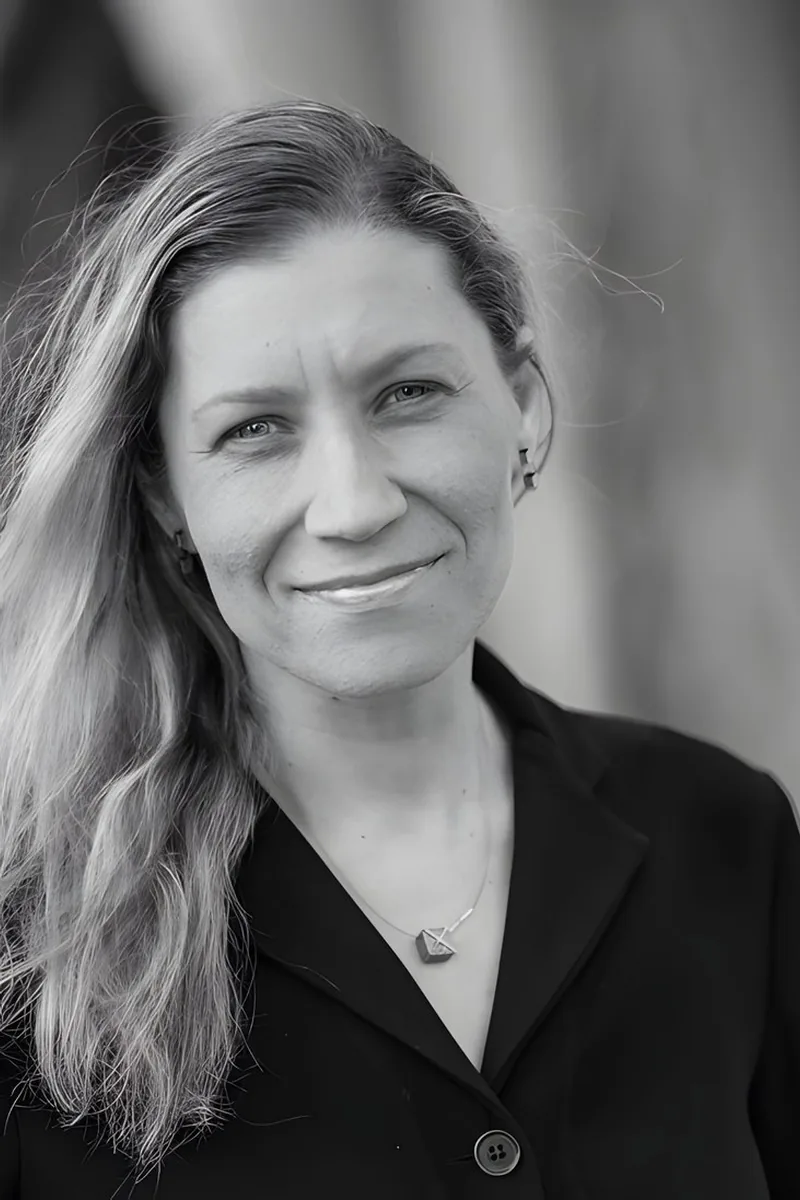
Christianna makes early reading interactive, using context clues, phonics patterns, and picture details to build comprehension skills that stick. Her patient, encouraging approach — reflected in a 4.8 rating — keeps young learners engaged even when a passage feels challenging.
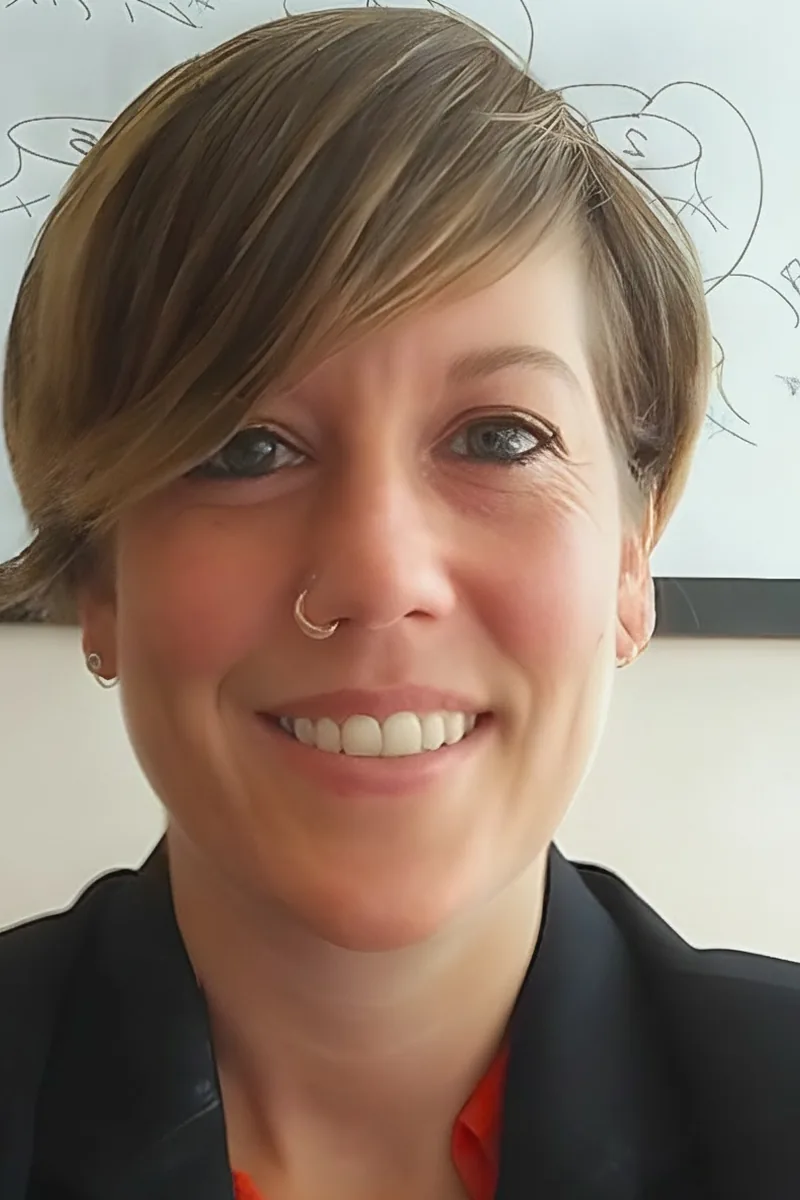
Kendra turns early reading sessions into active conversations, asking kids to predict what happens next or connect a character's feelings to their own experiences. Her curriculum development background means she sequences phonics, sight words, and comprehension questions in a way that builds real fluency — not just decoding. She's worked with learners across age groups and skill levels, so she knows how to adjust on the fly when a book is too easy or too hard.
I am currently a lead preschool teacher. I received my Bachelor's in Psychology from VCU and am looking to return to school to further my education. While in college, I worked as a Supplemental Instruction leader, teaching general biology and anatomy. I have also worked in an after school program with elementary age children, but I have my fondest memories volunteering as a counselor for Camp Kesem. In my own experience, I loved school and now I love teaching even more at all age levels! I especially enjoy the challenge of getting creative to discover what approach and mediums work best for each student. I am available for in person as well as online tutoring.
As a Program Director for GEMS at UVA, Kara teaches elementary-age girls every week — building the kind of patience and energy that translates directly into one-on-one reading sessions. She breaks down phonics patterns, sight word recognition, and early fluency strategies in ways that keep young readers engaged rather than frustrated. Her goal is always to make a child feel like a reader, not just someone practicing reading.
Early reading clicks when a child connects the mechanics — phonics, sight words, fluency — to actual meaning and enjoyment. Shahad builds those connections by pairing decoding practice with questions about the story itself, so students aren't just sounding out words in isolation. She adjusts her pacing to each child's comfort level, making sure confidence grows alongside skill.
Hello there! I offer a no-stress, judgment-free environment, and I want to work with you in the ways that fit you best. When it comes to explaining the fundamentals, I'll support you in math and psychology; when it comes to biology, I'll help you conquer the nitty-gritty; and when it comes to reading analysis and writing skills, I'll help you shine. I'd be happy to work with you, regardless of age or background. Thanks for passing by, and have a nice day!
Having worked at a refugee center teaching children of immigrants to navigate the American school system, Andrea knows how to build reading confidence from the ground up — phonics, sight words, and reading comprehension all tailored to where a child actually is. Her ESL/TESOL certification means she's especially skilled at reaching young readers who are still developing English fluency alongside their literacy skills.
Strong elementary reading comes down to a handful of concrete skills: decoding unfamiliar words, retelling what happened in sequence, and making predictions about what comes next. Julia, a 5.0-rated tutor and Columbia graduate, makes these skills tangible by turning each reading session into an active conversation rather than a passive exercise.
I am a graduate of Cambridge College in June 2012. I received a Master's in Special Education K-12. I lived in Italy prior to graduating college. A Senior Chief needed a tutor for her son who was struggling. I tutored the young man in reading and math. While my degree is for kindergarten through 12th grade, I enjoy working with kindergarten through 4th grade. I am passionate about reading, writing and math in grades kindergarten to 3rd. I believe education is a necessity for an improved quality of life and try to incorporate daily life within lessons.
Early reading is where phonics, sight words, and comprehension strategies all need to come together at once, which can overwhelm a young learner. Amanda keeps sessions playful and targeted, zeroing in on one skill at a time — whether that's decoding multisyllabic words or retelling a story's main events — so each small win builds real momentum.
Katie's study of child cognition at the University of Maryland shaped how she approaches phonics, fluency, and reading comprehension with younger learners. She keeps sessions interactive with physical and digital tools that turn decoding and vocabulary-building into something kids actually look forward to.
As a dedicated educator with a Master's degree in Film from Columbia University, I have experience teaching Creative Writing, Film and Media Studies, and various writing levels from elementary to high school. My teaching philosophy centers on fostering a supportive learning environment where students feel empowered to express their ideas and creativity. I am passionate about helping students develop their writing skills and critical thinking abilities, as I believe these are essential for academic success and personal growth. Outside of the classroom, I enjoy exploring literature and film, which continually inspires my teaching and enriches my students' learning experiences. I also love attending movies, plays, and live music events, museum exhibitions, and enjoying time with friends.
Early reading clicks when a child connects decoding skills to actual meaning — sounding out words matters, but so does understanding what a sentence is saying. Julia's mentoring work with elementary students gave her practice making that bridge, using context clues, picture cues, and guided questions to build both fluency and comprehension at the same time. She's patient and adaptive, adjusting her approach based on what each reader needs.
Early reading skills like phonics, fluency, and basic comprehension set the trajectory for everything that comes after in school. Sugi's cognitive science degree from Rice included extensive study of how the brain acquires language, giving her practical insight into why some students struggle with decoding or retention — and what specific techniques actually move them forward.
Early reading instruction is about building the habits that make everything else in school possible: decoding unfamiliar words, tracking a character's actions across pages, and retelling what happened in sequence. Margaret's experience volunteering in after-school programs with elementary students means she understands how to keep younger readers engaged and moving forward. She adapts her approach to each child's reading level and interests.
When a passage feels confusing, the issue usually isn't vocabulary — it's that a young reader hasn't learned to pause and check their own understanding. Eileen teaches active reading strategies like predicting, summarizing, and asking questions mid-paragraph, skills she sharpened through years of close reading across science and humanities at Vanderbilt.
Early readers need someone patient enough to sit with a tricky word and turn it into a small victory. Agustin breaks phonics patterns and sight words into manageable chunks, building fluency through repetition that feels like a game rather than a chore. His experience across multiple languages gives him an intuitive sense for how young learners process sounds and letter combinations.
Early reading is all about building momentum: phonics, sight words, and fluency need to click before comprehension can take off. Esther's 5.0 rating speaks to her warmth and patience, two qualities that make a real difference when a young reader is sounding out unfamiliar words or tackling their first chapter book.
For early readers, the difference between frustration and excitement often comes down to finding the right book at the right level. Maya builds phonics, sight-word recognition, and basic comprehension skills through stories that match each child's interests, keeping motivation high. Her experience with differently-abled learners means she adapts pacing and techniques to fit how each student actually processes language.
Early reading is about more than sounding out words — it's learning to visualize a story, predict what comes next, and connect what's on the page to what a child already knows. Mahalia's background in social work and youth programming gives her a sharp sense of how to build the kind of trust that makes a reluctant reader willing to try. She tailors her approach to each student's reading level, whether they're working on fluency or tackling their first chapter books.
Before a student can analyze a novel, they need to decode vocabulary in context, make predictions, and distinguish main ideas from supporting details. Erinrose's years teaching English across grade levels — from Philadelphia public schools to a Connecticut prep school — mean she knows how to match reading strategies to a child's current skill level and push just beyond it.
Phonics, sight words, and fluency are the building blocks, but Michelle also emphasizes comprehension from the very beginning — asking young readers to predict, retell, and connect stories to their own experiences. Her dual background in journalism and Africana Studies means she draws on a wide range of culturally diverse texts to keep kids engaged and curious.
Learning to read confidently at a young age changes everything that comes after — from following a story's plot to sounding out unfamiliar words. Eliza breaks down phonics patterns, sight words, and basic comprehension strategies in ways that keep younger learners engaged and moving forward. Rated 5.0 by students and families.
Getting a child to love reading early changes everything that comes after. Annabel teaches phonics, sight words, and basic comprehension strategies like predicting and summarizing, turning each reading session into an active conversation about the story rather than a passive exercise.
Testimonials
Because the right Elementary School Reading tutor makes all the difference.
Average Session Rating – Based on 3.4M Learner Ratings
Other Chesapeake Tutors
Related English Tutors in Chesapeake
Frequently Asked Questions
Varsity Tutors matches Chesapeake students with expert Elementary School Reading tutors for 1-on-1 instruction. We pair each student with a tutor based on their specific needs, learning style, and goals.
Whether you need homework help, exam prep, or want to get ahead, our Elementary School Reading tutors are ready to help.
Common challenges include gaps from earlier material, difficulty with specific concepts, and trouble applying learning to new problems. These issues can snowball quickly in Elementary School Reading.
A tutor identifies where you're stuck, fills in gaps, and provides targeted practice. The 1-on-1 format means you get help exactly where you need it.
Tutors work with your student's actual coursework—homework assignments, class notes, and upcoming tests. This keeps tutoring directly relevant to what's happening in the classroom.
When you share information about your student's school and curriculum, we can match you with a tutor who has relevant experience.
All tutors complete background checks, credential verification, and teaching evaluation. Many of our Elementary School Reading tutors hold advanced degrees or have years of teaching experience.
You can review tutor profiles to find someone with the right background for your student's level and needs.
Many students see improved grades within a few weeks, along with better understanding of Elementary School Reading concepts and more confidence tackling challenging material.
Tutors track progress and adjust their approach to ensure continued improvement.
Most students benefit from 1-2 sessions per week. More frequent sessions help if your student is significantly behind or has an important exam coming up.
Your tutor can recommend a schedule based on your student's specific situation and goals.
Tutoring is purchased in packages of hours, with rates varying by tutor experience. Varsity Tutors offers several options to fit different budgets and needs.
You can discuss pricing during your consultation to find what works best.
Your tutor will assess where your student is, discuss goals, and start working on priority areas. Most students bring current homework or upcoming test material to focus on.
By the end, you'll have a clear sense of how the tutor can help and a plan for moving forward.
Let’s find your perfect tutor
Answer a few quick questions. We’ll recommend the right plan and match you with a top 5% tutor.