Award-Winning AP US History Tutors
serving Corpus Christi, TX
AP US History
Tutors in Corpus Christi
Private 1-on-1 tutoring, weekly live classes for academic support, test prep & enrichment, practice tests and diagnostics, and more to elevate grades and test scores.
Based on 3.4M Learner Ratings
UniversitiesSchools & Universities
DeliveredHours Delivered
ProficiencyGrowth in Proficiency
Who needs tutoring?
No obligation. Takes ~1 minute.
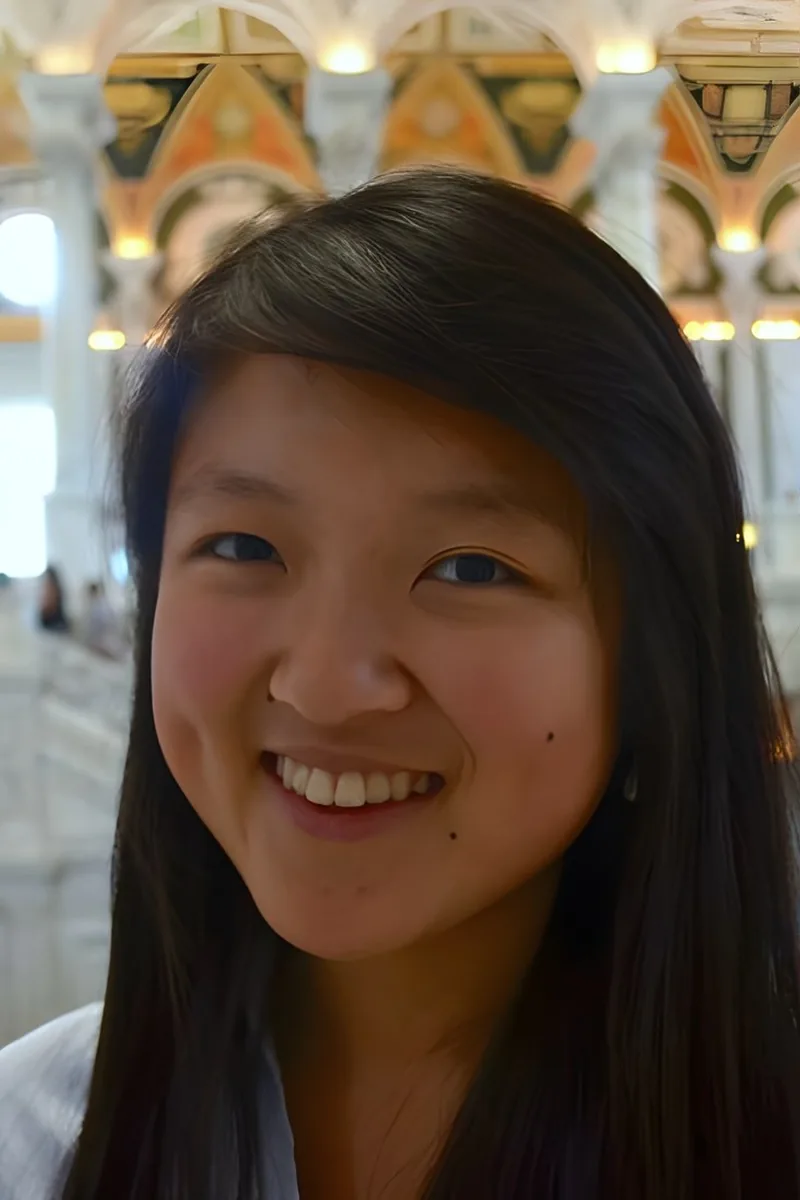
AP US History's document-based questions reward a specific skill: synthesizing multiple sources into a coherent argument under time pressure. Maggie teaches students to quickly categorize documents by perspective and purpose, then build a thesis that doesn't just describe events but explains why they mattered. Her perfect SAT score reflects the same analytical rigor she brings to historical reasoning.
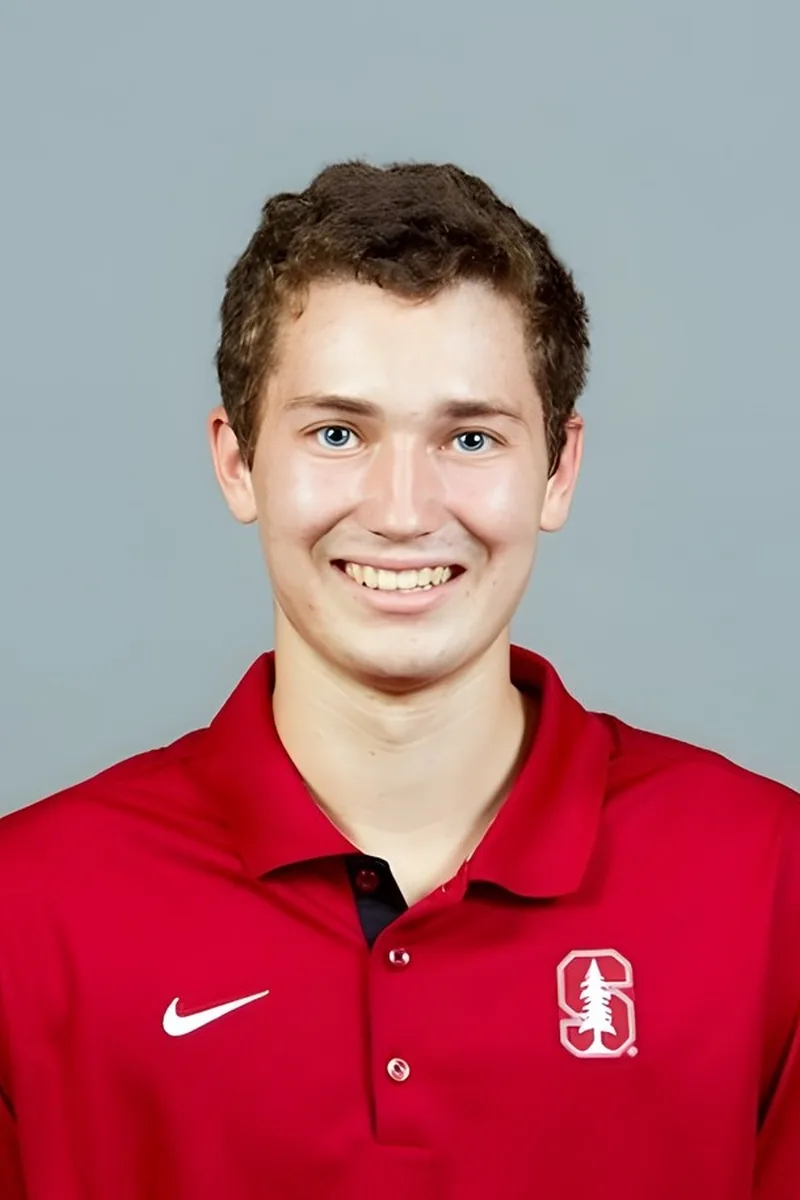
Studying health policy at Stanford means Jake spends his coursework tracing how government decisions — from Progressive-era public health campaigns to the ACA — reshape American life, which is exactly the kind of policy-to-impact reasoning APUSH essays reward. His 34 ACT and dual background in SAT US History and Spanish give him both the timed analytical speed and the multicultural lens that strengthen document analysis on topics like immigration, expansion, and reform. Rated 5.0 by students.
A senior thesis on the Byzantine Basilica of San Vitale taught Elena to read historical sources the way APUSH expects — analyzing context, audience, and purpose rather than just summarizing what happened. Her double background in Art History and History from Washington University in St. Louis means she's practiced at connecting cultural evidence to broader political and social narratives, which is exactly the skill that separates strong DBQ and LEQ essays from mediocre ones.
The AP US History exam rewards students who can build an argument fast — synthesizing documents, identifying historical context, and writing a coherent DBQ under tight time constraints. Kenan's own success on the SAT US History subject test and his economics-oriented understanding of policy debates give him a useful lens for connecting political, social, and economic themes across periods.
John's English and writing background translates directly to the essay-heavy demands of APUSH — the DBQ and LEQ are fundamentally persuasive writing tasks that happen to use historical evidence. He teaches students to treat each document like a text to be analyzed for purpose and audience, then build that analysis into a thesis-driven argument. His 4.9 rating and 36 ACT suggest the kind of analytical precision that makes timed essay writing click.
The AP US History exam rewards students who can construct a tight Document-Based Question essay under time pressure, and that's fundamentally a writing skill. Toni's background as a college English professor means she tackles DBQs and Long Essay Questions from the argument side — teaching students to read sources critically, identify historical reasoning, and build evidence-driven paragraphs that score well.
Studying both History and Neuroscience at Rice means Nathan lives in two worlds — one where you argue from evidence and another where you design experiments to test claims — and APUSH rewards exactly that double fluency when students need to evaluate conflicting primary sources and build causal arguments under timed pressure. His 1530 SAT signals sharp reading and analytical skills, and his 5.0 rating suggests he knows how to make periodization and contextualization click for students who find those thinking skills abstract.
AP US History's exam rewards a very specific skill: using historical evidence to support a defensible thesis under time pressure. Kristina unpacks each era by connecting political, social, and economic threads — showing, for example, how Reconstruction policies link directly to the civil rights arguments that appear in later DBQ prompts. Her 5.0 student rating speaks to how clearly she communicates those connections.
APUSH rewards students who can think in terms of historical causation and change over time, not just recall dates and names. Patrick taught history at the university level, so he knows how to break the course into thematic throughlines — industrialization, westward expansion, civil rights — that make the sheer volume of material manageable for the exam's DBQs and LEQs.
Scoring well on the AP US History exam comes down to one skill most students underestimate: writing a Document-Based Question essay under time pressure. Duy teaches a systematic method for grouping documents, identifying point of view, and building a thesis in the first five minutes — so the remaining time goes to writing, not panicking. His 34 ACT reflects the same kind of strategic, test-aware thinking he brings to APUSH prep.
Studying history and English simultaneously at Rice means Walden reads primary sources the way the APUSH exam actually wants them read — as rhetorical artifacts with an author, audience, and purpose, not just factual summaries to cite. He leans into that dual training when teaching students to build DBQ essays, showing how close reading of a document's language and context generates the kind of specific, grounded analysis that earns top scores. His 1550 SAT confirms the timed reading and writing precision the exam demands.
Steve's Texas teaching certification in both Social Studies and Language Arts puts him at the intersection APUSH actually tests — the exam is as much a writing challenge as a history challenge, and he's credentialed to tackle both sides. His English degree from CU Boulder, where he completed an Honors study on James Joyce, trained him in the close-reading skills that make document analysis click, while his internship with a U.S. congressman gave him firsthand exposure to the political processes students need to contextualize on the exam.
The AP US History exam rewards students who can construct a tight DBQ argument under time pressure, not just recall dates. Austin tackles each document as a piece of evidence to be analyzed for purpose, audience, and context, then shows students how to weave those documents into a thesis-driven essay that scores well on every rubric category.
Biomedical engineering requires synthesizing information from multiple disciplines under pressure — a habit that translates well to APUSH's document-based questions, where students must pull together economic, political, and social evidence into a coherent argument within a tight time limit. Shyon's STEM training at UT Austin's Honors program sharpens the kind of structured, evidence-driven reasoning that turns a scattered DBQ draft into a thesis with teeth. Rated 5.0 by students.
Growing up bilingual in Spanish and studying engineering at Texas A&M might seem like an unusual background for APUSH, but Ana's fluency in both languages gives her a sharper read on the cultural and demographic themes the exam increasingly emphasizes — from borderlands history to immigration policy debates across periods. She tackles the DBQ by teaching students to treat each document as a mini-engineering problem: identify what's given, figure out what's being asked, and build a structured argument from the evidence up.
Studying both Spanish and English with a creative writing concentration means Alexandra spends her days analyzing texts for voice, audience, and rhetorical purpose — the same skills APUSH rewards when students face a stack of primary documents and need to decode each one's perspective before building a DBQ argument. Her dual-language training also sharpens her approach to the cultural and demographic themes the exam increasingly emphasizes, from immigration policy to U.S.-Latin American relations. Rated 4.9 by students.
Political science and Asian Studies might seem like an unusual combination for APUSH, but Michael's dual focus means he's steeped in exactly the kind of comparative governance and foreign policy analysis that the exam tests in periods from the Open Door Policy through Vietnam and the Cold War. He zeroes in on how to structure causation arguments in DBQs — pulling a clear throughline from evidence rather than listing events chronologically. Rated 5.0 by students.
Georgetown's International Politics program immerses students in the same power dynamics, institutional conflicts, and policy debates that APUSH tests hardest — from constitutional framing through Cold War brinkmanship. Zoe brings that coursework directly to bear on the exam's periodization and causation questions, where understanding *why* political shifts happened matters more than memorizing when they did. Her 33 ACT and 4.7 rating point to the kind of timed analytical skill the DBQ rewards.
Two years teaching English in France gave Aaron something most APUSH tutors lack — the experience of explaining American culture and history to people outside it, which sharpens exactly the kind of perspective-taking and contextualization the exam's document-based questions demand. His music degree also trained him in close analysis of structure and intent, skills that translate surprisingly well to reading primary sources for tone, audience, and purpose.
Eight novels' worth of writing experience means William knows how to build an argument from scratch — a skill that translates directly to the thesis construction and evidence weaving APUSH's DBQ and LEQ demand. His broad background across American history, government, and economics lets him show students how political decisions, economic forces, and cultural shifts interconnect rather than treating each period as an isolated unit. Rated 4.9 by students.
Specializing in the American Gilded Age, Jacob brings genuine depth to AP US History's most document-heavy periods — industrialization, labor conflict, political machines, and the roots of Progressive reform. He teaches students to break down DBQs by treating each document as a piece of a larger argument rather than a standalone fact to summarize. That analytical approach, refined through his own historical research, carries across every unit from colonial America through the modern era.
A Master's in Literature and the Humanities means Frances spent years doing exactly what APUSH's document-based questions require — reading dense primary texts, situating them in their historical moment, and building interpretive arguments from evidence. She teaches across the full AP history lineup (US, World, and European), so she can show students how American developments connect to broader patterns rather than existing in isolation. Rated 5.0 by students.
Kayley's biology degree might seem like an odd fit for APUSH, but her coursework at New Mexico State included AP-level history and government, and she approaches the subject the way a scientist approaches data — by teaching students to weigh evidence before drawing conclusions. That analytical habit translates directly to the DBQ, where identifying a document's purpose and connecting it to broader themes like westward expansion or Progressive-era reform is more important than memorizing every date.
AP US History isn't really a history exam — it's a writing exam disguised as one. Sarah's master's work in social studies education at the University of Oregon gives her deep familiarity with the DBQ and LEQ formats, and she breaks down exactly how to use documents as evidence rather than just summarizing them. She connects each period's key concepts to the thematic threads that the College Board actually tests.
The AP US History exam tests a very specific skill: constructing a document-based argument under time pressure while weaving in outside evidence. Hayes pairs deep knowledge of American history — from colonial mercantilism through the Civil Rights Movement — with a writing-tutor's eye for the kind of thesis statements and evidence integration that earn top DBQ scores. He treats each essay prompt as a persuasion exercise, not a memory dump.
Psychology trains you to ask why people behave the way they do under specific conditions — and that question drives some of APUSH's richest essay material, from the Great Awakening's mass appeal to the social pressures behind Japanese internment. Nicole's HDO (Human Dimensions of Organizations) coursework at UT Austin adds a layer of institutional analysis that sharpens the kind of causation and contextualization arguments the DBQ scores for. Rated 5.0 by students.
AP U.S. History isn't just about knowing what happened — it's about constructing arguments around change over time, causation, and historical context under exam pressure. Ethan's public policy degree required deep engagement with American political and environmental history, giving him a strong command of the thematic threads the AP exam emphasizes. He teaches students to write DBQs that actually answer the prompt instead of just listing facts.
A psychology and communication studies background gives Paula a dual lens that's particularly useful for APUSH's trickiest essay prompts — the ones asking students to analyze how rhetoric, propaganda, and public persuasion shaped movements from the Revolution through the Cold War. She teaches document analysis as an exercise in reading audience and intent, skills her communication training made second nature. Rated 4.8 by students.
Studying religion and psychology alongside Spanish gave Sydney an unusual toolkit for APUSH — she reads primary sources through the lens of cultural belief systems and social motivation, which is exactly what document-based questions reward when they ask about audience, purpose, and historical context. Her CLEP prep across American government, American literature, and humanities means she's already fluent in the political and cultural turning points the exam covers most heavily. Rated 4.9 by students.
I am currently a senior at Northwestern University and I will be receiving a Bachelor of Arts in Political Science and Legal Studies this spring. In the fall, I will begin attending law school at Northwestern Law. For many years, I tutored a wide range of students in Spanish, English literature, and writing. I have also continued to help many high school seniors with college application essays. While I tutor a variety of subjects, I am very passionate about helping students improve their reading and writing skills, and I really enjoy helping students with Critical Reading and Writing portions of Standardized Tests. I love working with students and helping them realize their full academic potential. In my spare time, I enjoy traveling, exploring Chicago, reading, and cooking.
AP US History's Document-Based Questions are essentially legal briefs in miniature — you evaluate evidence, identify bias, and construct an argument under time pressure. John holds a history degree and a PhD in law, which means he can teach students to dissect primary sources and write thesis-driven essays that score well on the DBQ, LEQ, and SAQ formats.
A statistics and machine learning certificate at Princeton means Julie spends her coursework building arguments from data — the same evidentiary reasoning APUSH demands when students must synthesize unfamiliar documents into a coherent thesis under time pressure. Her philosophy training adds a layer most history tutors skip: she teaches students to identify the logical structure of an argument before writing one, which is exactly what separates strong DBQs from ones that just summarize sources. Rated 4.9 by students.
Theater training builds a surprisingly useful APUSH skill — Amber knows how to read a text for subtext, audience, and intent, which is exactly what document-based questions ask students to do with political speeches, editorials, and propaganda. Her 1570 SAT and 35 ACT reflect the kind of timed analytical performance the exam rewards, and her casting background means she's practiced at quickly sizing up what someone is really trying to communicate. Rated 5.0 by students.
The AP US History exam tests a student's ability to construct document-based arguments under pressure, not just recall dates. Samantha tackles DBQ and LEQ writing head-on, teaching students to identify historical context, weigh evidence, and write essays that earn synthesis and complexity points. Her background in English gives her a particular edge on the writing-heavy portions of the exam.
A semester at Madrid's top-ranked university taking upper-level history courses alongside Spanish students gave Meghan something unusual for APUSH prep — the habit of examining American events through an outsider's lens, which is exactly the kind of contextualization and perspective-shifting the DBQ rewards. Her journalism training at Northwestern also means she treats every primary source like a reporter would, interrogating authorship, audience, and purpose before folding it into a thesis-driven argument. Rated 5.0 by students.
Political science majors spend years dissecting the constitutional tensions, legislative battles, and power dynamics that make up the core of the APUSH curriculum — Julian studied exactly the material the exam tests most heavily. His 1430 SAT signals strong timed reading and writing performance, which matters for an exam where the DBQ and LEQ live or die on how quickly a student can build a sourced, thesis-driven argument under pressure.
Kirstie's liberal arts training and Master's in Education come together most visibly in APUSH's essay sections, where students need to do two things at once — read primary sources with a literary eye and marshal them into a historically grounded argument. She leans heavily on her AP English skills when teaching document analysis, showing students how to identify an author's purpose and audience before they ever start writing their thesis. Rated 5.0 by students.
As a first-generation college student who graduated cum laude from UCLA with a biology degree and Asian Languages minor, Abrahim brings an outsider's analytical eye to American history — he learned to question assumptions rather than take narratives at face value. That mindset translates well to APUSH's emphasis on sourcing and contextualization, where students need to interrogate *why* a document was created, not just what it says. Rated 5.0 by students, he approaches each historical period as a puzzle to decode rather than a list to memorize.
Testimonials
Because the right AP US History tutor makes all the difference.
Average Session Rating – Based on 3.4M Learner Ratings
Practice AP US History
Free practice tests, flashcards, and AI tutoring for AP US History
Nearby AP US History Tutors
Other Corpus Christi Tutors
Related Social Studies Tutors in Corpus Christi
Frequently Asked Questions
Varsity Tutors matches Corpus Christi students with expert AP US History tutors for 1-on-1 instruction. We pair each student with a tutor based on their specific needs, learning style, and goals.
Whether you need homework help, exam prep, or want to get ahead, our AP US History tutors are ready to help.
Common challenges include gaps from earlier material, difficulty with specific concepts, and trouble applying learning to new problems. These issues can snowball quickly in AP US History.
A tutor identifies where you're stuck, fills in gaps, and provides targeted practice. The 1-on-1 format means you get help exactly where you need it.
Tutors work with your student's actual coursework—homework assignments, class notes, and upcoming tests. This keeps tutoring directly relevant to what's happening in the classroom.
When you share information about your student's school and curriculum, we can match you with a tutor who has relevant experience.
All tutors complete background checks, credential verification, and teaching evaluation. Many of our AP US History tutors hold advanced degrees or have years of teaching experience.
You can review tutor profiles to find someone with the right background for your student's level and needs.
Many students see improved grades within a few weeks, along with better understanding of AP US History concepts and more confidence tackling challenging material.
Tutors track progress and adjust their approach to ensure continued improvement.
Most students benefit from 1-2 sessions per week. More frequent sessions help if your student is significantly behind or has an important exam coming up.
Your tutor can recommend a schedule based on your student's specific situation and goals.
Tutoring is purchased in packages of hours, with rates varying by tutor experience. Varsity Tutors offers several options to fit different budgets and needs.
You can discuss pricing during your consultation to find what works best.
Your tutor will assess where your student is, discuss goals, and start working on priority areas. Most students bring current homework or upcoming test material to focus on.
By the end, you'll have a clear sense of how the tutor can help and a plan for moving forward.
Let’s find your perfect tutor
Answer a few quick questions. We’ll recommend the right plan and match you with a top 5% tutor.