Award-Winning AP Spanish Language & Culture Tutors
serving Amarillo, TX
AP Spanish Language & Culture
Tutors in Amarillo
Private 1-on-1 tutoring, weekly live classes for academic support, test prep & enrichment, practice tests and diagnostics, and more to elevate grades and test scores.
Based on 3.4M Learner Ratings
UniversitiesSchools & Universities
DeliveredHours Delivered
ProficiencyGrowth in Proficiency
Who needs tutoring?
No obligation. Takes ~1 minute.

A cognitive sciences degree with a minor in Spanish means Adam approaches the language analytically — he treats subjunctive triggers and register shifts as pattern-recognition problems, which clicks for students who struggle with the "just memorize it" approach to grammar. His 34 ACT confirms strong reading and reasoning skills that translate directly into coaching the AP exam's interpretive reading and audio tasks, where extracting meaning from authentic Spanish sources under time pressure is half the battle.
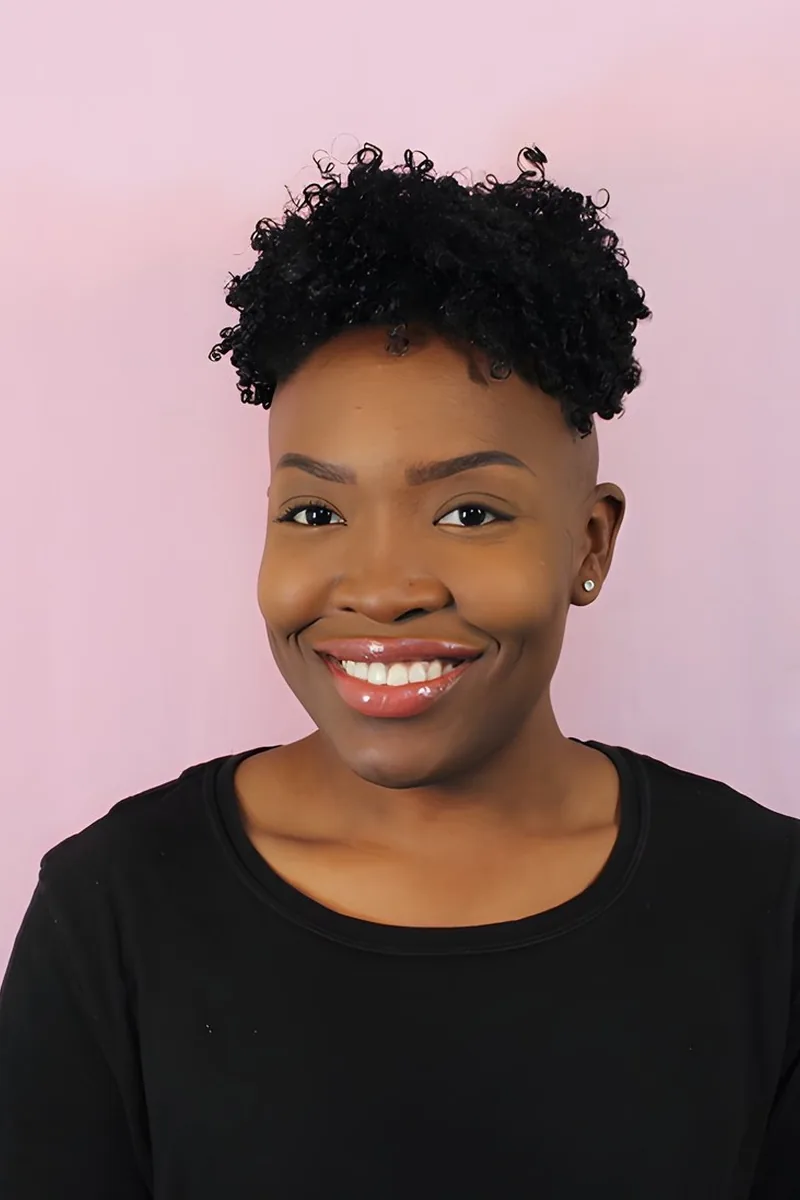
Iselee earned her bachelor's degree in Spanish from Loyola Marymount University, which means the AP exam's demand for formal written register and nuanced cultural knowledge sits squarely in her academic wheelhouse. Her current graduate work in digital communication adds a layer of rhetorical awareness — understanding how audiences process arguments — that she applies to coaching the timed persuasive essay, where students must synthesize Spanish-language sources into a coherent, register-appropriate response. Rated 4.8 by students.
Fluent in Spanish after living in a Spanish-speaking country, Lisanne brings real-world command of the language to AP Spanish prep — not just textbook knowledge. She tackles the exam's trickiest components, like the persuasive essay and cultural comparison, by teaching students to think and organize ideas directly in Spanish. Her experience tutoring every level from Spanish 1 through AP means she quickly identifies the grammar gaps holding a student back from a top score.
Amy's PhD in Spanish Linguistics means she doesn't just know the language — she's studied how it works at the structural level, from phonological patterns to syntactic variation across dialects. That depth shows up most in the exam's interpretive listening section, where recognizing regional pronunciation shifts and parsing rapid connected speech separates students who truly comprehend from those guessing at context. She also teaches every Spanish level from 1 through AP, so she can quickly identify which grammatical gaps need closing before a student tackles timed writing in formal register.
The AP Spanish exam's persuasive essay asks students to synthesize sources and argue in formal register — skills that Miguel's English degree sharpened on the analytical side, even though Spanish isn't his core teaching area. His computer science training adds a systematic, pattern-based approach to grammar structures like subjunctive triggers and pronoun placement that can make those rules feel less arbitrary. Rated 4.9 by students.
Succeeding on the AP Spanish Language & Culture exam means toggling between interpretive listening, persuasive writing, and spontaneous conversation — often within the same practice session. Ysatris tackles each mode of communication with targeted strategies, from decoding rapid audio sources to structuring argumentative essays with proper transition phrases and cultural references that earn top scores.
Scoring well on the AP Spanish exam means toggling between formal writing, spontaneous speaking, and rapid listening comprehension — three very different skills. Ana, who tutors across multiple levels of Spanish, tailors her sessions to whichever mode a student struggles with most, whether that's constructing a persuasive email with subjunctive forms or responding fluidly in the simulated conversation task. She keeps sessions largely in Spanish to build the reflexive fluency the exam demands.
Pursuing a double major in Spanish and English with a Creative Writing concentration at the University of North Texas, Alexandra lives inside language structure daily — parsing how words build meaning across two languages at once. That dual-language immersion sharpens her ear for the register shifts and idiomatic precision the AP exam's interpersonal speaking and persuasive essay tasks demand. Rated 4.9 by students.
Living and traveling in Ecuador, Panama, and Spain gave Sophie the immersive language experience that AP Spanish Language & Culture demands — from navigating regional dialects to understanding cultural contexts that show up in the exam's audio sources and reading passages. She breaks down the interpersonal and presentational speaking tasks so students know how to structure responses under timed conditions.
Succeeding on the AP Spanish Language & Culture exam means toggling between interpretive listening, persuasive writing, and spontaneous conversation — often within the same practice session. Brianna's Spanish experience and her structured approach to exam prep make her effective at breaking down each task type, from audio source synthesis to cultural comparison essays.
Scoring well on AP Spanish Language & Culture means toggling between interpersonal, interpretive, and presentational communication — often under time pressure. Kiara tackles each mode separately, drilling audio-source synthesis for the persuasive essay and sharpening the cultural comparison skills that earn top marks on the free-response section. Her approach turns the exam's six themes into a framework students can actually navigate.
Success on the AP Spanish Language exam comes down to thinking in Spanish — not translating from English in your head. Iris builds this fluency by connecting language practice to real cultural content: interpreting audio sources, writing persuasive emails, and constructing spoken presentations on topics like science, community, and global challenges. Her background in anthropology also gives her a genuine comfort with the cultural comparison tasks the exam emphasizes.
Tackling AP Spanish Language & Culture means producing polished interpersonal and presentational writing under timed conditions. Lillian breaks down the persuasive essay and email reply tasks by drilling subjunctive triggers, transition phrases, and the cultural comparison framework the rubric specifically rewards.
Molly holds degrees in Spanish from Columbia University, which gives her the academic grounding in grammar, composition, and literary analysis that AP Spanish Language & Culture's written and spoken tasks demand. Her classroom teaching experience across multiple grade levels means she quickly spots the structural weaknesses — verb tense confusion, weak transitions, underdeveloped cultural comparisons — that keep students from reaching a 4 or 5. Rated 5.0 by students.
Growing up bilingual with dual US-Chilean citizenship, Camilla didn't just learn Spanish at home — she pursued it academically through advanced language and literature coursework. For AP Spanish Language & Culture, she tackles the presentational writing and interpersonal speaking tasks by grounding students in the cultural contexts that make their responses authentic and nuanced.
Pursuing a language citation in Spanish at Harvard while studying African American Studies, Gabriela tackles the AP exam's cultural comparison task with a cross-cultural analytical instinct baked into her daily coursework. She teaches Spanish from level 1 through 4 and conversational Spanish, so she can zero in on whether a student needs to shore up subjunctive mechanics or sharpen their ability to construct a timed persuasive essay in formal register. Rated 5.0 by students.
Native fluency gives Solange an ear for the idiomatic phrasing and natural register that score well on AP Spanish Language's interpersonal and presentational tasks. She digs into the cultural comparison essays and audio-response prompts that trip up even advanced students, coaching them to move beyond translated English and into authentic Spanish expression. Rated 5.0 by her students.
Rebecca's anthropology degree trained her to analyze cultural practices across communities — the exact skill the AP Spanish exam's cultural comparison free-response prompt tests. She teaches Spanish at every level from 1 through 4 plus conversational, so she can diagnose whether a student's weak spot is grammar mechanics like subjunctive triggers or the higher-order task of building a nuanced argument in formal register. Her 1550 SAT score reflects the kind of disciplined, timed-test thinking she brings to AP prep.
This isn't Marvin's core subject — his University of Chicago economics degree and current elementary teaching work sit outside the language space. That said, he's listed for AP Spanish Language & Culture alongside broader test prep and study skills, so he can support students on the structural side: organizing persuasive essay outlines, building timed-response strategies, and strengthening the analytical habits the cultural comparison task rewards.
Rithi's strengths sit squarely in STEM — neuroscience, biotechnology, and a 1550 SAT — so she's upfront that AP Spanish isn't her primary domain. That said, her science background means she's comfortable with systematic thinking about complex rule sets, which she applies to helping break down subjunctive triggers and formal register conventions into learnable patterns rather than abstract grammar lists.
Growing up in Miami gave Caitlin daily exposure to Spanish in real-world contexts — the kind of authentic, unscripted language that mirrors what the AP exam throws at students in its interpretive listening and reading sections. She teaches Spanish 1 through 4 and pairs that progression with her own experience navigating Spanish across levels, so she knows exactly which grammar gaps (subjunctive triggers, formal vs. informal register) trip students up on timed free-response tasks. Rated 5.0 by students.
Milan's double major in Computer Science and English might seem unrelated to Spanish, but teaching across six Spanish levels — from Spanish 1 through AP — means he knows exactly which grammar gaps trip students up on timed free-response tasks. His English background sharpens how he coaches the persuasive essay's argument structure, while his conversational Spanish teaching keeps the interpersonal speaking prep grounded in real communication rather than rehearsed scripts.
Gabriel's PhD work in Comparative Human Development at the University of Chicago means he approaches the AP Spanish exam's cultural comparison task through an academic lens most tutors can't offer — he's trained to analyze how cultural practices differ across communities, which is exactly what that free-response prompt asks students to do. He teaches Spanish 2 through 4, so he knows which grammar foundations need tightening before students can write a persuasive essay in formal register under timed conditions. Rated 5.0 by students.
Testimonials
Because the right AP Spanish Language & Culture tutor makes all the difference.
Average Session Rating – Based on 3.4M Learner Ratings
Nearby AP Spanish Language & Culture Tutors
Other Amarillo Tutors
Related Languages Tutors in Amarillo
Frequently Asked Questions
Varsity Tutors matches Amarillo students with expert AP Spanish Language & Culture tutors for 1-on-1 instruction. We pair each student with a tutor based on their specific needs, learning style, and goals.
Whether you need homework help, exam prep, or want to get ahead, our AP Spanish Language & Culture tutors are ready to help.
Common challenges include gaps from earlier material, difficulty with specific concepts, and trouble applying learning to new problems. These issues can snowball quickly in AP Spanish Language & Culture.
A tutor identifies where you're stuck, fills in gaps, and provides targeted practice. The 1-on-1 format means you get help exactly where you need it.
Tutors work with your student's actual coursework—homework assignments, class notes, and upcoming tests. This keeps tutoring directly relevant to what's happening in the classroom.
When you share information about your student's school and curriculum, we can match you with a tutor who has relevant experience.
All tutors complete background checks, credential verification, and teaching evaluation. Many of our AP Spanish Language & Culture tutors hold advanced degrees or have years of teaching experience.
You can review tutor profiles to find someone with the right background for your student's level and needs.
Many students see improved grades within a few weeks, along with better understanding of AP Spanish Language & Culture concepts and more confidence tackling challenging material.
Tutors track progress and adjust their approach to ensure continued improvement.
Most students benefit from 1-2 sessions per week. More frequent sessions help if your student is significantly behind or has an important exam coming up.
Your tutor can recommend a schedule based on your student's specific situation and goals.
Tutoring is purchased in packages of hours, with rates varying by tutor experience. Varsity Tutors offers several options to fit different budgets and needs.
You can discuss pricing during your consultation to find what works best.
Your tutor will assess where your student is, discuss goals, and start working on priority areas. Most students bring current homework or upcoming test material to focus on.
By the end, you'll have a clear sense of how the tutor can help and a plan for moving forward.
Let’s find your perfect tutor
Answer a few quick questions. We’ll recommend the right plan and match you with a top 5% tutor.