Award-Winning AP Spanish Literature and Culture Tutors
serving Knoxville, TN
AP Spanish Literature and Culture
Tutors in Knoxville
Private 1-on-1 tutoring, weekly live classes for academic support, test prep & enrichment, practice tests and diagnostics, and more to elevate grades and test scores.
Based on 3.4M Learner Ratings
UniversitiesSchools & Universities
DeliveredHours Delivered
ProficiencyGrowth in Proficiency
Who needs tutoring?
No obligation. Takes ~1 minute.
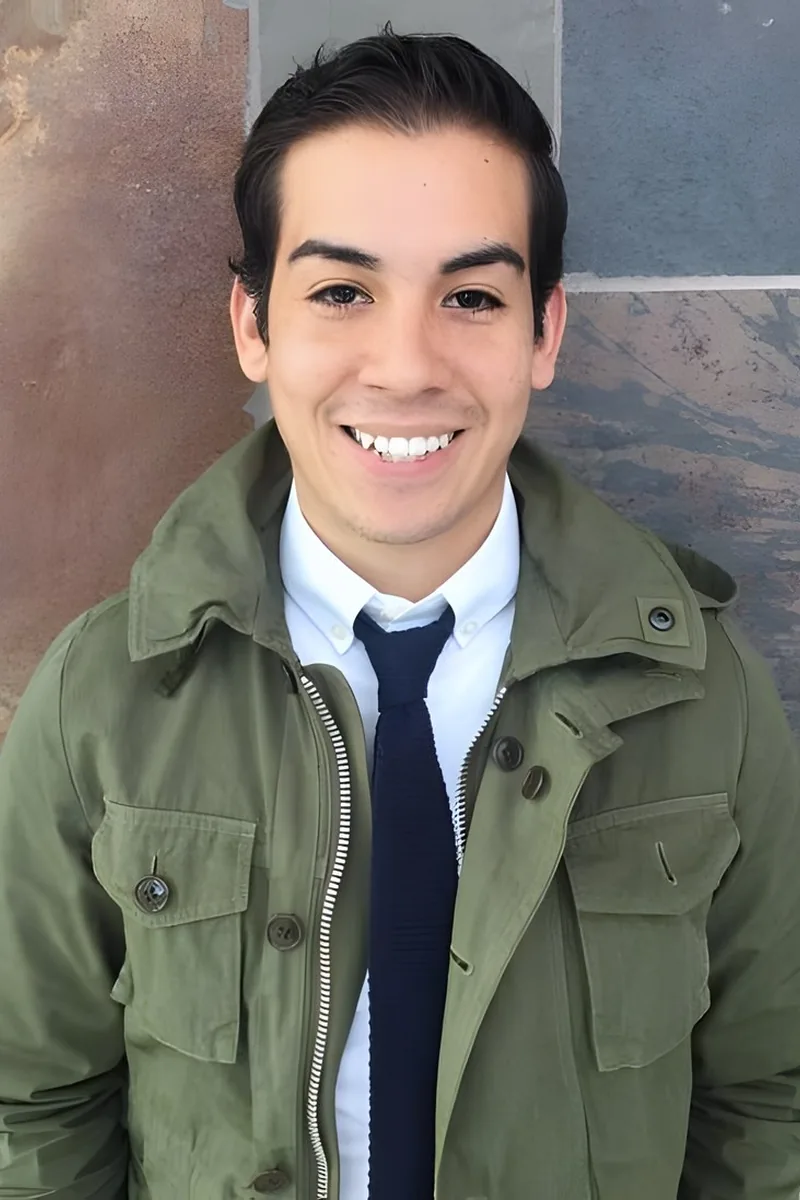
Growing up speaking Spanish at home after moving from Chile, then studying abroad in Salamanca, Carlos developed the kind of native-level fluency that catches the subtle register shifts and idiomatic layers in AP reading list works — from colonial poetry to contemporary Latin American prose. His daily work as a bilingual writer at St. Jude Children's Research Hospital keeps his written Spanish sharp and precise, which directly feeds into coaching students on constructing timed analytical essays that move beyond plot summary into genuine literary argumentation.
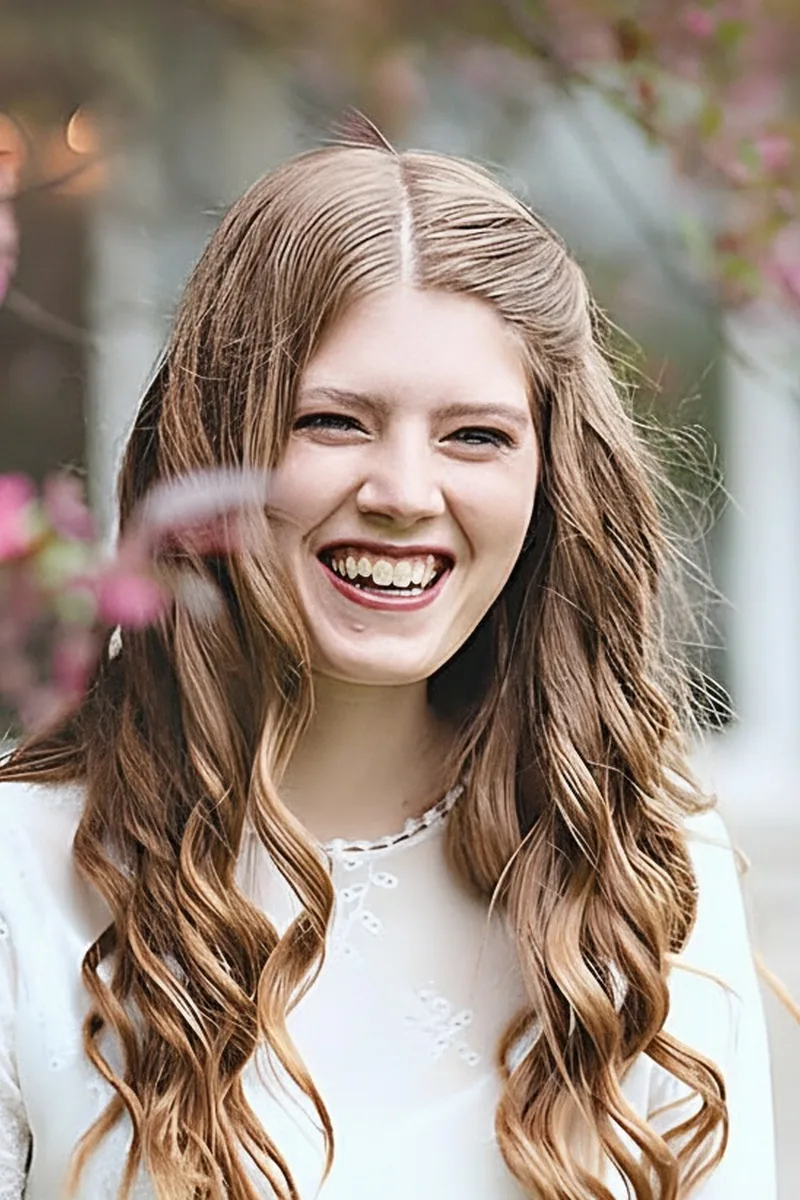
Double-majoring in English and Spanish at Butler — with a history minor and honors program work — meant Darby spent four years reading literature through both linguistic and cultural lenses simultaneously, a habit that translates directly to analyzing AP reading list texts where literary movements cross national and language boundaries. She teaches essay construction in Spanish with a creative writer's attention to how an author's formal choices (imagery, tone, narrative voice) carry argumentative weight in timed free-response writing. Rated 5.0 by students.
A cellular and molecular biology major might seem like an unlikely fit for this exam, but Isaac's 35 ACT and his coursework in AP Spanish give him the analytical reading skills and structured argumentation that the free-response essays demand — thesis construction, evidence selection, and writing under time pressure. For students who already have strong Spanish fluency and need someone to sharpen the mechanics of timed literary analysis, his science-trained precision translates surprisingly well.
Growing up as a native Spanish speaker and completing AP Spanish Literature coursework through the IB program, Solange reads and analyzes texts by authors like Cervantes and Borges in their original language without defaulting to English translation as a bridge. She teaches students to move between close reading of poetic form and constructing timed analytical essays — the exact skill set the exam's free-response section rewards. Rated 5.0 by students.
Renee's PhD in Spanish and Iberian Studies means she's spent years inside the literary traditions the AP exam tests — not just reading Garcilaso or Unamuno, but producing original scholarship on how these texts function within broader Iberian cultural movements. That academic depth shapes how she teaches students to construct thesis-driven essays in Spanish, moving from close reading of a passage's formal choices to the kind of cultural argumentation that earns top scores on the free-response section.
Phyllis earned her BA in Spanish and teaches across every level of the language, from Spanish 1 through AP — so she knows exactly where the gap widens between conversational fluency and the literary analysis this exam requires. Her creative background as a musician and visual artist sharpens how she teaches students to read poetry and prose for rhythm, imagery, and formal structure, then translate those observations into thesis-driven essays in Spanish. Rated 5.0 by students.
International Relations coursework gives Patrick a lens into the political and social forces behind Latin American and Spanish literary movements — useful context when essays on the AP reading list demand more than surface-level textual analysis. His Spanish studies through AP-level coursework and beyond mean he can conduct close reading and essay practice in the target language, connecting works to the broader historical currents his IR training covers.
I'm a native Spanish and English speaker. I graduated with Honors in Art History and Philosophy from the University of Chicago. As a trilingual, I easily understand the difficulties and processes involved in learning a new language! I have been teaching Spanish and English to students worldwide for years. I am passionate about teaching languages as I have been blessed by life-changing opportunities by speaking fluidly with people from other cultures.
Studying four languages — including Armenian, which she's currently acquiring — gives Araxie a firsthand understanding of how grammar, idiom, and cultural context interact in ways that matter for close reading of AP reading list texts in Spanish. Her Linguistics major at the University of Chicago sharpens that instinct: she can teach students to notice how a poet's syntax or verb mood carries meaning, then build that observation into a structured analytical essay entirely in Spanish.
Studying psychology alongside Spanish through AP-level coursework gives Marissa a particular angle on the reading list's most character-driven texts — she's sharp at teaching students how to articulate a character's internal conflict or a poet's emotional logic in timed analytical essays written entirely in Spanish. Her 35 ACT reflects the kind of disciplined, evidence-based reasoning she brings to constructing thesis statements and weaving in textual support under exam pressure.
Reading García Márquez or Sor Juana Inés de la Cruz in the original Spanish demands more than translation — it requires understanding the cultural and historical contexts that shaped each work. Caio pairs deep Spanish fluency with his Rice sociology and history training, so he can unpack literary movements like el Boom or colonial-era poetry in terms of the social forces behind them. Rated 5.0 by students.
Fully fluent in Spanish and studying at the University of Chicago, Emerson brings genuine literary analysis skills to AP Spanish Literature and Culture — from unpacking the magical realism in García Márquez to dissecting the poetry of Sor Juana Inés de la Cruz. He teaches students to write the kind of analytical essays the AP exam rewards, connecting themes across literary periods in clear, well-structured Spanish prose.
Courtney earned her Master's in Hispanic and Latin American Languages alongside a BA in Spanish and Iberian Studies — meaning the literary periods, genres, and cultural movements on the AP reading list aren't exam prep material for her, they're the core of her academic training. She teaches students to build analytical essays in Spanish that connect a text's formal choices to the broader tradition it belongs to, whether that's tracing magical realism's roots in a passage or identifying how a Golden Age sonnet's structure reinforces its argument.
Four years of TA'ing Spanish at Dartmouth using the Rassias method — an approach built around verb structure, syntax, and pronunciation drills — gave Elise an instinct for how language mechanics shape literary meaning, which is exactly what the AP exam's analytical essays reward. Her Comparative Literature degree with a Spanish concentration means she's trained to read across traditions and trace how formal choices in a Sor Juana sonnet or a Rulfo story carry thematic weight. Rated 5.0 by students.
Currently pursuing a graduate degree in Spanish & Portuguese Languages & Cultures while holding a BA in Spanish and French, Mia lives inside the literary and cultural traditions this exam covers — she's not just reviewing the reading list, she's actively studying the broader canon it draws from. That depth means she can teach students how a work's grammar and syntax choices carry meaning, turning close-reading instincts into the kind of thesis-driven essays the free-response section rewards. Rated 5.0 by students.
Testimonials
Because the right AP Spanish Literature and Culture tutor makes all the difference.
Average Session Rating – Based on 3.4M Learner Ratings
Nearby AP Spanish Literature and Culture Tutors
Other Knoxville Tutors
Related Languages Tutors in Knoxville
Frequently Asked Questions
The AP Spanish Literature and Culture exam tests your ability to read, analyze, and discuss Spanish-language literature and cultural texts. You'll encounter poetry, prose, drama, and essays from Spain and Latin America, spanning from the 16th century to contemporary works. The exam includes multiple-choice questions on reading comprehension and free-response sections where you analyze texts, compare works, and discuss cultural themes—all in Spanish. Success requires both strong language skills and literary analysis abilities.
Many students struggle with the density of unfamiliar vocabulary in classical and contemporary texts, especially when encountering regional dialects or archaic language. The free-response sections demand not just comprehension but sophisticated written and spoken Spanish—analyzing symbolism, tone, and cultural context while expressing complex ideas. Time management is another challenge; students often spend too long on difficult passages and rush through analysis. Working with a tutor helps you develop strategies for tackling unfamiliar texts, building literary vocabulary in context, and practicing timed responses.
Most students benefit from 3-4 months of focused preparation, though this depends on your current Spanish proficiency and familiarity with literary analysis. If you're starting from a strong Spanish foundation, you might prepare in 8-10 weeks by studying the required texts, practicing essay responses, and taking full-length practice exams. Personalized tutoring helps you identify which texts and themes need more attention, allowing you to study efficiently rather than spending equal time on everything. Consistent, targeted practice—especially with timed responses—is more valuable than cramming.
AP scores range from 1 to 5, with 3 being considered passing and qualifying for college credit at most institutions. A score of 4 or 5 typically earns you college credit and demonstrates strong proficiency in Spanish literature analysis. Your target score depends on your college goals and the schools you're applying to—some programs require a 4 or higher. A tutor can help you understand what skills are needed for your target score and create a study plan to close any gaps between your current performance and your goal.
Practice tests are essential because they familiarize you with the exam format, timing, and question types while revealing which texts, themes, or analysis skills need more work. Taking full-length, timed practice exams under realistic conditions helps you build stamina and refine your pacing strategy—critical since you'll need to analyze multiple passages and write essays within strict time limits. Reviewing your practice test results with a tutor is particularly valuable; they can identify patterns in your mistakes, whether you're misunderstanding texts, struggling with written expression, or simply running out of time.
You want a tutor with deep knowledge of Spanish literature across multiple periods and regions, plus experience teaching AP-level analysis and exam strategies. They should be able to discuss texts in Spanish, help you develop literary vocabulary, and teach you how to structure compelling analytical essays and oral responses. For students in Knoxville, Varsity Tutors connects you with expert tutors who understand the AP exam's specific demands and can tailor instruction to your strengths and weak areas, whether that's comprehension, cultural analysis, or timed writing.
Your first session typically focuses on assessing your current Spanish proficiency, understanding which texts you've already studied, and identifying your specific challenges—whether that's vocabulary, literary analysis, or exam pacing. Your tutor will discuss your target AP score and timeline, then create a personalized study plan that prioritizes the areas where you'll gain the most points. You'll likely review a sample text or practice question together to establish a baseline and show you what effective analysis looks like.
Knoxville's 122 schools and two school districts offer varying levels of AP Spanish support, but personalized tutoring ensures you get expert guidance tailored to your needs regardless of your school's resources. Varsity Tutors connects you with tutors who supplement classroom instruction, provide intensive exam prep, and help you master the specific texts and themes your school covers. Your tutor can also recommend authentic Spanish literature resources, documentaries, and cultural materials to deepen your understanding beyond what's available locally.
Let’s find your perfect tutor
Answer a few quick questions. We’ll recommend the right plan and match you with a top 5% tutor.