Award-Winning AP US History Tutors
serving York, PA
AP US History
Tutors in York
Private 1-on-1 tutoring, weekly live classes for academic support, test prep & enrichment, practice tests and diagnostics, and more to elevate grades and test scores.
Based on 3.4M Learner Ratings
UniversitiesSchools & Universities
DeliveredHours Delivered
ProficiencyGrowth in Proficiency
Who needs tutoring?
No obligation. Takes ~1 minute.
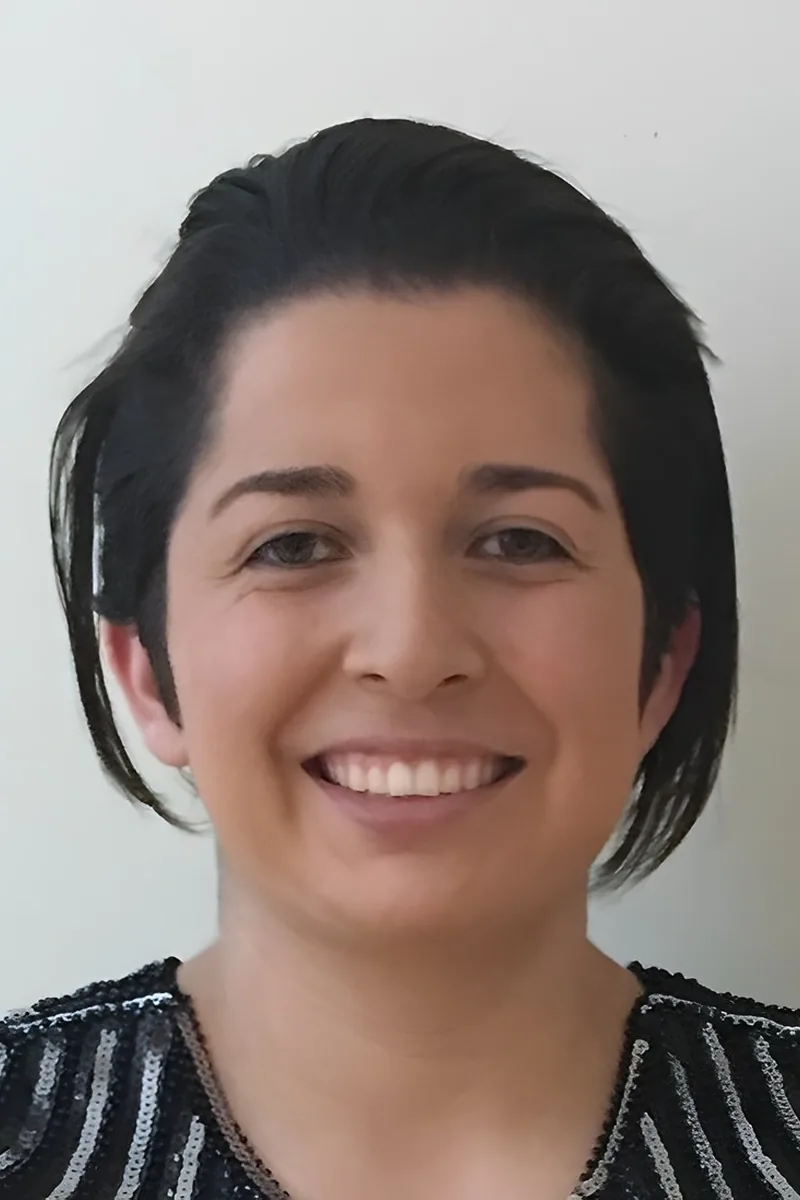
Kristin's University of Chicago BA required the kind of intensive primary source analysis and argumentative writing that APUSH essays directly test — she spent years constructing evidence-based claims under the school's famously rigorous Core Curriculum. Her philosophy minor adds a layer of logical precision to thesis construction, particularly on LEQs where students need to sustain a causal or comparative argument across multiple periods without losing the thread. Rated 5.0 by students.
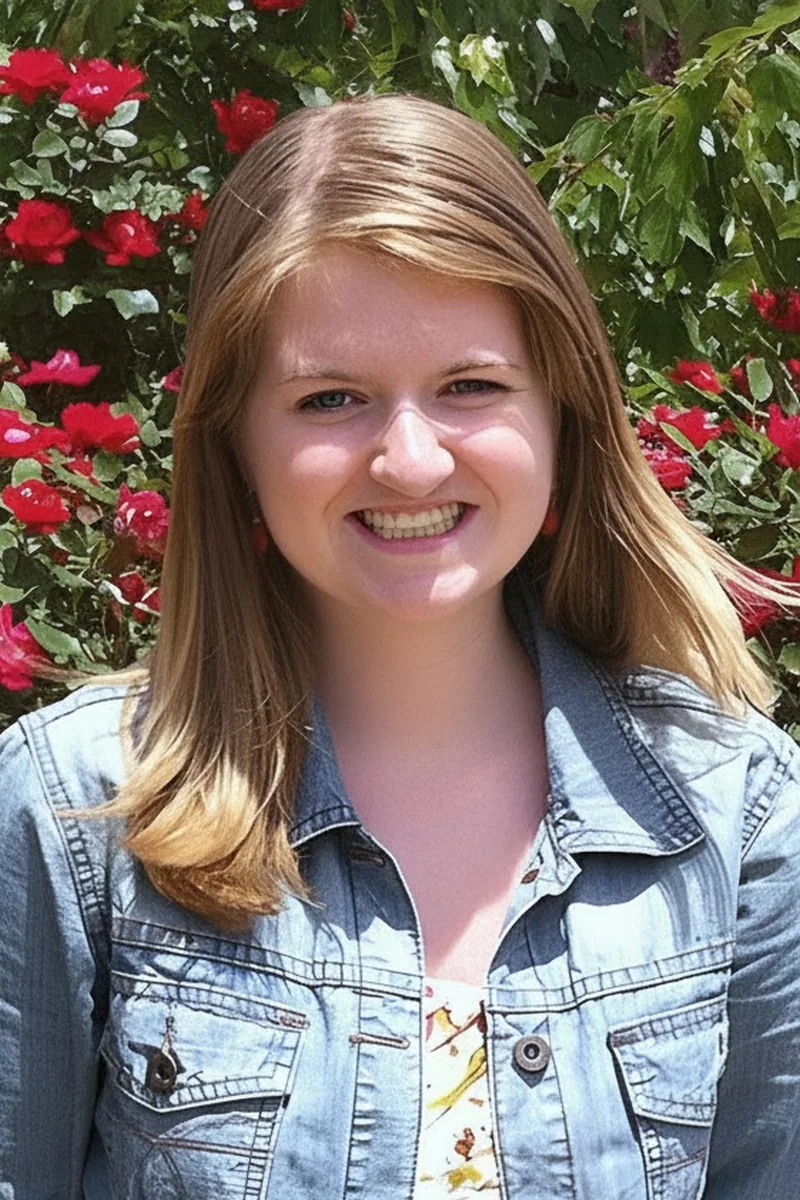
Document-Based Questions are where most AP US History students lose points — not because they lack knowledge, but because they don't know how to contextualize a source and weave it into an argument. Hannah holds a bachelor's degree in History and an MFA in Creative Writing, which means she tackles both the content (from colonial mercantilism through the Civil Rights era) and the writing skills the exam actually rewards.
Kirstie's liberal arts training and Master's in Education come together most visibly in APUSH's essay sections, where students need to do two things at once — read primary sources with a literary eye and marshal them into a historically grounded argument. She leans heavily on her AP English skills when teaching document analysis, showing students how to identify an author's purpose and audience before they ever start writing their thesis. Rated 5.0 by students.
Jay earned his history degree with honors from Penn State's Schreyer Honors College, and AP US History plays directly to that strength. He digs into the DBQ and LEQ formats specifically, teaching students how to contextualize documents, build defensible claims, and weave evidence from periods like Reconstruction or the New Deal into arguments that score well on exam day.
Studying both biology and philosophy at Boston College means Andrew spends his days toggling between empirical evidence and argumentative reasoning — the exact combination APUSH essays demand when students must marshal specific historical evidence into a persuasive thesis. He's particularly strong on causation and contextualization questions, where his philosophy training kicks in to untangle why events unfolded as they did rather than just when. Rated 5.0 by students.
Stephanie is currently pursuing her master's in History at Penn after completing dual degrees in English and History at Cornell — meaning she's actively immersed in the kind of archival research and historiographical debate that APUSH only scratches the surface of. That graduate-level depth sharpens how she teaches periodization and causation, especially when students need to move beyond narrative retelling and construct arguments about why shifts happened across eras. Her English training also means she treats source analysis as a close-reading exercise, pulling apart a document's rhetoric before plugging it into a DBQ thesis.
Dartmouth's English program is heavy on close reading and argumentation — skills Olivia now channels into APUSH's document-based questions, where reading a 1790s pamphlet for tone and intent matters just as much as knowing the political context behind it. Her education certification (K-6) also means she knows how to scaffold complex material, breaking down sprawling periods like Reconstruction or the Gilded Age into manageable cause-and-effect chains students can actually use in a timed LEQ. Rated 5.0 by students.
Levi's biology degree from Rochester and his computational biology graduate work might seem distant from APUSH, but both trained him to trace complex systems of cause and effect — exactly what the exam tests when students must connect, say, industrialization's economic drivers to Progressive Era reform in a timed LEQ. His years as a Leadership Consultant, coaching students on productivity and organizational efficiency, translate into structured approaches for managing the DBQ's document-sorting challenge under pressure. Rated 4.9 by students.
Health policy research requires tracing how legislation, social movements, and institutional power intersect over time — the same causal reasoning APUSH essays demand when students connect events like the New Deal or Great Society to their political and demographic roots. Rima's graduate work in health policy gives her a policy-analysis framework she applies directly to the DBQ and LEQ, where building an argument around systemic change scores higher than reciting dates. Rated 5.0 by students.
The AP US History exam rewards students who can build arguments from documents, not just recall dates — and Jackson treats DBQ prep as a skill you practice, not a formula you memorize. His politics minor at Oberlin sharpened his ability to analyze how economic, social, and political forces interact across periods like Reconstruction or the New Deal. Rated 5.0 by students.
Michael's economics coursework gives him a structural advantage on the APUSH periods where fiscal policy and market forces drive the narrative — think Hamilton vs. Jefferson, tariff battles, industrialization, and New Deal economics. He teaches students to trace how economic incentives shaped political coalitions across eras, which is exactly the kind of causation argument the DBQ and LEQ reward. Holds a 5.0 rating.
Having earned his education and history degrees from Temple and taught social studies in Philadelphia's public schools, Walter knows exactly what the AP US History exam rewards: clear argumentation backed by specific historical evidence. He breaks down DBQ and LEQ writing into repeatable steps — contextualization, thesis construction, evidence deployment — so students walk into the exam with a system, not just a stack of memorized dates.
A political science degree means Alex spent years studying the constitutional frameworks, partisan realignments, and policy battles that APUSH tests most heavily — from Federalist-era debates over executive power to the expansion of federal authority during the New Deal and Great Society. That government-focused lens is especially useful for the exam's causation and continuity-and-change questions, where linking specific legislation or court decisions to broader political shifts is what earns top essay scores. Rated 4.8 by students.
A law degree trains you to read documents the way APUSH wants you to — interrogating who wrote them, what they were trying to accomplish, and how they fit into a larger argument. Nate brings that legal reasoning to the DBQ and LEQ, where constructing a tight, evidence-backed thesis under time pressure is closer to writing a legal brief than a traditional history essay. His art history background also gives him an eye for visual and cultural primary sources that most tutors skip past.
A Secondary Education degree with a triple focus in Social Studies, Psychology, and Economics means Ronald was trained specifically to teach the intersections that APUSH constantly tests — how economic pressures fuel political realignment, or how psychological shifts in public opinion drive reform movements from Populism through the Great Society. He breaks down the exam's periodization and causation questions by showing students how to thread economic and social evidence into a single coherent argument, rather than treating each theme as a separate silo.
I'm also a recent graduate of The New School, with a Bachelor of Arts in Literary Studies.
Economics majors spend their time tracing how incentive structures, trade policy, and financial systems reshape societies — which means Ryan already thinks in the cause-and-effect chains that APUSH essays reward, especially for periods like the Market Revolution, Gilded Age industrialization, and New Deal economic reform. His 1590 SAT signals serious reading and analytical chops, the kind that make timed document analysis feel manageable rather than frantic. Rated 5.0 by students.
Political science majors spend years dissecting the constitutional tensions, legislative battles, and power dynamics that make up the core of the APUSH curriculum — Julian studied exactly the material the exam tests most heavily. His 1430 SAT signals strong timed reading and writing performance, which matters for an exam where the DBQ and LEQ live or die on how quickly a student can build a sourced, thesis-driven argument under pressure.
As a first-generation college student who graduated cum laude from UCLA with a biology degree and Asian Languages minor, Abrahim brings an outsider's analytical eye to American history — he learned to question assumptions rather than take narratives at face value. That mindset translates well to APUSH's emphasis on sourcing and contextualization, where students need to interrogate *why* a document was created, not just what it says. Rated 5.0 by students, he approaches each historical period as a puzzle to decode rather than a list to memorize.
The AP US History exam rewards students who can connect themes across periods — not just recall what happened, but explain why the Compromise of 1850 matters for understanding Reconstruction or how Jacksonian democracy reshaped federal power. Christopher's history degree from UCLA gives him the depth to teach both the content and the document-based essay skills the exam demands.
The IB program's emphasis on extended essays and Theory of Knowledge — where students defend interpretive claims with structured evidence — builds the exact muscles APUSH's DBQ and LEQ require. Dalton completed the full IB diploma and now draws on that training to teach how to frame a historical argument around periodization or causation rather than just retelling events. His 35 ACT and 4.9 rating speak to the timed analytical performance the exam rewards.
A psychology and communication studies background gives Paula a dual lens that's particularly useful for APUSH's trickiest essay prompts — the ones asking students to analyze how rhetoric, propaganda, and public persuasion shaped movements from the Revolution through the Cold War. She teaches document analysis as an exercise in reading audience and intent, skills her communication training made second nature. Rated 4.8 by students.
AP US History's exam doesn't just test what happened — it tests whether a student can construct an argument using documents they've never seen before. Jon's Asian American Studies background at UCLA gave him deep experience analyzing primary sources through the lens of race, immigration, and social movements, which maps directly onto the DBQ and LEQ skills the exam demands.
AP US History's Document-Based Questions are essentially legal briefs in miniature — you evaluate evidence, identify bias, and construct an argument under time pressure. John holds a history degree and a PhD in law, which means he can teach students to dissect primary sources and write thesis-driven essays that score well on the DBQ, LEQ, and SAQ formats.
Studying political science at Stanford means Margaret spends her coursework inside the same institutional frameworks — constitutional design, federalism, party realignment — that APUSH tests most heavily across every period. That gives her a structural vocabulary for explaining why events like the Nullification Crisis or the New Deal reshape governance, which is exactly the causal reasoning the DBQ and LEQ score for. Her 1550 SAT also signals the timed reading and analytical writing stamina the exam demands.
I'm excited to work with you or your child either on standardized test preparation or on generally improving performance in history, English, and social studies!
AP US History's DBQ is really a timed argument-building exercise disguised as a history test — students need to group documents, identify point of view, and connect evidence to a thesis in under an hour. Cassandra tackles this by drilling the skill of contextualization, teaching students to place each document within the broader political or economic forces of its era. Her analytical, evidence-first approach translates well from her science background.
An interdisciplinary degree blending economics and political science at Yale means Allen spent four years studying the exact forces — trade policy, constitutional interpretation, factional politics — that drive APUSH's most heavily tested periods from the Early Republic through the New Deal. He teaches students to build LEQ and DBQ arguments around economic and political causation rather than just narrating events, a skill his 1570 SAT confirms he can execute under timed pressure. Rated 5.0 by students.
Testimonials
Because the right AP US History tutor makes all the difference.
Average Session Rating – Based on 3.4M Learner Ratings
Practice AP US History
Free practice tests, flashcards, and AI tutoring for AP US History
Other York Tutors
Related Social Studies Tutors in York
Frequently Asked Questions
Varsity Tutors matches York students with expert AP US History tutors for 1-on-1 instruction. We pair each student with a tutor based on their specific needs, learning style, and goals.
Whether you need homework help, exam prep, or want to get ahead, our AP US History tutors are ready to help.
Common challenges include gaps from earlier material, difficulty with specific concepts, and trouble applying learning to new problems. These issues can snowball quickly in AP US History.
A tutor identifies where you're stuck, fills in gaps, and provides targeted practice. The 1-on-1 format means you get help exactly where you need it.
Tutors work with your student's actual coursework—homework assignments, class notes, and upcoming tests. This keeps tutoring directly relevant to what's happening in the classroom.
When you share information about your student's school and curriculum, we can match you with a tutor who has relevant experience.
All tutors complete background checks, credential verification, and teaching evaluation. Many of our AP US History tutors hold advanced degrees or have years of teaching experience.
You can review tutor profiles to find someone with the right background for your student's level and needs.
Many students see improved grades within a few weeks, along with better understanding of AP US History concepts and more confidence tackling challenging material.
Tutors track progress and adjust their approach to ensure continued improvement.
Most students benefit from 1-2 sessions per week. More frequent sessions help if your student is significantly behind or has an important exam coming up.
Your tutor can recommend a schedule based on your student's specific situation and goals.
Tutoring is purchased in packages of hours, with rates varying by tutor experience. Varsity Tutors offers several options to fit different budgets and needs.
You can discuss pricing during your consultation to find what works best.
Your tutor will assess where your student is, discuss goals, and start working on priority areas. Most students bring current homework or upcoming test material to focus on.
By the end, you'll have a clear sense of how the tutor can help and a plan for moving forward.
Let’s find your perfect tutor
Answer a few quick questions. We’ll recommend the right plan and match you with a top 5% tutor.