Award-Winning AP English Literature and Composition Tutors
serving Allentown, PA
AP English Literature and Composition
Tutors in Allentown
Private 1-on-1 tutoring, weekly live classes for academic support, test prep & enrichment, practice tests and diagnostics, and more to elevate grades and test scores.
Based on 3.4M Learner Ratings
UniversitiesSchools & Universities
DeliveredHours Delivered
ProficiencyGrowth in Proficiency
Who needs tutoring?
No obligation. Takes ~1 minute.
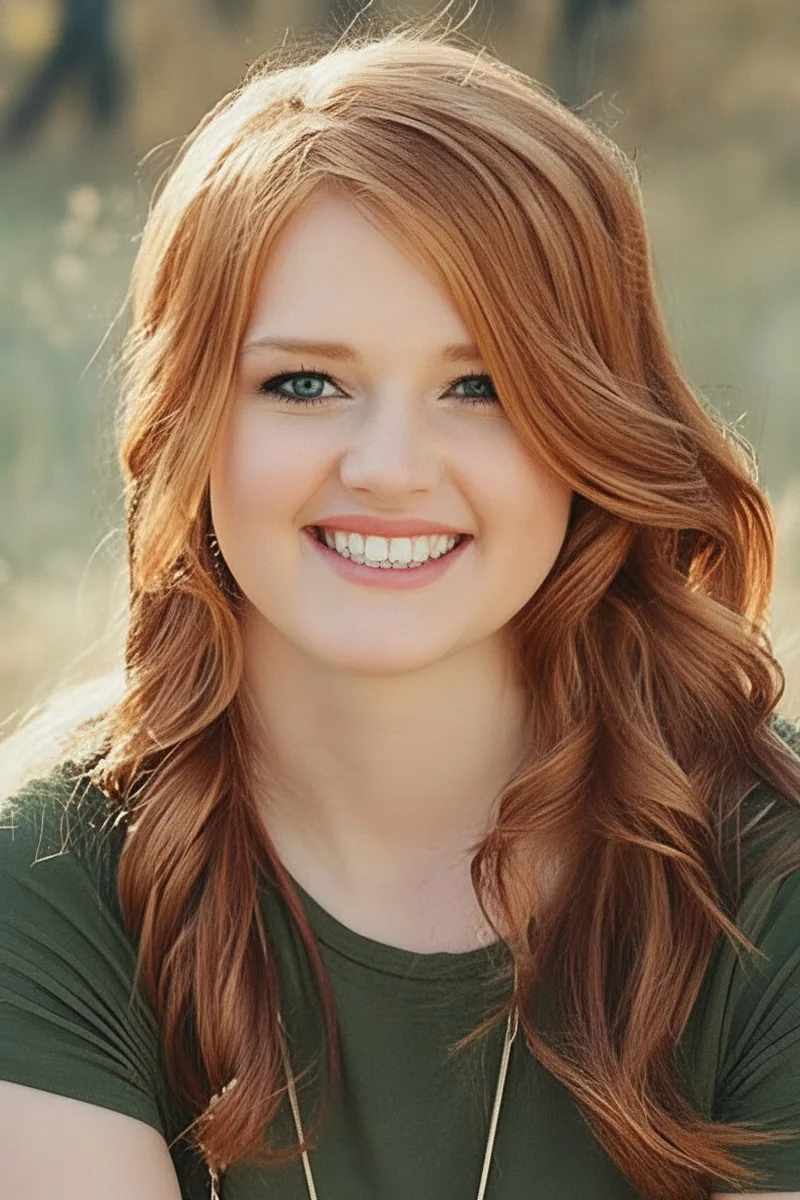
Earning a Secondary Teacher's certification while studying English means Hailey is learning not just how to analyze literature but how to teach that analysis — breaking down why a particular stanza's enjambment or a narrator's shifting reliability matters, then coaching students to articulate those insights in timed, thesis-driven essays. Her 32 ACT and 5.0 tutoring rating back up an approach rooted in making the leap from 'I noticed something' to 'here's my argument about what it means.'

AP Lit asks students to do something genuinely difficult: read a poem or passage they've never seen and produce a polished analytical essay under time pressure. Kirstie teaches close-reading techniques — tracking imagery patterns, identifying shifts in tone, unpacking syntax choices — that give students a repeatable framework for any unseen text. Her own background in literature and comparative literature means she can draw connections across periods and genres that deepen a student's analysis.
AP English Literature asks students to do exactly what Winnie was trained for: read a poem or prose passage cold and produce a sharp, thesis-driven essay under time constraints. Her comparative literature background means she can teach students to analyze imagery, narrative voice, and structural choices across traditions — from Victorian novels to postcolonial fiction — with the specificity the exam demands.
AP Lit asks students to do something most haven't practiced: build a literary argument under time pressure using only the text in front of them. Rebecca teaches close-reading strategies for poetry and prose — identifying shifts in tone, tracking imagery patterns, and constructing thesis-driven free-response essays that earn high marks.
A PhD in Religion and a bachelor's in philosophy gave Chang deep experience doing exactly what AP Lit demands: close reading of complex texts and constructing interpretive arguments under pressure. He teaches students to move beyond plot summary and build thesis-driven essays that analyze literary devices, narrative structure, and authorial intent with real textual evidence.
AP Lit asks students to do something genuinely difficult: read a poem or prose passage cold and produce a polished analytical essay under time pressure. Noelle unpacks literary devices like imagery, tone shifts, and narrative structure by showing how each one serves the author's larger argument — the kind of close reading that earns high marks on the free-response questions. Her love of reading and writing gives her a natural ear for the nuances the exam rewards.
AP Lit demands more than plot summaries — it requires students to analyze how literary devices like imagery, tone shifts, and narrative structure create meaning. Rima's deep love of reading and writing shows up in how she teaches close reading, training students to build the kind of textual arguments that score well on the free-response essays.
AP Lit asks students to do something genuinely difficult: read a poem or passage cold, figure out what it's doing on a craft level, and write a persuasive argument about it in forty minutes. Owen's theatre training means he reads texts for subtext, rhythm, and intent — exactly the analytical instincts the exam's free-response questions reward. He also digs into essay structure so students learn to build tight, evidence-driven paragraphs under time pressure.
AP English Lit asks students to do something genuinely difficult: read a poem or prose passage cold and produce a polished analytical essay under time pressure. Alex studied English and Theater at Bowdoin, which means he approaches texts through both literary close reading and the performative question of how language creates effect. He walks students through crafting thesis-driven essays that move beyond plot summary into real interpretive argument.
AP Lit asks students to do something genuinely difficult: read a poem or prose passage cold and produce a polished analytical essay under time pressure. Wallis studied Russian and Art History at Sewanee, which means she spent four years dissecting literary and visual texts for symbolism, tone, and structural choices. She teaches students to build arguments around specific textual evidence rather than vague thematic summaries.
AP English Literature rewards the kind of close, critical reading Victoria has spent years perfecting as a PhD candidate at Columbia, where she routinely dissects dense ethnographic and theoretical texts. She teaches students to build literary arguments that go beyond plot summary — analyzing how imagery, structure, and narrative voice create meaning in poetry and prose. Rated 5.0 by students.
AP Lit rewards the student who can dig beneath a poem or passage and articulate how literary devices create meaning — not just identify them. Kimberly approaches close reading as an analytical skill, teaching students to build arguments about tone, structure, and figurative language that hold up under the pressure of timed essays. Her arts background at Wesleyan and strong writing instincts make her especially effective at sharpening the interpretive thinking the exam demands.
AP Lit asks students to do something most haven't practiced: write a persuasive literary argument under time pressure, using textual evidence with precision. Olivia teaches the difference between summarizing a poem or passage and actually analyzing how its language produces meaning — the skill that separates 3s from 5s on the free-response questions. She's particularly strong on poetry analysis, where students tend to freeze up without a clear method for unpacking imagery, tone, and structure.
AP Lit's free-response questions reward students who can move past plot summary and build an argument about how literary techniques create meaning. Andrew studied literature at the undergraduate level and later sharpened his argumentative writing through law school, so he teaches students to construct thesis-driven essays that connect imagery, diction, and structure to a poem's or novel's larger purpose. That combination of literary knowledge and persuasive writing skill shows in his 4.8 rating.
Teaching high school English while holding an MA in English with a focus on feminist critical theory, Danah knows exactly what AP Lit readers reward: thesis specificity, embedded textual evidence, and sophisticated literary analysis that goes beyond plot summary. She unpacks how to write a compelling free-response essay on poetry, prose, and open-prompt questions under timed conditions. Rated 5.0 by students.
Hello, students! My name is Pranav, and I'm so excited to be tutoring with Varsity Tutors. I have vast experience tutoring both personally and professionally; I've held officer positions in several nonprofit organizations, including STEMpals and The Do Re Mi Project, teaching courses ranging from biology to music theory. I took 16 AP courses throughout high school with all 5s, and I earned a 1570 on my SAT, so I'm pretty familiar with the majority of academic subjects! I have experience tutoring any and all skill levels, and I'm always open to expanding my horizons, so please don't hesitate to book your first lesson. I'm looking forward to meeting with you!
AP Lit asks students to do something uncomfortable: defend an interpretation of a poem or passage they've never seen before, in forty minutes, with textual evidence. Cassandra approaches this as an analytical challenge, teaching students to identify literary devices like tone shifts and figurative language and then convert those observations into a coherent argument. Her science background actually sharpens this process — she treats close reading like hypothesis testing.
AP Lit asks students to do something genuinely difficult: read a poem or prose passage cold and produce a polished analytical essay under time pressure. Merav's MFA in Theater Arts means she spent years dissecting dramatic texts for subtext, imagery, and structural choices — exactly the interpretive muscles this exam tests. She teaches students to build a thesis from a single, well-chosen literary device rather than summarizing plot.
Spending a semester at Madrid's top-ranked university reading literature alongside Spanish students sharpened Meghan's ability to dissect texts across cultural contexts — exactly the close-reading skill AP Lit demands. She teaches students to build thesis-driven essays around literary devices like imagery, tone shifts, and narrative structure, not just plot summary. Her 5.0 rating speaks to how well that translates in practice.
AP Lit's free-response questions reward students who can move beyond plot summary and build arguments around literary devices — symbolism, tone shifts, narrative structure. Priscilla's Harvard coursework in government and economics trained her to construct tight, evidence-driven essays under pressure, a skill she applies directly to poetry and prose analysis on exam day.
Testimonials
Because the right AP English Literature and Composition tutor makes all the difference.
Average Session Rating – Based on 3.4M Learner Ratings
Practice AP English Literature and Composition
Free practice tests, flashcards, and AI tutoring for AP English Literature and Composition
Nearby AP English Literature and Composition Tutors
Other Allentown Tutors
Related English Tutors in Allentown
Frequently Asked Questions
AP English Literature and Composition focuses on analyzing and interpreting literature across multiple genres—poetry, prose, drama, and essays. The course emphasizes close reading skills, rhetorical analysis, and essay writing. You'll study literary devices like imagery, symbolism, and tone while developing arguments about how authors create meaning. The exam tests these skills through multiple-choice questions on prose and poetry passages, plus three free-response essays that require you to analyze texts and construct well-supported arguments.
Many students struggle with time management during the exam—the three-hour test requires reading passages carefully while also writing three essays under pressure. Another common challenge is moving beyond surface-level analysis to identify deeper literary techniques and their effects on meaning. Some students also find it difficult to balance close textual evidence with broader interpretations, or to write persuasive essays quickly without sacrificing clarity. Personalized tutoring can help you develop efficient reading strategies, strengthen your analytical skills, and practice timed writing to build confidence.
Score improvement depends on your starting point and commitment level, but students who work with tutors on targeted skills—like identifying literary devices, structuring essays, and managing test timing—typically see meaningful gains. Many students improve by 1-2 points on the 1-5 AP scale within a few months of focused practice. The key is consistent practice with feedback on your specific weaknesses, whether that's essay organization, evidence selection, or reading comprehension speed. A tutor can pinpoint exactly where you're losing points and create a study plan to address those gaps.
Your first session is about assessment and planning. A tutor will review your current understanding of literary analysis, discuss your goals, and likely have you work through a practice passage or essay to identify your strengths and areas for improvement. This might include assessing your ability to recognize literary devices, construct thesis statements, or manage essay timing. Based on this conversation, your tutor will create a personalized study plan tailored to your needs and timeline before the AP exam.
Practice tests are essential for AP English Literature and Composition because they simulate real exam conditions and reveal your pacing weaknesses and content gaps. You should take full-length practice tests under timed conditions regularly—ideally every 2-3 weeks as you prepare. After each test, review your essay responses with a tutor to understand why certain arguments were stronger than others, and analyze the multiple-choice questions you missed to identify patterns in your reading comprehension or literary analysis skills. This targeted review is far more valuable than simply taking test after test.
Each essay has a different focus: the first asks you to analyze literary techniques in a provided passage, the second analyzes poetry, and the third asks you to connect a literary work of your choice to a theme or prompt. A strong strategy is to spend 2-3 minutes planning your thesis and evidence before writing, then allocate roughly 40 minutes per essay to allow time for revision. Many students benefit from memorizing a flexible essay structure—a clear thesis, 2-3 body paragraphs with specific textual evidence, and a brief conclusion—so they can write quickly without sacrificing quality. Tutors can help you practice this structure until it becomes automatic.
Look for tutors with strong backgrounds in literature and composition—ideally someone who has taught AP English, scored well on the AP exam themselves, or has extensive experience helping students prepare for it. They should be able to explain literary concepts clearly, provide constructive feedback on your essays, and understand the specific demands of the AP exam format. It's also helpful if they can share sample essays and discuss what makes arguments effective, and can help you develop a personalized study schedule based on your timeline and goals.
Allentown's 44 schools across 8 districts offer various AP programs, and many have AP English teachers who can provide guidance and practice materials. Your school's library likely has AP prep books and access to online databases with literary texts. Beyond school resources, Varsity Tutors connects students in Allentown with expert tutors who specialize in AP English Literature and Composition and can provide personalized instruction tailored to your needs, schedule, and learning style.
Let’s find your perfect tutor
Answer a few quick questions. We’ll recommend the right plan and match you with a top 5% tutor.