Award-Winning Psychology Tutors
serving Eugene, OR
Psychology
Tutors in Eugene
Private 1-on-1 tutoring, weekly live classes for academic support, test prep & enrichment, practice tests and diagnostics, and more to elevate grades and test scores.
Based on 3.4M Learner Ratings
UniversitiesSchools & Universities
DeliveredHours Delivered
ProficiencyGrowth in Proficiency
Who needs tutoring?
No obligation. Takes ~1 minute.
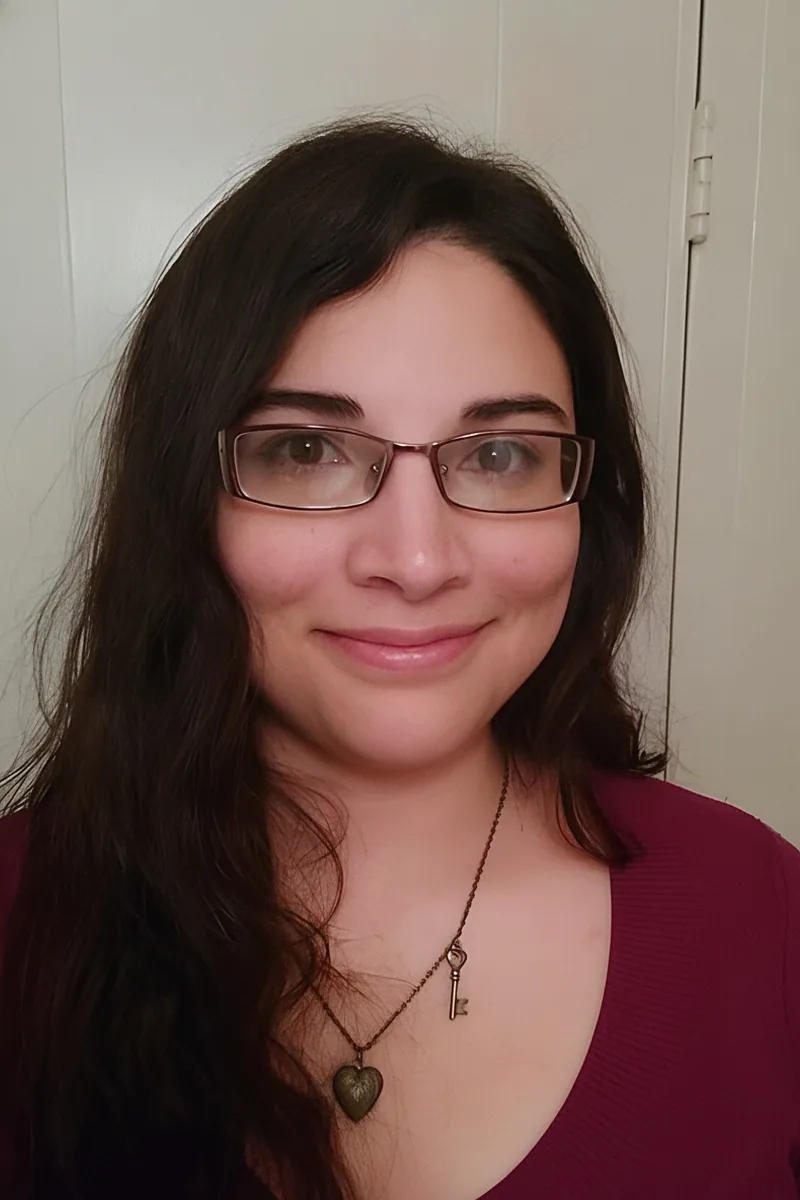
Studying psychology at the PhD level means Tashina doesn't just know the textbook definitions of concepts like operant conditioning or cognitive dissonance — she understands the experiments behind them and why the findings matter. She teaches students to think like researchers, connecting theory to methodology so that even dense topics like neuropsychology or abnormal psych feel logical rather than overwhelming.
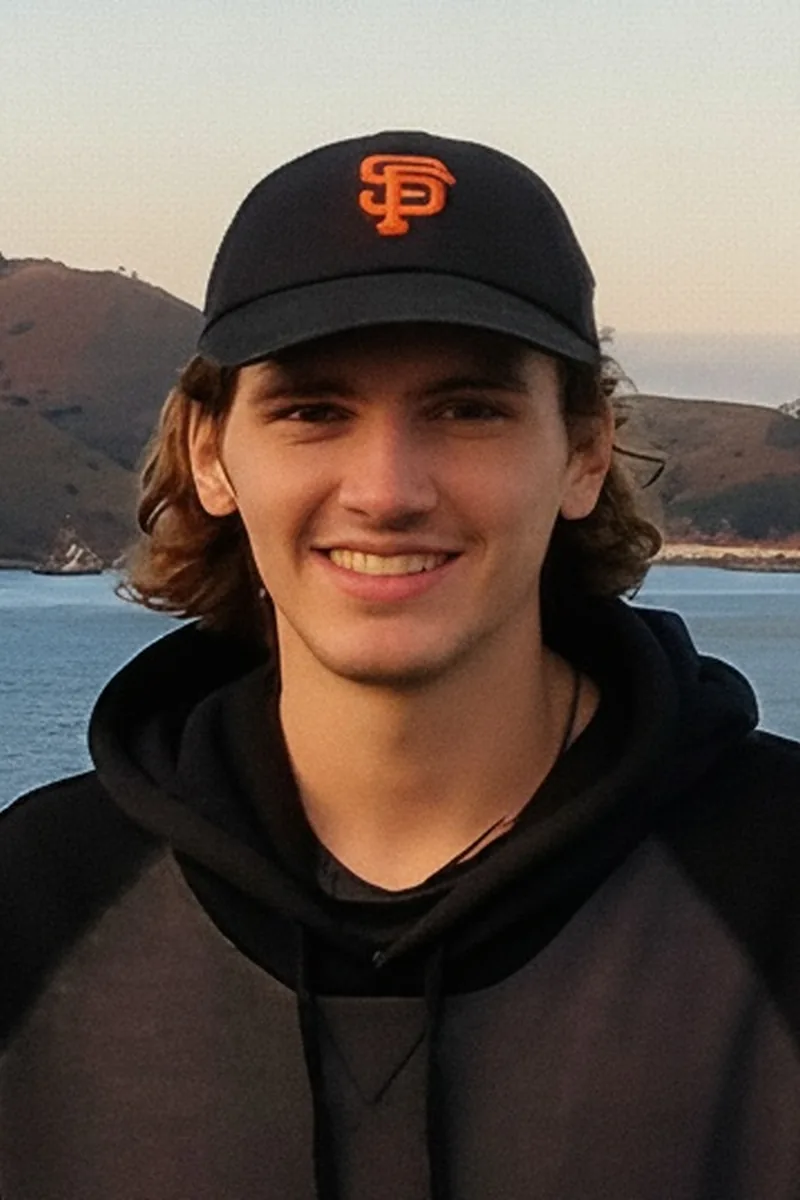
Years of teaching English to students across Thailand and Laos — adapting lessons to different ages, cultural backgrounds, and communication styles — gave Gabriel practical insight into how people learn, process language, and form habits, which maps directly onto psychology topics like memory encoding, developmental stages, and classical conditioning. He's especially strong at breaking down research studies and helping students articulate psychological concepts in clear, well-structured written responses. Rated 4.9 by students.
Emily earned her bachelor's in psychology from UVA and then applied that foundation clinically through her occupational therapy master's at Tufts. She unpacks concepts like operant conditioning, cognitive development, and research methodology by tying them to real clinical scenarios she's actually encountered — which makes textbook theory far more memorable.
Holding a bachelor's degree in psychology, Rebecca knows the discipline from the inside — not just key studies like Milgram or Harlow, but how to think through research methods, statistical reasoning, and the biological bases of behavior. She connects dense textbook material to real-world examples that make concepts like operant conditioning or cognitive dissonance actually stick.
Laura earned her bachelor's degree in psychology, so she's not just familiar with the subject — she's lived inside the research methods, statistical reasoning, and theoretical frameworks that make up a psychology curriculum. She unpacks tricky concepts like operant conditioning paradigms, cognitive biases, and experimental design in ways that connect back to real behavior students can observe in their own lives.
Timothy earned his bachelor's degree in psychology, so concepts like operant conditioning, cognitive dissonance, and the DSM framework aren't abstract textbook entries — they're material he studied in depth. He breaks down research methods and statistical reasoning in ways that make the empirical side of psych click, not just the vocabulary.
Ben approaches psychology from a biological foundation, which means topics like brain anatomy, sensation and perception, and the physiological basis of memory click quickly in his sessions. His Human Biology coursework at the University of Oregon overlaps heavily with behavioral science, so he can unpack everything from classical conditioning to abnormal psych with concrete biological context.
As a third-year psychology major who also conducts research in a cognitive neuroscience lab studying human perception, Joel knows the discipline from both the classroom and the bench. He breaks down dense topics like research methodology, statistical reasoning, and theories of cognition by grounding them in real experimental examples. Students preparing for AP Psych or introductory college courses get someone who can explain not just what the findings are but how the science actually works.
I'm a fourth year medical student who will graduate from Georgetown University School of Medicine in May 2025. I have been tutoring since high school in a wide variety of subjects at all levels of education from elementary school to the graduate level. My tutoring philosophy is to identify where and how students are struggling and to use each student's learning style to break down concepts and learn in smaller steps. While I have a wide breadth of subjects in I am comfortable tutoring, I am most experience in the maths and sciences
Four years of psychology research give Katrina a working fluency with the discipline that most tutors can't match — she doesn't just explain concepts like operant conditioning or cognitive dissonance, she can walk through the actual studies behind them. Her UChicago graduate work in social sciences means she also tackles research methods and statistical interpretation, the areas where psych students tend to struggle most.
Margaret holds a bachelor's degree in psychology and is currently pursuing a Master's in Medical Science at Boston University, which means she understands the subject from both the research and clinical sides. She digs into core concepts like classical conditioning, cognitive development theories, and experimental design methodology — the topics that anchor most introductory and AP psychology exams.
An American Studies degree is essentially a crash course in how culture shapes the way people think, perceive, and behave — questions that sit at the heart of psychology's units on social cognition, prejudice, and identity development. Olivia draws on that interdisciplinary training to unpack concepts like attribution theory and cultural influences on behavior using concrete historical and cultural case studies that give students something vivid to anchor their exam responses to.
Between his neuroscience degrees and his current graduate work in bioethics, David has spent years studying the biological and social underpinnings of human behavior. He unpacks concepts like classical conditioning, cognitive development, and research methodology by connecting them to the brain science behind them — making the material click rather than just feel like vocabulary lists.
Ellie's autism research at the Yale School of Medicine gives her a hands-on understanding of cognitive and behavioral concepts that most psychology tutors only know from textbooks. She connects topics like neurodevelopment, research methodology, and psychological disorders to real lab work, making abstract theories concrete and easier to retain.
Studying both economics and cancer biology at UChicago gives Jessica an unusual lens on psychology — she understands the subject from both the behavioral-science side and the biological-mechanisms side. Whether a student is sorting through classical conditioning paradigms or trying to remember the difference between the sympathetic and parasympathetic nervous systems, she connects abstract concepts to concrete examples that stick.
Frances earned her bachelor's degree in psychology from Duke, which means she isn't just teaching vocabulary terms like "classical conditioning" or "cognitive dissonance" — she studied the research methods, statistical reasoning, and theoretical frameworks behind them. She connects textbook concepts to real experimental designs so students understand not just what psychologists found, but how they found it and why it matters.
Neurobiology and psychology overlap more than most students expect — understanding concepts like neurotransmitter pathways, classical conditioning, or the biological basis of memory requires thinking across both fields. Katherine majored in Neurobiology and Behavior at Harvard, which means she can unpack the biological mechanisms behind psychological theories in a way that makes textbook concepts concrete. She scored in the 96th percentile on the MCAT, which itself tests psychological and social foundations extensively.
Mati's doctoral research focused on learning disabilities and their intersection with student behavior and development, giving her a practical grounding in psychological concepts that goes well beyond a textbook overview. She unpacks topics like cognitive development, abnormal psychology, and research methods by connecting them to real clinical and educational scenarios students can actually picture.
Kerry holds both a B.A. in Psychology from Cornell and a master's in Professional Psychology from William James College, so she teaches this subject from genuine depth rather than textbook familiarity. She digs into the concepts students find trickiest — research methodology, statistical reasoning, the differences between classical and operant conditioning — with real-world examples from her own clinical and coaching experience. That practitioner perspective makes abstract theories concrete.
I'm Aarzu! I'm currently an undergraduate student at Vanderbilt University, studying biochemistry and computer science. Since I was in elementary school, I have been making efforts to learn and understand mathematical concepts at more advanced levels through self studying and classes outside of school. I also have a lot of experience tutoring kids of all ages in math. I tutored at my local Russian School of Mathematics as well as at my high school through the National Honor Society. I also have experience tutoring high schoolers in chemistry.
Anni's cognitive sciences degree covered core psychology topics — perception, memory, learning theory, social cognition — from both experimental and biological perspectives. She unpacks concepts like classical conditioning, cognitive dissonance, and abnormal psych by tying them back to the underlying neuroscience, which makes the material click for students who struggle with pure memorization. Her graduate work in biomedical sciences adds depth to any unit touching on the biological bases of behavior.
Testimonials
Because the right Psychology tutor makes all the difference.
Average Session Rating – Based on 3.4M Learner Ratings
Nearby Psychology Tutors
Other Eugene Tutors
Related Social Sciences Tutors in Eugene
Frequently Asked Questions
Varsity Tutors matches Eugene students with expert Psychology tutors for 1-on-1 instruction. We pair each student with a tutor based on their specific needs, learning style, and goals.
Whether you need homework help, exam prep, or want to get ahead, our Psychology tutors are ready to help.
Common challenges include gaps from earlier material, difficulty with specific concepts, and trouble applying learning to new problems. These issues can snowball quickly in Psychology.
A tutor identifies where you're stuck, fills in gaps, and provides targeted practice. The 1-on-1 format means you get help exactly where you need it.
Tutors work with your student's actual coursework—homework assignments, class notes, and upcoming tests. This keeps tutoring directly relevant to what's happening in the classroom.
When you share information about your student's school and curriculum, we can match you with a tutor who has relevant experience.
All tutors complete background checks, credential verification, and teaching evaluation. Many of our Psychology tutors hold advanced degrees or have years of teaching experience.
You can review tutor profiles to find someone with the right background for your student's level and needs.
Many students see improved grades within a few weeks, along with better understanding of Psychology concepts and more confidence tackling challenging material.
Tutors track progress and adjust their approach to ensure continued improvement.
Most students benefit from 1-2 sessions per week. More frequent sessions help if your student is significantly behind or has an important exam coming up.
Your tutor can recommend a schedule based on your student's specific situation and goals.
Tutoring is purchased in packages of hours, with rates varying by tutor experience. Varsity Tutors offers several options to fit different budgets and needs.
You can discuss pricing during your consultation to find what works best.
Your tutor will assess where your student is, discuss goals, and start working on priority areas. Most students bring current homework or upcoming test material to focus on.
By the end, you'll have a clear sense of how the tutor can help and a plan for moving forward.
Let’s find your perfect tutor
Answer a few quick questions. We’ll recommend the right plan and match you with a top 5% tutor.