Award-Winning Latin Tutors
serving Eugene, OR
Latin
Tutors in Eugene
Private 1-on-1 tutoring, weekly live classes for academic support, test prep & enrichment, practice tests and diagnostics, and more to elevate grades and test scores.
Based on 3.4M Learner Ratings
UniversitiesSchools & Universities
DeliveredHours Delivered
ProficiencyGrowth in Proficiency
Who needs tutoring?
No obligation. Takes ~1 minute.
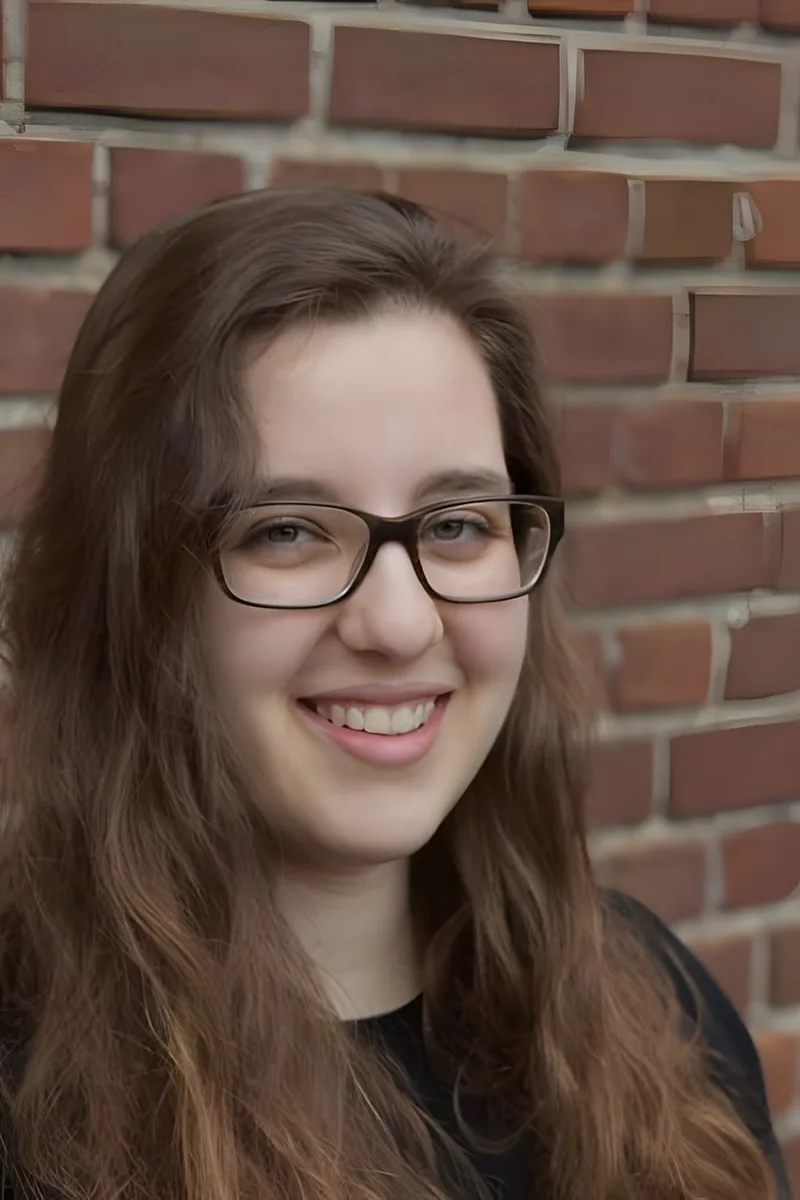
I am a graduate of Reed College with a degree in Classics. I came to Portland five years ago all the way from New York city and fell in love with the community and landscape of the Pacific Northwest. I worked as a peer tutor in high school and college, and have tutored English, Math, Reading, Writing, Attic Greek, Latin, and Humanities. I also spent five years as a Hebrew School teacher where I worked with elementary age children teaching basic Hebrew and Jewish studies. I'm passionate about tutoring because I believe every student can achieve any academic goal they set their mind to as long as they are given the tools for success. I aim to turn every "I can't" into "I know I can." I want to instill in my students a confidence in their own academic abilities and a true love of learning. I like to work with a student's unique skills to help them master new or difficult material. My ultimate goal is to help my students truly comprehend the material, and be able to apply what they have learned when encountering new problems and questions. When I'm not working I spend my time hiking at the Sandy River Delta with my husky puppy, Kili, or whipping up new vegan recipes. I love to read, especially modern fiction and historical biographies, and try to travel as much as I am able; my most recent trip was to Italy, and this winter I am heading South to the Antarctic.

Peter's history degree means he's spent years working with primary sources where Latin isn't decorative — it's the language of legal charters, church records, and the political documents that shaped Western civilization. That historical grounding gives him a concrete reason to teach case endings and verb forms: students learn to parse real inscriptions and texts, not just textbook exercises. Rated 4.8 by students.
Sarah's liberal arts training across music, theology, and world religions means she's spent years reading texts where Latin isn't just a classroom subject — it's the language sacred music, liturgical history, and philosophical ethics were written in. That lived context makes teaching declensions and conjugations stick, because every grammar concept connects to real hymns, prayers, and historical documents students can actually engage with. Rated 4.8 by students.
Between a history major at Oberlin, a semester at Trinity College Dublin, and time in a maritime studies program steeped in classical navigation texts, Bennett has encountered Latin in the places it actually lived — legal documents, church records, and the scholarly traditions that shaped European history. He brings that context into grammar lessons, connecting declension patterns and verb forms to the real texts where students can see the language doing actual work. Rated 5.0 by students.
Having studied Latin intensively through advanced levels at Yale, Malina treats the language as a system of interlocking patterns rather than a list of endings to memorize. She digs into how ablative absolutes, indirect discourse, and subjunctive clauses actually function in passages from Caesar, Virgil, and Cicero — so students learn to read Latin, not just decode it.
Four years of Latin through the AP level — plus National Exam Gold Awards every single year — gave Hanna deep fluency with everything from third-declension nouns to the subjunctive constructions that trip up most students. She teaches translation not as a word-by-word puzzle but as a process of recognizing grammatical structures, making passages from Vergil and Caesar feel approachable rather than overwhelming. Rated 5.0 by students.
While Latin isn't Tara's primary subject, her science and medical coursework has given her deep familiarity with Latin roots, prefixes, and terminology that form the backbone of the language. She approaches Latin grammar with the same systematic, pattern-based thinking she uses in her science studies — breaking declensions and conjugations into logical structures rather than rote memorization lists.
Studying political science at Penn means Alessia regularly encounters Latin in its natural habitat — legal maxims, constitutional terminology, and the Roman political vocabulary that still shapes how we talk about governance today. She teaches Latin 1 through 4 and uses that real-world context to anchor grammar lessons, so students learning subjunctive mood or indirect statement constructions can see exactly where those forms show up outside a textbook. Rated 5.0 by students.
Dennis's Latin studies through AP level sit alongside his physics and math work at Princeton — an unusual combination that means he treats Latin grammar the way he treats a physics problem, breaking complex sentence structures into their component parts and solving them systematically. He's especially effective with the kind of precise syntactic parsing that AP Latin demands, where identifying an ablative absolute or untangling a periodic sentence requires the same logical rigor as modeling turbulent plasmas.
Studying all four levels of Latin while pursuing a history degree at Dartmouth means Vivian reads the language where it actually lived — in the political speeches, legal codes, and historiographical texts that shaped the ancient world. She brings that context into every lesson, so students learning subjunctive mood or fourth-declension nouns can see those structures doing real work in passages by Caesar or Cicero rather than in disconnected grammar exercises.
Charles teaches both Latin 1 and Latin 2 alongside a full slate of English grammar and literature courses, which means he's constantly working at the intersection of Latin's grammatical structures and their echoes in modern English. That dual focus sharpens his ability to walk students through conjugation patterns and case endings by linking them to syntax rules they already use every day. His two years as a high school peer tutor built an instinct for spotting exactly where a translation starts to fall apart.
Headed to Columbia's medical school, Tyler knows firsthand how Latin vocabulary threads through anatomy, pharmacology, and clinical terminology — but his Latin teaching goes beyond roots and prefixes into the grammatical scaffolding that makes the language work. He covers both Latin 1 and Latin 2, walking students through conjugation patterns and case usage with the same methodical approach he applies to his biology and standardized test prep.
Three years of peer tutoring in Latin gave Brooke a clear sense of where students get stuck: noun declensions blurring together, ablative absolute constructions, the difference between purpose and result clauses. She walks through translations methodically, connecting each grammatical structure to how Romans actually built their sentences.
Testimonials
Because the right Latin tutor makes all the difference.
Average Session Rating – Based on 3.4M Learner Ratings
Nearby Latin Tutors
Other Eugene Tutors
Related Languages Tutors in Eugene
Frequently Asked Questions
Varsity Tutors matches Eugene students with expert Latin tutors for 1-on-1 instruction. We pair each student with a tutor based on their specific needs, learning style, and goals.
Whether you need homework help, exam prep, or want to get ahead, our Latin tutors are ready to help.
Common challenges include gaps from earlier material, difficulty with specific concepts, and trouble applying learning to new problems. These issues can snowball quickly in Latin.
A tutor identifies where you're stuck, fills in gaps, and provides targeted practice. The 1-on-1 format means you get help exactly where you need it.
Tutors work with your student's actual coursework—homework assignments, class notes, and upcoming tests. This keeps tutoring directly relevant to what's happening in the classroom.
When you share information about your student's school and curriculum, we can match you with a tutor who has relevant experience.
All tutors complete background checks, credential verification, and teaching evaluation. Many of our Latin tutors hold advanced degrees or have years of teaching experience.
You can review tutor profiles to find someone with the right background for your student's level and needs.
Many students see improved grades within a few weeks, along with better understanding of Latin concepts and more confidence tackling challenging material.
Tutors track progress and adjust their approach to ensure continued improvement.
Most students benefit from 1-2 sessions per week. More frequent sessions help if your student is significantly behind or has an important exam coming up.
Your tutor can recommend a schedule based on your student's specific situation and goals.
Tutoring is purchased in packages of hours, with rates varying by tutor experience. Varsity Tutors offers several options to fit different budgets and needs.
You can discuss pricing during your consultation to find what works best.
Your tutor will assess where your student is, discuss goals, and start working on priority areas. Most students bring current homework or upcoming test material to focus on.
By the end, you'll have a clear sense of how the tutor can help and a plan for moving forward.
Let’s find your perfect tutor
Answer a few quick questions. We’ll recommend the right plan and match you with a top 5% tutor.