Award-Winning Legal Writing Tutors
serving Columbus, OH
Legal Writing
Tutors in Columbus
Private 1-on-1 tutoring, weekly live classes for academic support, test prep & enrichment, practice tests and diagnostics, and more to elevate grades and test scores.
Based on 3.4M Learner Ratings
UniversitiesSchools & Universities
DeliveredHours Delivered
ProficiencyGrowth in Proficiency
Who needs tutoring?
No obligation. Takes ~1 minute.
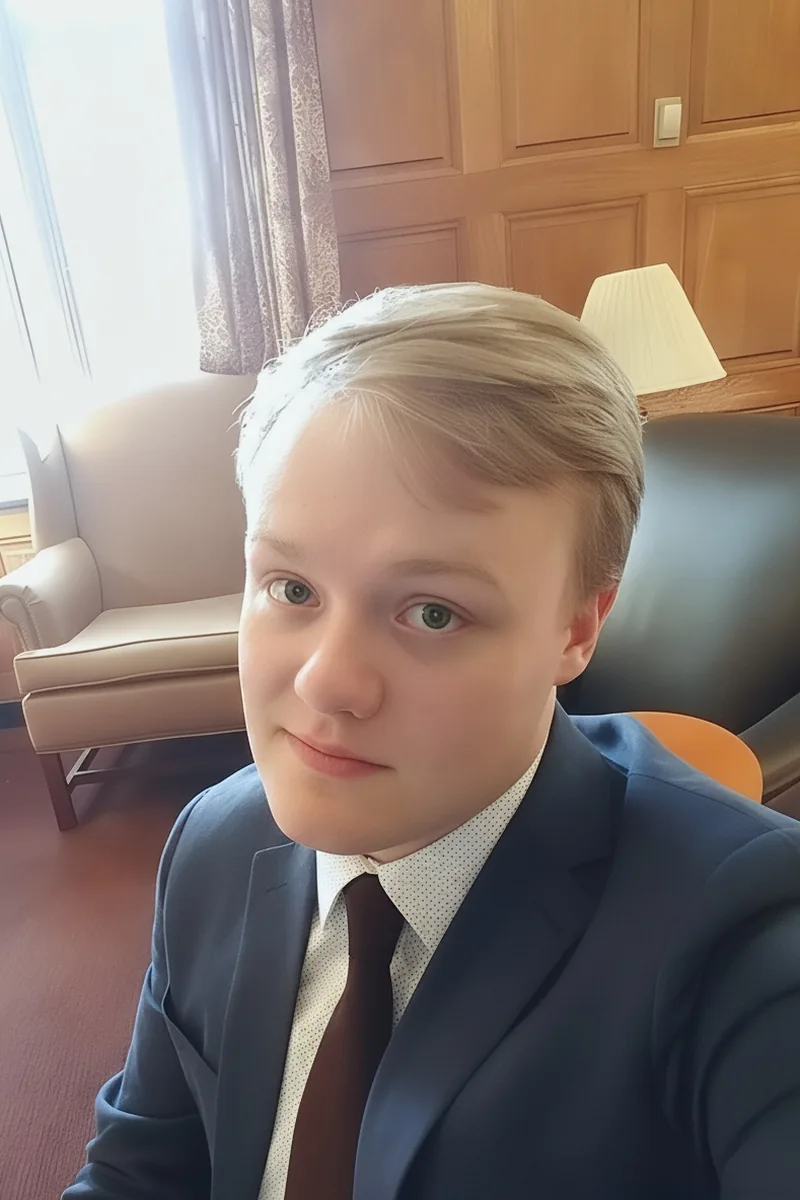
Cornell Law trained Trace in the mechanics of legal argumentation, but it was teaching assistant work for legal courses and mentoring pre-law students that sharpened how he communicates those mechanics — translating the leap from undergraduate writing to the discipline of rule-based analysis. His background in international and comparative law adds a useful dimension when students need to synthesize authority across multiple legal frameworks. He also brings a translator's obsession with word choice, which matters in a field where a misplaced modifier can change a contract's meaning.

I'm Yanti, a USC award-winning writing instructor, an emergency medicine continuing educator, and a biology major with a chemistry minor. For 36 years, I've taught students how to master difficult concepts across a very wide range of subjects. While I focus on professional licensing and standardized exam test prep, I've taught most major subjects at every level and ability. I love teaching, not lecturing. You will get information and techniques in any way that works for you: color-coded charts, visual mind maps, easy-to-memorize songs. Whatever the format, I break complex ideas into clear, doable steps that make sense to you. No fluff. No jargon. Just clarity, confidence, and even some fun. In our sessions, you get structure, support, and a coach who makes learning enjoyable and easy again. If you're ready to succeed, laugh a little, and learn a lot, please book a lesson. I'd love to work with you. Thank you!
Mark's PhD work in immigration law and legal writing means he's spent years drafting the kinds of documents where imprecise language can derail a case — statutory analyses, policy arguments, and memoranda that must hold up under adversarial scrutiny. He teaches students to build each paragraph around a single legal proposition, cutting the discursive habits that carry over from undergraduate essays. His approach treats revision as the core skill, not an afterthought.
As an adjunct law school professor with a JD from DePaul, Christina teaches legal writing the way practicing attorneys actually produce it — from crafting tight IRAC analyses to structuring persuasive appellate briefs that hold up under scrutiny. She breaks down the difference between objective memoranda and advocacy pieces, showing students how tone, citation placement, and rule synthesis shift depending on the audience.
Legal writing demands a specific kind of clarity: every sentence must advance an argument, cite authority precisely, and anticipate counterpoints. Lily's training in historical argumentation at Wesleyan — constructing thesis-driven analyses from primary sources — translates directly to structuring case briefs, memos, and persuasive legal documents. She zeroes in on organization and evidence integration, the two areas where most early legal writers struggle.
Crafting a persuasive legal memo requires more than knowing the law — it demands precise IRAC structure, tight issue framing, and the ability to distinguish binding authority from persuasive dicta. Alissa earned her Juris Doctor and brings that training directly to legal writing assignments, from case briefs and appellate arguments to client letters. She breaks down each component of legal analysis so the writing reads like a practicing attorney's, not a student's first draft.
Arianna's strength here isn't a law degree — it's the analytical rigor that comes from a Dartmouth neuroscience background, where every claim in a research paper had to be tightly structured and supported by evidence. That same discipline of building precise, logical arguments translates well to drafting legal memos and case briefs, especially for students still learning to cut filler and let their reasoning do the work. Rated 4.8 by students.
Holding law degrees from both Suffolk University Law School and Boston University Law School, Emilie knows legal writing from the inside — IRAC structure, persuasive briefs, case synthesis, and the precise citation formatting that professors scrutinize. She unpacks each assignment's requirements and teaches students to write with the clarity and authority that legal readers expect. Rated 5.0 by students.
A PhD in law and years of professional writing give John deep familiarity with the precision legal writing demands — from IRAC structure and case brief formatting to persuasive motion drafting. He treats legal writing as argumentation with strict rules, breaking down how to organize analysis so each paragraph advances a single, defensible point. Rated 5.0 by students.
I like learning anything new and enjoy reading, but I'm not fond of school. I made good grades only when the subject interested me. However, I have always done very, very well on standardized tests, probably because I read so much. I was a National Merit finalist and my LSAT score was in the 99th percentile. In today's system, that is about a 174. I attended law school at the University of Houston, graduated, passed the Texas bar with a decent score of 83, and practiced law for a long time. I quit practicing law when I moved to a small town in Central Texas. I began tutoring about a few years ago and discovered that I truly enjoy the intellectual challenge of tutoring and the opportunity to interact with a lot of bright, hard-working students. I had never tutored or taught before, so I read lots of study guides and picked out suggestions and tactics that made sense to me. I look for multiple ways to illustrate concepts because everyone understands information differently. My work with students is based on my experience, what I have studied, and feedback from my students. I think that tackling a problem directly is usually faster than looking for a trick or shortcut. I also help students with their applications and enjoy tutoring in writing and similar topics.
During law school at Suffolk, Gabrielle taught Constitutional Law to high school juniors and seniors — an experience that forced her to translate dense legal reasoning into language non-lawyers could follow, which is exactly the muscle legal writing requires in reverse. She brings that clarity to IRAC-structured memoranda, case briefs, and persuasive drafting, emphasizing how to anchor every claim in authority rather than assertion. Rated 5.0 by students.
I am a detail-oriented multi-tasker with experience implementing long-term planning academic strategies and managing client needs. I have earned multiple Ivy League degrees, including: a post-baccalaureate from Harvard University; a JD from Columbia University School of Law, where I also served as Senior Editor on The Columbia Human Rights Law Review and Senior Editor on The Columbia Law School Jailhouse Lawyer's Manual. I additionally was the Founder/Editor/Writer/Cartoonist for a law school publication, The Satiric Method. I graduated magna cum laude from Dartmouth College with an Honors B.A. in English Literature and Creative Writing and a B.A. in Russian Area Studies. I am a licensed attorney with over 25 years of professional paid and volunteer tutoring, writing, and homeschooling experience. I have experience tutoring every age level, from childhood to graduate school. I am comfortable tutoring one-on-one or in groups.
As a practicing attorney in Georgia, Ryan knows that legal writing lives and dies on precision — whether it's structuring an IRAC analysis, drafting a persuasive brief, or citing authority in proper Bluebook format. He breaks down each component of legal memoranda and motions so students understand not just the formatting conventions but the rhetorical strategy behind them. Rated 5.0 by students.
Testimonials
Because the right Legal Writing tutor makes all the difference.
Average Session Rating – Based on 3.4M Learner Ratings
Other Columbus Tutors
Related Law Tutors in Columbus
Frequently Asked Questions
Legal Writing tutoring focuses on the specialized writing skills required in law school and legal practice, including case briefs, memoranda, legal arguments, and appellate briefs. Tutors help students master the formal structure, tone, and citation requirements (like Bluebook style) that distinguish legal writing from other academic writing. For students in Columbus preparing for law school or enrolled in legal writing courses, personalized instruction addresses the unique challenges of persuasive legal argumentation and precise legal analysis.
Many students struggle with transitioning from general academic writing to the formal, precise style required in legal documents. Common challenges include understanding how to structure legal arguments, properly citing authorities using Bluebook format, distinguishing between objective and persuasive writing, and developing a professional legal voice. Personalized tutoring helps students work through these specific hurdles with targeted feedback on their actual assignments and writing samples.
Expert tutors guide students through each stage of legal writing—from analyzing the assignment and outlining arguments, to drafting, revising, and polishing final documents. They provide personalized feedback on organization, clarity, persuasiveness, and technical accuracy, helping you understand not just what to fix, but why legal writing conventions matter. This iterative approach builds confidence and develops writing habits that transfer across all legal writing contexts.
Yes. Legal citation is a critical and often confusing component of legal writing, and tutors can break down Bluebook rules in a way that makes sense for your specific documents. Whether you're citing cases, statutes, or secondary sources, personalized instruction helps you understand the logic behind citation rules and apply them consistently. Many students find that working through citations with a tutor transforms what feels overwhelming into a manageable skill.
Bring any writing assignments you're currently working on, assignment instructions, graded papers with feedback, and examples of what you're trying to improve. If you're preparing for law school, bring sample LSAT writing prompts or practice essays. This gives your tutor concrete material to work with and helps them understand your specific goals and challenges right away.
Absolutely. Strong legal writing skills are essential for law school success, and developing them before you arrive gives you a significant advantage. Tutors can help you build foundational skills in legal analysis, argumentation, and professional writing style that will serve you throughout law school. For students in Columbus considering law school, early preparation in legal writing demonstrates commitment to the field and builds confidence in a skill you'll use constantly.
Rather than simply correcting errors, tutors teach you a systematic revision process that addresses big-picture issues first—like argument structure and persuasiveness—before moving to sentence-level clarity and technical accuracy. They help you develop an editor's eye so you can identify and fix problems independently. This approach builds skills that improve not just one assignment, but all your future legal writing.
Legal writing is highly contextual—what works in a client memo differs from an appellate brief, and what persuades one judge may not work for another. Personalized tutoring provides feedback tailored to your specific assignments, writing style, and goals, rather than generic rules. This customized approach helps you understand the reasoning behind legal writing conventions and develop the judgment to apply them effectively in different situations.
Let’s find your perfect tutor
Answer a few quick questions. We’ll recommend the right plan and match you with a top 5% tutor.