Award-Winning Literature Tutors
serving Canton, OH
Literature
Tutors in Canton
Private 1-on-1 tutoring, weekly live classes for academic support, test prep & enrichment, practice tests and diagnostics, and more to elevate grades and test scores.
Based on 3.4M Learner Ratings
UniversitiesSchools & Universities
DeliveredHours Delivered
ProficiencyGrowth in Proficiency
Who needs tutoring?
No obligation. Takes ~1 minute.
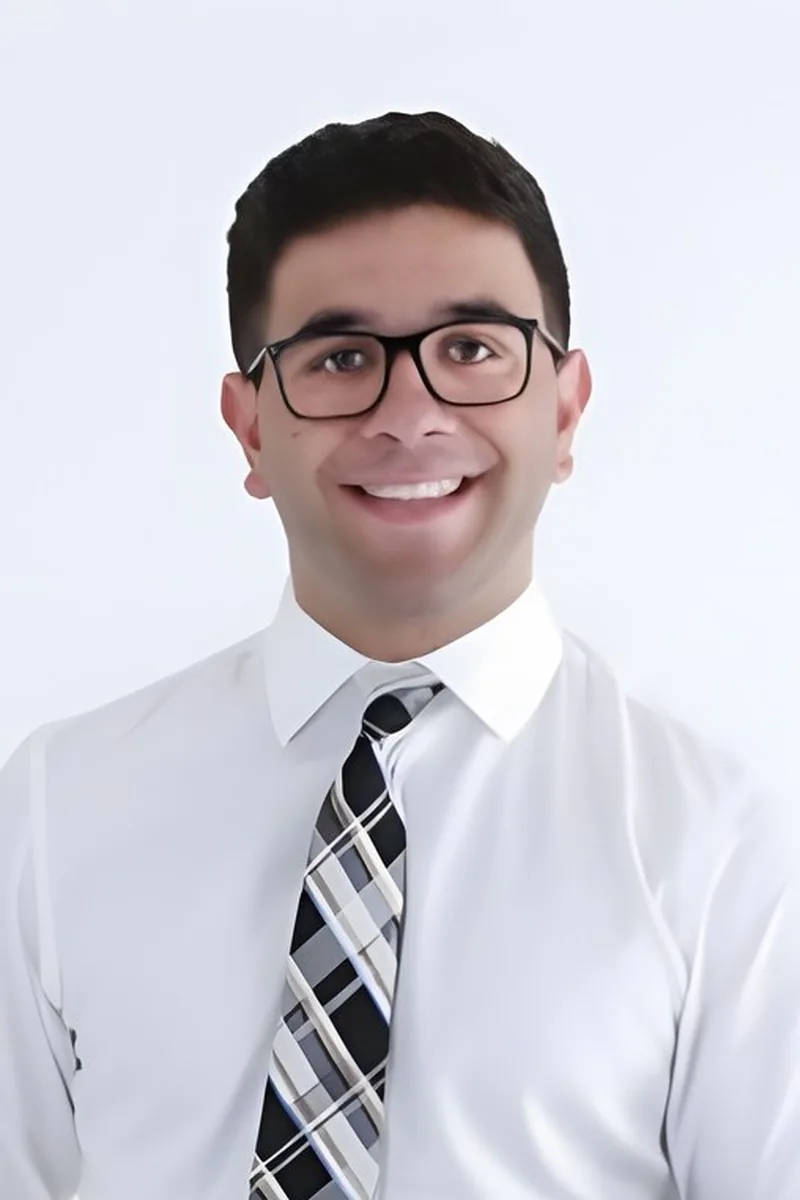
Analyzing a poem or novel isn't so different from dissecting a political argument — both require close reading and a willingness to ask what the author is really doing with language. Adam's background in speech, debate, and political science at Georgetown gives him sharp analytical instincts he applies to literary analysis, from identifying narrative structure to unpacking figurative language.

Elena approaches literature the way she thinks about everything — with the conviction that J.K. Rowling deserves the same analytical seriousness as any canonical author. Her Religious Studies and Biblical Studies training gave her deep experience with close reading, symbolism, and textual interpretation across traditions, which translates directly into unpacking a novel's themes or a poem's structure. She makes literary analysis feel like detective work rather than busywork.
Reading a novel closely is a lot like reading a scientific paper: you're looking for evidence, questioning the author's choices, and building an interpretation you can defend. Emily brings that analytical rigor to literary analysis, teaching students to trace motifs, unpack symbolism, and write arguments grounded in the text rather than summary.
Literary analysis gets interesting when students stop summarizing plot and start asking why an author made a particular choice — an unreliable narrator, a disrupted timeline, a recurring image. Lauren's background in French literature and social sciences gives her a comparative lens that opens up texts students might otherwise find opaque. She teaches close reading as a skill, not a guessing game.
Reading a novel for class and actually analyzing it are two different skills — the second requires knowing how to track motifs, unpack narrative voice, and connect a text to its historical moment. Amy is an English major at Penn with a minor in art history, which gives her a cross-disciplinary eye for interpreting symbolism and cultural context across poetry, fiction, and drama.
An avid reader and writer outside the classroom, Vinay approaches literature by teaching students to trace how an author's choices — diction, imagery, point of view — build meaning across a text. His Columbia-trained analytical writing background translates well to close reading, whether the assignment involves dissecting a Shakespeare soliloquy or unpacking symbolism in a contemporary novel.
Studying history at Yale meant Arielle spent four years doing exactly what good literary analysis requires: reading closely, building arguments from textual evidence, and situating a work within its broader context. She teaches students to move from surface-level plot summary to deeper engagement with themes, symbolism, and authorial intent — whether they're tackling a Shakespeare play or a contemporary novel.
Engineering students don't usually advertise their literary skills, but Christine's broad coursework at Johns Hopkins required close reading across genres — analyzing arguments, tracing themes, and writing evidence-driven interpretations. She approaches literature by teaching students to ask precise questions of a text: what's the author doing structurally, and why does that choice matter?
Poetry and nature literature are where Emma truly lights up — she built entire lesson series around them at Chautauqua Institution — but her reading stretches across fiction and nonfiction alike. She teaches students to dig into a text's structure, voice, and argument rather than just summarizing plot, which is the skill that actually shows up on essays and exams.
Baking sourdough and studying chemical engineering both demand patience with process — and so does reading a novel closely enough to write about it well. Rahul's Cornell training sharpened his ability to read precisely and argue from evidence, skills he applies to literature by teaching students how to trace an author's use of recurring imagery or tonal shifts and build those observations into a coherent, defensible interpretation. Rated 4.9 by students.
Reading a novel for class and actually analyzing it are two very different skills, and the gap usually shows up when a student stares at a blank essay prompt. Sarah teaches close-reading techniques — tracking imagery, unreliable narration, structural choices — that give students concrete evidence to build arguments around instead of summarizing plot.
Studying ancient Greek and Roman texts as a Classical Studies minor at Duke gave Emma practice analyzing literary devices — symbolism, narrative structure, unreliable narration — across very different genres and time periods. She applies that same close-reading discipline to modern novels, poetry, and drama, teaching students to build interpretive arguments grounded in textual evidence rather than plot summary.
Reading literature well means learning to ask why an author made a particular choice — why this metaphor, why this narrative structure, why this ending. Benjamin's dual degree in neuroscience and Russian from Vanderbilt gave him deep experience analyzing texts across languages and traditions, from Dostoevsky to contemporary American fiction. He teaches students to build interpretive arguments grounded in textual evidence rather than surface-level summary.
Reading a novel for pleasure and reading one for a literature class require completely different muscles — close reading, thematic analysis, and connecting a text to its historical moment. Priya's writing-intensive coursework at Vanderbilt sharpened her ability to unpack symbolism, unreliable narration, and authorial intent across genres from poetry to long-form fiction. She's an avid reader herself, which means discussions go beyond what's on the study guide.
A neuroscience background might seem unrelated to literature, but Nathan approaches close reading the same way he approaches a research paper — by asking what evidence the text actually provides before jumping to interpretation. He teaches students to trace motifs, analyze narrative structure, and build arguments that stay grounded in the language on the page.
An avid reader who lists books among his top hobbies, Christian approaches literature by teaching close-reading techniques that unlock a text's deeper arguments — tracing motifs, unpacking unreliable narrators, and connecting an author's choices to historical context. His analytical training in engineering actually sharpens this work, since both disciplines demand careful attention to structure and evidence.
Reading literature at Cambridge meant engaging with texts as arguments — unpacking how an author's choices in structure, imagery, and point of view produce meaning, not just summarizing plot. Yusef brings that close-reading discipline to poetry, novels, and drama, teaching students to build interpretive claims they can defend with textual evidence.
Reading a novel for plot is one thing; analyzing how an author uses unreliable narration, symbolism, or structural choices to build meaning is another skill entirely. Peter's English Education background and his own deep reading habit — books are one of his primary interests — make him a natural fit for unpacking everything from Shakespeare's sonnets to contemporary fiction.
Analyzing literature requires the same skill Dillon emphasizes across all his teaching: reading critically and building an argument from evidence. He digs into how authors use structure, symbolism, and point of view to shape meaning — then shows students how to translate those observations into clear, well-supported essays. His background in engineering may seem unconventional for literature, but it sharpens his instinct for logical, precise analysis of a text.
Amy's science background might seem unrelated to literature, but environmental toxicology demands close reading of dense, argument-driven texts — a skill that translates directly to analyzing novels, poetry, and essays. She teaches students to identify an author's underlying claims and trace how imagery, structure, and tone build meaning across a work.
Jera treats literary analysis as argument-building: every claim about a text needs evidence, and every piece of evidence needs interpretation. Her legal training sharpened that instinct — constructing a reading of a novel's symbolism or a poem's structure isn't so different from building a case brief. Students leave sessions knowing how to defend a thesis about a text, not just summarize its plot.
Reading a novel closely means learning to track how an author builds theme through specific choices — imagery, dialogue, narrative structure. Cynthia approaches literature by teaching students to annotate with purpose, pulling evidence that supports an argument rather than just summarizing plot. Her experience across multiple languages also brings a broader lens to questions of voice and translation in world literature.
Breaking down a poem or novel starts with knowing what to look for — imagery patterns, narrative structure, shifts in tone. Vishank approaches literary analysis the way he approaches data: by teaching students to identify patterns in a text and then build an argument around the evidence they find.
Reading literature seriously means asking what a text is doing and why — tracking metaphor, unreliable narration, structural choices. Michael brings an analytical mindset sharpened by years in computer science, where precision with language and logic matters, and pairs it with a genuine love of books to dig into close reading and literary analysis.
A strong reader across genres, John approaches literature by teaching students to trace motifs, analyze narrative structure, and build arguments about a text's deeper meaning. His scientific training actually sharpens this work — he treats close reading like hypothesis testing, asking students to ground every interpretation in textual evidence.
Reading a novel for class and actually analyzing it are two different skills, and the gap usually shows up when students struggle to connect themes, symbols, or narrative structure to a thesis. Eshita approaches literature by teaching students to ask better questions of the text — why an author chose a particular point of view, what a recurring image is doing — which makes both discussion and essays sharper.
Reading a novel closely means noticing how an author's choices — narrative voice, imagery, structural pacing — create meaning beyond the surface plot. Bryan approaches literature analytically, treating each text like a problem to unpack, which makes his math-trained eye for patterns surprisingly useful when dissecting symbolism or tracing thematic development.
Literary analysis at Yale demands more than summarizing plot — it requires arguing how form, language, and historical context produce meaning together. Curtis brings that rigor to his literature tutoring, whether a student is annotating a Shakespeare sonnet for meter and volta or building a thesis about unreliable narration in a modern novel. His American literature background is especially deep, spanning Hawthorne through Toni Morrison.
I am an upbeat and patient tutor. I like to make learning as fun as possible, and I'm constantly learning new things.
Reading a novel for class and actually analyzing it are two different skills — one requires attention, the other requires knowing what to look for in symbolism, narrative structure, and authorial intent. Carly's double major in Communication of Science and Technology sharpened her ability to dissect how writers construct arguments and meaning, skills she applies to everything from Shakespeare to contemporary fiction. She teaches students to build interpretive claims they can defend with textual evidence.
Reading a novel for class and actually analyzing it are two different skills, and the gap usually shows up when students try to write about theme or symbolism. Lilian teaches close-reading techniques — annotating for patterns, tracking character motivation across scenes, connecting imagery to argument — that turn vague observations into specific literary claims.
Reading literature well means learning to sit with ambiguity — noticing how an unreliable narrator in Poe shifts meaning, or why Toni Morrison fractures chronology on purpose. Emma's triple-major arts education immersed her in close reading across genres and periods. She unpacks symbolism, tone, and narrative structure by asking the kinds of questions that make a text click rather than feel like a chore.
Reading a novel for class and actually analyzing it are two different things. Edith teaches students to dig into literary devices, narrative structure, and thematic arguments so they can move from plot summary to the kind of close reading that produces sharp essays and confident class discussion.
Reading literature closely means learning to trace how a symbol, motif, or narrative choice carries meaning across an entire text. Amanda's IB teaching background trained her to approach novels, poetry, and drama through global and cultural lenses, pushing beyond surface-level plot summary. She connects close-reading techniques to the kind of analytical writing that literature courses demand.
Studying philosophy alongside neuroscience gave Reed a habit of reading texts on multiple levels — what the author says, what they assume, and what they leave out. He brings that layered approach to literature, whether students are unpacking symbolism in a novel or tracing a character's arc across a play. Close reading becomes a concrete, repeatable skill rather than a guessing game.
Alan's approach to literature leans on close reading and argumentation — breaking down how an author builds a theme through structure, diction, and imagery rather than just summarizing plot. His years teaching at both four-year and community colleges gave him practice walking students through texts at varying levels of complexity.
Kevin's love of reading and writing shows up in how he teaches literature: by treating every text as an argument the author is making and asking students to figure out how it's constructed. Whether the assignment involves close-reading a Shakespeare sonnet or analyzing narrative voice in a contemporary novel, he teaches students to build interpretations from textual evidence rather than gut feelings.
Reading widely across genres herself, Delaney teaches literary analysis as a set of concrete skills: identifying how an author's diction builds tone, tracing motifs across chapters, and constructing arguments about theme that go beyond plot summary. She's particularly good at making close reading feel like detective work rather than busywork.
Reading a novel closely is a skill, not a talent — it takes practice identifying themes, analyzing character motivation, and connecting a text to its historical moment. Michelle taught reading and Language Arts to middle schoolers and developed strategies for getting students to move past plot summary into genuine interpretation. She's especially effective at teaching students how to pull textual evidence and build an argument around it.
Reading literature across three Romance languages — plus the critical theory that comes with a linguistics degree — gave Trace an unusually wide lens for analyzing texts. He teaches students to move beyond plot summary and into close reading: examining how an author's diction, structure, and cultural context build meaning on the page.
Testimonials
Because the right Literature tutor makes all the difference.
Average Session Rating – Based on 3.4M Learner Ratings
Other Canton Tutors
Related English Tutors in Canton
Frequently Asked Questions
Varsity Tutors matches Canton students with expert Literature tutors for 1-on-1 instruction. We pair each student with a tutor based on their specific needs, learning style, and goals.
Whether you need homework help, exam prep, or want to get ahead, our Literature tutors are ready to help.
Common challenges include gaps from earlier material, difficulty with specific concepts, and trouble applying learning to new problems. These issues can snowball quickly in Literature.
A tutor identifies where you're stuck, fills in gaps, and provides targeted practice. The 1-on-1 format means you get help exactly where you need it.
Tutors work with your student's actual coursework—homework assignments, class notes, and upcoming tests. This keeps tutoring directly relevant to what's happening in the classroom.
When you share information about your student's school and curriculum, we can match you with a tutor who has relevant experience.
All tutors complete background checks, credential verification, and teaching evaluation. Many of our Literature tutors hold advanced degrees or have years of teaching experience.
You can review tutor profiles to find someone with the right background for your student's level and needs.
Many students see improved grades within a few weeks, along with better understanding of Literature concepts and more confidence tackling challenging material.
Tutors track progress and adjust their approach to ensure continued improvement.
Most students benefit from 1-2 sessions per week. More frequent sessions help if your student is significantly behind or has an important exam coming up.
Your tutor can recommend a schedule based on your student's specific situation and goals.
Tutoring is purchased in packages of hours, with rates varying by tutor experience. Varsity Tutors offers several options to fit different budgets and needs.
You can discuss pricing during your consultation to find what works best.
Your tutor will assess where your student is, discuss goals, and start working on priority areas. Most students bring current homework or upcoming test material to focus on.
By the end, you'll have a clear sense of how the tutor can help and a plan for moving forward.
Let’s find your perfect tutor
Answer a few quick questions. We’ll recommend the right plan and match you with a top 5% tutor.