Award-Winning Literature Tutors
serving Cincinnati, OH
Literature
Tutors in Cincinnati
Private 1-on-1 tutoring, weekly live classes for academic support, test prep & enrichment, practice tests and diagnostics, and more to elevate grades and test scores.
Based on 3.4M Learner Ratings
UniversitiesSchools & Universities
DeliveredHours Delivered
ProficiencyGrowth in Proficiency
Who needs tutoring?
No obligation. Takes ~1 minute.
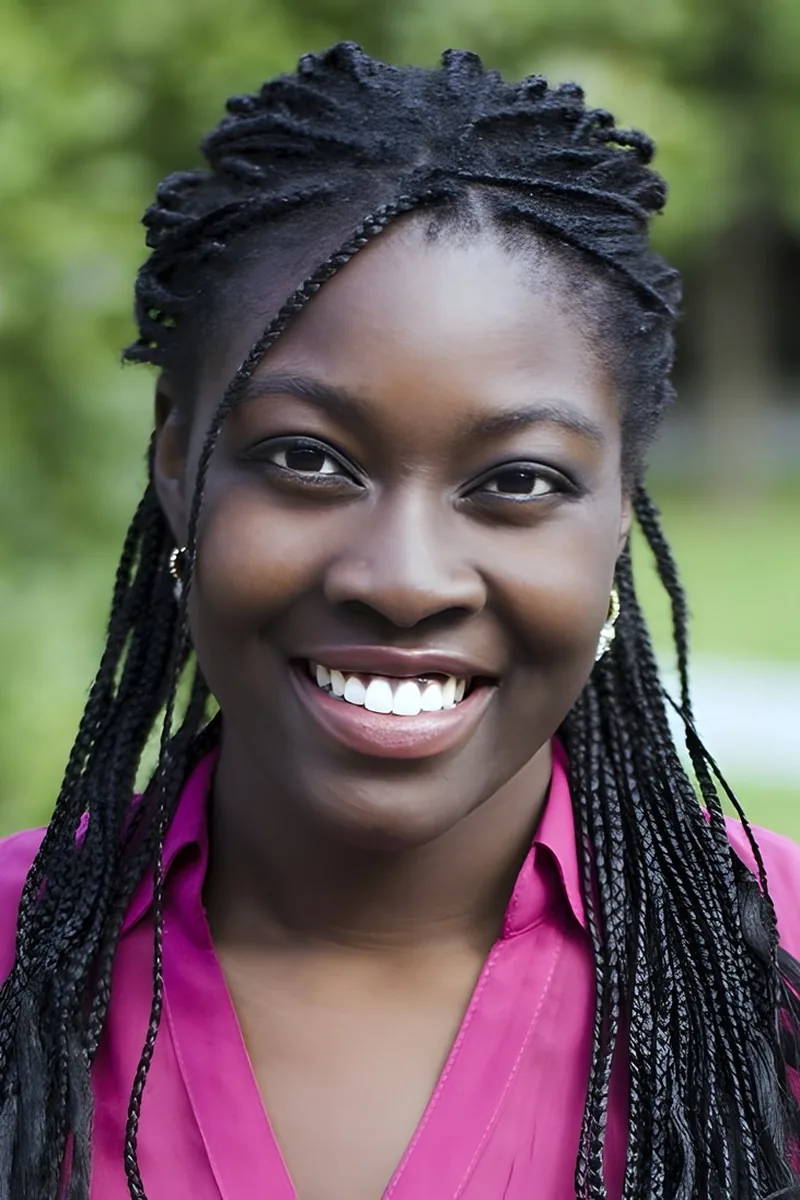
Reading a novel for class and actually analyzing it are two very different skills, and the gap usually shows up when a student stares at a blank essay prompt. Sarah teaches close-reading techniques — tracking imagery, unreliable narration, structural choices — that give students concrete evidence to build arguments around instead of summarizing plot.

Reading a novel for class and actually analyzing it are two different skills, and the gap usually shows up when students struggle to connect themes, symbols, or narrative structure to a thesis. Eshita approaches literature by teaching students to ask better questions of the text — why an author chose a particular point of view, what a recurring image is doing — which makes both discussion and essays sharper.
Studying philosophy alongside neuroscience gave Reed a habit of reading texts on multiple levels — what the author says, what they assume, and what they leave out. He brings that layered approach to literature, whether students are unpacking symbolism in a novel or tracing a character's arc across a play. Close reading becomes a concrete, repeatable skill rather than a guessing game.
An avid reader of poetry and fiction, Josh brings genuine enthusiasm to close reading — teaching students to trace imagery, unreliable narration, and thematic development across a text rather than skimming for plot summary. His liberal arts training at Centre College emphasized seminar-style literary analysis, where every interpretation had to be defended with textual evidence.
Reading a novel is one thing; building an argument about its themes, symbols, or narrative structure is another skill entirely. Lyndsey teaches students to move from gut reactions to textual evidence — pulling specific passages, analyzing diction, and constructing interpretations that hold up under scrutiny.
From teaching K-12 reading to devouring high fantasy in her spare time, Crystal lives inside texts — and her English Education degree gave her the tools to show students how authors construct meaning through deliberate choices in imagery, point of view, and pacing. She's especially strong at teaching students to move from "I liked this book" to a defensible interpretation grounded in specific language from the page. Rated 5.0 by students.
Reading literature well means learning to ask better questions — why does the narrator withhold information here, what does this recurring image accumulate over time, how does dialogue reveal what a character won't say directly. William approaches texts through close reading and discussion, drawing on his psychology background to dig into character psychology and unreliable narration. He covers poetry, short fiction, and novels across periods and genres.
An avid reader across genres, Judith treats literature study as an exercise in close reading — pulling apart an author's choices around symbolism, narrative structure, and tone rather than just summarizing plot. Her engineering mindset actually lends itself well to analytical writing about texts, since she teaches students to build arguments from textual evidence the way you'd build a proof from data. She covers everything from poetry analysis to novel-length works.
Reading literature analytically is a skill that transfers everywhere — from writing research papers to interpreting complex texts in any field. Lillian approaches novels and poetry with the same pattern-recognition instinct she uses in her science courses, teaching students to trace motifs, dissect narrative structure, and support interpretations with specific textual evidence. That cross-disciplinary thinking gives her literature sessions a clarity students find refreshing.
An English degree from Sewanee gave Samuel deep experience with close reading — the kind where you notice how a single metaphor in Beloved or a shift in narrative voice in The Great Gatsby reshapes an entire text's meaning. He teaches students to build literary arguments by pulling specific evidence from the page and connecting it to larger themes. Rated 5.0 by students.
Reading literature closely means noticing what an author chose not to say as much as what's on the page. Henry's coursework at Vassar and his personal love of books give him a wide frame of reference — from analyzing narrative voice in novels to unpacking imagery in poetry. He teaches students to build interpretive arguments grounded in textual evidence rather than vague impressions.
Studying art history means reading critically across centuries of cultural context — the same skill that makes literary analysis click. Elana unpacks poetry, novels, and drama by teaching students to trace motifs, identify narrative structure, and build interpretive arguments grounded in textual evidence rather than surface-level summary. Rated 5.0 by students.
Reading Homer and Virgil in their original contexts taught Robert to treat a text as an argument: what is the author doing, and how does the language accomplish it? He brings that close-reading discipline to literature at any level, whether a student is annotating a Shakespeare sonnet or building a thesis about narrative voice in a modern novel.
Trudy earned her BA in English Literature from Virginia Tech and then dove deeper into textual analysis during her master's program at the University of Edinburgh, where she studied how visual and written narratives intersect across cultures. She brings that cross-disciplinary lens to literature sessions, whether a student is unpacking symbolism in a novel, analyzing poetic form, or building a close-reading argument for an essay.
A scientist tutoring literature might sound unusual, but Chad brings a precise, evidence-based reading style that's surprisingly effective for close reading and literary analysis. He teaches students to build arguments about a text the way a researcher builds a case — claim by claim, anchored in specific passages rather than vague impressions.
Albert's Humanities studies at Indiana Wesleyan mean he reads literature through multiple lenses — historical context, philosophical argument, and rhetorical craft. He teaches students to dig into a text's structure and language choices so they can build interpretive claims that hold up under scrutiny, whether for a class discussion or a timed AP essay.
A philosophy major with a deep love of reading, Craig approaches literature by teaching students to dissect arguments within texts — identifying how authors use motif, irony, and narrative structure to advance a central claim. He treats novels and poems the way a philosopher treats an essay, pulling apart layers of meaning until the thesis becomes clear.
Between her undergraduate neuroscience coursework and her lifelong love of reading, Lauren approaches literature through the lens of how stories affect us — why an author's structural choices create tension, how unreliable narrators reshape meaning, what makes a symbol land rather than feel forced. She's comfortable across genres from classic novels to contemporary fiction. Her analytical training makes her especially good at teaching students to build interpretive arguments grounded in textual evidence.
Reading a novel for class is one thing; building an argument about its themes, symbols, or narrative structure is a completely different skill. Troy teaches students to annotate with purpose — tracking motifs, identifying shifts in tone, pulling the specific textual evidence that makes an essay claim persuasive. His approach turns close reading from a vague instruction into a concrete, repeatable process.
Reading a novel is one thing; understanding how an author uses symbolism, narrative voice, or historical context to build meaning is another. McKenna teaches students to dig into texts analytically, drawing on her broad background in American literature and history to connect what's on the page to the world that shaped it.
Reading a novel is one thing; unpacking its themes, symbolism, and narrative structure is another skill entirely. Manuel approaches literature analytically, teaching students to build arguments about a text using specific evidence rather than vague impressions. An avid reader himself, he brings genuine enthusiasm to discussions of everything from poetry to longer works of fiction.
Testimonials
Because the right Literature tutor makes all the difference.
Average Session Rating – Based on 3.4M Learner Ratings
Other Cincinnati Tutors
Related English Tutors in Cincinnati
Frequently Asked Questions
Literature tutors work with you on reading comprehension, textual analysis, essay writing, and understanding themes across different works. They can help you develop strong thesis statements, organize your arguments effectively, and provide personalized feedback on your writing—whether you're analyzing poetry, novels, drama, or short stories. Many students find that working 1-on-1 with a tutor significantly improves both their understanding of complex texts and their ability to articulate their ideas in essays.
Varsity Tutors connects you with tutors who understand Ohio's English Language Arts standards and the specific curricula used across Cincinnati's 44 school districts. Whether you're working on assignments from your English class, preparing for AP Literature and Composition, or tackling required reading lists, tutors can align their instruction with what you're learning in the classroom. They'll review your assignments, textbooks, and class notes to provide targeted support that complements your coursework.
Yes—essay writing is one of the most common areas where literature tutors provide support. They can help you develop a strong thesis, organize your arguments logically, support claims with textual evidence, and revise for clarity and impact. Tutors also provide feedback on your drafts, helping you understand not just what needs improvement, but why, so you develop stronger writing skills over time. This personalized feedback is particularly valuable for developing your unique voice and argumentation style.
Literary analysis requires breaking down how authors use language, structure, and literary devices to create meaning. A tutor can teach you frameworks for analyzing texts, guide you through close reading strategies, and help you connect specific textual details to larger themes and interpretations. Rather than just telling you what a text means, tutors help you develop the critical thinking skills to analyze literature independently, which strengthens both your comprehension and your essays.
Writer's block is common, and tutors have strategies to help you move past it. They can work with you on brainstorming, outlining, and organizing your ideas before you write, which often prevents the blank-page paralysis. If you've already written a draft but it feels disorganized, tutors can help you restructure your arguments, cut unnecessary sections, and ensure your ideas flow logically. Many students find that talking through their ideas with a tutor helps clarify their thinking and gets them writing again.
Both matter, but they're different skills. Grammar is the foundation—correct punctuation, sentence structure, and word choice ensure your ideas are clear and professional. Style and voice are about how you express those ideas uniquely and persuasively. A good tutor helps you strengthen both: they'll address grammar issues that interfere with clarity, while also helping you develop a stronger, more confident voice in your writing. The goal is writing that's both technically sound and compelling.
Varsity Tutors connects you with tutors who have expertise in literature and understand your specific needs—whether that's AP prep, struggling with a particular text, or developing stronger writing skills. You can discuss your goals and challenges upfront, and tutors can customize their approach to match your learning style. Many students benefit from trying a first session to see if the tutor's teaching style and expertise align with what you're looking for.
Many students notice improvements in their writing and confidence within a few sessions, especially when working on specific skills like essay structure or thesis development. Deeper improvements in literary analysis and critical thinking typically develop over several weeks of consistent work. The timeline depends on your starting point, how frequently you meet with a tutor, and how much you practice the strategies between sessions. Regular tutoring combined with your own reading and writing practice tends to produce the strongest results.
Let’s find your perfect tutor
Answer a few quick questions. We’ll recommend the right plan and match you with a top 5% tutor.