Award-Winning AP Chinese Language and Culture Tutors
serving Raleigh, NC
AP Chinese Language and Culture
Tutors in Raleigh
Private 1-on-1 tutoring, weekly live classes for academic support, test prep & enrichment, practice tests and diagnostics, and more to elevate grades and test scores.
Based on 3.4M Learner Ratings
UniversitiesSchools & Universities
DeliveredHours Delivered
ProficiencyGrowth in Proficiency
Who needs tutoring?
No obligation. Takes ~1 minute.

Eric teaches across three levels of Mandarin Chinese and coaches AP Chinese Language and Culture with a particular edge on the interpersonal speaking tasks, where his conversational fluency and 36 ACT verbal instincts help students think on their feet during timed prompts. His biomedical engineering coursework at Duke also means he can introduce technical and academic vocabulary that gives cultural comparison essays unexpected depth — discussing China's healthcare system, STEM education culture, or scientific collaboration norms rather than recycling the same festival examples every other student writes about.
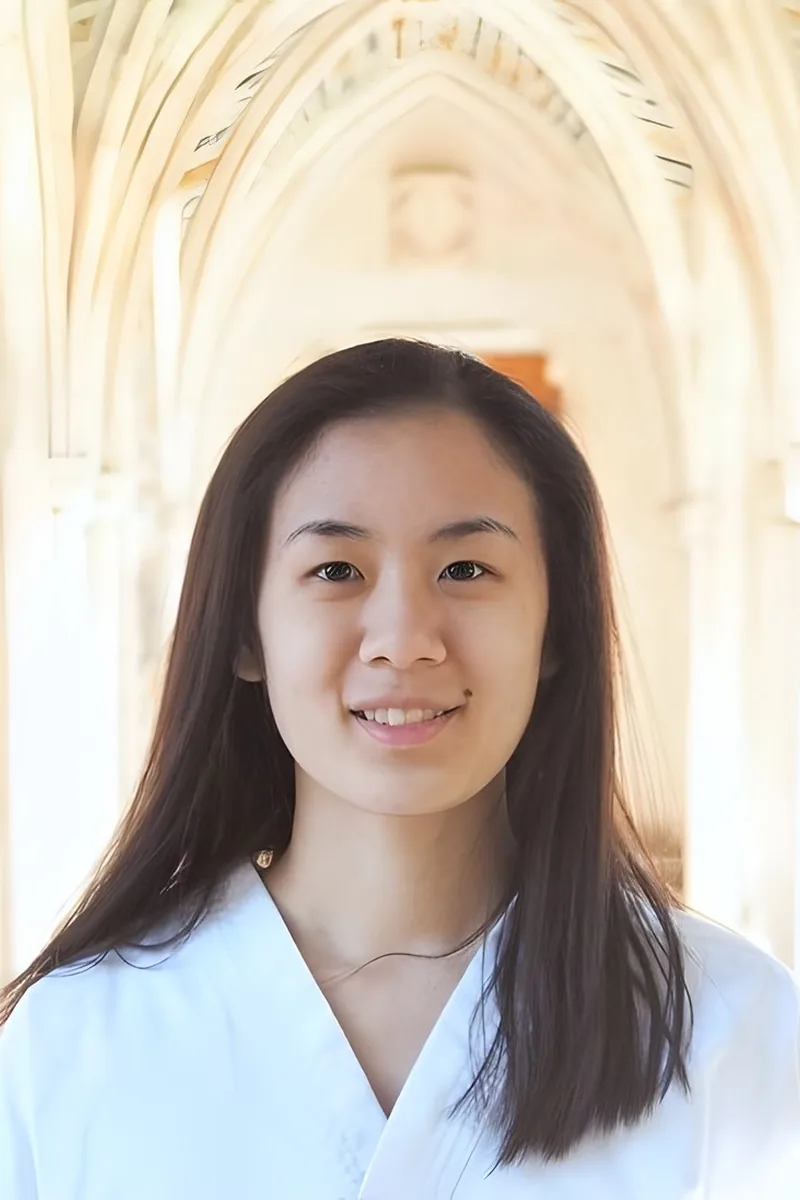
Having scored on the SAT Subject Test in Chinese with Listening, Florence brings firsthand experience with the kind of language proficiency AP Chinese demands — from interpreting spoken passages to crafting written responses using appropriate registers. She knows which cultural comparison prompts tend to trip students up and how to structure presentational writing that earns top marks.
Having studied French through level 4 and Mandarin Chinese across multiple levels, Noah approaches AP Chinese prep as someone who understands the mechanics of learning tonal languages from the inside — particularly the listening comprehension sections where untrained ears miss contextual shifts in rapid spoken Mandarin. His actuarial science training also lends an unusually methodical structure to exam prep, breaking the cultural comparison essays into scoreable components so students know exactly what earns points.
Growing up as a native Mandarin speaker and now studying computer science at Georgia Tech, Caleb brings an analytical mindset to the AP Chinese exam's listening comprehension section — breaking down how to process rapid formal Mandarin by isolating key structural cues rather than trying to translate every word. He's especially useful for students who speak conversational Mandarin at home but struggle with the exam's academic register and the presentational speaking prompts that demand organized, formal delivery under time pressure.
Eight years of teaching Chinese language and culture across elementary, middle, and high school levels — plus directing a K-12 language enrichment program — makes Amanda one of the rare tutors who understands the full arc of the AP Chinese exam. She tackles the interpersonal and presentational speaking tasks head-on, coaching students to respond with cultural nuance and grammatical precision under timed conditions. Rated 5.0 by students.
The cultural comparison essay on the AP Chinese Language and Culture exam trips up even strong speakers because it requires analytical writing, not just language proficiency. Julie's philosophy training at Princeton sharpens exactly that skill — breaking down a prompt, organizing a clear argument, and supporting it with specific cultural knowledge. She brings that structured thinking to every section of the exam.
The cultural presentation component of AP Chinese Language and Culture catches many students off guard because it requires genuine knowledge of Chinese traditions, geography, and social customs — not just language proficiency. Christine grew up in Shanghai and brings firsthand cultural context to topics like festival traditions, family structures, and regional differences that students need for both the exam and the interpersonal tasks. Her native fluency means she can coach pronunciation and tonal accuracy in real time.
Scoring well on AP Chinese Language and Culture means navigating presentational writing, interpersonal speaking prompts, and cultural comparison essays — all in Mandarin. Alex is fluent in Mandarin Chinese and understands the tonal pitfalls and character-recognition challenges that trip up American students. He connects language drills to real cultural contexts so the exam's thematic units feel less like abstract categories and more like actual conversations.
The AP Chinese Language and Culture exam tests more than vocabulary — it demands cultural literacy, formal register switching, and the ability to compare Chinese and American perspectives in real time. Ya grew up in Taiwan and earned her master's in Foreign Language Education (Chinese) at NYU, so she teaches students to navigate the interpersonal and presentational speaking tasks with native-level cultural nuance. She also drills the specific reading and listening strategies that trip up heritage and non-heritage speakers alike.
As a native Mandarin speaker who moved to the U.S. at nine and later studied at Cornell, Jennifer bridges Chinese and American culture in a way that's hard to find in a tutor. She covers all four AP skill areas — interpretive reading, listening, presentational writing, and spoken interpersonal communication — while weaving in the cultural knowledge that the exam's free-response questions specifically test. Rated 5.0 by students.
Melody teaches Mandarin Chinese and is currently studying at Columbia, where her coursework in AP Chinese Language and Culture aligns closely with the exam's cultural comparison prompts — the section where students need to articulate specific, nuanced differences between Chinese and American practices rather than recite generalities. Her 4.9 rating from students speaks to her ability to break down both the interpretive listening tasks and the presentational speaking prompts, where tonal clarity and organized delivery under timed pressure make the difference.
Most AP Chinese prep zeroes in on language mechanics, but the exam's interpersonal speaking prompts also reward the kind of natural conversational flow that comes from genuine cultural immersion — something Yuyi brings as a native Mandarin speaker who also studied English and psychology at the university level. That dual-language academic background makes her especially effective at coaching students through the interpretive reading section, where parsing formal written Mandarin requires more than character recognition.
Jason is a Mandarin speaker who understands both the linguistic and cultural dimensions the AP Chinese exam tests — from formal vs. informal register in presentational writing to the cultural comparisons required in the free-response section. He walks students through listening comprehension strategies and character recognition alongside the cultural knowledge that earns top scores.
The AP Chinese exam's cultural comparison essays reward students who can draw on genuine cross-cultural experience — and as a Mandarin Chinese speaker studying at the University of Minnesota, Amy lives that dual perspective daily. She also teaches across multiple Mandarin levels, so she can identify gaps in a student's formal written register or listening comprehension and target those specific weaknesses before exam day.
Testimonials
Because the right AP Chinese Language and Culture tutor makes all the difference.
Average Session Rating – Based on 3.4M Learner Ratings
Nearby AP Chinese Language and Culture Tutors
Other Raleigh Tutors
Related Languages Tutors in Raleigh
Frequently Asked Questions
The AP Chinese exam tests proficiency across listening, reading, writing, and speaking skills at the intermediate-high to advanced level. The exam includes multiple-choice sections for listening and reading comprehension, a free-response writing section, and a speaking portion with interpersonal and presentational components. Success requires not just language mechanics but also cultural understanding and the ability to communicate naturally in Chinese across different contexts.
AP scores range from 1-5, with a 3 or higher typically considered passing for college credit. Most colleges grant credit for scores of 3 or 4, while a 5 may allow you to skip introductory Chinese courses entirely. Your target score depends on your college goals and current proficiency level—Varsity Tutors connects you with tutors who can assess your baseline and create a realistic improvement plan based on your starting point.
The speaking section intimidates many students, but consistent practice with personalized feedback is the most effective solution. Tutors can simulate the actual exam format, record your responses, and help you identify patterns in pronunciation, pacing, and grammar that need work. Regular practice in a low-pressure environment builds confidence and helps you internalize natural speech patterns, so you're less focused on mechanics during the real exam.
The reading section tests comprehension of authentic materials—news articles, emails, advertisements—that use advanced vocabulary and cultural references. Students often struggle with time management and recognizing nuanced meanings in context. Personalized tutoring helps you build reading speed through targeted vocabulary study, learn to skim for main ideas, and practice test-taking strategies that maximize your score within the time limit.
Most students benefit from 3-6 months of consistent preparation, though your timeline depends on your current proficiency level and exam date. The FSI (Foreign Service Institute) estimates that reaching professional-level Chinese proficiency requires approximately 2,200 hours of study, but AP Chinese typically targets intermediate-high proficiency, which requires less. Tutors can help you create a personalized study schedule that balances all four skills and fits your school's AP exam calendar.
Practice tests are essential for familiarizing yourself with exam format, timing, and question types, but they're most valuable when followed by detailed review and targeted practice. Working through full-length practice tests helps you identify which skills need the most work—whether that's listening comprehension, writing accuracy, or speaking fluency. Tutors use practice test results to guide instruction, so your study time focuses on genuine weak areas rather than skills you've already mastered.
The AP Chinese exam assesses not just language skills but cultural competency, reflecting real-world communication needs. Questions may reference Chinese holidays, historical events, social customs, or contemporary issues. Understanding cultural context helps you interpret nuanced language and respond authentically to prompts. Tutors weave cultural learning throughout instruction, so you're building both linguistic and cultural knowledge simultaneously.
An effective AP Chinese tutor should be fluent in Mandarin (or another Chinese variety being tested), have deep knowledge of the AP exam format and scoring rubrics, and understand common student challenges at each proficiency level. Ideally, they have experience helping students improve specific sections—whether that's speaking confidence, writing accuracy, or listening comprehension. Varsity Tutors connects you with tutors who have proven expertise in AP Chinese and can tailor instruction to your needs.
Let’s find your perfect tutor
Answer a few quick questions. We’ll recommend the right plan and match you with a top 5% tutor.