Award-Winning AP Biology Tutors
serving Hickory, NC
AP Biology
Tutors in Hickory
Private 1-on-1 tutoring, weekly live classes for academic support, test prep & enrichment, practice tests and diagnostics, and more to elevate grades and test scores.
Based on 3.4M Learner Ratings
UniversitiesSchools & Universities
DeliveredHours Delivered
ProficiencyGrowth in Proficiency
Who needs tutoring?
No obligation. Takes ~1 minute.

Studying biomedical engineering at Duke means Eric thinks about biological systems at the molecular, cellular, and organismal levels every day. He tackles AP Biology's toughest units — signal transduction, gene regulation, and energy flow through ecosystems — by tying them back to the underlying logic that the AP exam rewards.
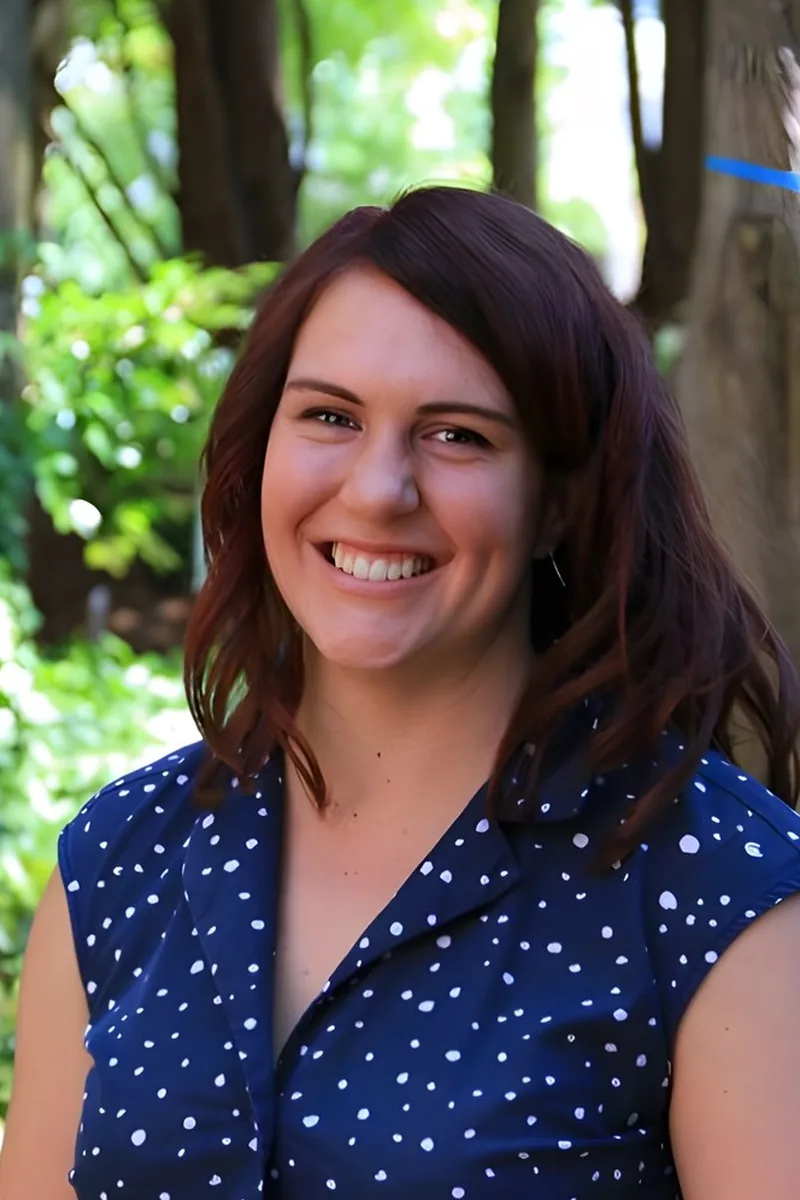
A PhD in bioengineering from Georgia Tech means Jordan has studied biological systems at the molecular and cellular level — protein interactions, tissue mechanics, signal transduction — through the quantitative lens that AP Bio's data-analysis and experimental-design questions increasingly demand. That engineering perspective is especially useful for the units where students need to interpret graphs, design controlled experiments, or reason through mathematical models of population growth and gene frequency. Rated 5.0 by students.
Currently studying biological and physical sciences at Cornell, Katrina is learning AP Bio's core content — genetics, cellular processes, ecology — at the college level right now, which means she can pinpoint exactly where the jump from high school to college-level reasoning trips students up. She breaks down topics like gene expression and natural selection by connecting them to what she's actively studying in her own coursework, keeping explanations current rather than recycled. Rated 5.0 by students.
Biochemistry majors spend their time at the intersection of chemistry and biology — and that's exactly where AP Bio gets hardest, in units on enzyme kinetics, cellular energetics, and the molecular machinery behind gene expression. Hunter is currently studying biochemistry at Boston College and heading to graduate research at Duke, so these topics aren't abstract review but material he's actively working with at the college level. Rated 5.0 by students.
Neuroscience majors don't just memorize biology — they trace how signals move through neurons, how cells communicate via chemical gradients, and how gene expression shapes nervous system development, all of which overlaps heavily with AP Bio's units on cell communication and signal transduction. Anameeka brings that molecular-level perspective from her coursework at Pitt, and she's especially useful for students who struggle to connect what's happening inside a cell to the organism-level outcomes the free-response questions demand. Rated 5.0 by students.
Rashmi's Economics and Computer Science studies at UNC Chapel Hill might seem like an unusual fit for AP Bio, but she tutors the subject alongside a full biology course load and brings a data-driven mindset that's especially useful for the exam's experimental design and chi-square analysis questions. She's rated 5.0 by students and is particularly good at teaching how to read and interpret the dense graphs and data tables that show up throughout the multiple-choice and free-response sections.
Cellular biology and botany are Madison's specialties within her biology program at Guilford College, which means she can dig into AP Bio's plant physiology and cell structure questions with the kind of detail that turns vague answers into full-credit free responses. Her 34 ACT and hands-on lab experience translate into sharp data-interpretation skills — exactly what students need for the exam's grid-in and experimental design prompts. Rated 5.0 by students.
Julia's cellular and molecular biology degree means she built her understanding of AP Bio's core content — gene expression, cell division, membrane dynamics — from the molecular level up, which is exactly the direction the exam expects students to reason. Her microbiology background adds depth to the ecology and evolution units, where understanding how organisms adapt at the cellular level strengthens the kind of multi-scale arguments free-response questions demand. Rated 4.8 by students.
Nicole is studying biology at the undergraduate level right now, which means topics like cellular respiration, gene expression, and signal transduction are fresh in her mind — not something she learned a decade ago. She tackles AP Bio's notoriously dense curriculum by teaching students to reason through experimental design questions and data analysis, not just memorize vocabulary. Her 5.0 rating speaks to how well that approach lands.
Studying chemistry at the undergraduate level means Srikavya encounters the biochemistry behind AP Bio's toughest units — enzyme kinetics, metabolic pathways, and the energetics of photosynthesis and cellular respiration — through a quantitative lens that most biology-only tutors don't bring. She's especially useful for students who struggle with the chemistry-heavy portions of the course, like understanding how pH affects protein folding or why ATP hydrolysis actually releases energy. She also teaches AP Chemistry, so she's practiced at making molecular-level concepts accessible to high schoolers.
Studying chemistry as an undergrad gives Amanda an unusual edge when it comes to AP Bio's most chemistry-heavy content — enzyme kinetics, cellular energetics, and the biochemical details of photosynthesis and respiration that trip up students who try to memorize pathways without understanding the reactions driving them. She teaches students to think through biological processes mechanistically, connecting molecular interactions to the larger organism-level outcomes that free-response questions demand.
The trickiest part of AP Bio for most students isn't memorizing content — it's learning to think across biological scales, like connecting a mutation in a gene to a change in protein function to an observable trait in an organism. Jaela's biology degree gave her practice building exactly those kinds of multi-level explanations, and she's sharp at teaching students to construct the cause-and-effect reasoning that free-response questions demand. Rated 4.8 by students.
Dental school at UMKC required Nik to master the same molecular biology, genetics, and physiology that AP Bio covers — but at a clinical depth where understanding how a mutation affects protein folding actually matters for diagnosing patients. His biology degree gave him the foundational content, and his 4.9 rating from students suggests he's figured out how to make dense topics like cellular energetics and heredity click for others, not just himself.
Teaching 10th-grade Biochemistry at a competitive Philadelphia magnet school means Kathleen lives in the overlap between biology and chemistry that defines the AP Bio exam. She digs into the molecular details — enzyme kinetics, cellular respiration energetics, gene expression regulation — with the depth the College Board expects on free-response questions. Rated 5.0 by students.
Studying human biology at Dartmouth means Victoria is taking the college-level versions of AP Bio's core content — genetics, physiology, ecology — right now, which keeps the material sharp in a way that benefits students tackling it for the first time. She's especially good at breaking down how experimental design questions work on the exam, since her own coursework demands the same kind of hypothesis-driven thinking the free-response section tests. Rated 5.0 by students.
Environmental science coursework gave Ethan an ecology-first perspective on biology — population dynamics, energy flow through ecosystems, and the interplay between organisms and their environments — which lines up directly with AP Bio's ecology and evolution units that many science-focused tutors breeze past. He also teaches AP Statistics, so he's unusually comfortable with the data interpretation and experimental design questions that trip students up on the exam. Rated 5.0 by students.
The premedicine track at Rochester means Ian has taken the full sequence of biology courses — genetics, cell biology, physiology — alongside the chemistry that makes AP Bio's trickier units on enzyme kinetics and cellular energetics click. He's especially good at unpacking how molecules actually behave during processes like photosynthesis or signal transduction, giving students the mechanistic detail that earns full credit on free-response questions. Holds a 5.0 rating.
Dennis's physics research — simulating turbulent plasmas at Princeton and building optical filters at Norfolk State — might seem distant from AP Bio, but it trained him to think in systems and trace energy through complex processes, which is exactly what cellular energetics and ecosystem dynamics demand. His 36 ACT and strong science foundation mean he can teach students to reason through photosynthesis and respiration as energy transfer problems, not just memorization lists, which pays off on the exam's data-analysis and free-response questions.
Studying biology at Washington University in St. Louis means Laura encounters AP Bio topics like cell signaling, gene regulation, and metabolic pathways in her own coursework every week — so she knows which details matter at the AP level and which are just noise. Her 35 ACT reflects the same kind of precise, analytical reading that the exam's data-interpretation and experimental-design questions demand. Rated 5.0 by students.
Laura's economics background might seem like an odd fit for AP Bio, but it actually sharpens one of the exam's trickiest skills: interpreting data sets, reading graphs under pressure, and constructing logical arguments from evidence — exactly what the free-response section demands. She also tutors the SAT Bio Subject Test and college biology, so she's comfortable with content from ecology and population dynamics to cellular processes. Rated 5.0 by students.
As a biology major at Washington University in St. Louis who served as a teaching assistant for an upper-level biology course, Alexander knows AP Bio from both sides — the content and the exam. He digs into the trickiest units, like cell signaling pathways and gene regulation, by mapping out the logic visually rather than relying on rote memorization. His approach emphasizes the data-analysis and experimental-design questions that carry heavy weight on the AP exam.
Between her teaching assistant role for introductory biology at Cornell and her active cancer immunotherapy research on melanoma, Annie lives the material that AP Biology tests. She digs into the toughest units — cell signaling, gene expression and regulation, energy pathways — with the kind of mechanistic detail that earns 4s and 5s on the exam.
Biophysics at Rice means Aadith studies biological systems through a quantitative lens — analyzing protein folding energetics, membrane dynamics, and molecular interactions — which gives him an unusual edge on AP Bio's units covering macromolecule structure, enzyme kinetics, and cellular energetics. He's also actively taking biochemistry coursework alongside his physics major, so he can explain concepts like the chemiosmotic mechanism or allosteric regulation with the kind of molecular-level precision that earns full credit on free-response questions.
Ethan's economics and public policy studies at the University of Chicago aren't a typical path into AP Bio, but they've made him sharp at interpreting data sets, constructing evidence-based arguments, and reasoning through cause-and-effect chains — all skills the exam's free-response questions heavily reward. He's especially useful for students who struggle with the experimental design and data analysis portions of the test, where reading graphs and evaluating hypotheses matters more than memorizing vocabulary.
Testimonials
Because the right AP Biology tutor makes all the difference.
Average Session Rating – Based on 3.4M Learner Ratings
Practice AP Biology
Free practice tests, flashcards, and AI tutoring for AP Biology
Other Hickory Tutors
Related Science Tutors in Hickory
Frequently Asked Questions
Varsity Tutors matches Hickory students with expert AP Biology tutors for 1-on-1 instruction. We pair each student with a tutor based on their specific needs, learning style, and goals.
Whether you need homework help, exam prep, or want to get ahead, our AP Biology tutors are ready to help.
Common challenges include gaps from earlier material, difficulty with specific concepts, and trouble applying learning to new problems. These issues can snowball quickly in AP Biology.
A tutor identifies where you're stuck, fills in gaps, and provides targeted practice. The 1-on-1 format means you get help exactly where you need it.
Tutors work with your student's actual coursework—homework assignments, class notes, and upcoming tests. This keeps tutoring directly relevant to what's happening in the classroom.
When you share information about your student's school and curriculum, we can match you with a tutor who has relevant experience.
All tutors complete background checks, credential verification, and teaching evaluation. Many of our AP Biology tutors hold advanced degrees or have years of teaching experience.
You can review tutor profiles to find someone with the right background for your student's level and needs.
Many students see improved grades within a few weeks, along with better understanding of AP Biology concepts and more confidence tackling challenging material.
Tutors track progress and adjust their approach to ensure continued improvement.
Most students benefit from 1-2 sessions per week. More frequent sessions help if your student is significantly behind or has an important exam coming up.
Your tutor can recommend a schedule based on your student's specific situation and goals.
Tutoring is purchased in packages of hours, with rates varying by tutor experience. Varsity Tutors offers several options to fit different budgets and needs.
You can discuss pricing during your consultation to find what works best.
Your tutor will assess where your student is, discuss goals, and start working on priority areas. Most students bring current homework or upcoming test material to focus on.
By the end, you'll have a clear sense of how the tutor can help and a plan for moving forward.
Let’s find your perfect tutor
Answer a few quick questions. We’ll recommend the right plan and match you with a top 5% tutor.