Award-Winning AP Biology Tutors
serving Durham, NC
AP Biology
Tutors in Durham
Private 1-on-1 tutoring, weekly live classes for academic support, test prep & enrichment, practice tests and diagnostics, and more to elevate grades and test scores.
Based on 3.4M Learner Ratings
UniversitiesSchools & Universities
DeliveredHours Delivered
ProficiencyGrowth in Proficiency
Who needs tutoring?
No obligation. Takes ~1 minute.

Studying biomedical engineering at Duke means Eric thinks about biological systems at the molecular, cellular, and organismal levels every day. He tackles AP Biology's toughest units — signal transduction, gene regulation, and energy flow through ecosystems — by tying them back to the underlying logic that the AP exam rewards.
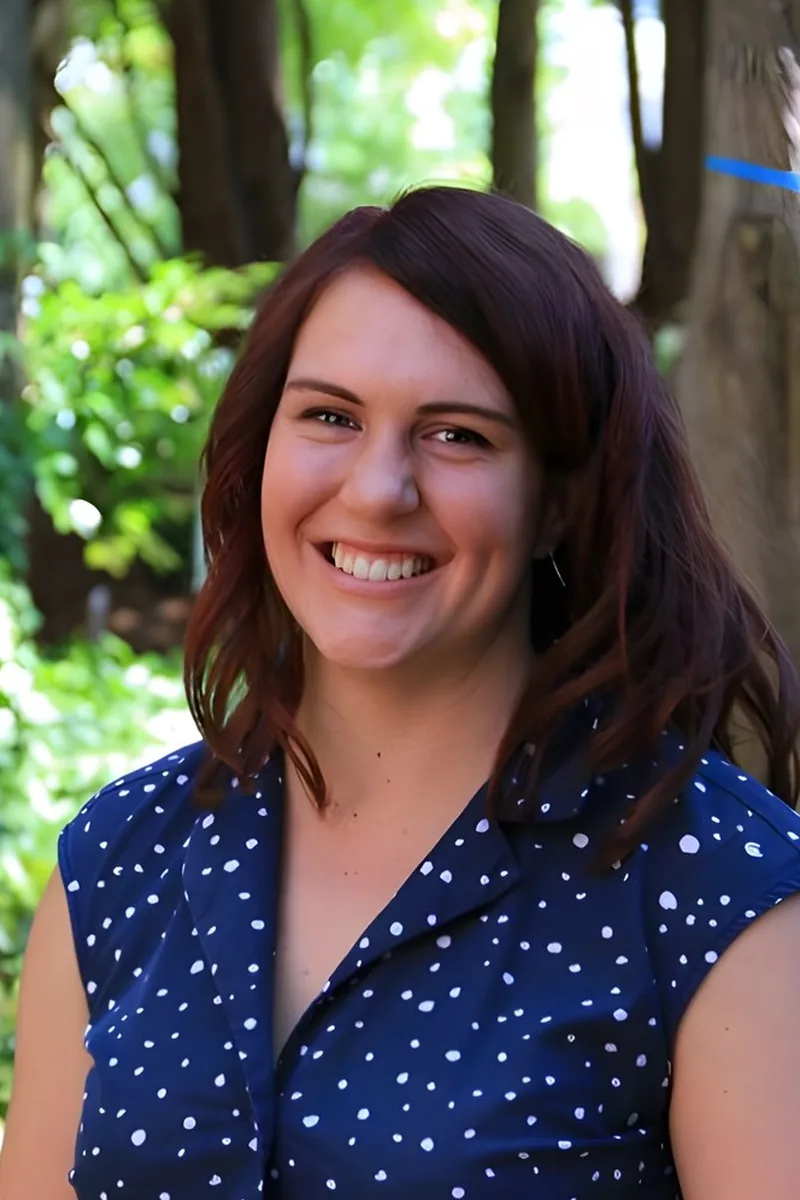
A PhD in bioengineering from Georgia Tech means Jordan has studied biological systems at the molecular and cellular level — protein interactions, tissue mechanics, signal transduction — through the quantitative lens that AP Bio's data-analysis and experimental-design questions increasingly demand. That engineering perspective is especially useful for the units where students need to interpret graphs, design controlled experiments, or reason through mathematical models of population growth and gene frequency. Rated 5.0 by students.
Julia's cellular and molecular biology degree means she built her understanding of AP Bio's core content — gene expression, cell division, membrane dynamics — from the molecular level up, which is exactly the direction the exam expects students to reason. Her microbiology background adds depth to the ecology and evolution units, where understanding how organisms adapt at the cellular level strengthens the kind of multi-scale arguments free-response questions demand. Rated 4.8 by students.
Currently studying biological and physical sciences at Cornell, Katrina is learning AP Bio's core content — genetics, cellular processes, ecology — at the college level right now, which means she can pinpoint exactly where the jump from high school to college-level reasoning trips students up. She breaks down topics like gene expression and natural selection by connecting them to what she's actively studying in her own coursework, keeping explanations current rather than recycled. Rated 5.0 by students.
Biochemistry majors spend their time at the intersection of chemistry and biology — and that's exactly where AP Bio gets hardest, in units on enzyme kinetics, cellular energetics, and the molecular machinery behind gene expression. Hunter is currently studying biochemistry at Boston College and heading to graduate research at Duke, so these topics aren't abstract review but material he's actively working with at the college level. Rated 5.0 by students.
Rashmi's Economics and Computer Science studies at UNC Chapel Hill might seem like an unusual fit for AP Bio, but she tutors the subject alongside a full biology course load and brings a data-driven mindset that's especially useful for the exam's experimental design and chi-square analysis questions. She's rated 5.0 by students and is particularly good at teaching how to read and interpret the dense graphs and data tables that show up throughout the multiple-choice and free-response sections.
Neuroscience majors don't just memorize biology — they trace how signals move through neurons, how cells communicate via chemical gradients, and how gene expression shapes nervous system development, all of which overlaps heavily with AP Bio's units on cell communication and signal transduction. Anameeka brings that molecular-level perspective from her coursework at Pitt, and she's especially useful for students who struggle to connect what's happening inside a cell to the organism-level outcomes the free-response questions demand. Rated 5.0 by students.
Cellular biology and botany are Madison's specialties within her biology program at Guilford College, which means she can dig into AP Bio's plant physiology and cell structure questions with the kind of detail that turns vague answers into full-credit free responses. Her 34 ACT and hands-on lab experience translate into sharp data-interpretation skills — exactly what students need for the exam's grid-in and experimental design prompts. Rated 5.0 by students.
Studying chemistry at the undergraduate level means Srikavya encounters the biochemistry behind AP Bio's toughest units — enzyme kinetics, metabolic pathways, and the energetics of photosynthesis and cellular respiration — through a quantitative lens that most biology-only tutors don't bring. She's especially useful for students who struggle with the chemistry-heavy portions of the course, like understanding how pH affects protein folding or why ATP hydrolysis actually releases energy. She also teaches AP Chemistry, so she's practiced at making molecular-level concepts accessible to high schoolers.
Nicole is studying biology at the undergraduate level right now, which means topics like cellular respiration, gene expression, and signal transduction are fresh in her mind — not something she learned a decade ago. She tackles AP Bio's notoriously dense curriculum by teaching students to reason through experimental design questions and data analysis, not just memorize vocabulary. Her 5.0 rating speaks to how well that approach lands.
Studying chemistry as an undergrad gives Amanda an unusual edge when it comes to AP Bio's most chemistry-heavy content — enzyme kinetics, cellular energetics, and the biochemical details of photosynthesis and respiration that trip up students who try to memorize pathways without understanding the reactions driving them. She teaches students to think through biological processes mechanistically, connecting molecular interactions to the larger organism-level outcomes that free-response questions demand.
The trickiest part of AP Bio for most students isn't memorizing content — it's learning to think across biological scales, like connecting a mutation in a gene to a change in protein function to an observable trait in an organism. Jaela's biology degree gave her practice building exactly those kinds of multi-level explanations, and she's sharp at teaching students to construct the cause-and-effect reasoning that free-response questions demand. Rated 4.8 by students.
Stanford's Human Biology program with a bioinformatics and stem cell science concentration meant Matthew spent his coursework at the intersection of computation and living systems — analyzing gene expression data, studying cell differentiation pathways, and thinking about biology as information processing. That lens is especially useful for AP Bio's molecular biology and genetics units, where students need to trace how information encoded in DNA gets read, regulated, and occasionally misread. Rated 4.9 by students.
As a premed biosciences student at Rice University, Jessy is actively working through the same molecular biology, genetics, and physiology content that AP Bio covers — which means she can pinpoint exactly where textbook explanations lose students and rephrase them on the fly. She recently peer-tutored classmates through AP-level coursework in high school and earned a 34 ACT, so she understands both the science and the test-taking strategy behind interpreting data sets and constructing free-response answers. Rated 5.0 by students.
AP Bio covers an enormous range — from molecular genetics to ecosystem dynamics — and the exam tests whether students can apply concepts to unfamiliar experimental scenarios. JF's mathematical and computational science training at Stanford sharpens the data-analysis and graph-interpretation skills that the redesigned AP Bio exam leans on heavily. That analytical lens turns intimidating free-response questions into structured problem-solving exercises.
Teaching has been a lifelong passion of mine. What drives me is sharing knowledge while genuinely connecting with others. I discovered my love for tutoring in high school and have been dedicated to it ever since. At Stanford University, I earned a BS in Human Biology and Chemistry while continuing to tutor throughout, advancing to Lead Tutor. After graduation, I spent a year as a Teaching Associate, designing and delivering course content which significantly broadening my pedagogical approach. What sets me apart is my versatility. Having served as both tutor and instructor, I can adapt my teaching style to each student's unique needs, whether that be building up foundational skills or pursuing advanced mastery. I'm now pursuing graduate studies at The Johns Hopkins School of Medicine, staying engaged with cutting-edge science while maintaining my commitment to education. I look forward to helping you achieve your academic goals!
Studying biology and chemistry on the pre-med track at Northwestern means Kade is immersed daily in the exact material the AP Bio exam tests — from cellular respiration and signal transduction to gene regulation and evolutionary mechanisms. He also runs study groups at his university, so he's practiced at explaining dense concepts like feedback inhibition or Hardy-Weinberg equilibrium in ways that actually stick. That combination of current coursework and teaching experience makes a real difference on exam day.
A molecular biology degree means Andrew has worked through the central dogma, cell division, and metabolic pathways at the bench level — exactly the content AP Bio's exam leans on hardest. His PhD training in law and management might seem unrelated, but it sharpened the argumentative writing skills that translate directly to constructing the multi-part explanations free-response questions demand. Rated 4.8 by students.
Three years running a cell biology lab section at Notre Dame gave Connor a front-row seat to exactly where students stumble on AP Bio material — signal transduction pathways, gene regulation, experimental design questions. His master's work in biomedical sciences deepened that knowledge, and he teaches the course with an eye toward the free-response questions that separate 4s from 5s.
Few tutors bring a neuroscience specialization to AP Biology, which means Jhonatan can unpack signal transduction, membrane potentials, and nervous system physiology with a depth most students never get in the classroom. He also tackles the broader curriculum — from cellular respiration energetics to Hardy-Weinberg equilibrium — by tying each unit back to the four Big Ideas the exam is built around.
AP Biology's free-response questions demand more than memorized facts — they want students to design experiments, interpret data, and argue from evidence about topics like gene regulation or ecosystem dynamics. Andrew's ongoing work in biochemical laboratories means he teaches these skills from firsthand experience, walking students through cellular respiration or signal transduction the way a researcher actually thinks about them.
A neuroscience degree plus a master's in biotechnology means Rithi has spent serious time with the molecular and cellular content that trips up most AP Bio students — think signal transduction pathways, gene regulation, and how neurons actually fire. She's now in medical school at Robert Wood Johnson, so she's applying these concepts daily at a level well beyond what the exam demands, which makes her especially sharp at unpacking the mechanistic "explain how" questions the free-response section loves to ask.
Studying biology at Washington University in St. Louis means Laura encounters AP Bio topics like cell signaling, gene regulation, and metabolic pathways in her own coursework every week — so she knows which details matter at the AP level and which are just noise. Her 35 ACT reflects the same kind of precise, analytical reading that the exam's data-interpretation and experimental-design questions demand. Rated 5.0 by students.
Studying neurobiology and behavior at Penn means Emily lives in the territory where AP Bio gets hardest — signal transduction, nervous system function, and the molecular machinery behind how cells communicate and respond to their environment. She's especially good at unpacking the genetics-to-phenotype pipeline, showing students how a mutation in one gene can ripple through protein folding, cell signaling, and ultimately organism-level behavior. Rated 5.0 by students.
Testimonials
Because the right AP Biology tutor makes all the difference.
Average Session Rating – Based on 3.4M Learner Ratings
Practice AP Biology
Free practice tests, flashcards, and AI tutoring for AP Biology
Other Durham Tutors
Related Science Tutors in Durham
Frequently Asked Questions
Varsity Tutors matches Durham students with expert AP Biology tutors for 1-on-1 instruction. We pair each student with a tutor based on their specific needs, learning style, and goals.
Whether you need homework help, exam prep, or want to get ahead, our AP Biology tutors are ready to help.
Common challenges include gaps from earlier material, difficulty with specific concepts, and trouble applying learning to new problems. These issues can snowball quickly in AP Biology.
A tutor identifies where you're stuck, fills in gaps, and provides targeted practice. The 1-on-1 format means you get help exactly where you need it.
Tutors work with your student's actual coursework—homework assignments, class notes, and upcoming tests. This keeps tutoring directly relevant to what's happening in the classroom.
When you share information about your student's school and curriculum, we can match you with a tutor who has relevant experience.
All tutors complete background checks, credential verification, and teaching evaluation. Many of our AP Biology tutors hold advanced degrees or have years of teaching experience.
You can review tutor profiles to find someone with the right background for your student's level and needs.
Many students see improved grades within a few weeks, along with better understanding of AP Biology concepts and more confidence tackling challenging material.
Tutors track progress and adjust their approach to ensure continued improvement.
Most students benefit from 1-2 sessions per week. More frequent sessions help if your student is significantly behind or has an important exam coming up.
Your tutor can recommend a schedule based on your student's specific situation and goals.
Tutoring is purchased in packages of hours, with rates varying by tutor experience. Varsity Tutors offers several options to fit different budgets and needs.
You can discuss pricing during your consultation to find what works best.
Your tutor will assess where your student is, discuss goals, and start working on priority areas. Most students bring current homework or upcoming test material to focus on.
By the end, you'll have a clear sense of how the tutor can help and a plan for moving forward.
Let’s find your perfect tutor
Answer a few quick questions. We’ll recommend the right plan and match you with a top 5% tutor.