Award-Winning Biology Tutors
serving Rochester, NY
Biology
Tutors in Rochester
Private 1-on-1 tutoring, weekly live classes for academic support, test prep & enrichment, practice tests and diagnostics, and more to elevate grades and test scores.
Based on 3.4M Learner Ratings
UniversitiesSchools & Universities
DeliveredHours Delivered
ProficiencyGrowth in Proficiency
Who needs tutoring?
No obligation. Takes ~1 minute.
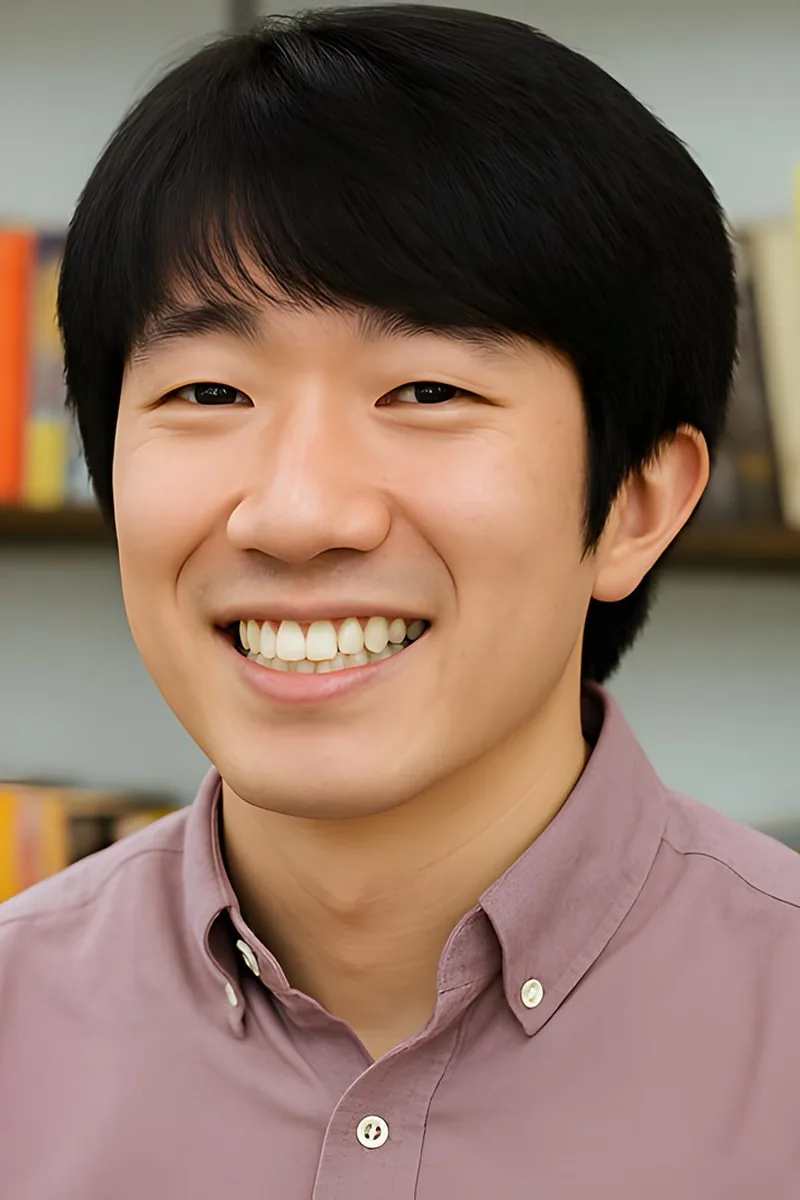
Currently pursuing his MD, Andrew lives inside biology every day — from molecular genetics and cell signaling to organ-system physiology. He explains processes like the Krebs cycle or DNA replication by tracing the logic of each step rather than handing students a list to memorize. That approach, combined with his 5.0 student rating, makes dense material far more digestible.
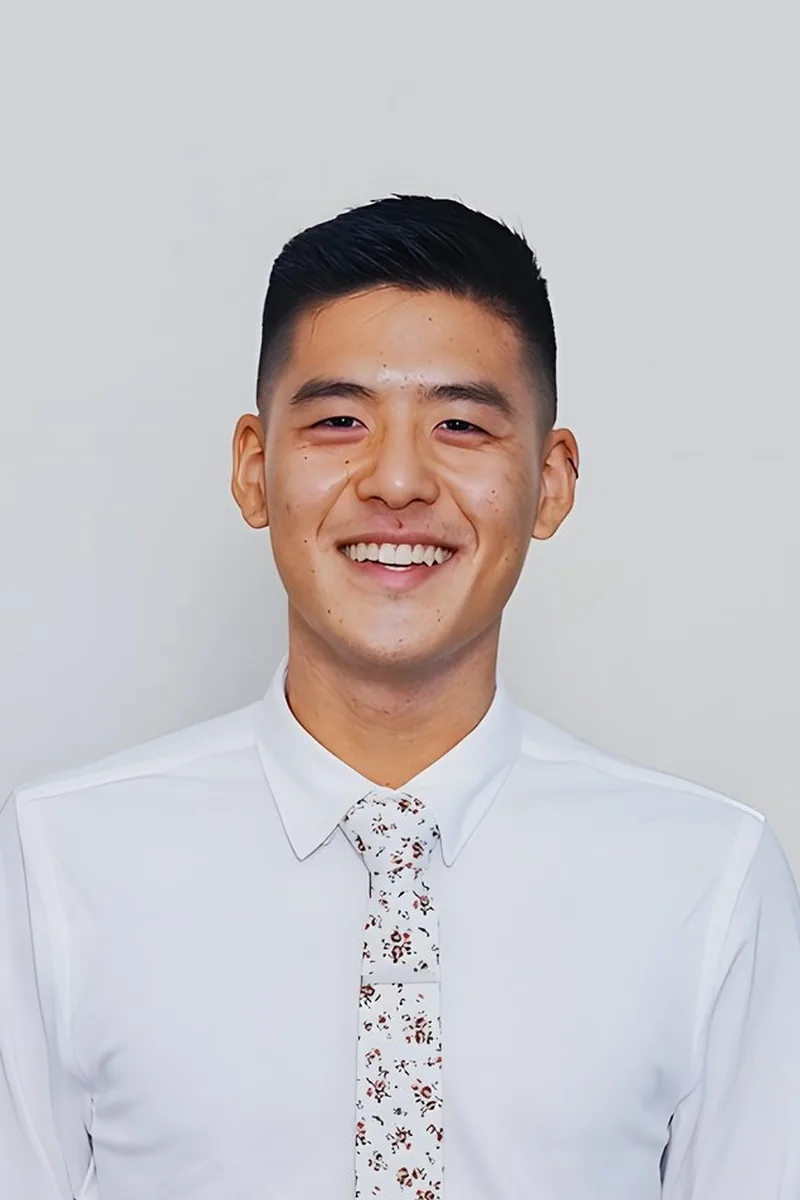
Coming from biomedical engineering with a research focus in biophysical chemistry, Wesley approaches biology through the lens of how systems actually function at the molecular and cellular level. He's especially effective at unpacking topics like cell signaling, membrane transport, and enzyme kinetics — areas where biology and chemistry overlap and students often lose the thread.
I am a sophomore at the University of Rochester with a 3.92 GPA and I am planning on going to dental school after college.
Josef's undergraduate teaching assistant work in introductory biochemistry at Cornell gave him a front-row seat to the exact moments biology students stumble — particularly when topics like metabolism, enzyme function, or gene expression shift from descriptive to mechanistic. His dual science degrees and deep comfort with the chemistry underlying living systems mean he can anchor a concept like signal transduction in its molecular details without losing the biological big picture. Rated 5.0 by students.
Zosia's chemistry degree from Yale means she learned biology through its molecular underpinnings — organic reaction mechanisms, chemical equilibria, thermodynamics — which gives her a distinctive angle on topics like enzyme function, metabolic regulation, and signal transduction that pure biology majors sometimes treat as black boxes. Her additional coursework spanning cell biology, molecular biology, evolutionary biology, and plant biology rounds out that chemical lens with the ecological and organismal perspective students need for a complete picture. Rated 4.9 by students.
Three biology-adjacent degrees give Garrett an unusual breadth — he's studied the subject from general principles through the organic chemistry and physiology that sit alongside it, which means he can explain how a concept like enzyme kinetics connects to both the chemistry driving it and the body systems it regulates. That cross-disciplinary fluency is especially useful for students who understand individual facts but struggle to see how cellular processes, organ systems, and biochemical reactions fit into one coherent picture.
Judah is a biology major at Washington University in St. Louis on a pre-med track, which means he's currently immersed in the subject at the college level while the introductory material — ecology, genetics, cell structure — is still fresh enough to teach clearly. His 1580 SAT reflects sharp reading and analytical skills that translate well to biology's demand for interpreting experiments, parsing dense passages, and connecting cause to effect across biological systems.
An English major might seem like an unusual fit for biology, but Ayako's well-rounded academic profile — including SAT Subject Test prep in Biology E/M — means she's comfortable breaking down topics like ecology, evolution, and cellular processes for high school students who need concepts explained clearly rather than clinically. Her 5.0 rating speaks to a teaching style that translates dense scientific vocabulary into language that actually sticks.
Tony earned his biology degree at Yale and is headed to Columbia's medical school, so he's spent years immersed in everything from molecular genetics to ecological systems. He breaks down dense material — signal transduction pathways, Mendelian inheritance, cellular respiration — by linking each concept to a bigger biological story rather than treating them as isolated facts.
Studying public policy gave Dana a knack for synthesizing dense, interconnected information — exactly what biology demands when you're tracing how cellular respiration connects to ecology or how DNA replication ties into evolution. She teaches students to see the bigger system instead of drowning in isolated vocabulary terms.
Few biology tutors have studied living systems from the molecular scale all the way up to tissue engineering. Kelly's research at Memorial Sloan-Kettering on cancer cell biology, combined with her biomedical engineering work at Tufts, means she can walk through everything from mitosis and gene expression to ecology and evolution with genuine depth. She's rated 5.0 by students.
Sharan's Human Biology major at Cornell means she doesn't just study biological systems in the abstract — she's tracing them through the lens of human health, which gives her a practical hook for teaching topics like cellular respiration, gene expression, and organ-system integration. Her premed coursework layers chemistry and statistics on top of the core biology, so she can explain something like enzyme regulation by pulling in the quantitative and chemical reasoning that makes the mechanism actually stick. Rated 5.0 by students.
From cell signaling cascades to Mendelian genetics to ecological modeling, biology rewards students who can see how systems interact across scales. David earned his B.S. in Neuroscience from Yale and is currently pursuing graduate work in bioethics, so he brings both molecular-level depth and big-picture thinking to topics like gene expression, evolution, and human physiology. He holds a 5.0 rating.
Li's medical doctoral training and undergraduate work in speech and hearing gave her a deep understanding of biological systems — from cellular respiration and DNA replication to the physiology of complex organ systems. She breaks down dense topics like gene expression and enzyme kinetics into clear, logical steps that stick.
Biopsychology sits at the intersection of neuroscience, cellular biology, and behavior, so Clare's degree means she can teach everything from mitosis to membrane potentials with the depth of someone who studied these systems extensively. She's especially strong on molecular and cellular topics that require students to think across multiple levels of biological organization.
Studying biology at Washington University in St. Louis while simultaneously pursuing French means Laura constantly toggles between analytical and linguistic thinking — a combination that makes her surprisingly effective at teaching vocabulary-heavy biology topics like taxonomy, genetics terminology, and anatomical nomenclature alongside the conceptual reasoning they require. She's currently deep in the major's upper-level coursework, so processes like meiosis, ecological modeling, and evolutionary mechanisms are fresh rather than distant memories. Rated 5.0 by students.
Micah earned his biology degree from Washington University in St. Louis, where he spent years immersed in everything from molecular genetics to ecology and evolutionary theory. That depth means he can unpack dense topics like cellular respiration pathways or Mendelian inheritance patterns and make them feel logical rather than like a wall of vocabulary to memorize.
Pre-dental coursework at Vanderbilt means Sarah has gone deep on the biology that underpins oral and systemic health — topics like cell differentiation, tissue structure, and how metabolic processes connect to real physiological outcomes. She's especially effective at turning dense material like cellular respiration or genetic expression into step-by-step logic that sticks for exams. Rated 5.0 by students.
Most biology tutors learned the subject from lectures; Matthew learned it by running experiments in a Columbia immunology lab studying breast cancer. That research background means he can explain cellular respiration, immune response pathways, and gene expression not as isolated facts but as interconnected systems — the way working scientists actually think about them.
Few biology tutors can trace a concept from the molecular level all the way to clinical relevance, but that's exactly what medical school trains you to do. Michael earned his BA in Biology summa cum laude and is now a fourth-year medical student at Albert Einstein, where cell biology, genetics, and physiology aren't abstract topics — they're diagnostic tools. He breaks down complex processes like gene expression or membrane transport into clear, logical steps.
Between earning two Stanford biology degrees and conducting synthetic biology research at NASA, Ryan has lived this subject from introductory cell biology through advanced molecular genetics. He now brings a medical student's perspective to topics like signal transduction, gene expression, and metabolism — explaining not just what happens in a pathway but why it matters clinically.
Studying psychology at Penn taught Jeanette how to read dense scientific literature and think in terms of systems — skills that translate directly to biology's overlapping layers of cells, organs, and ecosystems. She unpacks topics like cell division, genetics, and ecological interactions by tying each mechanism back to a clear cause-and-effect chain students can follow.
As a neuroscience major at Columbia, Sarah lives inside biology every day — from cellular signaling pathways to genetics to the molecular machinery of the nervous system. She unpacks dense topics like DNA replication, enzyme kinetics, and membrane transport by connecting them to real physiological processes students can visualize and remember.
Daniel's neuroscience degree at Penn is built on a deep foundation of biology — from cellular respiration and DNA replication up through ecology and evolutionary theory. He explains processes like mitosis or protein synthesis by tracing the logic of each step, so students retain the material instead of cramming and forgetting. Rated 5.0 across his students.
Two years as a pre-med molecular biology major at Princeton gave Laura a thorough grounding in biology from the cellular level up — membrane transport, gene expression, metabolic pathways, and ecological systems. She pivoted to history and finance, but that scientific training stuck, and she unpacks complex biological processes by tracing cause-and-effect chains rather than asking students to memorize isolated facts.
Anni's triple undergraduate focus — biological sciences, nutritional sciences, and cognitive sciences — means she's studied living systems from three distinct angles, which is unusually helpful when a student needs to see how a concept like cellular metabolism connects to both brain function and whole-body nutrition. Her biomedical sciences graduate work and medical school training deepened that range into the kind of fluency where she can teach everything from introductory genetics to upper-level microbiology without flattening the details.
A UCLA physiology degree means Rachelle didn't just study biology — she lived in it, from cellular respiration pathways to organ-system integration. She unpacks dense topics like DNA replication, Mendelian genetics, and enzyme kinetics by tying each concept back to how the body actually functions, which makes the material far easier to retain.
As a biology major at Cornell, Drishti doesn't just recall textbook definitions — she understands how concepts like cellular respiration, DNA replication, and ecological interactions fit into a living, research-driven field. She's especially effective at turning diagram-heavy topics like mitosis and protein synthesis into clear, logical sequences students can reconstruct on their own.
Katherine's strength in biology comes from an unexpected angle — her arts background trained her to recognize patterns and structures, skills that translate directly when untangling topics like classification systems, ecological relationships, or the logic of inheritance. She teaches concepts like natural selection or energy flow through ecosystems by building clear visual and narrative frameworks that make the material easier to retain and apply on tests.
Between a pharmacy degree and a master's in epidemiology, Mona has studied biology from the molecular scale up to population-level health patterns. She unpacks topics like genetics, metabolism, and human physiology by connecting textbook diagrams to how those systems actually behave in clinical and research settings. Students rated her 5.0.
Elizabeth's Teach for America classroom was a high school science room, and biology was the subject she loved teaching most — building out units on genetics, ecology, and cell processes for students who often came in convinced they couldn't do science. That hands-on teaching experience, backed by her Harvard education, means she knows how to break a topic like natural selection or protein function into steps that build genuine understanding rather than just exam-day recall.
A Ph.D. in Pharmacy gave Sophia deep knowledge of how biological systems actually function — cell signaling, enzyme kinetics, membrane transport, and the molecular machinery behind human physiology. She unpacks these topics by tying them to how the body processes medications, which gives students a memorable framework for understanding everything from DNA replication to metabolic pathways.
Kelsey earned her degree in Cellular and Molecular Biology, which means topics like gene expression, signal transduction, and organelle function aren't abstractions — they were the core of her undergraduate training. She's heading to medical school this fall, so she teaches biology with the urgency of someone who recently needed every concept to stick for high-stakes exams. Rated 5.0 by students.
A summa cum laude graduate of Cornell's pre-med track, Emily studied biology from the cellular level through ecology and human physiology. She's especially strong at teaching students to link concepts across scales — connecting, say, how DNA transcription errors lead to changes in protein function, which then affect whole-organism outcomes — so that biology reads as one story rather than a pile of disconnected facts.
Research at the Hospital for Special Surgery has Marcus working with biological systems hands-on — the kind of daily exposure that turns textbook topics like tissue biology, cellular repair, and musculoskeletal physiology into something concrete and intuitive. His pre-med coursework at Yale, plus a 33 ACT, gave him the foundational depth to teach everything from genetics to organ-system interactions, and his background tutoring organic chemistry means he's practiced at breaking down mechanism-heavy material until it actually sticks.
Studying medical anthropology at Washington University in St. Louis means Sophie sees biology through both a scientific and a human lens — from cellular respiration and DNA replication to how biological systems shape health across populations. She unpacks dense topics like genetics and ecology by tying them to real-world examples that make the material stick.
An evolutionary anthropology major at Duke, Benjamin studied biology through the lens of how organisms adapt — from cellular respiration and genetics to ecology and natural selection. That perspective makes him especially effective at connecting isolated textbook chapters into a coherent picture of how living systems actually work. He also spent time teaching younger students general science concepts with Mad Science of Long Island, so he's comfortable adjusting depth on the fly.
A biology degree from Washington University plus hands-on lab work in immunology and genetics means Colin doesn't just know textbook biology — he's done it. He explains everything from cellular respiration and DNA replication to ecological modeling by tying each concept to the bigger question it answers, which makes dense material far easier to retain.
Kaushambi's PhD work in neuroscience sits on top of a zoology degree, which means she built her biology knowledge animal-first — comparative anatomy, organismal physiology, developmental biology — before drilling down into the molecular and cellular layers that graduate research demands. That bottom-up-then-top-down path makes her especially effective at teaching how biological systems are organized across scales, from tissue-level structure to the signaling cascades that control it. Rated 5.0 by students.
Biomedical engineering forced Brandon to learn biology the hard way — not as isolated facts, but as interconnected systems where cell signaling, genetics, and physiology all talk to each other. He breaks down tough concepts like enzyme kinetics and membrane transport by tying them back to how the body actually functions as a whole. Rated 5.0 by students.
Testimonials
Because the right Biology tutor makes all the difference.
Average Session Rating – Based on 3.4M Learner Ratings
Practice Biology
Free practice tests, flashcards, and AI tutoring for Biology
Other Rochester Tutors
Related Science Tutors in Rochester
Frequently Asked Questions
Many students struggle with visualizing microscopic structures like cells and molecules, or connecting abstract concepts like photosynthesis and cellular respiration to real-world applications. Others find it challenging to balance memorization of vocabulary and processes with deeper understanding of how biological systems actually work. Personalized tutoring helps bridge this gap by breaking down complex concepts into manageable pieces and using visual explanations tailored to how you learn best.
Absolutely. Tutors can help you understand the scientific method, interpret lab results, and connect experimental findings to the biological principles you're studying in class. They can also guide you through data analysis, help you write lab reports, and prepare you for practical exams that involve hands-on work. This support strengthens both your experimental skills and your conceptual understanding of biology.
True biology mastery comes from understanding relationships and systems rather than isolated facts. Expert tutors focus on teaching you the "why" behind processes—like why certain organisms have specific adaptations or how energy flows through ecosystems—so facts stick naturally as part of a bigger picture. This approach not only improves your grades but also makes biology genuinely interesting and easier to retain long-term.
Your first session is about building a foundation for success. A tutor will assess your current understanding, identify specific topics that are challenging, and learn your learning style. Together, you'll create a personalized plan targeting your goals—whether that's mastering cell biology, preparing for the Regents exam, or improving your overall grade. This collaborative approach ensures every session is focused on what you actually need.
Yes. Tutors can help you master both the content and test-taking strategies specific to these exams. For Regents Biology, they'll ensure you're solid on New York's curriculum standards and the multiple-choice and constructed-response formats. For AP Biology, tutors guide you through the rigorous content, help you practice free-response questions, and develop the scientific reasoning skills the exam demands. Personalized preparation significantly improves performance on both.
Varsity Tutors connects you with expert tutors in Rochester who specialize in Biology and understand local curriculum standards. You can specify your needs—whether you need help with a specific unit, exam prep, or ongoing support—and get matched with someone whose expertise and teaching style fit your learning goals. The process is straightforward, and you can start personalized instruction quickly.
Tutors use multiple strategies to make invisible processes visible: diagrams, animations, physical models, and real-world analogies that connect concepts to things you already understand. For example, they might use a water bottle to explain osmosis or break down photosynthesis into digestible steps with visual representations. When you can actually "see" what's happening at the cellular or molecular level, the concepts become concrete and memorable.
Great tutoring develops both. Beyond teaching you biology content, tutors help you think like a scientist—asking questions, designing experiments, interpreting data, and supporting claims with evidence. These scientific reasoning skills are crucial for success in Biology and beyond, and they're exactly what teachers and standardized exams are looking for. Personalized instruction ensures you're building these critical thinking skills alongside your content knowledge.
Let’s find your perfect tutor
Answer a few quick questions. We’ll recommend the right plan and match you with a top 5% tutor.