Award-Winning Elementary School Reading Tutors
serving Newark, NJ
Elementary School Reading
Tutors in Newark
Private 1-on-1 tutoring, weekly live classes for academic support, test prep & enrichment, practice tests and diagnostics, and more to elevate grades and test scores.
Based on 3.4M Learner Ratings
UniversitiesSchools & Universities
DeliveredHours Delivered
ProficiencyGrowth in Proficiency
Who needs tutoring?
No obligation. Takes ~1 minute.
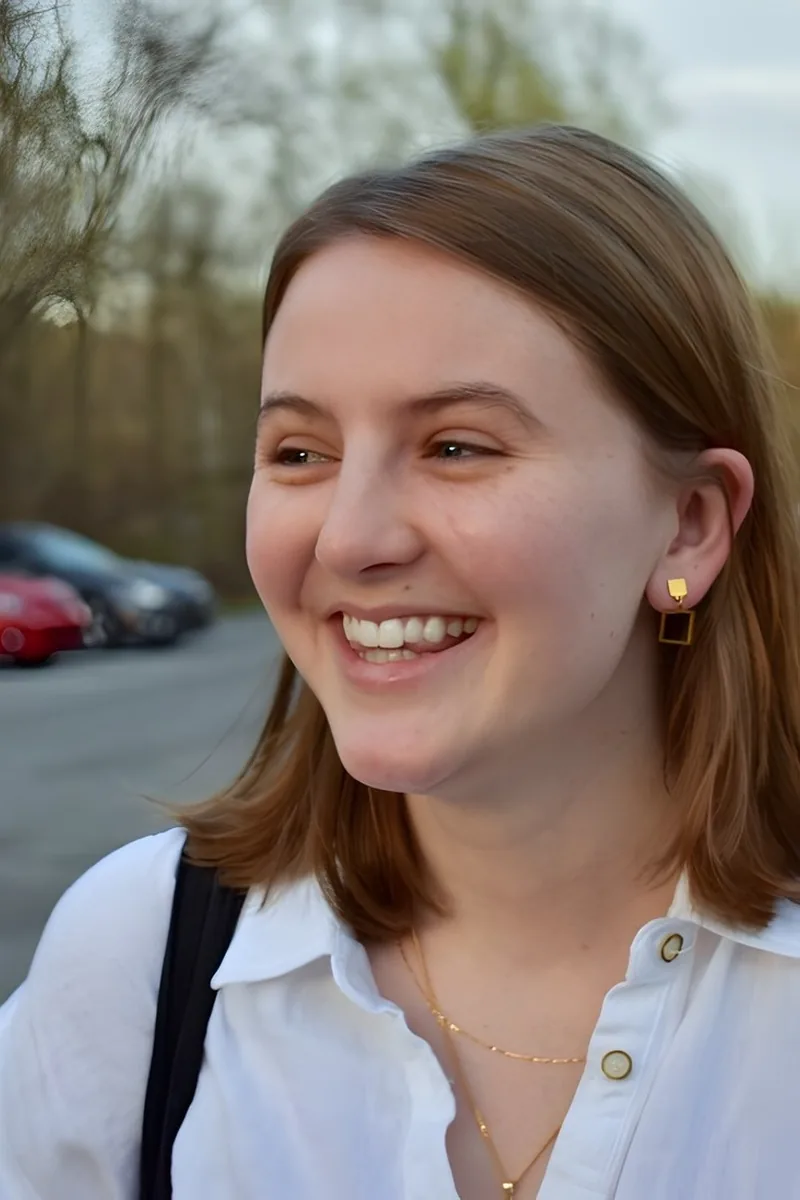
Building reading confidence early changes everything — from decoding unfamiliar words to making predictions about what happens next in a story. Renee's background in languages and literature means she understands how reading skills develop, and she brings that knowledge to phonics, vocabulary, and comprehension work with younger readers.

Early reading clicks when a child connects decoding skills to actual meaning — sounding out a word and then understanding the sentence it lives in. Marc brings warmth and patience to phonics, sight words, and guided reading, adjusting his pace to each student's comfort level. His theater background means read-alouds are genuinely fun, which keeps reluctant readers turning pages.
Kyle approaches elementary reading by connecting books to the things kids already care about — sports, adventure, humor — so that turning pages feels like a choice, not a chore. He zeroes in on specific skills like identifying main ideas, making predictions, and building vocabulary through context clues. Years of working with kids as a coach and counselor give him a natural rapport with younger learners.
Early reading is all about building momentum: phonics, sight words, and fluency practice that gradually turns halting word-by-word reading into something that flows. Amy keeps sessions interactive with read-alouds, prediction games, and vocabulary activities that make new words stick. Her genuine enthusiasm for books is contagious, which matters enormously when a young reader is still deciding whether reading is fun or frustrating.
Struggling readers in elementary school need someone who can pinpoint exactly where comprehension breaks down — whether it's decoding, fluency, or vocabulary gaps. Mati's doctoral research on learning disabilities and her personal experience raising two children with dyslexia give her a sharp eye for identifying those sticking points early and addressing them directly.
Early reading skills like phonics, sight words, and fluency need consistent, low-pressure practice to stick. Jenny connects reading exercises to topics a child actually cares about, which keeps engagement high during the repetition that builds automaticity. She's comfortable adjusting her approach on the fly depending on whether a student struggles more with decoding or comprehension.
An avid reader himself, Allen brings genuine enthusiasm to phonics, sight words, and early comprehension skills. He breaks down reading passages into manageable pieces so younger students learn to identify main ideas and make predictions — building the kind of confidence that turns reluctant readers into curious ones.
I am looking to tutor in the areas of: Math, English, and for test prep. I was an honors student in High School, scored very well on all my tests, and have now earned a scholarship to go to Rutgers University for the Honors Program.
Phonics, sight words, and reading fluency each require a different kind of practice, and Claire adjusts her approach depending on where a young reader is in that progression. She makes decoding feel like puzzle-solving and uses read-aloud techniques that build both comprehension and a genuine love for stories.
I'm recent college graduate with academic experience across the board, including history (my major), data analysis (my minor), music, sociology, Spanish, and math, and I love sharing what I know with other students. Before college, I wrote many a college application essay and took practice test upon practice test for the SAT, SAT subject tests, AP tests, and ACTs. I was greatly helped by my academic mentors back then and would love to help you out now if you need assistance with that process.
Building phonics skills, sight word recognition, and early fluency requires patience and genuine enthusiasm — two things Ian brings in abundance. He adapts each session to a child's current reading level, working on decoding strategies for emerging readers or comprehension questions for students ready to dig deeper into stories.
Before a child can love reading, they need to feel confident doing it — decoding unfamiliar words, tracking a character's feelings, retelling what happened in order. Oluwatoyin builds those skills through guided read-alouds and targeted comprehension questions that turn hesitant readers into curious ones.
Early reading clicks when a child connects phonics patterns to real comprehension — not just sounding out words, but understanding what a story is actually saying. Madeline uses a mix of decoding practice and guided questioning to make sure young readers aren't just going through the motions on the page. Her background working with elementary-age kids means she knows how to keep sessions playful without losing the learning.
Phonics drills only go so far if a child doesn't connect reading to meaning. Shivani pairs decoding practice with comprehension questions that get kids talking about characters, settings, and predictions — turning reading from a chore into a conversation. Her background across multiple subjects means she can pull in science or math connections that make stories click for curious readers.
For younger readers still building fluency, Emma zeroes in on phonics patterns, sight word recognition, and the kind of read-aloud practice that turns hesitation into confidence. Her own love of books makes sessions feel less like drills and more like discovering stories together.
For early readers still building fluency, every session needs to balance decoding practice with actual comprehension. Nora pairs phonics-based word attack strategies with read-aloud techniques that teach kids to visualize, predict, and retell what they've read. Her experience tutoring children starting at age six means she's comfortable adjusting pace and approach on the fly to match each child's level.
Getting young readers to move from decoding words to actually understanding what they've read takes patience and the right questions. Jillian's drama background gives her a toolkit for making stories come alive — she teaches kids to identify characters' motivations, make predictions, and connect what they read to their own experiences.
I'm a recent graduate from UPenn's Robotics Master's program and have undergraduate degrees in Electrical Engineering, Computer Science, and Math! I have tutored for over 7 years and have experience tutoring all levels of math and reading, including that on the SAT General test and subject tests.
Early reading confidence comes from mastering sight words, building fluency, and learning to ask questions about what's happening in a story. Cynthia's neuroscience degree gives her an unusual advantage here — she understands the brain science behind how children acquire reading skills and where common stumbling blocks come from. She uses that knowledge to pick the right strategies for each child's reading level and learning style.
Phonics, sight words, fluency, comprehension — elementary reading has a lot of moving parts, and each child hits different sticking points. Akul's years of teaching in a school setting mean he knows how to spot exactly where a young reader is struggling and adjust on the fly. He keeps sessions interactive and builds confidence alongside skill.
Early reading clicks when a child connects sounds to letters and letters to meaning — phonics, sight words, and fluency all working together. Tiffany uses read-aloud techniques and comprehension check-ins to make sure young readers aren't just decoding words but actually understanding the story. She adjusts her pacing to each child's reading level so progress stays steady and frustration stays low.
Learning to read is really learning to decode — blending letter sounds, recognizing sight words, and building the fluency that turns sounding-out into actual comprehension. Naomi pairs phonics instruction with engaging texts matched to each child's level, drawing on her experience teaching literacy skills to young learners across very different classroom settings. She holds a 5.0 client rating.
Early reading skills like phonics and decoding are important, but so is the moment a child starts making predictions about a story or asking why a character did something. Paula builds both sides — the mechanical fluency and the comprehension habits — so young readers don't just sound out words but actually engage with what they're reading.
Sherry is pursuing a master's in speech-language pathology at Columbia's Teachers College, which means she understands the cognitive mechanics behind how young readers decode words, build fluency, and develop comprehension. She teaches phonics patterns, sight-word recognition, and read-aloud strategies tailored to each child's reading level. Her 5.0 rating speaks to how well she connects with elementary-age learners.
Phonics, sight words, and fluency are the building blocks, but Michelle also emphasizes comprehension from the very beginning — asking young readers to predict, retell, and connect stories to their own experiences. Her dual background in journalism and Africana Studies means she draws on a wide range of culturally diverse texts to keep kids engaged and curious.
Early readers need someone patient enough to sit with a tricky word and turn it into a small victory. Agustin breaks phonics patterns and sight words into manageable chunks, building fluency through repetition that feels like a game rather than a chore. His experience across multiple languages gives him an intuitive sense for how young learners process sounds and letter combinations.
Building reading confidence early changes a student's entire academic trajectory. Nima works on phonics, sight words, and reading fluency with younger students, then gradually introduces comprehension questions that teach them to think about what they've just read. His warm, encouraging style — shaped by tutoring across dozens of subjects and grade levels — keeps reluctant readers engaged rather than frustrated.
Learning to read confidently means more than sounding out words — it's building the comprehension skills to retell a story, identify a main idea, and make predictions about what comes next. Natalie spent years tutoring young readers in West Philadelphia, where she developed a patient, encouraging approach to phonics, fluency, and vocabulary that keeps kids engaged rather than frustrated.
Before a student can analyze a novel, they need to decode vocabulary in context, make predictions, and distinguish main ideas from supporting details. Erinrose's years teaching English across grade levels — from Philadelphia public schools to a Connecticut prep school — mean she knows how to match reading strategies to a child's current skill level and push just beyond it.
For early readers, the difference between frustration and excitement often comes down to finding the right book at the right level. Maya builds phonics, sight-word recognition, and basic comprehension skills through stories that match each child's interests, keeping motivation high. Her experience with differently-abled learners means she adapts pacing and techniques to fit how each student actually processes language.
Early reading is where kids learn that letters represent sounds, sounds build words, and words carry meaning — and each of those steps can become a sticking point. Andrew uses his science background to approach phonics and comprehension systematically, breaking decoding strategies into small, repeatable steps that build a young reader's confidence with each session.
Before a child can analyze a story, they need to feel confident decoding words, tracking characters, and retelling what happened in order. Allan approaches early reading by connecting vocabulary and comprehension exercises to topics kids are genuinely curious about — especially science and the natural world, drawing on his biology background. That curiosity-first approach turns reading practice into something students want to do rather than something they endure.
Object-based learning — examining a picture, artifact, or illustration before diving into text — is one of the most effective ways to build reading skills in younger students. Mimi developed this technique through years of museum education work and refined it during her master's program at Harvard. She applies it to phonics, vocabulary, and comprehension so that early readers connect words to meaning, not just sound.
Testimonials
Because the right Elementary School Reading tutor makes all the difference.
Average Session Rating – Based on 3.4M Learner Ratings
Nearby Elementary School Reading Tutors
Other Newark Tutors
Related English Tutors in Newark
Frequently Asked Questions
Varsity Tutors matches Newark students with expert Elementary School Reading tutors for 1-on-1 instruction. We pair each student with a tutor based on their specific needs, learning style, and goals.
Whether you need homework help, exam prep, or want to get ahead, our Elementary School Reading tutors are ready to help.
Common challenges include gaps from earlier material, difficulty with specific concepts, and trouble applying learning to new problems. These issues can snowball quickly in Elementary School Reading.
A tutor identifies where you're stuck, fills in gaps, and provides targeted practice. The 1-on-1 format means you get help exactly where you need it.
Tutors work with your student's actual coursework—homework assignments, class notes, and upcoming tests. This keeps tutoring directly relevant to what's happening in the classroom.
When you share information about your student's school and curriculum, we can match you with a tutor who has relevant experience.
All tutors complete background checks, credential verification, and teaching evaluation. Many of our Elementary School Reading tutors hold advanced degrees or have years of teaching experience.
You can review tutor profiles to find someone with the right background for your student's level and needs.
Many students see improved grades within a few weeks, along with better understanding of Elementary School Reading concepts and more confidence tackling challenging material.
Tutors track progress and adjust their approach to ensure continued improvement.
Most students benefit from 1-2 sessions per week. More frequent sessions help if your student is significantly behind or has an important exam coming up.
Your tutor can recommend a schedule based on your student's specific situation and goals.
Tutoring is purchased in packages of hours, with rates varying by tutor experience. Varsity Tutors offers several options to fit different budgets and needs.
You can discuss pricing during your consultation to find what works best.
Your tutor will assess where your student is, discuss goals, and start working on priority areas. Most students bring current homework or upcoming test material to focus on.
By the end, you'll have a clear sense of how the tutor can help and a plan for moving forward.
Let’s find your perfect tutor
Answer a few quick questions. We’ll recommend the right plan and match you with a top 5% tutor.