Award-Winning AP Computer Science Principles Tutors
serving Spring Valley, NV
AP Computer Science Principles
Tutors in Spring Valley
Private 1-on-1 tutoring, weekly live classes for academic support, test prep & enrichment, practice tests and diagnostics, and more to elevate grades and test scores.
Based on 3.4M Learner Ratings
UniversitiesSchools & Universities
DeliveredHours Delivered
ProficiencyGrowth in Proficiency
Who needs tutoring?
No obligation. Takes ~1 minute.

Payton is a Computer Science major at Texas A&M who codes in Python, C++, and Haskell — but AP CSP's exam cares more about pseudocode reasoning and explaining computational ideas in plain English than writing compilable programs. She teaches students to bridge that gap, translating real programming instincts into the kind of clear, structured responses the Create Task and multiple-choice questions actually reward. Rated 4.9 by students.
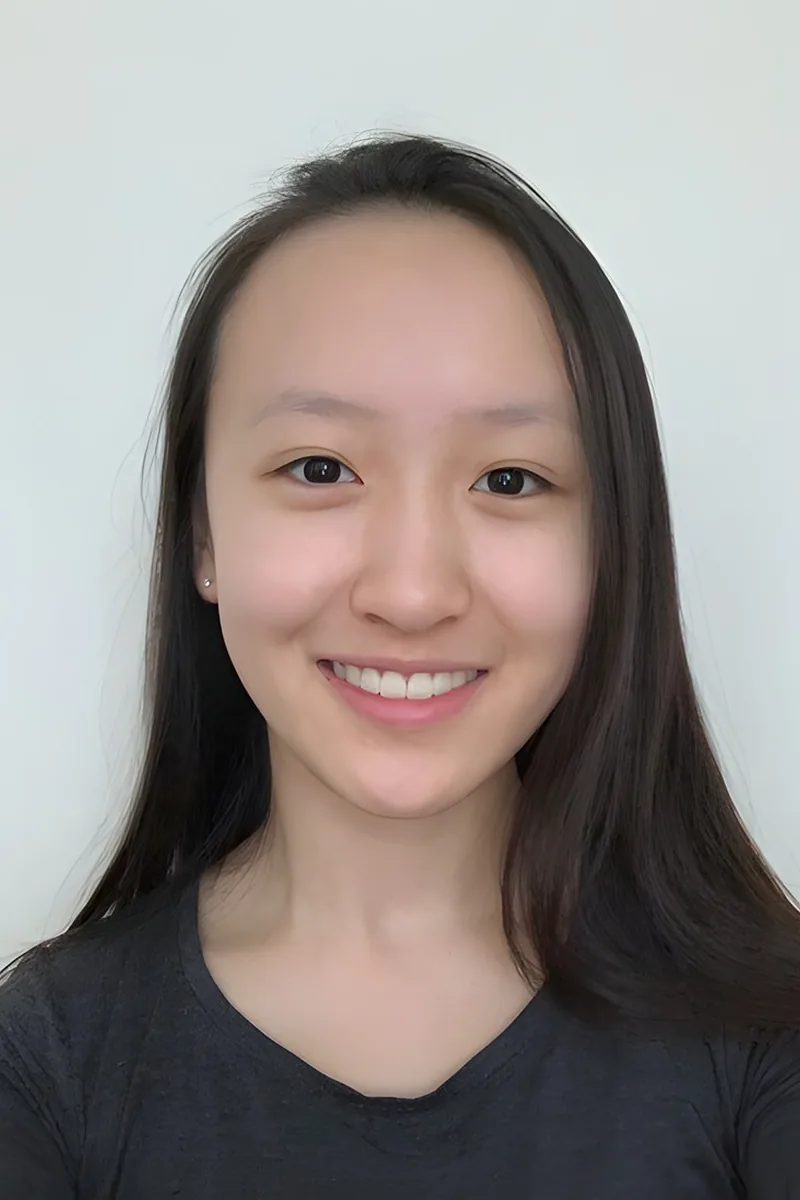
Stanford's economics curriculum leans heavily on data analysis and programming — skills that map directly onto AP CSP's units on data representation, algorithms, and computational thinking. Julia applies that quantitative training to demystify pseudocode logic and the Create Task's written responses, where clearly explaining your program matters as much as building it. Rated 4.8 by students.
Victoria's CS coursework at Washington University in St. Louis means she can ground AP CSP's abstract Big Ideas — like how abstraction layers simplify complex systems or why algorithms have different efficiencies — in actual programming experience across Java, Python, and C++. That real coding fluency is especially useful when students need to move from pseudocode on the exam to functional code in the Create Task. Rated 5.0 by students.
Benjamin's finance and economics training at Notre Dame meant constant work with data modeling, algorithmic thinking, and spreadsheet automation — skills that map directly onto AP CSP's units on data analysis, abstraction, and the impact of computing. He approaches the Create Task like a business case: define the problem, plan the logic in pseudocode, build it, then write it up so a non-technical audience gets it. Rated 5.0 by students.
Computer engineering majors live inside the concepts AP CSP tests — binary representation, how the internet's layers talk to each other, the way abstraction turns messy problems into clean designs. Alfred studies exactly this at URI, so he can ground pseudocode questions and Create Task planning in the real engineering systems he's building in his own coursework. Rated 5.0 by students.
I'm always up for the challenge of changing my methods of instruction and breaking down topics to foster a deeper understanding of a subject. On a different note, I generally spend my spare time playing lacrosse or running outdoors when possible. I also play the violin with a school quartet, and teach lessons to beginning students working through the Suzuki program.
Manideep's day-to-day at Northwestern splits between biology coursework and programming in Python for data analysis, which maps directly onto AP CSP's emphasis on how computing intersects with other fields. He teaches the algorithmic thinking and data representation concepts by tying them to problems he's actually solved — like modeling biological datasets — so the exam's Big Ideas feel grounded rather than abstract. Rated 5.0 by students.
Cindy doesn't come from a traditional CS background, but her 36 ACT and analytical training as a Harvard English student give her a sharp edge on AP CSP's most underestimated challenge: the written responses. The Create Task and exam both reward students who can explain computational ideas — abstraction, algorithms, data patterns — in clear, precise language, and that's exactly the skill set she brings to every session.
Nicholas codes in Java, Python, JavaScript, C#, and HTML/CSS daily — so when AP CSP asks students to reason about algorithms or data representation in pseudocode, he can instantly translate those abstractions into real programming scenarios that make the logic click. His Penn State CS degree also means he understands the networking and cybersecurity concepts woven through the course at a technical level most high schoolers never see. Rated 5.0 by students.
Joshua scored a 5 on the AP Computer Science A exam, which means the Principles course's pseudocode and algorithm questions draw on knowledge he's already internalized at a deeper level. He teaches the Create Task as a scaled-down version of real software development — planning, building, and documenting — using his hands-on experience in Java, Python, and JavaScript to show students what clean, explainable code actually looks like.
Derek scored 5s on both AP Computer Science A and AP Physics C while taking 16 APs at the high school level, so he knows how to manage the breadth of a course like AP CSP without letting any Big Idea slip through the cracks. Now studying CS at Harvard with an applied math minor, he digs into the algorithmic thinking and pseudocode reasoning that drive the multiple-choice section — and coaches students through the Create Task with the structured planning habits that come from building real software projects.
Ritesh's physics training at Cornell actually maps neatly onto AP CSP — both demand thinking about systems in layers, whether that's abstraction in computing or modeling forces in mechanics. He teaches the pseudocode and algorithm-tracing portions by treating them like physics problem-solving: break the system into parts, track what changes at each step, and verify the output makes sense.
Testimonials
Because the right AP Computer Science Principles tutor makes all the difference.
Average Session Rating – Based on 3.4M Learner Ratings
Other Spring Valley Tutors
Related Technology and Coding Tutors in Spring Valley
Frequently Asked Questions
Varsity Tutors matches Spring Valley students with expert AP Computer Science Principles tutors for 1-on-1 instruction. We pair each student with a tutor based on their specific needs, learning style, and goals.
Whether you need homework help, exam prep, or want to get ahead, our AP Computer Science Principles tutors are ready to help.
Common challenges include gaps from earlier material, difficulty with specific concepts, and trouble applying learning to new problems. These issues can snowball quickly in AP Computer Science Principles.
A tutor identifies where you're stuck, fills in gaps, and provides targeted practice. The 1-on-1 format means you get help exactly where you need it.
Tutors work with your student's actual coursework—homework assignments, class notes, and upcoming tests. This keeps tutoring directly relevant to what's happening in the classroom.
When you share information about your student's school and curriculum, we can match you with a tutor who has relevant experience.
All tutors complete background checks, credential verification, and teaching evaluation. Many of our AP Computer Science Principles tutors hold advanced degrees or have years of teaching experience.
You can review tutor profiles to find someone with the right background for your student's level and needs.
Many students see improved grades within a few weeks, along with better understanding of AP Computer Science Principles concepts and more confidence tackling challenging material.
Tutors track progress and adjust their approach to ensure continued improvement.
Most students benefit from 1-2 sessions per week. More frequent sessions help if your student is significantly behind or has an important exam coming up.
Your tutor can recommend a schedule based on your student's specific situation and goals.
Tutoring is purchased in packages of hours, with rates varying by tutor experience. Varsity Tutors offers several options to fit different budgets and needs.
You can discuss pricing during your consultation to find what works best.
Your tutor will assess where your student is, discuss goals, and start working on priority areas. Most students bring current homework or upcoming test material to focus on.
By the end, you'll have a clear sense of how the tutor can help and a plan for moving forward.
Let’s find your perfect tutor
Answer a few quick questions. We’ll recommend the right plan and match you with a top 5% tutor.