Award-Winning AP Computer Science Principles Tutors
serving Reno, NV
AP Computer Science Principles
Tutors in Reno
Private 1-on-1 tutoring, weekly live classes for academic support, test prep & enrichment, practice tests and diagnostics, and more to elevate grades and test scores.
Based on 3.4M Learner Ratings
UniversitiesSchools & Universities
DeliveredHours Delivered
ProficiencyGrowth in Proficiency
Who needs tutoring?
No obligation. Takes ~1 minute.
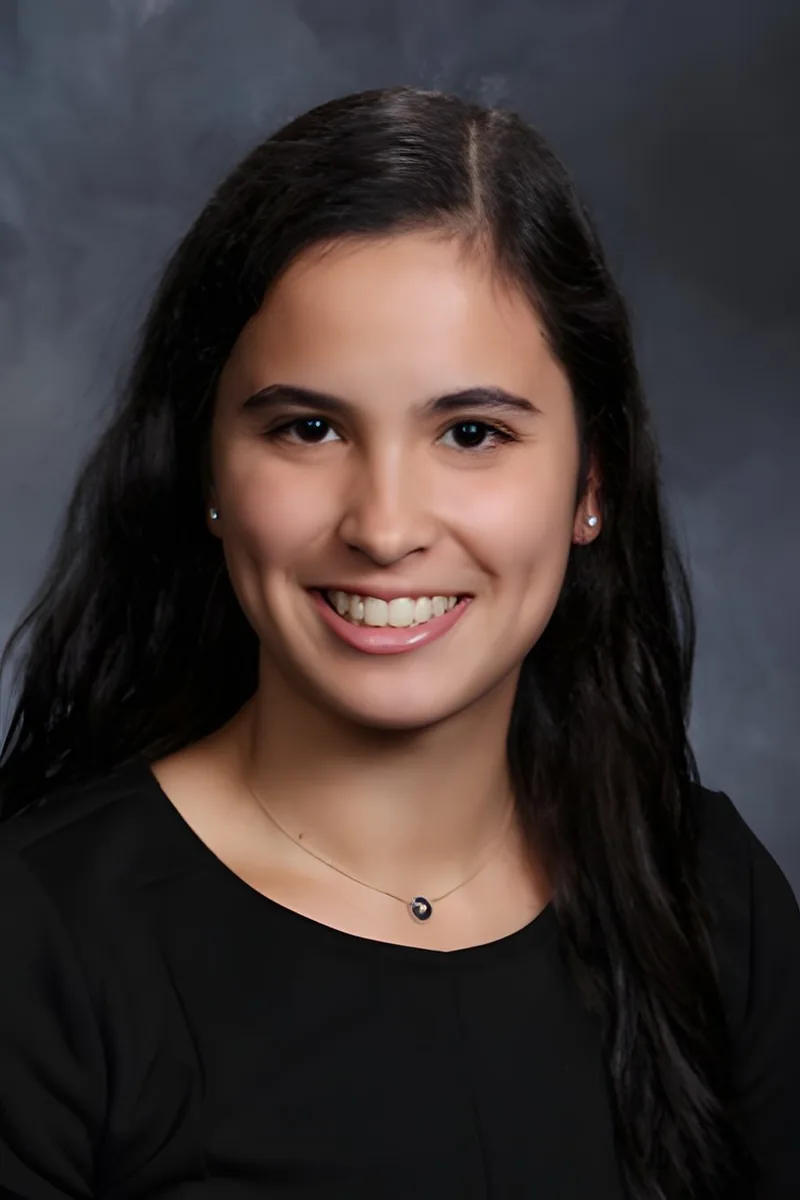
Having TA'd computer science courses at MIT and now pursuing a PhD in Operations Research at Georgia Tech, Isabella brings real programming fluency — particularly in Python — to the algorithmic thinking and data analysis threads that run through AP CSP. She digs into how pseudocode on the exam maps to actual code students write for the Create Task, making the connection between abstract logic and working programs click. Rated 5.0 by students.
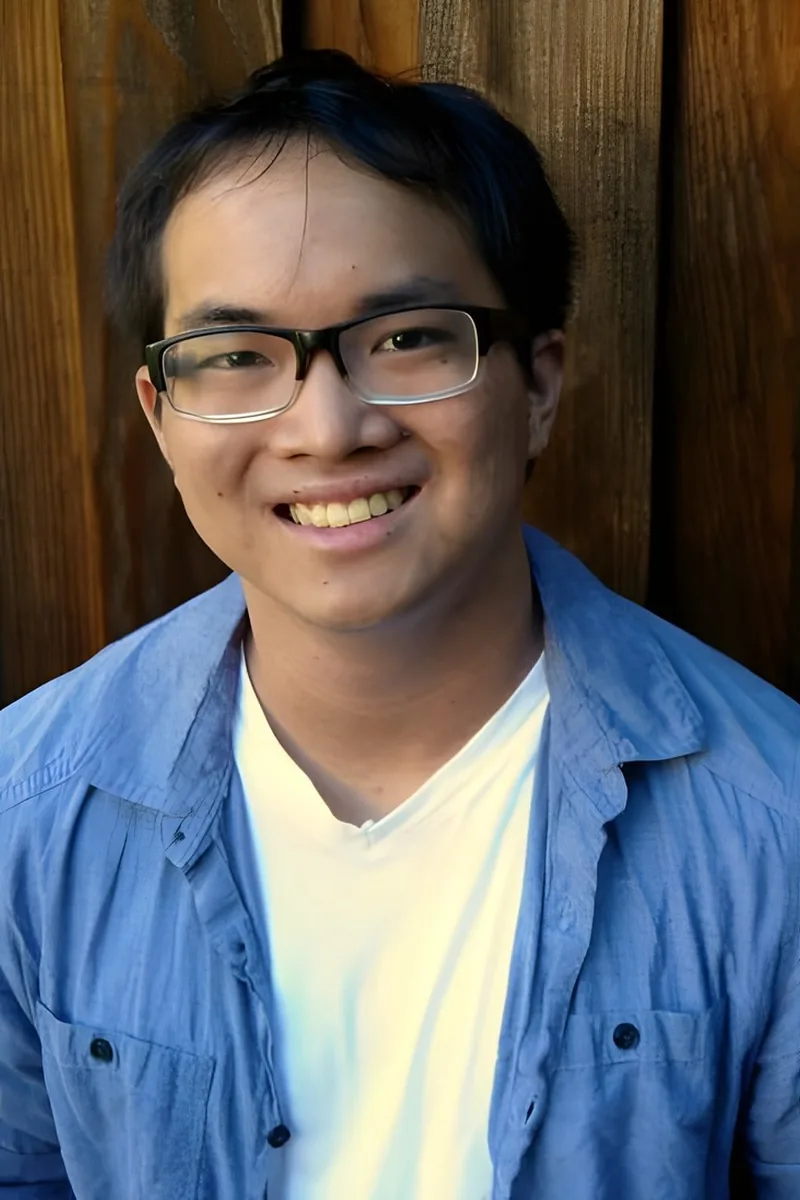
Cognitive science training at Stanford gave David an unusual lens for AP CSP — he studied how humans process information before studying how computers do, which means he can explain abstraction, algorithms, and data representation in terms that actually click. His experience teaching web and app development to high schoolers abroad sharpened his ability to walk students through the Create Task from planning to polished written response.
Caltech's CS curriculum drills computational thinking at a level that makes AP CSP's big ideas — abstraction, algorithm design, data representation — feel like familiar territory for Brian. He teaches students to reason through pseudocode and explain their design choices in plain language, which is exactly what the Create Task and the multiple-choice exam reward. His 1580 SAT speaks to the kind of precise, analytical communication that carries across disciplines.
JF studies mathematical and computational science at Stanford, which means the algorithmic thinking and data representation ideas in AP CSP are woven into his daily coursework — not abstract exam topics. He teaches students to reason through pseudocode problems and structure their Create Task projects so every rubric criterion is addressed with clarity. Rated 5.0 by students.
Samuel's applied math training at Caltech intersects directly with AP CSP's algorithm and data units — he can trace how a sorting algorithm's efficiency scales or why lossy compression works because he uses that math daily. He also taught a discrete mathematics course through PACT, which means pseudocode logic and combinatorial reasoning come naturally when prepping students for both the multiple-choice exam and the Create Task.
Kevin's Stanford Biocomputation research sits at the intersection of CS and biology, which means he can teach AP CSP's algorithmic thinking and data analysis concepts through real examples — like how machine learning models process biological datasets or how compression algorithms handle genomic sequences. He also brings hands-on Python and C++ fluency to the Create Task, coaching students through both the programming and the written explanation that the rubric demands. Rated 5.0 by students.
Stanford's economics curriculum leans heavily on data analysis and programming — skills that map directly onto AP CSP's units on data representation, algorithms, and computational thinking. Julia applies that quantitative training to demystify pseudocode logic and the Create Task's written responses, where clearly explaining your program matters as much as building it. Rated 4.8 by students.
Derek scored 5s on both AP Computer Science A and AP Physics C while taking 16 APs at the high school level, so he knows how to manage the breadth of a course like AP CSP without letting any Big Idea slip through the cracks. Now studying CS at Harvard with an applied math minor, he digs into the algorithmic thinking and pseudocode reasoning that drive the multiple-choice section — and coaches students through the Create Task with the structured planning habits that come from building real software projects.
Ronit studies computer science at Yale and knows AP CSP's curriculum from the student side — which Big Ideas actually trip people up on the multiple-choice and where the Create Task rubric quietly punishes vague written responses. He digs into the explanatory writing piece that most students underestimate, teaching how to describe an algorithm's purpose and trace through pseudocode with the precision the exam expects. Rated 5.0 by students.
Biomedical engineering at Cornell means Annie writes Python and MATLAB to process real research data — skills that map directly onto AP CSP's emphasis on programming, data analysis, and algorithmic thinking. She teaches the Create Task as a scaled-down version of the same design process she uses in lab: define the problem, plan the logic, build iteratively, then explain your choices clearly. Rated 4.9 by students.
Kerr is currently building iOS apps and games as a CS major at Vanderbilt, which means the programming and design thinking in AP CSP's Create Task mirrors what he does every week. He teaches pseudocode logic and algorithm design by connecting them to real development decisions — like why a particular data structure speeds up a game or how abstraction keeps an app's codebase manageable. Rated 4.9 by students.
Benjamin's finance and economics training at Notre Dame meant constant work with data modeling, algorithmic thinking, and spreadsheet automation — skills that map directly onto AP CSP's units on data analysis, abstraction, and the impact of computing. He approaches the Create Task like a business case: define the problem, plan the logic in pseudocode, build it, then write it up so a non-technical audience gets it. Rated 5.0 by students.
Daniel's biomedical engineering coursework at Rice means he writes algorithms to process real biological data — exactly the kind of computational thinking AP CSP tests through its Big Ideas on data analysis and abstraction. He brings that applied perspective to the Create Task, coaching students to plan, build, and document projects that hit every rubric criterion without overcomplicating the code.
Teaching discrete math at Penn means Keenan spends his weeks translating abstract computational thinking into language undergraduates actually absorb — a skill that maps directly onto AP CSP's pseudocode reasoning and algorithm analysis questions. His philosophy degree also gives him an unusual edge on the exam's societal-impact questions, where students need to construct clear written arguments about data privacy, bias in algorithms, and computing ethics. Rated 5.0 by students.
Coming from Thomas Jefferson High School for Science and Technology — one of the most competitive STEM programs in the country — and now studying computer engineering at Vanderbilt, Rhamy brings real depth to the algorithms and abstraction concepts that AP CSP tests. He digs into how programming logic actually maps to hardware, which gives students an intuitive grasp of topics like data representation and protocol layers that most review guides gloss over. Rated 5.0 by students.
Cindy doesn't come from a traditional CS background, but her 36 ACT and analytical training as a Harvard English student give her a sharp edge on AP CSP's most underestimated challenge: the written responses. The Create Task and exam both reward students who can explain computational ideas — abstraction, algorithms, data patterns — in clear, precise language, and that's exactly the skill set she brings to every session.
Ritesh's physics training at Cornell actually maps neatly onto AP CSP — both demand thinking about systems in layers, whether that's abstraction in computing or modeling forces in mechanics. He teaches the pseudocode and algorithm-tracing portions by treating them like physics problem-solving: break the system into parts, track what changes at each step, and verify the output makes sense.
Firas's machine learning research at Princeton means he can show students what abstraction, algorithms, and data representation actually look like in practice — not just as AP exam vocabulary but as tools working scientists use daily. He's particularly sharp at teaching the pseudocode reasoning and written response skills the Create Task demands, since his PhD work required translating complex computational ideas into clear, precise language. Rated 5.0 by students.
Studying neuroscience at Rice means Brett regularly writes code to analyze brain imaging data and model biological systems — practical computing experience that maps directly onto AP CSP's emphasis on data analysis, algorithms, and the real-world impact of technology. He teaches the pseudocode logic and abstraction concepts the exam tests by grounding them in problems students can actually picture. Rated 5.0 by students.
I am graduated from Penn State University in Industrial Engineering in 2017. I've tutored ever since I was in high school, and I love helping people! I like to help my students understand math (and other topics) instead of just doing it blindly. My goal is to help my students improve their math (and other topics) and build skills that will help them find learning easier in the future! Fun fact, I used to work for Disney and I like to salsa dance!
Evan's game development work in Unity — building systems that rely on abstraction layers, event-driven logic, and efficient data handling — maps directly onto the computational thinking AP CSP tests. He uses his own projects to show students how pseudocode translates into real design decisions, which makes the Create Task feel like building something instead of checking rubric boxes. His 34 ACT reflects the kind of cross-disciplinary reasoning this exam rewards.
Matthew codes in Java, C++, Python, and JavaScript — so when AP CSP asks students to reason about algorithms or explain how a program works in pseudocode, he can ground those abstractions in actual programming logic most students haven't seen yet. His Harvard math and CS coursework also means he's sharp on the data analysis and binary representation questions that trip up students who only studied the vocabulary. Rated 4.9 by students.
Nicholas codes in Java, Python, JavaScript, C#, and HTML/CSS daily — so when AP CSP asks students to reason about algorithms or data representation in pseudocode, he can instantly translate those abstractions into real programming scenarios that make the logic click. His Penn State CS degree also means he understands the networking and cybersecurity concepts woven through the course at a technical level most high schoolers never see. Rated 5.0 by students.
Daniel's electrical engineering coursework at Vanderbilt means he writes actual code in Java and works with hardware-software interfaces daily — background that makes the pseudocode and abstraction concepts in AP CSP click faster for students. He zeroes in on algorithm design and data representation, breaking down how binary encoding and compression work at the circuit level so the logic sticks. His 36 ACT composite speaks to the kind of structured, analytical thinking he brings to Create Task coaching and exam prep.
Bryan codes in Java, C++, Python, and JavaScript daily as a CS major at Penn, which means the programming and algorithm design portions of AP CSP come naturally — but he's equally sharp on the conceptual side, like explaining how data travels across the internet or why abstraction matters in system design. He scored a 35 ACT and holds a 5.0 tutoring rating, and he's particularly effective at coaching students through the written response component of the Create Task, where clear technical communication counts as much as the code itself.
Dalila's math degree gives her a sharper lens on the algorithmic and data-representation units that carry the most weight in AP CSP — she can explain why a particular sorting approach scales better than another or how abstraction layers simplify a complex problem. For the Create Performance Task, she emphasizes building clean pseudocode logic first, then translating it into a written response that hits every rubric point without overcomplicating the code.
Statistics training builds exactly the kind of thinking AP CSP actually tests — reading data representations, reasoning through algorithms on paper, and understanding how information gets encoded and compressed. Kyle applies that quantitative lens to the course's Big Ideas, turning abstract pseudocode traces and binary problems into structured, solvable puzzles. Rated 4.9 by students.
Pratik doesn't come from a traditional CS background, but his premed training at Cornell — where he regularly works with data sets, statistical models, and logical reasoning — maps directly onto the computational thinking AP CSP tests. He's especially effective at breaking down the data analysis and algorithm units, translating abstract pseudocode into the kind of step-by-step problem solving he uses in biology and chemistry every day.
Two years working in AI and machine learning gave Brandon a firsthand sense of how the Big Ideas in AP CSP — data representation, algorithmic efficiency, the societal implications of computing — play out in industry, especially around bias in datasets and the ethics of automation. He teaches the Internet and cybersecurity portions of the course through the lens of systems he's actually built, and his CS master's work at RIT keeps him sharp on the pseudocode reasoning the exam demands. Rated 4.9 by students.
Studying both neuroscience and computer science at Duke means Ankit lives at the intersection AP CSP actually tests — how computing shapes real-world systems, from brain imaging pipelines to cybersecurity ethics. He digs into the algorithmic thinking and data representation questions that trip students up on the multiple-choice section, and coaches the Create Task from initial planning through the written response. Rated 4.8 by students.
Joshua scored a 5 on the AP Computer Science A exam, which means the Principles course's pseudocode and algorithm questions draw on knowledge he's already internalized at a deeper level. He teaches the Create Task as a scaled-down version of real software development — planning, building, and documenting — using his hands-on experience in Java, Python, and JavaScript to show students what clean, explainable code actually looks like.
John's CS degree plus years coding in Java, C++, and SQL means he can ground AP CSP's more abstract units — like how the internet actually moves data or why abstraction matters in program design — in real programming experience. He also brings a finance MBA perspective to the data analysis and societal impact questions, giving students a practical lens that makes exam responses sharper and more specific.
Victoria's CS coursework at Washington University in St. Louis means she can ground AP CSP's abstract Big Ideas — like how abstraction layers simplify complex systems or why algorithms have different efficiencies — in actual programming experience across Java, Python, and C++. That real coding fluency is especially useful when students need to move from pseudocode on the exam to functional code in the Create Task. Rated 5.0 by students.
Having tutored everything from basic programming constructs to finite automata and computational theory, Andrew brings unusual depth to a course most students treat as surface-level. He digs into the algorithmic thinking and pseudocode reasoning behind AP CSP's exam questions, showing students how concepts like abstraction and data representation connect to the real CS pipeline he studied in his degree. Rated 5.0 by students.
AP CSP's exam leans heavily on the impact-of-computing and internet-infrastructure Big Ideas that many tutors rush past in favor of pseudocode drills. Alston's CS coursework at UVA gives him the technical grounding to teach those systems-level topics thoroughly, while his background in writing and essay editing makes him a strong coach for the Create Task's written response — the piece most students underestimate until it costs them points.
Lance studied both theoretical mathematics and computer science as an undergraduate before entering medical school, which means he's written real code in Java, C, and SQL — not just traced pseudocode on a worksheet. That practical depth lets him teach AP CSP's algorithmic thinking and abstraction concepts through actual programming logic, giving students a clearer mental model when they hit the Create Task or encounter unfamiliar algorithm-tracing questions on the exam.
Daniel writes production software for a living and is pursuing a PhD in Computer Science, which means he can show students exactly how concepts like abstraction, algorithms, and data representation play out in real codebases — not just on slides. He's particularly effective at coaching the Create Task, walking students through project planning and the written responses that separate a 3 from a 5. Rated 5.0 by students.
Studying computational science at Stanford while coming from a creative arts background at Juilliard's Pre-College program, Julia brings an unusual lens to AP CSP — she naturally bridges the course's technical units on algorithms and data representation with its emphasis on the societal and creative dimensions of computing. Her 1560 SAT and 5.0 tutoring rating back up the analytical chops, but it's that crossover between engineering and the arts that makes her especially effective at coaching the Create Task, where students need both programming logic and clear written explanation.
Payton is a Computer Science major at Texas A&M who codes in Python, C++, and Haskell — but AP CSP's exam cares more about pseudocode reasoning and explaining computational ideas in plain English than writing compilable programs. She teaches students to bridge that gap, translating real programming instincts into the kind of clear, structured responses the Create Task and multiple-choice questions actually reward. Rated 4.9 by students.
I am a recent graduate with a master's in electrical engineering from Case Western Reserve University. I won the Bill and Melinda Gates Millennium Scholarship which covers full tuition up to Ph.D. I was on the Dean's List for three consecutive years. Additionally, I won the OZY Media Genius Award in 2015 to work on high-temperature superconductors. I currently work as a Technology Analyst at Accenture. I am also seriously considering whether I should go for a Ph.D. or not.
Testimonials
Because the right AP Computer Science Principles tutor makes all the difference.
Average Session Rating – Based on 3.4M Learner Ratings
Other Reno Tutors
Related Technology and Coding Tutors in Reno
Frequently Asked Questions
AP Computer Science Principles covers five big ideas: creative development, data, algorithms, programming, and computing innovations. The course emphasizes computational thinking, problem-solving, and how computing impacts society—rather than focusing heavily on one programming language. You'll work on projects, create programs, and develop the conceptual understanding needed for the AP exam, which includes both multiple-choice questions and a performance task where you design and create your own program.
The exam has two components: a 120-minute multiple-choice section (about 50 questions) and two performance tasks completed during the course (the Explore Task and Create Task). The multiple-choice section tests your understanding of concepts, algorithms, and programming logic, while the performance tasks let you demonstrate your ability to design, create, and analyze computing solutions. Success requires both conceptual knowledge and practical coding experience.
Many students struggle with translating abstract algorithmic thinking into actual code, understanding how different programming concepts connect to real-world applications, and managing the time demands of the performance tasks alongside regular coursework. Additionally, if you're new to programming, the syntax and logic of writing code can feel overwhelming at first. Personalized tutoring helps you break down complex concepts, practice problem-solving strategies, and build confidence in both the theoretical and hands-on portions of the course.
Score improvement depends on your starting point and how consistently you engage with tutoring. Students who work with tutors typically see stronger performance on the multiple-choice section through targeted practice and concept review, and more polished performance tasks through guided feedback on design and documentation. The national average AP Computer Science Principles score is around a 2.8 out of 5, so focused preparation can help you reach a 3, 4, or 5 with dedicated effort and expert guidance.
Your first session focuses on understanding where you are in the course and what you need most help with. A tutor will discuss your coding experience level, review any assignments or practice problems you're working on, identify specific topics that feel unclear, and create a personalized plan tailored to your goals—whether that's mastering algorithms, improving your performance task, or preparing for the exam. This foundation helps ensure every session after that is focused and productive.
Practice is essential for AP Computer Science Principles success. Working through multiple-choice practice questions helps you recognize question patterns and solidify conceptual understanding, while coding practice problems build fluency and confidence with syntax and logic. Beyond that, reviewing past performance tasks and getting feedback on your own work is critical—it helps you understand what makes a strong Create Task and Explore Task. A tutor can guide you through targeted practice, identify weak areas, and help you refine your approach before test day.
Look for tutors with demonstrated expertise in computer science, familiarity with the AP Computer Science Principles curriculum and exam format, and experience helping students succeed on performance tasks. Ideally, they should have a background in programming and be able to explain both the conceptual 'why' behind computing ideas and the practical 'how' of writing and debugging code. Varsity Tutors connects you with expert tutors who understand the AP course inside and out and know how to break down challenging concepts into manageable pieces.
Most AP courses benefit from consistent, focused effort throughout the year. In addition to regular tutoring sessions (typically 1-2 hours per week), plan to spend time on coding practice, reviewing concept notes, and working on performance tasks. The exact time depends on your comfort level with programming and how much support you need, but students who combine regular tutoring with independent practice and consistent engagement throughout the course tend to see the strongest results on the AP exam.
Let’s find your perfect tutor
Answer a few quick questions. We’ll recommend the right plan and match you with a top 5% tutor.