Award-Winning AP Art History Tutors
serving Las Vegas, NV
AP Art History
Tutors in Las Vegas
Private 1-on-1 tutoring, weekly live classes for academic support, test prep & enrichment, practice tests and diagnostics, and more to elevate grades and test scores.
Based on 3.4M Learner Ratings
UniversitiesSchools & Universities
DeliveredHours Delivered
ProficiencyGrowth in Proficiency
Who needs tutoring?
No obligation. Takes ~1 minute.
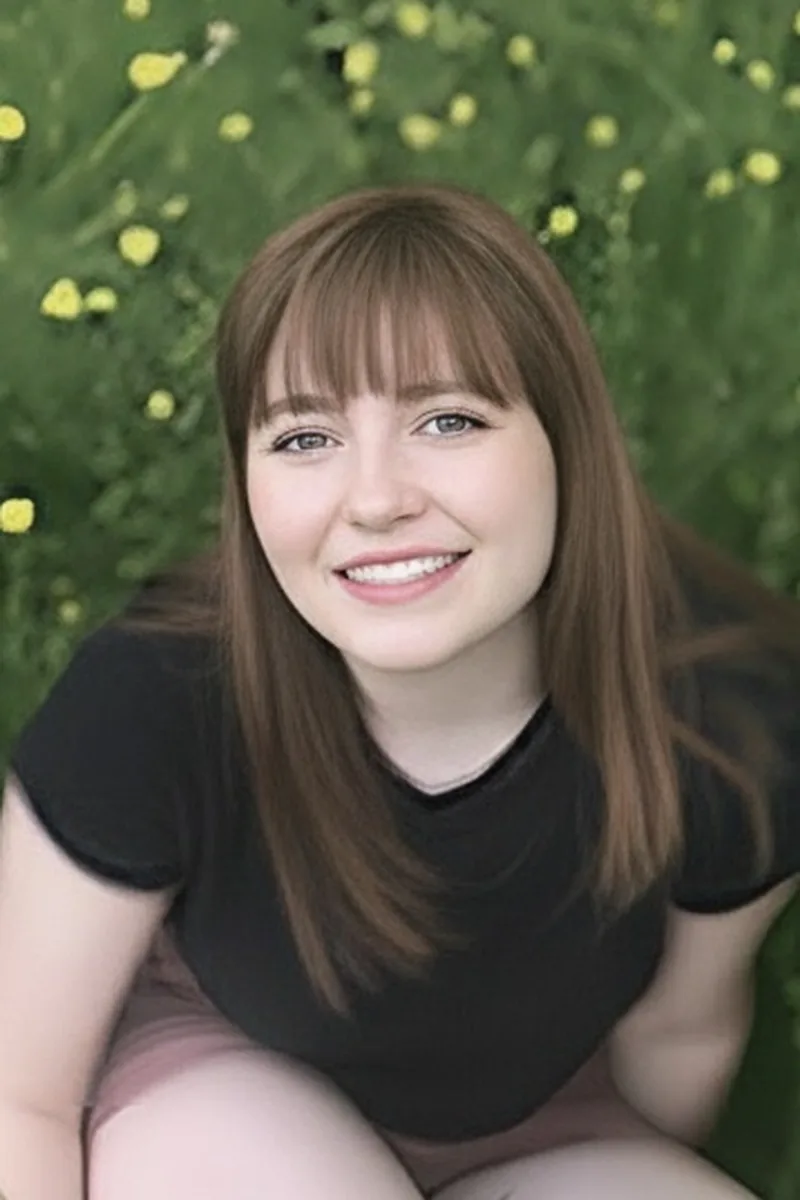
MiMi is currently pursuing the same degree the AP Art History exam was built around — Art History, Criticism, and Conservation — at Stanford, which means she's actively studying the critical methodologies and conservation debates that underpin the course's approach to the 250-image set. Her coursework in modern languages also strengthens her ability to teach students how non-Western and cross-cultural works communicate meaning through form and context. A 34 ACT reflects the kind of sharp analytical reading that translates directly to the exam's timed essays.
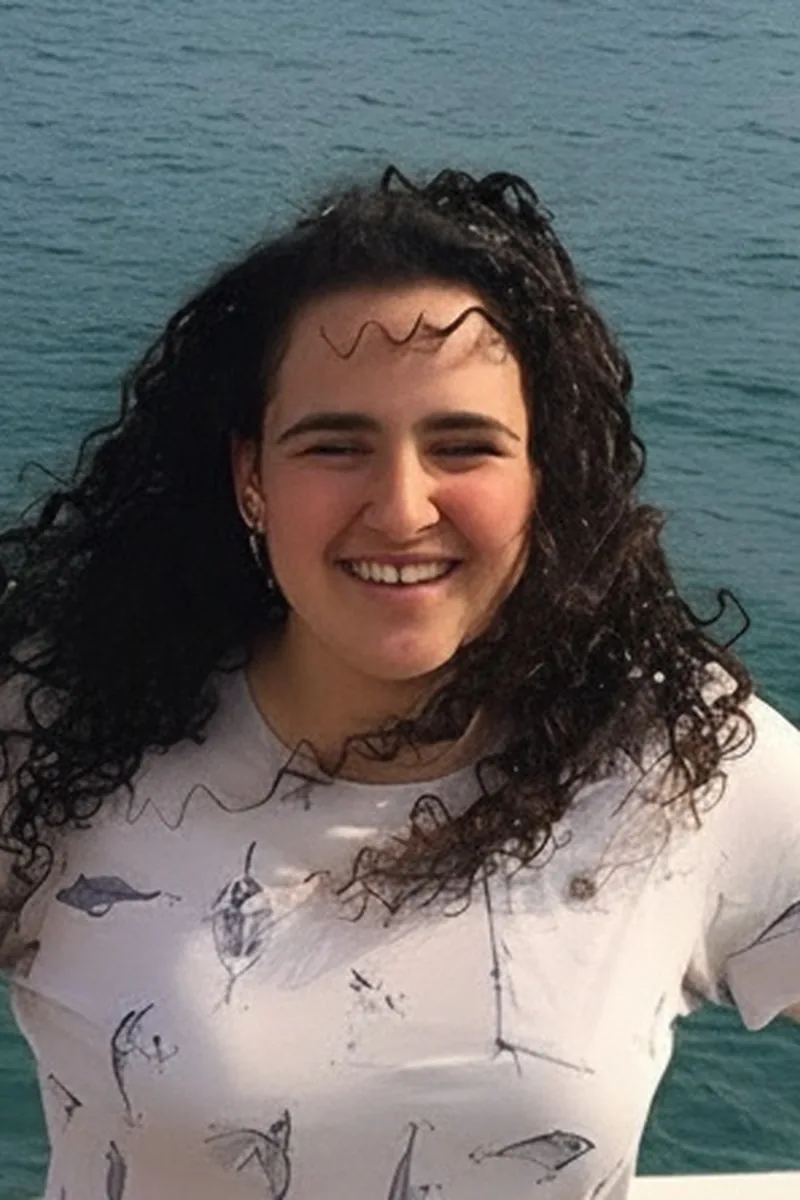
Iris's University of Chicago training in both Anthropology and History and Philosophy of Science means she naturally reads artworks as cultural artifacts — asking what a Jowo Rinpoche statue or a Ndop figure reveals about the society that produced it, which is exactly the kind of cross-cultural contextual thinking the AP Art History exam tests. She's especially well-suited to the Global Prehistory and Indigenous Americas content areas where anthropological knowledge turns unfamiliar works into readable arguments about ritual, power, and identity.
Frances's Master's in Literature and the Humanities means she's spent years tracing how intellectual movements, religious thought, and political upheaval shape creative expression — the exact kind of contextual reasoning AP Art History's essay prompts demand. She teaches students to read a work's iconography and formal choices as arguments rooted in a specific cultural moment, then translate that analysis into structured, evidence-driven prose. Rated 5.0 by students.
Erica's English and Latin degrees from Oberlin give her a surprisingly useful toolkit for AP Art History — she can parse the cultural and literary contexts behind Classical and Renaissance works while teaching students to write the precise analytical prose the exam's free-response questions demand. Her experience across both humanities writing and K-12 instruction means she knows how to break down a comparison essay into manageable steps. Rated 5.0 by students.
Trudy's master's dissertation at the University of Edinburgh focused on early modern South Asian and Islamic art — two content areas that consistently challenge AP Art History students who've had mostly Western-focused coursework. She brings firsthand research depth to those non-Western sections of the 250-image set while teaching students how to write the kind of cross-cultural contextual arguments the exam's free-response prompts demand.
Eight years of ESL tutoring taught Danya something most AP Art History tutors skip — how to make unfamiliar cultural contexts accessible to students who don't share them, which is exactly what the exam demands when it asks students to interpret works across ten global content areas. Her English training at Columbia sharpens the writing side, where she coaches students to build the kind of thesis-driven free-response essays that turn visual observations into persuasive cultural arguments.
Studying for a degree in secondary history and government education with an art history minor at the University of Kansas, Emma is building the exact academic foundation this exam covers — the intersections of political systems, cultural movements, and artistic production. She's especially effective at teaching students how debates over power and governance show up in visual culture, from ancient civic architecture to Cold War–era public art. Rated 5.0 by students.
Two master's degrees from Yale and Duke — one in Religious Studies with an ancient history focus, the other grounding him in the intersection of religion, culture, and visual tradition — mean Justin can contextualize sacred and devotional works across the 250-image set with real scholarly depth, from Hindu temple complexes to Gothic cathedrals to Islamic calligraphic programs. He teaches students to build arguments that link iconography and ritual function to the broader cultural narratives the AP exam's free-response questions actually score on. Rated 5.0 by students.
Studying film production gave Isaiah a trained eye for visual composition, which translates directly to the kind of formal analysis AP Art History demands. He teaches students to move beyond identifying a work's period and instead articulate how line, space, color, and context create meaning. That skill turns the exam's image-based questions from intimidating to manageable.
Working as a museum educator at the Hudson River Museum, Vivian does daily what the AP Art History exam asks students to do on paper — she walks people through artworks and teaches them to see how historical context, religious function, and patronage shaped what ended up on the wall. Her Fordham training in theology, philosophy, and Medieval Studies gives her particular depth with the sacred and medieval works in the 250-image set, where understanding iconography and liturgical purpose is the difference between describing a work and actually analyzing it. Rated 5.0 by students.
A practicing photographer with an MFA from SCAD, Emily brings real fluency in visual analysis to AP Art History — she teaches students to move past surface description and articulate how form, context, and function intersect in works from the Global Prehistory image set through contemporary installations. Her background in both studio art and academic writing makes the comparison essay feel far less intimidating.
Studying architecture at Columbia means Andrew doesn't just recognize Bernini's colonnade or Le Corbusier's Villa Savoie — he understands the structural, cultural, and theoretical ideas behind them. That depth is exactly what AP Art History requires, since the exam asks students to analyze visual evidence and connect works to broader historical contexts across global traditions. He walks students through how to write concise comparative essays that earn full marks.
Testimonials
Because the right AP Art History tutor makes all the difference.
Average Session Rating – Based on 3.4M Learner Ratings
Practice AP Art History
Free practice tests, flashcards, and AI tutoring for AP Art History
Other Las Vegas Tutors
Related Social Studies Tutors in Las Vegas
Frequently Asked Questions
AP Art History spans art and architecture from prehistoric times through the present day across multiple global regions and cultures. The course is organized around 250 required works of art that students must study in depth, covering themes like religious expression, power and authority, innovation, and cultural exchange. Students learn to analyze artworks using formal analysis, historical context, and interpretive frameworks—skills tested on both the multiple-choice section and the free-response essays on the AP exam.
Many students struggle with memorizing the 250 required artworks and their historical contexts while also developing strong analytical writing skills. Time management during the exam is another common challenge—students must answer multiple-choice questions, identify artworks from images, and write three essays within a limited timeframe. Additionally, connecting formal visual analysis (describing what you see) to broader historical and cultural narratives requires practice and guidance that personalized tutoring can provide.
Expert tutors can help you develop a systematic approach to learning the 250 required artworks, create effective study strategies for retention, and practice the specific essay formats tested on the exam. Tutors also work with you on pacing strategies for the timed exam, help identify gaps in your understanding of particular art movements or regions, and provide feedback on your analytical writing to strengthen your arguments. With personalized 1-on-1 instruction, you can focus on your specific weak areas rather than spending time on content you've already mastered.
The three essays on the AP exam require you to analyze artworks and connect them to broader themes—a skill that improves significantly with targeted practice. Tutors can teach you frameworks for organizing your thoughts quickly, help you practice identifying relevant artworks from the required list that support your arguments, and give you feedback on how well you're using formal analysis and historical context together. Working through past exam essays with a tutor helps you understand what scorers are looking for and builds confidence in your writing under timed conditions.
Score improvement depends on your starting point and how consistently you engage with tutoring, but students typically see meaningful gains by addressing their specific weak areas—whether that's memorizing artworks, improving essay analysis, or managing exam timing. With personalized instruction and regular practice, many students move from struggling with the material to scoring confidently in the 3-5 range on the AP exam. The key is starting preparation early enough to build deep familiarity with the required artworks and practice the essay formats multiple times.
Your first session is an opportunity to discuss your current understanding of the material, identify which artworks or time periods feel most challenging, and learn about your learning style and goals for the exam. A tutor will assess where you stand with the required curriculum, understand your timeline for the AP exam, and create a personalized study plan that addresses your specific needs. This might include strategies for memorizing artworks, frameworks for essay writing, or practice with particular question formats—all tailored to help you succeed.
Most students benefit from consistent preparation over several months rather than cramming close to the exam. A typical approach might include weekly or bi-weekly tutoring sessions combined with independent study time where you review artworks, practice essays, and take practice tests. Your tutor can help you create a realistic study schedule that fits your other commitments and builds momentum toward the exam—spacing out your learning helps with long-term retention of the 250 required artworks and deepens your analytical skills.
Varsity Tutors connects you with expert tutors for students in Las Vegas who specialize in AP Art History and understand the specific demands of the exam. You can get matched with a tutor who fits your schedule and learning style, whether you prefer to work on weekday evenings, weekends, or a flexible arrangement. Tutors bring deep knowledge of the AP curriculum and proven strategies for helping students improve their understanding of art history and their exam performance.
Let’s find your perfect tutor
Answer a few quick questions. We’ll recommend the right plan and match you with a top 5% tutor.