Award-Winning Accounting Tutors
serving Las Vegas, NV
Accounting
Tutors in Las Vegas
Private 1-on-1 tutoring, weekly live classes for academic support, test prep & enrichment, practice tests and diagnostics, and more to elevate grades and test scores.
Based on 3.4M Learner Ratings
UniversitiesSchools & Universities
DeliveredHours Delivered
ProficiencyGrowth in Proficiency
Who needs tutoring?
No obligation. Takes ~1 minute.

I am a Junior pursing Accounting and Finance at the Kelley School of Business at Indiana University-Bloomington. I have 8+ years of experience tutoring students from ages 7-40 years old. Patience with each of my students is what helps me be the best tutor in their learning process. I don't teach students but rather I involve them in the learning process so that they can be confident when solving the problems at hand.
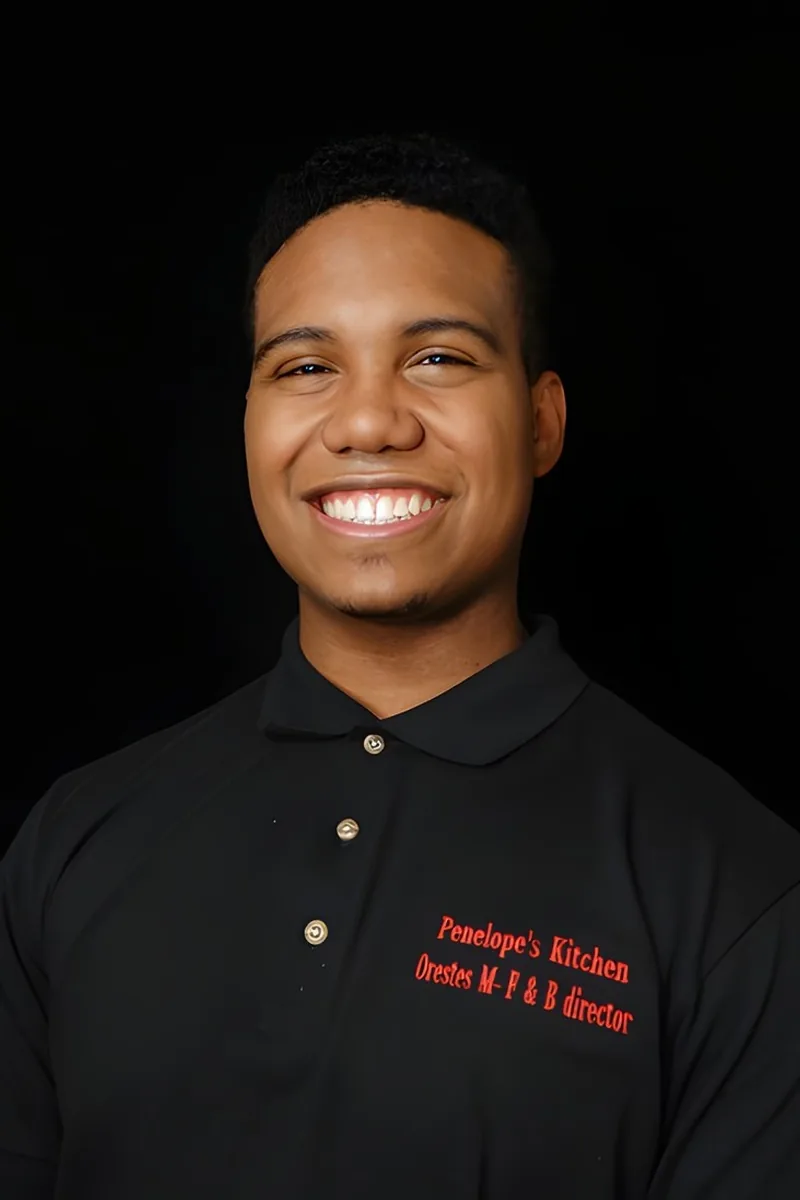
Debits and credits follow a logic that, once internalized, makes every journal entry feel intuitive rather than memorized. Orestes teaches accounting across multiple levels — from introductory financial accounting through managerial and cost accounting — so he knows exactly where students get tripped up on topics like adjusting entries, depreciation methods, and the closing process. That depth means he can explain the "why" behind each rule, not just the procedure.
I am trying to challenge my students beyond the syllabus and explain the ideas and methods that I have learned over the past few years, helping me to develop my ability to communicate
Tiffany's undergraduate degree is in accounting, so she teaches from genuine fluency with debits and credits, journal entries, and the full accounting cycle. Whether a student is struggling with adjusting entries, bank reconciliations, or the relationship between the income statement and balance sheet, she connects each concept back to the underlying logic of double-entry bookkeeping.
I am a recent graduate of the University of South Carolina with degrees in International Business and Accounting with a minor in German.
Debits and credits stop being confusing once someone walks you through the logic behind the accounting equation rather than just drilling journal entries. George's B.S. in Business Administration from UNC Chapel Hill gave him deep exposure to financial statements, T-accounts, and the full accounting cycle, and he explains adjusting entries and closing processes in plain language that clicks.
Debits and credits confuse most new accounting students because the logic feels backwards until it suddenly doesn't. Hardik unpacks the double-entry system by connecting journal entries to what's actually happening in a business — cash moving, liabilities forming, equity shifting — so the balance sheet tells a story instead of just balancing.
Most people treat accounting as a set of rules to follow, but Clark's MBA in Accounting and Financial Management taught him it's really the language every business decision gets filtered through. He digs into topics like accrual vs. cash-basis reporting, closing entries, and variance analysis by tying each concept back to the managerial choices it informs — so the ledger work feels like storytelling, not busywork.
Studying finance and statistics at NYU means Eric encounters accounting principles from the other side — as the language businesses use to communicate financial health. That perspective lets him teach concepts like the accounting equation, income statements, and balance sheets by showing what the numbers mean in practice, not just how to record them. Rated 5.0 by students.
Interning at two major accounting firms — CLA and Forvis — gave Aubriana hands-on experience with audit procedures and tax preparation that most tutors can only reference from a textbook. She breaks down journal entries, T-accounts, and the full accounting cycle by connecting each concept to how real firms actually use them. Rated 5.0 by students.
Currently pursuing a Master of Professional Accountancy at UT and a CPA license, Emily is working through advanced accounting material in real time — which sharpens how she teaches everything from introductory journal entries to intermediate topics like depreciation methods and accrual adjustments. Her undergraduate accounting degree and part-time tutoring experience mean she's already spent years translating tricky ledger mechanics into language that actually sticks.
As a paid accounting tutor at Babson College, Bradley spends his weeks untangling the journal entries, T-accounts, and financial statement relationships that trip students up in introductory and intermediate courses. He's especially sharp at explaining the logic behind debits and credits so that the rules stop feeling arbitrary. Students who need help connecting the accounting cycle from trial balance through closing entries will find he knows the material cold.
Holding a diploma in accounting on top of his economics degree, Stuart brings both the theoretical framework and the practical detail that financial and managerial accounting courses demand. He digs into journal entries, T-accounts, and the full accounting cycle, making sure students understand why debits and credits balance — not just that they do.
Debits and credits click once you stop memorizing rules and start understanding what each account type actually represents on a balance sheet. Eric earned his Business Administration degree with accounting coursework and breaks down the accounting equation, journal entries, and T-accounts in a way that builds intuition rather than rote recall.
As an adjunct finance professor who also teaches intermediate and cost accounting, Andrew sees the full picture of how debits, credits, and financial statements connect to real business decisions. He digs into journal entries, T-accounts, and adjusting entries with enough patience to make the logic click, not just the procedures.
Testimonials
Because the right Accounting tutor makes all the difference.
Average Session Rating – Based on 3.4M Learner Ratings
Practice Accounting
Free practice tests, flashcards, and AI tutoring for Accounting
Other Las Vegas Tutors
Related Business Tutors in Las Vegas
Frequently Asked Questions
Many students struggle with understanding the fundamental concept of debits and credits, which forms the foundation of all accounting work. Others find it difficult to connect abstract accounting principles to real-world business scenarios, or they rush through calculations and make careless errors that compound throughout a problem. Personalized tutoring helps identify exactly where a student's understanding breaks down and rebuilds that foundation with targeted practice and clear explanations.
In a classroom with a 22:1 student-teacher ratio, it's challenging for teachers to address each student's specific learning gaps or pace. Personalized 1-on-1 instruction allows tutors to focus entirely on your learning style, spend extra time on concepts you find difficult, and move quickly through material you've already mastered. This targeted approach typically leads to faster improvement and stronger confidence with accounting concepts.
Tutoring covers foundational topics like the accounting equation, journal entries, and the general ledger, as well as more advanced concepts like financial statement analysis, cost accounting, and audit principles. Tutors also help with practical skills like using accounting software, preparing tax returns, and understanding accounting standards. The specific focus depends on whether you're taking introductory accounting, intermediate accounting, or specialized courses like managerial or forensic accounting.
The first session is designed to assess your current understanding of accounting fundamentals and identify specific areas where you need support. Your tutor will ask questions about concepts you find confusing, review recent assignments or exams, and discuss your learning goals. This information helps create a personalized tutoring plan that targets your biggest challenges and builds a strong foundation for future sessions.
Many students notice improved clarity and confidence within 2-3 sessions once their tutor understands their specific gaps. More significant improvements in grades and test scores typically emerge after 4-6 weeks of consistent tutoring, depending on the complexity of the material and how frequently you meet. The key is identifying and addressing the root of misunderstanding rather than just memorizing procedures.
Expert tutors working with Varsity Tutors have strong backgrounds in accounting, often including degrees in accounting or finance, professional certifications like CPA or CMA, or extensive experience in accounting roles. They understand both the technical content and how to explain complex concepts in ways that make sense to students. When you connect with a tutor, you can review their qualifications and teaching approach to ensure a good match.
Yes. Tutors help students prepare for high school accounting exams, college-level courses like intermediate accounting, and professional certifications like the CPA exam. They focus on both conceptual understanding and test-taking strategies, helping you work through practice problems, understand why certain answers are correct, and manage time effectively during exams. This preparation builds genuine mastery rather than just memorization.
Simply tell us about your accounting goals and current challenges, and we'll connect you with an expert tutor who matches your needs. You can discuss your schedule, preferred meeting format, and specific topics you want to focus on. Your tutor will work with you to create a personalized plan that fits your timeline and helps you achieve measurable progress.
Let’s find your perfect tutor
Answer a few quick questions. We’ll recommend the right plan and match you with a top 5% tutor.