Award-Winning English Tutors
serving Springfield, MO
English
Tutors in Springfield
Private 1-on-1 tutoring, weekly live classes for academic support, test prep & enrichment, practice tests and diagnostics, and more to elevate grades and test scores.
Based on 3.4M Learner Ratings
UniversitiesSchools & Universities
DeliveredHours Delivered
ProficiencyGrowth in Proficiency
Who needs tutoring?
No obligation. Takes ~1 minute.

Reading a dense political theory text and crafting a tight analytical essay require the same core English skills: close reading, thesis development, and evidence selection. Parag has refined these abilities across four years of rigorous writing at Northwestern and brings a 5.0 tutoring rating to his work with students tackling everything from literary analysis to persuasive composition.
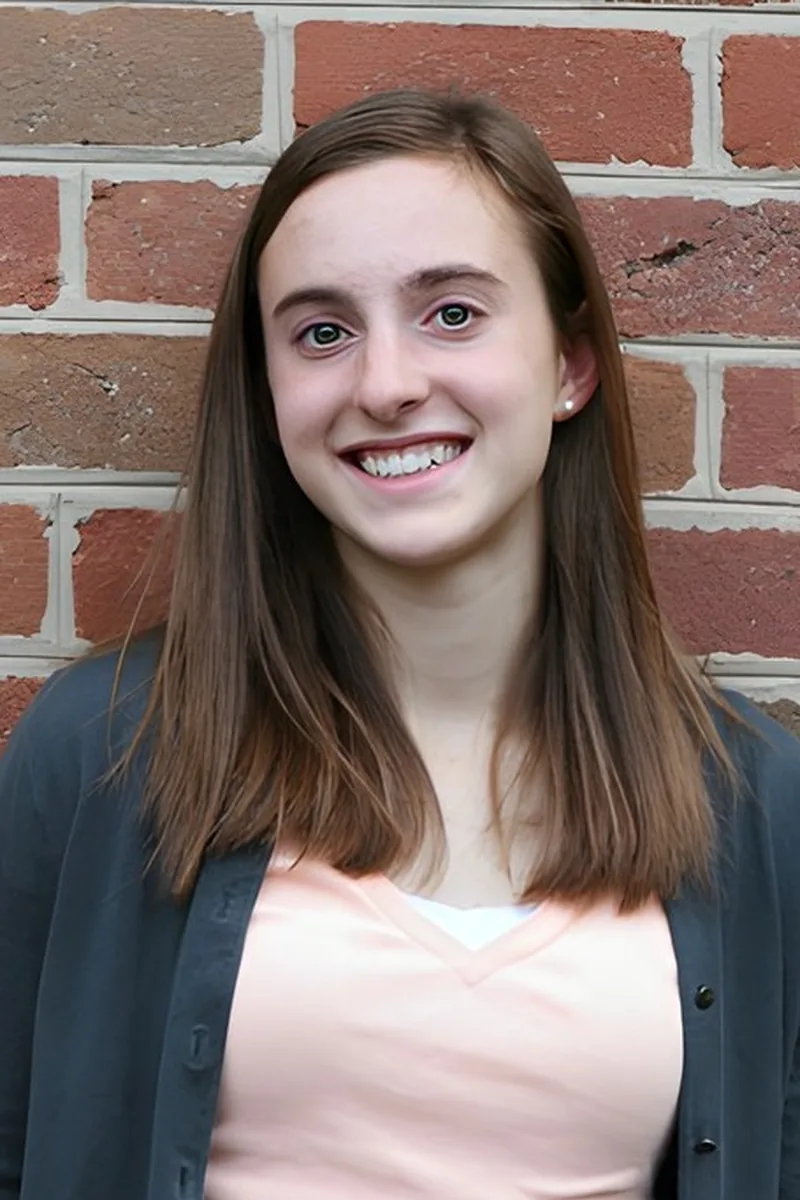
A math major might seem like an unlikely English tutor, but Kathleen has spent years sharpening her own writing through college essays and literary analysis at Washington University. She's particularly effective at teaching students how to build an argument in an essay — structuring a thesis, selecting evidence, and connecting ideas with clear transitions.
An avid reader outside the classroom and a biology major who had to write constantly throughout undergrad, Nik sits at an unusual intersection of science and language arts. He tackles English by teaching students how to build arguments from textual evidence and sharpen their analytical writing — skills he refined across dozens of college essays and peer workshops.
Rachel's background as a writer and avid reader shapes how she teaches English — she connects close reading skills directly to stronger essay writing, showing students how to pull evidence from a text and build an argument around it. Her approach turns the cycle of reading, annotating, and drafting into a repeatable process students can use across any assignment.
Years of teaching English across every level — from middle school paragraph writing to college-level literary analysis — gave Victoria a clear map of where students typically get stuck. She digs into the specific skill a student needs most, whether that's constructing a thesis, integrating textual evidence, or simply reading more critically and asking better questions of a text.
Debate training at Pembroke Hill meant Mubariz spent years dissecting arguments, structuring essays under pressure, and revising for clarity — skills that translate directly to English coursework like literary analysis and persuasive writing. He teaches students to build essays around a defensible thesis and select textual evidence that does real analytical work, not just fills space.
A master's in linguistics and fluency in English, French, and Mandarin give Ruth a deep structural understanding of how language conveys meaning — something she applies directly when teaching reading comprehension, vocabulary in context, and analytical writing. Students who struggle to articulate what a passage is really saying find that her multilingual perspective opens up new ways to interpret and respond to texts.
Reading a novel and actually analyzing it are two different skills, and Derrick is sharp at bridging that gap. He teaches students to identify literary devices like symbolism, tone shifts, and narrative structure, then turn those observations into coherent written arguments. Between his literature, essay editing, and writing experience, he covers the full loop from close reading to polished final draft.
Between her English literature minor at Rockhurst and her experience tutoring writing during undergrad, Ann treats English as more than just reading and answering questions — she teaches students to pull apart an author's choices and build arguments about what they find. She's particularly strong at connecting reading comprehension to written response, showing students how to move from annotating a passage to drafting a clear, organized essay.
Science teachers write more than most people realize — lab reports, research summaries, grant proposals — and Samuel brings that precision with language into his English tutoring. He teaches students how to build clear thesis statements, tighten paragraph structure, and revise their own drafts with a critical eye. Rated 4.9 by students, he's especially effective with learners who think of themselves as "science people" struggling to click with writing.
Strong English skills sit underneath almost every other subject, and Drew treats them that way — connecting reading comprehension, analytical writing, and grammar into one cohesive skill set. His STEM background means he brings unusual clarity to essay structure, teaching students to build arguments the way an engineer builds a proof: one logically supported claim at a time.
Between facilitating creative writing workshops in Belfast, mentoring young readers in foster care, and earning a degree in creative writing, Madison has spent years immersed in every dimension of English — from close reading and literary analysis to voice, structure, and revision. She tailors sessions to whether a student needs help unpacking a novel's themes or crafting their own compelling paragraphs.
I am interested in Physics and Mathematics and working out practical problems from plumbing to electronics. I will someday go back for my Ph.D. in Physics but until then I am looking to grow as an engineer or computer programmer.
Mason approaches English as a toolkit for clear thinking — breaking down how thesis statements anchor an argument, how textual evidence should be integrated rather than dropped in, and how revision transforms a rough draft into something compelling. His experience writing extensively across economics, political science, and public administration gives him a cross-disciplinary perspective on what strong writing actually looks like outside the English classroom.
A self-described scientist who also happens to love writing, Jacob brings an analytical edge to English that clicks for students who think in logical steps. He's particularly strong on essay structure and argument building — teaching students how to craft a thesis, support it with textual evidence, and revise for clarity and flow.
A certified English teacher who also serves as a school principal, Anthony understands the subject from both the classroom and the administrative side — he knows what's on the curriculum, what state standards demand, and where students most commonly lose their footing. He digs into everything from reading comprehension strategies to essay structure, tailoring each session to whatever a student is actually struggling with that week.
Strong English skills carried John to a 35 ACT composite, and he applies that same discipline to reading comprehension and writing tasks. He breaks down how to identify a passage's main argument, trace supporting evidence, and craft responses that are organized and specific rather than vague.
An avid reader and writer outside the classroom, Evan treats English as a subject where building an argument matters just as much as understanding the text. He teaches students to pull specific evidence from a passage and shape it into a clear thesis — a skill that transfers directly to college-level writing and the kind of analytical thinking his own coursework at CU Boulder demands.
Reading fifty novels a year isn't just a hobby for Kristen — it means she can match a reluctant reader with a book that actually hooks them, which is often the single fastest way to improve comprehension and vocabulary. As a certified ELA teacher who has spent two years running a seventh-grade reading and writing classroom, she brings structured lesson planning to skills like thesis development, textual evidence, and close reading. Her 1480 SAT underscores the analytical reading chops she brings to the table.
I am excited to help anyone who might need it!
Seven years of academic writing in experimental psychology — crafting literature reviews, research papers, and grant proposals — gave Anna a sharp eye for argument structure, clarity, and grammar. She teaches students how to build a thesis that actually drives an essay forward and how to revise their own prose with a critical lens. Rated 4.9 by students.
Reading dense academic texts throughout her PhD trained Mayuri to identify an author's argument, trace supporting evidence, and evaluate logical consistency — the same core skills tested in English coursework. She breaks down reading comprehension and analytical writing by showing students how to annotate purposefully and structure their responses around a clear central claim.
Between teaching literature, college essays, and ESL, Megan approaches English as an interconnected skill set: reading critically feeds better writing, and stronger grammar sharpens both. She's particularly effective at walking students through close reading — pulling apart an author's word choice, tone, and structure to build the kind of textual analysis that elevates essays from summary to argument.
Reading a dense passage and pulling out its argument is something Jacob does every day in medical school — whether it's a research article or a clinical case study. He teaches students to annotate actively, identify an author's purpose, and build thesis-driven essays that move beyond summary into genuine analysis.
A medical school graduate who also holds a BA in Arts, Anatoliy brings unusually sharp reading comprehension and argumentative writing skills to English tutoring — skills honed through years of analyzing dense research literature and crafting precise written arguments. He tackles everything from thesis development and paragraph structure to grammar mechanics, drawing on his own love of reading and writing to make the revision process feel less intimidating.
Reading a poem for figurative language requires a completely different skill set than building a five-paragraph essay, and Taylor treats them as separate crafts worth practicing individually. She draws on her experience with college-level writing and ACT Reading prep to teach students how to pull evidence from a text, structure an argument, and revise their own drafts with a critical eye.
Katherine approaches English through the lens of structured argumentation — building a thesis, selecting evidence, and organizing paragraphs so each one earns its place in the essay. Her experience writing across scientific and humanities contexts means she can adapt to literary analysis, persuasive writing, or close reading exercises with equal comfort. She holds a 5.0 rating from students.
An avid reader and writer with a B.A. in English, Bri digs into the full range of the subject — vocabulary development, reading comprehension, annotation techniques, and written expression. She's particularly sharp at showing students how reading and writing reinforce each other: the patterns you notice in a well-crafted paragraph become the moves you make in your own.
Reading closely and writing clearly are two sides of the same skill, and Anita tackles both by teaching students to notice how authors build arguments, develop characters, and use structure deliberately. Her own love of books and writing means she can pull from a wide range of texts to find examples that resonate with each student. Sessions often zero in on thesis development, textual evidence, and revision — the skills that transfer across every English assignment.
Strong English skills come down to two things: reading critically and writing clearly under pressure. Austin tackles both by teaching students to identify an author's argument before forming their own, then structure essays with claims that are specific and evidence that's well-integrated. His background in college essays and literature gives him range across analytical, persuasive, and narrative writing.
Working full-time as a literacy interventionist, Brianna spends her days diagnosing exactly where young readers and writers get stuck — whether it's decoding unfamiliar words, building sentences, or connecting ideas across a paragraph. That hands-on classroom experience means she knows how to target specific English skills like reading comprehension, grammar, and written expression at the level each student actually needs. Rated 5.0 by students.
Whether a student is working through a novel analysis, preparing a timed essay, or trying to sharpen their argumentative writing, Sean brings a structured approach shaped by Columbia's writing-intensive curriculum. He digs into the mechanics of constructing a clear thesis, selecting evidence, and revising for precision — skills that transfer across every English assignment a student will face.
A liberal arts background paired with medical school training gives Jessica an unusual range as an English tutor — she's equally comfortable dissecting a literary argument as she is tightening the logic in a lab report or personal statement. She zeroes in on thesis development and paragraph-level organization, teaching students to build essays where every sentence earns its place. Her 5.0 rating speaks to how effectively she breaks down the writing process across genres.
Jordan pairs an engineer's precision with a genuine love of analysis — the same close-reading instincts that let him dissect a box score carry over to unpacking an author's argument or a passage's rhetorical structure. He's especially effective at teaching students how to build thesis-driven essays with evidence that actually supports their claims, a skill he sharpened writing extensively through his college coursework.
Reading closely and writing clearly are two separate skills, and Shreya treats them that way. For reading, she teaches students to annotate for argument structure and author's purpose; for writing, she digs into thesis construction and paragraph-level organization. Her background in college essay coaching and literature makes her especially effective at bridging the gap between understanding a text and producing a strong response to it.
Studying English at Columbia College means Sarah lives inside the language daily — parsing syntax in Victorian novels one hour, drafting her own critical essays the next. That immersion gives her a practical grip on grammar mechanics, close reading, and the craft of putting an argument together on paper, all skills she can break down clearly because she's actively working through them herself. Rated 5.0 by students.
Between her love of reading and her training in education at UMKC, Meaghan approaches English by linking close reading skills to stronger writing — if a student can identify how an author builds an argument or develops a character, their own essays improve in parallel. She's rated 5.0 and is especially comfortable with students transitioning from middle school to high school-level literary analysis.
Between college essays, literature analysis, and essay editing, Sidney covers the full range of English skills — reading critically, writing persuasively, and revising strategically. Her engineering background gives her an unusually structured approach to argument construction: she teaches students to outline claims, marshal evidence, and eliminate logical gaps before worrying about style. That framework is especially useful for students who know what they want to say but can't get it organized on the page.
Strong English skills come down to two things: reading critically and writing clearly. Laura sharpens both by walking students through how to identify an author's argument in a passage and then articulate their own response with organized, evidence-driven paragraphs — skills she refined through her liberal arts degree and continues to use in medical school writing.
Growing up bilingual sharpens your awareness of how language actually works — the mechanics of constructing an argument, the way tone shifts between a personal essay and an analytical one. Hatsuki brings that cross-linguistic perspective to English, whether a student is unpacking a thesis statement or learning to revise their own drafts with a sharper editorial eye.
Testimonials
Because the right English tutor makes all the difference.
Average Session Rating – Based on 3.4M Learner Ratings
Nearby English Tutors
Other Springfield Tutors
Related English Tutors in Springfield
Frequently Asked Questions
Varsity Tutors matches Springfield students with expert English tutors for 1-on-1 instruction. We pair each student with a tutor based on their specific needs, learning style, and goals.
Whether you need homework help, exam prep, or want to get ahead, our English tutors are ready to help.
Common challenges include gaps from earlier material, difficulty with specific concepts, and trouble applying learning to new problems. These issues can snowball quickly in English.
A tutor identifies where you're stuck, fills in gaps, and provides targeted practice. The 1-on-1 format means you get help exactly where you need it.
Tutors work with your student's actual coursework—homework assignments, class notes, and upcoming tests. This keeps tutoring directly relevant to what's happening in the classroom.
When you share information about your student's school and curriculum, we can match you with a tutor who has relevant experience.
All tutors complete background checks, credential verification, and teaching evaluation. Many of our English tutors hold advanced degrees or have years of teaching experience.
You can review tutor profiles to find someone with the right background for your student's level and needs.
Many students see improved grades within a few weeks, along with better understanding of English concepts and more confidence tackling challenging material.
Tutors track progress and adjust their approach to ensure continued improvement.
Most students benefit from 1-2 sessions per week. More frequent sessions help if your student is significantly behind or has an important exam coming up.
Your tutor can recommend a schedule based on your student's specific situation and goals.
Tutoring is purchased in packages of hours, with rates varying by tutor experience. Varsity Tutors offers several options to fit different budgets and needs.
You can discuss pricing during your consultation to find what works best.
Your tutor will assess where your student is, discuss goals, and start working on priority areas. Most students bring current homework or upcoming test material to focus on.
By the end, you'll have a clear sense of how the tutor can help and a plan for moving forward.
Let’s find your perfect tutor
Answer a few quick questions. We’ll recommend the right plan and match you with a top 5% tutor.