Award-Winning Mandarin Chinese Tutors
serving Peoria, IL
Mandarin Chinese
Tutors in Peoria
Private 1-on-1 tutoring, weekly live classes for academic support, test prep & enrichment, practice tests and diagnostics, and more to elevate grades and test scores.
Based on 3.4M Learner Ratings
UniversitiesSchools & Universities
DeliveredHours Delivered
ProficiencyGrowth in Proficiency
Who needs tutoring?
No obligation. Takes ~1 minute.
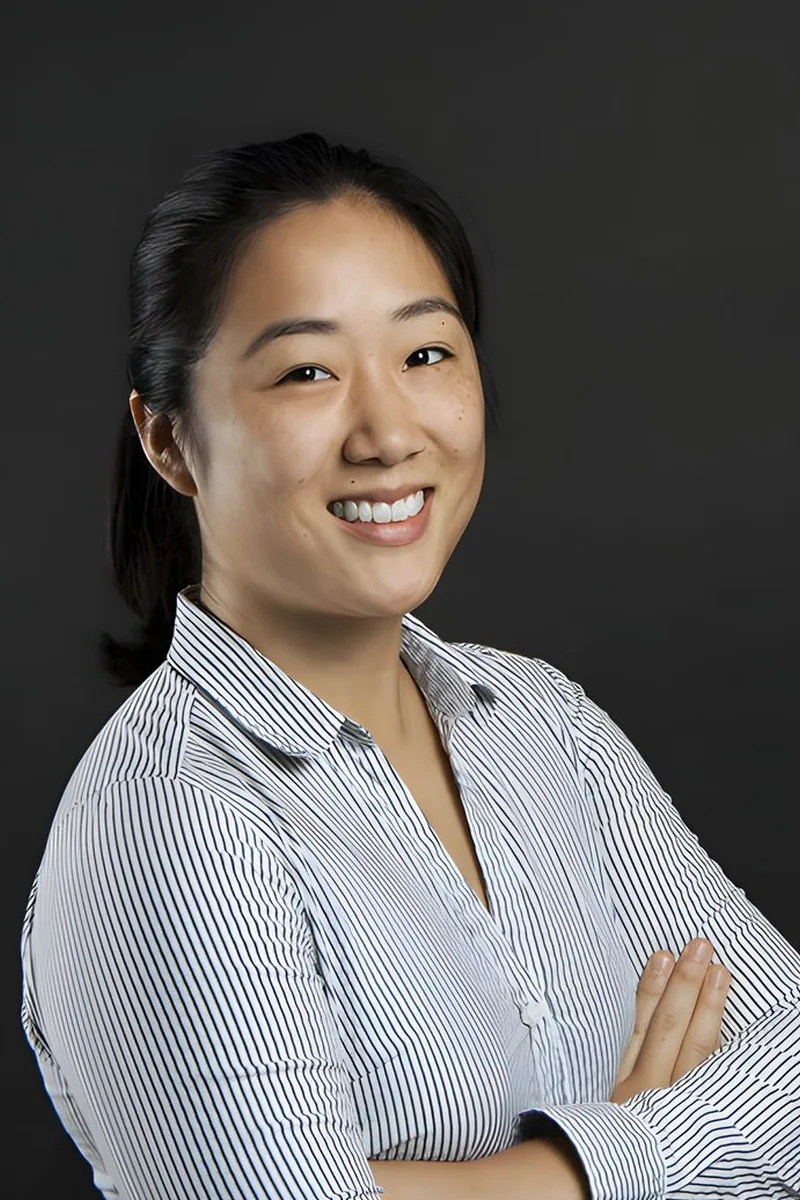
Asta's experience teaching the SAT Chinese Subject Test and living in Hong Kong gave her a practical grasp of Mandarin that bridges formal grammar with real-world usage. She tackles tonal accuracy, character recognition, and sentence structure by connecting each concept to contexts students will actually encounter — ordering food, reading signs, or discussing current events.

Native fluency makes a real difference when learning Mandarin's tonal system, character stroke order, and measure words — all areas where textbooks only get you so far. Christine grew up speaking and writing Mandarin in Shanghai and has taught across age groups, so she adjusts naturally between pinyin-based beginners and students ready to tackle paragraph-level composition. She holds a 4.7 rating from the families she's tutored.
Caroline majored in Chinese at Notre Dame, building fluency across reading, writing, and spoken Mandarin over four years of intensive study. She breaks down tonal pronunciation, character stroke order, and sentence structure (like the placement of time words before verbs) in ways that make the language's logic click for newer learners. Rated 5.0 by students.
I am an experienced tutor specializing in english, essay writing, communications and business. After completing the IB program at an international high school, I recently graduated from Northwestern University with a Bachelor of Science in Communication Studies, Business, and Integrated Marketing Communications. I grew up in a Korean household in China, so I am fluent in Korean and Chinese as well. Feel free to reach out for general inquiries on any classes or essay/writing help you need!
Connie is a Chinese language major at Dartmouth, which means she's tackled everything from character stroke order and tonal pronunciation to classical grammar structures and formal essay composition. That academic depth lets her explain the logic behind Mandarin's grammar and writing system instead of relying on rote memorization. Whether a student is working through radicals or sentence patterns, she connects each piece to the bigger linguistic picture.
Thomas teaches Mandarin Chinese with attention to the details that trip up English speakers most — tonal pronunciation, character stroke order, and the logic behind measure words. His engineering mindset means he treats grammar patterns as systems to decode rather than rules to memorize, which tends to click for students who think structurally.
Mike teaches Mandarin across multiple proficiency levels, from foundational tones and stroke order through intermediate reading and grammar patterns. His approach emphasizes character recognition and sentence structure as interconnected skills, so students build literacy and conversational ability at the same time rather than treating them as separate tracks.
Native fluency is one thing; knowing how to teach stroke order, tonal distinctions, and character radicals to someone learning from scratch is another. May does both — she grew up speaking Mandarin and has tutored students from beginner through advanced levels. She connects new vocabulary to real-world contexts so characters stick beyond the flashcard stage.
Tones, measure words, and the leap from pinyin to character writing — Mandarin's early hurdles can feel overwhelming without someone who's been through them. Alex is fully fluent in Mandarin Chinese and breaks the language into manageable pieces, whether a student is memorizing radicals for the first time or constructing complex sentences with 把 and 被 structures. He adjusts between spoken fluency practice and written accuracy depending on what each learner needs most.
Mike teaches Mandarin Chinese across four levels, covering everything from pinyin and tone production to reading comprehension and character writing. He breaks down the logic behind radical-based characters and sentence structure in a way that makes the language feel systematic rather than overwhelming.
I am a good motivator, and always am patient when guiding them on problems.
Learning Mandarin means wrestling with tones, character stroke order, and a grammar system that works nothing like English. Jing builds lessons around these specific challenges, connecting new vocabulary to cultural context so that characters and sentence patterns stick rather than blur together after a week.
Learning Mandarin means juggling tones, character recognition, and sentence structures that have almost nothing in common with English. Krystian teaches across multiple levels of the language, breaking down pinyin pronunciation, radical-based character memorization, and grammar patterns like measure words and aspect markers that trip up beginners and intermediate learners alike.
Learning Mandarin means wrestling with tones, character recognition, and a grammar structure that looks nothing like English. Noah teaches the language with an emphasis on practical communication — building from pinyin and radical patterns up to sentence construction — drawing on his own experience studying and using Mandarin in real-world settings.
Allyson's Mandarin experience comes from years at a Chinese school, giving her a practical understanding of tones, character recognition, and sentence structure that textbook-only learners often miss. She knows which aspects of Mandarin — like measure words and the lack of verb conjugation — tend to confuse English speakers, and she addresses them head-on. Her teaching style is energetic and interactive, which is especially useful for a language that rewards consistent spoken practice.
Hi! I'm Jennifer, and I think learning should be effective and enjoyable. Everyone learns differently, so I strive to adapt my teaching to each student's needs while maintaining a supportive environment where they feel comfortable asking questions. I have tutored SAT Reading, which taught me the importance of patience and creativity. I hope to see students gain confidence in their abilities and realize that they are capable of more than they think. Happy learning!
Learning Mandarin means tackling tones, character recognition, and a grammar structure that works nothing like English — and Lisa addresses all three without overwhelming students. She breaks down sentence patterns like topic-comment structure and measure words so that students understand the logic of the language, not just isolated vocabulary lists. Her anthropological perspective also brings in cultural context that makes phrases and expressions feel meaningful rather than arbitrary.
Tony tutored Mandarin Chinese through a DC-based tutoring company, covering tonal pronunciation, character recognition, and sentence structure. His Yale biology background also means he can connect vocabulary building to systematic memorization techniques that make retention of radicals and compound characters far more manageable.
Fluent in Mandarin since childhood and bilingual in Cantonese, Carolynne brings native-level pronunciation and an intuitive grasp of tonal distinctions that textbook audio can't replicate. She breaks down character structure, measure words, and sentence patterns in ways that make the logic of the language visible to English-speaking learners.
Henry is a fluent Mandarin Chinese speaker who teaches everything from tonal pronunciation and pinyin basics to more advanced character recognition and conversational fluency. His approach connects vocabulary to real-world usage — ordering food, navigating directions, discussing current events — so that new words stick in context rather than as isolated flashcard entries.
As a Mandarin speaker comfortable with both conversational and academic Chinese, Jennifer teaches tonal pronunciation, character recognition, and sentence structure in a way that builds practical fluency. She connects new vocabulary to real contexts — ordering food, describing daily routines, reading simple news articles — so the language sticks beyond flashcard drills.
Learning Mandarin means juggling tones, character recognition, and a grammar system that works nothing like English — and Patricia tackles all three without overwhelming students. She sequences lessons so that new vocabulary and sentence patterns build on what a student already knows, making the jump from pinyin to characters feel manageable. Her experience teaching beginners through more advanced learners means she can calibrate to whatever stage a student is in.
Yan is a Chinese language tutor who brings both native fluency and formal teaching training to Mandarin instruction. She tackles tones, character writing, and conversational patterns by designing custom materials that match each student's level — whether they're learning pinyin basics or preparing for more advanced reading and composition. Her four years of classroom teaching in Boston sharpened her ability to explain tricky grammar structures in ways that actually stick.
Florence's Chinese proficiency is strong enough that she sat for the SAT Subject Test in Chinese with Listening, giving her real experience with the listening comprehension, reading, and writing skills that Mandarin learners need to develop. She tackles tricky areas like measure words, sentence-final particles, and character recognition with a methodical approach shaped by her computer science training at Duke.
Bryan teaches Mandarin Chinese across multiple levels, covering tonal pronunciation, character recognition and stroke order, and conversational sentence structures. His systematic approach — breaking the language into repeatable patterns — makes the leap from pinyin to reading characters feel less overwhelming for students just starting out or pushing into intermediate fluency.
Mandarin is Xiang's native language, which means students get more than textbook grammar — they get natural phrasing, tonal precision, and cultural context that only a native speaker can provide. He walks through character structure and stroke order methodically, connecting radicals to meaning so that vocabulary sticks instead of blurring together.
Cindy teaches Mandarin across four course levels, from introductory pinyin and tone work through more advanced reading and conversation — so she can match instruction to wherever a student currently stands. As a current Penn undergrad who balances Mandarin alongside her political science coursework, she brings a learner's perspective on what makes vocabulary and grammar patterns click. Rated 5.0 by students.
Learning Mandarin means juggling tones, character recognition, and grammatical structures that have almost nothing in common with English. Ting's two degrees in Chinese Studies give her an academic command of the language, while her teaching background means she can explain tricky concepts like measure words, aspect particles, and stroke order in ways that click. Rated 5.0 by students.
Testimonials
Because the right Mandarin Chinese tutor makes all the difference.
Average Session Rating – Based on 3.4M Learner Ratings
Nearby Mandarin Chinese Tutors
Other Peoria Tutors
Related Languages Tutors in Peoria
Frequently Asked Questions
Varsity Tutors matches Peoria students with expert Mandarin Chinese tutors for 1-on-1 instruction. We pair each student with a tutor based on their specific needs, learning style, and goals.
Whether you need homework help, exam prep, or want to get ahead, our Mandarin Chinese tutors are ready to help.
Common challenges include gaps from earlier material, difficulty with specific concepts, and trouble applying learning to new problems. These issues can snowball quickly in Mandarin Chinese.
A tutor identifies where you're stuck, fills in gaps, and provides targeted practice. The 1-on-1 format means you get help exactly where you need it.
Tutors work with your student's actual coursework—homework assignments, class notes, and upcoming tests. This keeps tutoring directly relevant to what's happening in the classroom.
When you share information about your student's school and curriculum, we can match you with a tutor who has relevant experience.
All tutors complete background checks, credential verification, and teaching evaluation. Many of our Mandarin Chinese tutors hold advanced degrees or have years of teaching experience.
You can review tutor profiles to find someone with the right background for your student's level and needs.
Many students see improved grades within a few weeks, along with better understanding of Mandarin Chinese concepts and more confidence tackling challenging material.
Tutors track progress and adjust their approach to ensure continued improvement.
Most students benefit from 1-2 sessions per week. More frequent sessions help if your student is significantly behind or has an important exam coming up.
Your tutor can recommend a schedule based on your student's specific situation and goals.
Tutoring is purchased in packages of hours, with rates varying by tutor experience. Varsity Tutors offers several options to fit different budgets and needs.
You can discuss pricing during your consultation to find what works best.
Your tutor will assess where your student is, discuss goals, and start working on priority areas. Most students bring current homework or upcoming test material to focus on.
By the end, you'll have a clear sense of how the tutor can help and a plan for moving forward.
Let’s find your perfect tutor
Answer a few quick questions. We’ll recommend the right plan and match you with a top 5% tutor.