Award-Winning Mandarin Chinese Tutors
serving Rockford, IL
Mandarin Chinese
Tutors in Rockford
Private 1-on-1 tutoring, weekly live classes for academic support, test prep & enrichment, practice tests and diagnostics, and more to elevate grades and test scores.
Based on 3.4M Learner Ratings
UniversitiesSchools & Universities
DeliveredHours Delivered
ProficiencyGrowth in Proficiency
Who needs tutoring?
No obligation. Takes ~1 minute.
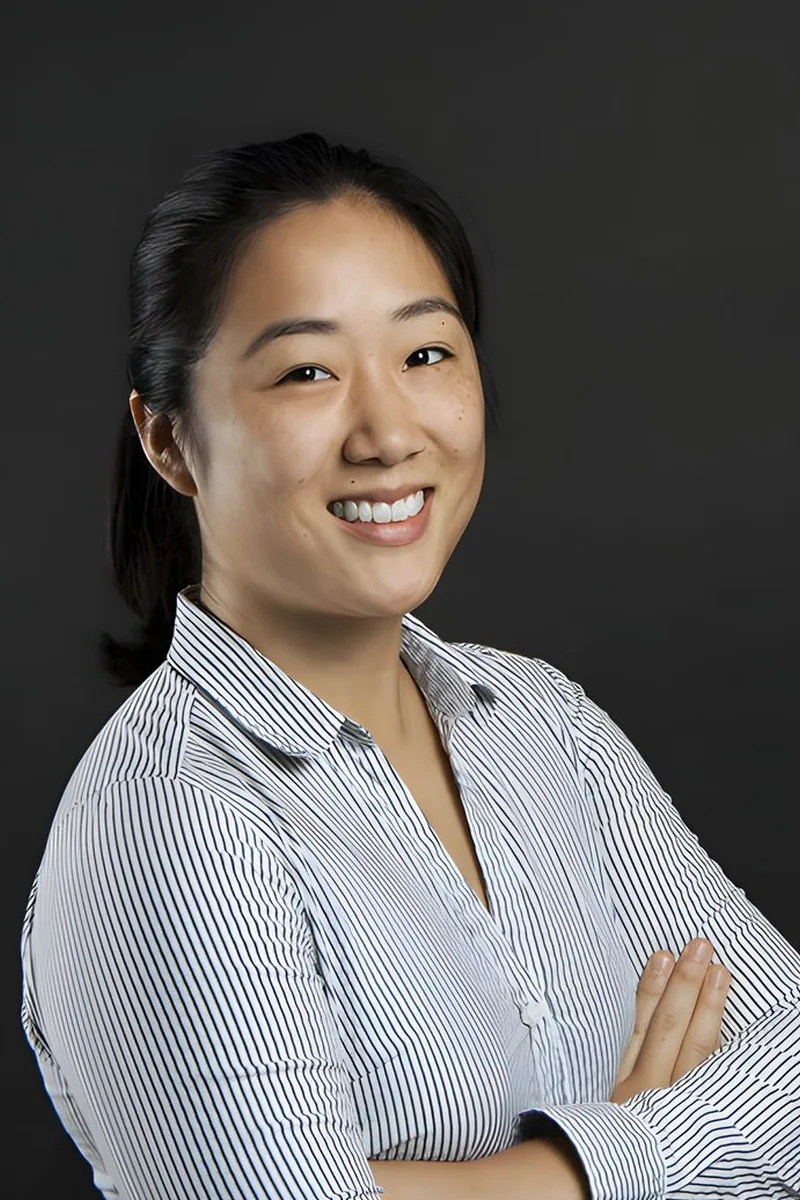
Asta's experience teaching the SAT Chinese Subject Test and living in Hong Kong gave her a practical grasp of Mandarin that bridges formal grammar with real-world usage. She tackles tonal accuracy, character recognition, and sentence structure by connecting each concept to contexts students will actually encounter — ordering food, reading signs, or discussing current events.

Native fluency makes a real difference when learning Mandarin's tonal system, character stroke order, and measure words — all areas where textbooks only get you so far. Christine grew up speaking and writing Mandarin in Shanghai and has taught across age groups, so she adjusts naturally between pinyin-based beginners and students ready to tackle paragraph-level composition. She holds a 4.7 rating from the families she's tutored.
Caroline majored in Chinese at Notre Dame, building fluency across reading, writing, and spoken Mandarin over four years of intensive study. She breaks down tonal pronunciation, character stroke order, and sentence structure (like the placement of time words before verbs) in ways that make the language's logic click for newer learners. Rated 5.0 by students.
I am an experienced tutor specializing in english, essay writing, communications and business. After completing the IB program at an international high school, I recently graduated from Northwestern University with a Bachelor of Science in Communication Studies, Business, and Integrated Marketing Communications. I grew up in a Korean household in China, so I am fluent in Korean and Chinese as well. Feel free to reach out for general inquiries on any classes or essay/writing help you need!
Connie is a Chinese language major at Dartmouth, which means she's tackled everything from character stroke order and tonal pronunciation to classical grammar structures and formal essay composition. That academic depth lets her explain the logic behind Mandarin's grammar and writing system instead of relying on rote memorization. Whether a student is working through radicals or sentence patterns, she connects each piece to the bigger linguistic picture.
Thomas teaches Mandarin Chinese with attention to the details that trip up English speakers most — tonal pronunciation, character stroke order, and the logic behind measure words. His engineering mindset means he treats grammar patterns as systems to decode rather than rules to memorize, which tends to click for students who think structurally.
Mike teaches Mandarin across multiple proficiency levels, from foundational tones and stroke order through intermediate reading and grammar patterns. His approach emphasizes character recognition and sentence structure as interconnected skills, so students build literacy and conversational ability at the same time rather than treating them as separate tracks.
Native fluency is one thing; knowing how to teach stroke order, tonal distinctions, and character radicals to someone learning from scratch is another. May does both — she grew up speaking Mandarin and has tutored students from beginner through advanced levels. She connects new vocabulary to real-world contexts so characters stick beyond the flashcard stage.
Tones, measure words, and the leap from pinyin to character writing — Mandarin's early hurdles can feel overwhelming without someone who's been through them. Alex is fully fluent in Mandarin Chinese and breaks the language into manageable pieces, whether a student is memorizing radicals for the first time or constructing complex sentences with 把 and 被 structures. He adjusts between spoken fluency practice and written accuracy depending on what each learner needs most.
Mike teaches Mandarin Chinese across four levels, covering everything from pinyin and tone production to reading comprehension and character writing. He breaks down the logic behind radical-based characters and sentence structure in a way that makes the language feel systematic rather than overwhelming.
I am a good motivator, and always am patient when guiding them on problems.
Learning Mandarin means wrestling with tones, character stroke order, and a grammar system that works nothing like English. Jing builds lessons around these specific challenges, connecting new vocabulary to cultural context so that characters and sentence patterns stick rather than blur together after a week.
Learning Mandarin means juggling tones, character recognition, and sentence structures that have almost nothing in common with English. Krystian teaches across multiple levels of the language, breaking down pinyin pronunciation, radical-based character memorization, and grammar patterns like measure words and aspect markers that trip up beginners and intermediate learners alike.
Learning Mandarin means wrestling with tones, character recognition, and a grammar structure that looks nothing like English. Noah teaches the language with an emphasis on practical communication — building from pinyin and radical patterns up to sentence construction — drawing on his own experience studying and using Mandarin in real-world settings.
Allyson's Mandarin experience comes from years at a Chinese school, giving her a practical understanding of tones, character recognition, and sentence structure that textbook-only learners often miss. She knows which aspects of Mandarin — like measure words and the lack of verb conjugation — tend to confuse English speakers, and she addresses them head-on. Her teaching style is energetic and interactive, which is especially useful for a language that rewards consistent spoken practice.
Hi! I'm Jennifer, and I think learning should be effective and enjoyable. Everyone learns differently, so I strive to adapt my teaching to each student's needs while maintaining a supportive environment where they feel comfortable asking questions. I have tutored SAT Reading, which taught me the importance of patience and creativity. I hope to see students gain confidence in their abilities and realize that they are capable of more than they think. Happy learning!
Mandarin's tonal system and character-based writing can feel overwhelming without someone who knows how to sequence the learning. Cynthia teaches through all four levels of Mandarin and unpacks tricky concepts like tone pairs, radical recognition, and measure words in ways that build genuine reading and speaking ability.
Tammy teaches Mandarin across four proficiency levels, from foundational character recognition and tonal pronunciation through intermediate reading and composition. Whether a student is wrestling with measure words, aspect particles, or the logic behind radical-based characters, she breaks the language into patterns that make retention easier. Rated 5.0 by students.
Mia has studied Mandarin Chinese through advanced levels and brings a structured, patient approach to teaching tones, character recognition, and sentence construction. Whether a student is tackling measure words for the first time or working through reading comprehension passages, she breaks the language down into patterns that build on each other.
Cindy is a heritage Mandarin speaker who also passed the SAT Subject Test in Chinese with Listening, giving her both native fluency and an understanding of how the language looks from a learner's perspective. She tackles everything from tone drilling and character stroke order to reading comprehension of longer passages, adjusting her approach based on whether a student is building from scratch or refining existing skills.
Having traveled to China several times and actively practiced Mandarin in real-world settings, Jonathan teaches the language with an ear for how it's actually spoken — tones, measure words, and conversational flow. He connects character recognition to meaning in ways that stick, making early Mandarin study less intimidating. His 5.0 rating speaks to how well that approach lands.
Learning Mandarin means juggling tones, character recognition, and a grammar structure that looks nothing like English — all at once. Andrew has studied Mandarin through multiple levels and tackles each of these layers separately before combining them, so students build real reading and speaking ability instead of just memorizing phrases.
Learning Mandarin means juggling tonal pronunciation, character recognition, and grammatical structures that work nothing like English. Jennifer teaches across multiple levels of Mandarin and can walk students through everything from radical-based character memorization to sentence patterns using 把 and 被 constructions. Her conversational fluency adds a practical dimension that pure textbook study often misses.
Mandarin's tonal system and character-based writing can feel overwhelming without a structured plan of attack. Zora applies the same analytical problem-solving she uses in her Stanford engineering program to break down radicals, stroke order, and pinyin pronunciation into repeatable, logical steps that build real reading and speaking ability.
Learning Mandarin from a linguist is a different experience than learning it from someone who simply speaks it. Wei's research in language acquisition means she understands exactly why tonal distinctions trip up English speakers, how to build character recognition systematically, and when to push conversational fluency versus grammatical accuracy. Her 5.0 rating speaks to how well that approach works.
Learning Mandarin means tackling tonal pronunciation, character recognition, and sentence structures that work nothing like English — all at once. Chris teaches across multiple levels of Mandarin Chinese and breaks these challenges apart so students build reading and speaking skills in parallel without feeling overwhelmed.
JF grew up speaking Mandarin at home and tested that fluency on the SAT Subject Test in Chinese with Listening. He brings a native speaker's intuition for natural phrasing and colloquial usage, which means he can explain why certain word orders sound right to Chinese ears — something textbooks rarely cover well. Rated 5.0 by students.
Learning Mandarin means training your ear to distinguish four tones that can completely change a word's meaning. Li's academic background in speech and hearing science gives her a technical understanding of how people perceive and produce these tonal differences, which she uses to build targeted pronunciation drills alongside character recognition and conversational practice.
Testimonials
Because the right Mandarin Chinese tutor makes all the difference.
Average Session Rating – Based on 3.4M Learner Ratings
Nearby Mandarin Chinese Tutors
Other Rockford Tutors
Related Languages Tutors in Rockford
Frequently Asked Questions
Varsity Tutors matches Rockford students with expert Mandarin Chinese tutors for 1-on-1 instruction. We pair each student with a tutor based on their specific needs, learning style, and goals.
Whether you need homework help, exam prep, or want to get ahead, our Mandarin Chinese tutors are ready to help.
Common challenges include gaps from earlier material, difficulty with specific concepts, and trouble applying learning to new problems. These issues can snowball quickly in Mandarin Chinese.
A tutor identifies where you're stuck, fills in gaps, and provides targeted practice. The 1-on-1 format means you get help exactly where you need it.
Tutors work with your student's actual coursework—homework assignments, class notes, and upcoming tests. This keeps tutoring directly relevant to what's happening in the classroom.
When you share information about your student's school and curriculum, we can match you with a tutor who has relevant experience.
All tutors complete background checks, credential verification, and teaching evaluation. Many of our Mandarin Chinese tutors hold advanced degrees or have years of teaching experience.
You can review tutor profiles to find someone with the right background for your student's level and needs.
Many students see improved grades within a few weeks, along with better understanding of Mandarin Chinese concepts and more confidence tackling challenging material.
Tutors track progress and adjust their approach to ensure continued improvement.
Most students benefit from 1-2 sessions per week. More frequent sessions help if your student is significantly behind or has an important exam coming up.
Your tutor can recommend a schedule based on your student's specific situation and goals.
Tutoring is purchased in packages of hours, with rates varying by tutor experience. Varsity Tutors offers several options to fit different budgets and needs.
You can discuss pricing during your consultation to find what works best.
Your tutor will assess where your student is, discuss goals, and start working on priority areas. Most students bring current homework or upcoming test material to focus on.
By the end, you'll have a clear sense of how the tutor can help and a plan for moving forward.
Let’s find your perfect tutor
Answer a few quick questions. We’ll recommend the right plan and match you with a top 5% tutor.