Award-Winning Mandarin Chinese Tutors
serving Chicago, IL
Mandarin Chinese
Tutors in Chicago
Private 1-on-1 tutoring, weekly live classes for academic support, test prep & enrichment, practice tests and diagnostics, and more to elevate grades and test scores.
Based on 3.4M Learner Ratings
UniversitiesSchools & Universities
DeliveredHours Delivered
ProficiencyGrowth in Proficiency
Who needs tutoring?
No obligation. Takes ~1 minute.
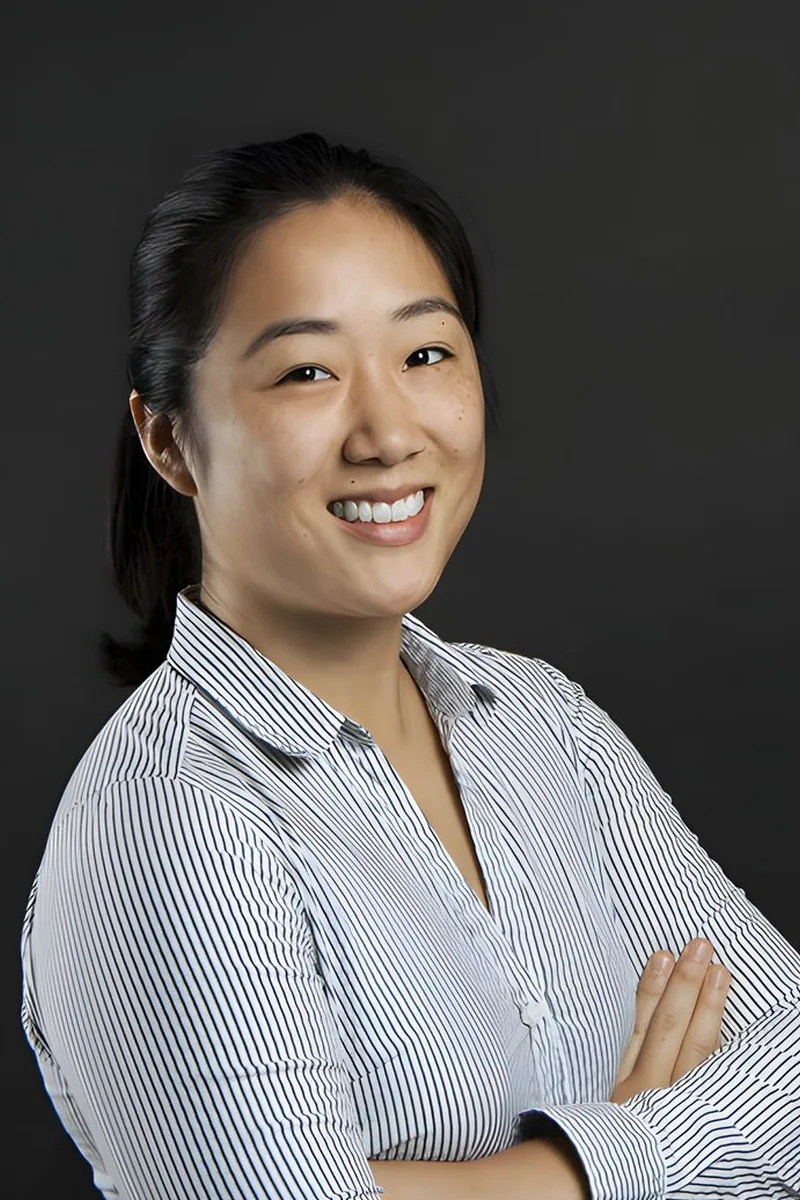
Asta's experience teaching the SAT Chinese Subject Test and living in Hong Kong gave her a practical grasp of Mandarin that bridges formal grammar with real-world usage. She tackles tonal accuracy, character recognition, and sentence structure by connecting each concept to contexts students will actually encounter — ordering food, reading signs, or discussing current events.

Mike teaches Mandarin across multiple proficiency levels, from foundational tones and stroke order through intermediate reading and grammar patterns. His approach emphasizes character recognition and sentence structure as interconnected skills, so students build literacy and conversational ability at the same time rather than treating them as separate tracks.
Tones, measure words, and the leap from pinyin to character writing — Mandarin's early hurdles can feel overwhelming without someone who's been through them. Alex is fully fluent in Mandarin Chinese and breaks the language into manageable pieces, whether a student is memorizing radicals for the first time or constructing complex sentences with 把 and 被 structures. He adjusts between spoken fluency practice and written accuracy depending on what each learner needs most.
Native fluency is one thing; knowing how to teach stroke order, tonal distinctions, and character radicals to someone learning from scratch is another. May does both — she grew up speaking Mandarin and has tutored students from beginner through advanced levels. She connects new vocabulary to real-world contexts so characters stick beyond the flashcard stage.
Native fluency makes a real difference when learning Mandarin's tonal system, character stroke order, and measure words — all areas where textbooks only get you so far. Christine grew up speaking and writing Mandarin in Shanghai and has taught across age groups, so she adjusts naturally between pinyin-based beginners and students ready to tackle paragraph-level composition. She holds a 4.7 rating from the families she's tutored.
Caroline majored in Chinese at Notre Dame, building fluency across reading, writing, and spoken Mandarin over four years of intensive study. She breaks down tonal pronunciation, character stroke order, and sentence structure (like the placement of time words before verbs) in ways that make the language's logic click for newer learners. Rated 5.0 by students.
I am an experienced tutor specializing in english, essay writing, communications and business. After completing the IB program at an international high school, I recently graduated from Northwestern University with a Bachelor of Science in Communication Studies, Business, and Integrated Marketing Communications. I grew up in a Korean household in China, so I am fluent in Korean and Chinese as well. Feel free to reach out for general inquiries on any classes or essay/writing help you need!
Connie is a Chinese language major at Dartmouth, which means she's tackled everything from character stroke order and tonal pronunciation to classical grammar structures and formal essay composition. That academic depth lets her explain the logic behind Mandarin's grammar and writing system instead of relying on rote memorization. Whether a student is working through radicals or sentence patterns, she connects each piece to the bigger linguistic picture.
Thomas teaches Mandarin Chinese with attention to the details that trip up English speakers most — tonal pronunciation, character stroke order, and the logic behind measure words. His engineering mindset means he treats grammar patterns as systems to decode rather than rules to memorize, which tends to click for students who think structurally.
Mike teaches Mandarin Chinese across four levels, covering everything from pinyin and tone production to reading comprehension and character writing. He breaks down the logic behind radical-based characters and sentence structure in a way that makes the language feel systematic rather than overwhelming.
I am a good motivator, and always am patient when guiding them on problems.
Learning Mandarin means wrestling with tones, character stroke order, and a grammar system that works nothing like English. Jing builds lessons around these specific challenges, connecting new vocabulary to cultural context so that characters and sentence patterns stick rather than blur together after a week.
Learning Mandarin means wrestling with tones, character recognition, and a grammar structure that looks nothing like English. Noah teaches the language with an emphasis on practical communication — building from pinyin and radical patterns up to sentence construction — drawing on his own experience studying and using Mandarin in real-world settings.
Learning Mandarin means juggling tones, character recognition, and sentence structures that have almost nothing in common with English. Krystian teaches across multiple levels of the language, breaking down pinyin pronunciation, radical-based character memorization, and grammar patterns like measure words and aspect markers that trip up beginners and intermediate learners alike.
Allyson's Mandarin experience comes from years at a Chinese school, giving her a practical understanding of tones, character recognition, and sentence structure that textbook-only learners often miss. She knows which aspects of Mandarin — like measure words and the lack of verb conjugation — tend to confuse English speakers, and she addresses them head-on. Her teaching style is energetic and interactive, which is especially useful for a language that rewards consistent spoken practice.
Hi! I'm Jennifer, and I think learning should be effective and enjoyable. Everyone learns differently, so I strive to adapt my teaching to each student's needs while maintaining a supportive environment where they feel comfortable asking questions. I have tutored SAT Reading, which taught me the importance of patience and creativity. I hope to see students gain confidence in their abilities and realize that they are capable of more than they think. Happy learning!
Mandarin's tonal system and character-based writing can feel overwhelming at first, but Allison breaks it into manageable pieces — practicing tone pairs in context, learning radicals to decode unfamiliar characters, and building sentence patterns that transfer across topics. Her experience with Mandarin coursework through multiple levels means she understands exactly where English speakers tend to stumble.
As a Mandarin speaker, Jessy tackles the aspects of the language that trip up English-speaking learners most — tonal pronunciation, character stroke order, and the logic behind measure words and sentence structure. She uses a mix of conversation practice and written drills to build both spoken fluency and reading recognition simultaneously.
Allison teaches Mandarin with attention to the details that trip up English speakers most: tonal pronunciation, character stroke order, and the grammatical structures that have no direct English equivalent. Her approach connects vocabulary to real-world contexts — ordering food, reading signs, navigating conversations — so new words actually stick beyond the quiz.
Brittaney teaches Mandarin Chinese across four proficiency levels, from character recognition and tonal pronunciation basics through more advanced reading and composition. She connects language learning to cultural context, which makes vocabulary and grammar patterns stick instead of feeling like rote memorization. Her 5.0 rating speaks to how well that approach works for students at every stage.
From elementary basics through advanced coursework, Leanna teaches Mandarin Chinese across four levels and knows exactly where students tend to plateau — usually around tonal accuracy and character recognition. She approaches vocabulary and grammar structures systematically, connecting new characters to radicals students already know so that memorization doesn't feel like starting from scratch every lesson.
Learning Mandarin means juggling tones, character recognition, and a grammar structure that looks nothing like English — all at once. Andrew has studied Mandarin through multiple levels and tackles each of these layers separately before combining them, so students build real reading and speaking ability instead of just memorizing phrases.
Learning Mandarin Chinese requires consistent practice with tonal accuracy, character recognition, and sentence structure — skills that benefit from a patient, methodical tutor. Julie's background in philosophy and statistics at Princeton means she approaches language learning with the same logical rigor she applies to formal proofs, breaking grammar patterns into learnable systems rather than isolated rules.
Learning Mandarin means juggling tonal pronunciation, character recognition, and grammatical structures that work nothing like English. Jennifer teaches across multiple levels of Mandarin and can walk students through everything from radical-based character memorization to sentence patterns using 把 and 被 constructions. Her conversational fluency adds a practical dimension that pure textbook study often misses.
Eight years of teaching Chinese language and culture across K-12 levels means Amanda has built curriculum for every stage — from introducing tones and pinyin to beginners through drilling stroke order, radicals, and reading comprehension for advanced learners. She developed a full K-12 Mandarin curriculum and knows exactly where students tend to stall, whether it's character recognition or navigating measure words. Rated 5.0 by students.
Learning Mandarin means training your ear for four tones, memorizing character stroke order, and internalizing a grammar system that works nothing like English. Chang has taught Mandarin to everyone from high schoolers to intelligence agency professionals, adapting his methods to each learner's level and goals. His background in Chinese philosophy and culture adds depth that makes vocabulary and grammar stick in context rather than in isolation.
JF grew up speaking Mandarin at home and tested that fluency on the SAT Subject Test in Chinese with Listening. He brings a native speaker's intuition for natural phrasing and colloquial usage, which means he can explain why certain word orders sound right to Chinese ears — something textbooks rarely cover well. Rated 5.0 by students.
Learning Mandarin means juggling tones, character stroke order, and sentence structures that feel nothing like English — and Paulkey tackles each piece systematically. As a certified Mandarin teacher who has taught every level from beginner through AP, he sequences new vocabulary and grammar so each lesson builds naturally on the last. Rated 4.7 by students.
Testimonials
Because the right Mandarin Chinese tutor makes all the difference.
Average Session Rating – Based on 3.4M Learner Ratings
Nearby Mandarin Chinese Tutors
Other Chicago Tutors
Related Languages Tutors in Chicago
Frequently Asked Questions
According to the Foreign Service Institute, reaching professional working proficiency in Mandarin typically requires around 2,200 hours of study. However, conversational ability—where you can handle everyday interactions—usually develops much faster with consistent practice, often within 6-12 months of regular study. Personalized 1-on-1 instruction accelerates this timeline significantly since you're practicing speaking and listening in every session, rather than waiting for turns in a classroom setting.
Mandarin's four tones (plus neutral tone) are challenging because English speakers aren't accustomed to pitch changes affecting word meaning—the difference between a high tone and a falling tone can completely change a word's meaning. A tutor can provide immediate feedback on your tone production, model correct pronunciation repeatedly, and help you develop the listening skills to distinguish tones naturally. Over time, this targeted practice rewires your ear and mouth to produce tones accurately without conscious effort.
Simplified characters are used in mainland China and are generally easier to learn due to fewer strokes, making them ideal for most learners starting out. Traditional characters are used in Taiwan and Hong Kong. Most tutors recommend starting with simplified characters for efficiency, though you can explore traditional characters later if needed for cultural or family reasons. A tutor can help you decide based on your specific goals and guide your character learning strategy.
In a typical Chicago classroom with a 17.7:1 student-teacher ratio, students get limited speaking practice and feedback. Personalized tutoring flips this—you spend the entire session speaking, listening, and receiving real-time correction on pronunciation, grammar, and tone. Tutors can also customize lessons to your learning style, focus on your specific weak areas (whether that's tones, characters, or conversation flow), and move at your pace rather than the class pace.
Absolutely—this is one of the biggest advantages of personalized instruction. Tutors create natural conversation scenarios, correct you in the moment, and help you move beyond textbook phrases to authentic, spontaneous dialogue. Whether you're preparing for travel, connecting with family, or building professional communication skills, tutors can simulate real-world situations and build your confidence speaking Mandarin in ways classroom settings often can't.
The most effective approach combines both. Understanding key grammar patterns (like Mandarin's topic-prominent structure or measure words) gives you a framework for learning, while immersion-style practice—speaking, listening, and using the language naturally—helps those patterns stick and develop fluency. A skilled tutor balances explicit instruction with conversational practice, explaining grammar when it helps you understand, then immediately applying it in realistic dialogue.
Research on learning science shows that spaced repetition and retrieval practice—revisiting words at increasing intervals and using them in different contexts—are far more effective than cramming. Tutors can build vocabulary into conversation practice, use words across multiple lessons in different scenarios, and help you develop personalized memory techniques. This active, contextual approach means words stick in your long-term memory rather than fading after a test.
Language and culture are deeply intertwined—understanding cultural context helps you use language appropriately and remember it better. Tutors often weave cultural insights into lessons: explaining why certain phrases are polite, how formal vs. informal speech works, or the significance of idioms rooted in Chinese history and philosophy. This cultural immersion makes learning more meaningful and helps you communicate authentically, not just grammatically correctly.
Let’s find your perfect tutor
Answer a few quick questions. We’ll recommend the right plan and match you with a top 5% tutor.