Award-Winning Biology Tutors
serving Palm Bay, FL
Biology
Tutors in Palm Bay
Private 1-on-1 tutoring, weekly live classes for academic support, test prep & enrichment, practice tests and diagnostics, and more to elevate grades and test scores.
Based on 3.4M Learner Ratings
UniversitiesSchools & Universities
DeliveredHours Delivered
ProficiencyGrowth in Proficiency
Who needs tutoring?
No obligation. Takes ~1 minute.
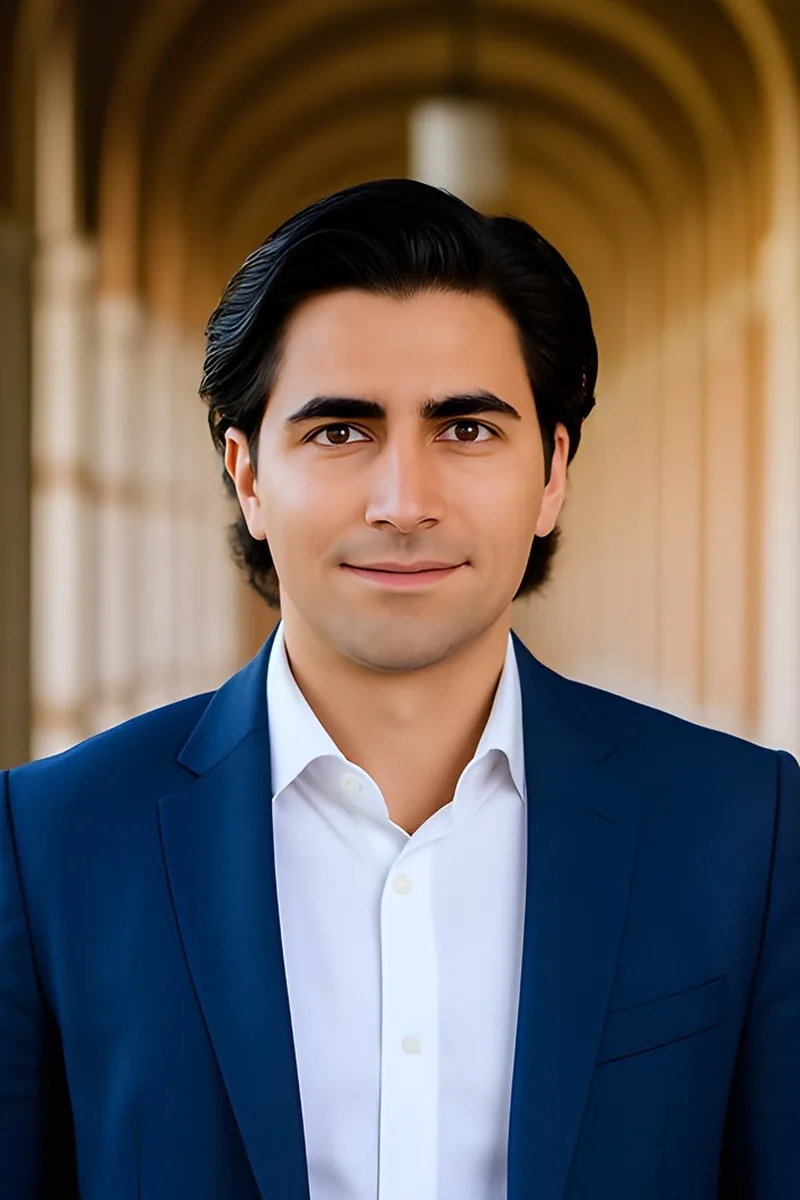
A Rice biology graduate heading to medical school, Perry knows the subject from the molecular scale up — DNA replication, enzyme kinetics, ecological modeling. He unpacks complex processes by mapping out each step visually, which is especially useful for topics like cellular respiration and signal transduction where details pile up fast.

As a neuroscience major and research assistant in a clinical neuroscience lab at Vanderbilt, Anabel lives biology daily — from cellular signaling pathways to the molecular machinery behind gene expression. She breaks down dense topics like mitosis, protein synthesis, and ecological relationships by tying them to the real experiments and case studies she encounters in her own coursework.
Ankit's neuroscience and computer science dual degree at Duke means he learned biology through the lens of the brain — tracing how molecular signals at a synapse scale up into neural circuits, behavior, and whole-organism function. That bottom-up perspective makes him especially effective at teaching cell biology, genetics, and physiology as connected layers rather than separate units. Rated 4.8 by students.
An Environmental Biology degree means Andrew didn't just study biology in a classroom — he applied ecology, genetics, and cellular processes to real systems like watersheds, species interactions, and field research. That applied perspective makes him especially effective at explaining topics like photosynthesis, DNA replication, and evolutionary mechanisms in ways that go beyond rote definitions. He treats every concept as a story with cause and effect, which tends to make the material stick.
Currently in medical school studying community health and preventive medicine, Lance applies biology daily at a level most tutors haven't reached yet. He unpacks cellular respiration, genetics, and organ system physiology by tying textbook diagrams to the clinical reasoning he's learning in his own coursework — a perspective that makes dense material far more memorable.
A neuroscience degree is essentially a biology degree with extra depth — Amira's coursework at Northwestern covered cell biology, genetics, anatomy and physiology, and molecular biology in detail. She connects big-picture processes like gene expression or cellular respiration to the molecular details that exam questions actually test.
Sea turtle comparative pathology research with international collaborators and published journal articles give Madison a perspective on biology that most tutors simply can't offer. She unpacks everything from cellular respiration to ecological interactions with the precision of someone who's written about these systems for peer-reviewed audiences. Rated 5.0 by students.
From cell signaling cascades to Mendelian genetics to ecological energy flow, biology covers an enormous range — and Viraj has taught across nearly all of it over six-plus years of science tutoring. As a current medical student with a B.S. in Biology, he unpacks complex processes like gene expression and membrane transport by tying them to concrete examples students can visualize.
St. John's College's Great Books Program has Kelsey reading Darwin, Aristotle, and Mendel in their original words — not filtered through a textbook summary — which builds an unusually strong sense of how biological ideas developed and connect to each other. She applies that primary-source thinking to topics like heredity, ecology, and classification, teaching students to reason through biological concepts rather than just label diagrams.
Few biology tutors have actually taught university lab courses while completing their own master's research — Tara did exactly that, covering everything from cell physiology to ecological systems in marine environments. She unpacks complex processes like photosynthesis, gene expression, and nutrient cycling by tying them back to organisms and ecosystems she studied firsthand.
Medical school has a way of revealing which biology concepts actually matter beyond the exam — and Kaitlyn, now a medical student with a biology degree, uses that hindsight to teach topics like genetics, cell signaling, and metabolic regulation with clear priorities instead of equal-weight overwhelm. Her background in neuroscience and molecular biology means she can zoom into the molecular details or pull back to organ-system logic depending on what a student needs. Rated 4.8 by students.
Heading to Dartmouth to study environmental science, Solange brings genuine curiosity about biological systems — from cellular respiration and DNA replication to ecosystem dynamics. She's tutored biology extensively through her school's Science Honors Society, which means she knows exactly where students tend to get stuck on topics like mitosis, Mendelian genetics, and protein synthesis.
Studying medicinal chemistry at the molecular level means Madeline lives at the intersection of biology and chemistry every day. She teaches cellular processes, genetics, and metabolic pathways by tying them to the biochemical mechanisms that drive them — an approach that makes memorization-heavy material far more intuitive.
A biology degree means Sidra doesn't just know the textbook definitions — she understands how concepts like gene expression, cellular respiration, and ecological interactions fit into the bigger picture. She's particularly skilled at walking through complex diagrams and pathways until students can reconstruct them from memory.
A strong biology student doesn't just memorize the stages of mitosis or the steps of cellular respiration — they understand the underlying logic connecting molecular events to whole-organism outcomes. Milagros minored in biology at Smith College and now applies biological concepts daily in her MIT research role, so she teaches topics like genetics and cell signaling with the depth that comes from using them professionally.
Cell signaling pathways, Mendelian genetics, and enzyme kinetics are the kind of topics Rick digs into daily as a pre-med applicant preparing for the MCAT. His health sciences degree from UCF covered biology from the molecular level through human physiology, giving him a broad foundation to teach from. He's especially strong at explaining how biological systems connect across scales.
Rithika is on the pre-medical track at Stanford, which means she's deeply immersed in the biological sciences — from cell signaling and genetics to ecology and human physiology. She completed IB Biology and earned National AP Scholar status, giving her a strong command of the conceptual depth and experimental reasoning that high school and introductory college biology demand.
Studying biotechnology at UCF's Burnett Medical Scholars Program means Priya lives in the overlap of molecular biology, genetics, and cell signaling every day. She unpacks topics like gene expression regulation and cellular respiration by linking them to the biotech applications that make the material stick — from CRISPR mechanisms to metabolic pathway engineering.
From the molecular machinery inside a single cell to the dynamics of entire ecosystems, biology is Brett's home turf. He earned both a bachelor's and a master's in the subject, and he unpacks dense topics like cellular respiration, Mendelian genetics, and ecological succession by tying each mechanism back to a concrete, visual example students can hold onto.
Tyler's biology knowledge spans genetics, ecology, and conservation — and it's not just textbook knowledge. He studied conservation genetics as an undergraduate TA at WVU and currently researches marine fish ecology in the Pacific for his master's thesis at Nova Southeastern. That active research background means he can unpack everything from cellular respiration to population dynamics with the depth of someone who uses these concepts daily.
I am passionate about learning and assisting others with the intention of becoming an excellent physician in the future. I am eager to apply the knowledge and skills that I have learned along the way to improve the lives of those looking to better themselves.
Sofia's Cell and Molecular Biology degree means she didn't just survey biology — she lived inside it at the molecular level, studying the machinery of gene expression, cell signaling, and protein function in granular detail. That depth lets her zoom in or out depending on what a student needs, whether it's nailing down the basics of mitosis for a high school exam or untangling the lac operon for a college course. Rated 5.0 by students.
A biology degree means Jackson doesn't just know the textbook — he's spent time with the material at a level where cell signaling, genetics, and ecology stop being vocabulary lists and start being interconnected systems. He teaches biology by pulling on those connections, so a student studying mitosis also understands why it matters for tissue repair and cancer. His 5.0 rating speaks to how well that approach lands.
Going through the full IB Programme — including higher-level sciences — gave Maria firsthand experience with the kind of biology curriculum that demands more than surface-level recall, from ecology and evolution to genetics and human physiology. She's currently finishing her Biological Sciences degree, which means topics like cellular respiration and inheritance patterns are still fresh enough that she remembers exactly which steps tripped her up and how she finally made sense of them. Rated 5.0 by students.
Heading into medical school next year with a biology degree already in hand, Anup has recently worked through the full introductory sequence — ecology, genetics, cell biology, microbiology — with the material still fresh enough to remember exactly which topics tripped him up and how he got past them. That recent proximity to the learning curve makes him especially effective at untangling processes like meiosis or gene expression for students encountering them for the first time. Rated 5.0 by students.
Microbiology and immunology is Nikhil's major at the University of Miami, so biology isn't a side subject for him — it's the center of his academic life. He digs into everything from cell signaling pathways and DNA replication to immune response cascades with the specificity that comes from studying these systems daily. Students preparing for AP Bio or college-level coursework get someone who genuinely lives in this material.
Serving as an undergraduate teaching assistant for biochemistry at the University of Florida gives Rangish a front-row seat to the exact moments biology students stumble — whether it's connecting gene expression to protein function or tracing energy flow through metabolic pathways. That TA experience, layered on top of a biology major and clinical volunteering with pediatric oncology patients, means he can ground abstract processes like cell division or immune response in real physiological contexts. Rated 4.9 by students.
Cell signaling pathways, gene expression, and metabolic cycles aren't just textbook topics for Joseph — they're central to his biochemistry and molecular biology degree. He teaches biology by linking individual concepts into larger systems, so students understand how photosynthesis feeds into cellular respiration or how DNA replication connects to protein synthesis.
Parker's computer science training — building systems, tracing logic through complex processes — translates surprisingly well to biology topics like gene expression, metabolic pathways, and ecological feedback loops, where understanding the flow matters more than memorizing isolated facts. A perfect 36 ACT and 5.0 tutoring rating suggest that translation works for students, too.
Medical school at the University of Miami built on Uju's biomedical engineering foundation, which means she's encountered biology concepts like cell signaling, gene expression, and organ-system physiology from both the quantitative engineering side and the clinical side — a combination that makes her especially good at explaining the mechanistic "how" behind processes students are often told to just memorize. She tackles topics by engineering them apart: breaking a system like the cardiac cycle or renal filtration into inputs, outputs, and feedback loops until each piece has a clear job. Rated 4.9 by students.
Studying biology as her major while simultaneously tutoring AP science courses gave Jenna a dual perspective — she's learning the material at the college level and immediately translating it for students wrestling with topics like ecology, cell structure, and genetics for the first time. That back-and-forth between learning and teaching sharpens how she explains processes like natural selection or energy flow through trophic levels, because she remembers exactly which pieces clicked last. Rated 5.0 by students.
Studying for her nursing degree while holding a biology degree with a chemistry minor, Jessica lives in the overlap between textbook biology and its real-world health applications — which sharpens how she teaches topics like nutrition, metabolism, and human physiology. She connects processes like cellular respiration or osmosis to what's actually happening in the body, giving students a concrete anchor for abstract mechanisms. Rated 5.0 by students.
Kevin's biology teaching started in UCSD's biology department, where he was a TA covering everything from cell division and genetics to ecology and evolution. Now a second-year medical student, he tackles topics like gene expression and membrane transport with a level of detail that goes well beyond a standard textbook summary. His 4.9 rating speaks to how clearly that depth translates for students.
Neuroscience sits at the intersection of biology's hardest topics — membrane potentials, neurotransmitter cascades, cellular respiration — so Esha encounters this material at a depth most biology tutors don't. She unpacks processes like mitosis or protein synthesis by tracing each step mechanistically, giving students a framework they can apply to any new system they encounter.
Working in a university nanotechnology lab has given Harrison a hands-on perspective on biological systems at their smallest scale — the molecular interactions, protein behaviors, and cellular mechanics that underpin everything from genetics to metabolism. His coursework spanning biochemistry, microbiology, and genetics means he can teach a topic like gene expression by connecting what happens at the molecular level to what students actually observe in their biology classes. Rated 4.9 by students.
A biology degree gives Michelle the full picture — genetics, ecology, evolution, cell structure — but what sets her apart is how comfortably she moves between those topics and the chemistry and physics underlying them. When a student asks why enzymes denature at high temperatures or how action potentials propagate, she can answer at whatever depth the course demands. Her 4.9 rating speaks to that adaptability.
Currently pursuing a molecular and cellular biology degree at the University of North Florida, Jason digs into the subject at the level where DNA replication machinery, protein folding, and cell signaling pathways are everyday study material. That depth means he can explain introductory topics like mitosis, genetics, and ecology with the kind of clarity that only comes from understanding what's happening at the molecular level. He's especially good at turning dense textbook diagrams into stories that actually make sense.
Alec's pre-med path through the University of Miami meant taking biology apart at every level — from introductory ecology and genetics through the cell biology and biochemistry that MCAT prep demands — all while his psychology major gave him a second lens on how biological systems shape behavior. He's particularly sharp at teaching topics like heredity and evolution by connecting the molecular details to their organism-level consequences, so the material clicks as a story rather than a stack of disconnected facts. Rated 5.0 by students.
From genetics and ecology to evolution and physiology, biology rewards students who can think across levels of organization — molecules to ecosystems. Alokika earned her B.S. in Biology and is now a second-year medical student, so she teaches concepts like DNA replication or natural selection with the kind of layered understanding that comes from applying them in advanced coursework every week.
A biotechnology degree covers biology from the molecular scale up — DNA replication, enzyme kinetics, ecology, and everything in between. Fulton uses that breadth to explain how individual concepts like mitosis or photosynthesis fit into the larger story of how living systems work and adapt.
Testimonials
Because the right Biology tutor makes all the difference.
Average Session Rating – Based on 3.4M Learner Ratings
Practice Biology
Free practice tests, flashcards, and AI tutoring for Biology
Nearby Biology Tutors
Other Palm Bay Tutors
Related Science Tutors in Palm Bay
Frequently Asked Questions
Biology students often struggle with memorizing complex vocabulary and structures—like cell organelles, anatomical systems, and biochemical pathways—without truly understanding how they work together. Many also find it difficult to visualize abstract concepts like molecular interactions or cellular processes, and to connect theoretical knowledge to real-world applications like disease, evolution, or ecosystem dynamics. Personalized tutoring helps students move beyond memorization to develop genuine conceptual understanding and scientific reasoning skills.
A tutor can help you understand the scientific method, design experiments thoughtfully, and interpret results with confidence. They can also clarify the reasoning behind lab procedures, help you analyze data, and prepare you to explain your findings clearly—skills that matter just as much as getting the right answer. This support strengthens both your lab performance and your ability to think like a scientist.
Understanding is always more valuable than memorization alone. When you grasp *why* a process happens—like how photosynthesis converts light energy or how natural selection drives evolution—you can apply that knowledge to new situations and remember it longer. A tutor can help you build deep understanding of core concepts, which naturally reduces the memorization burden and improves your performance on exams and assignments.
In your first session, a tutor will assess your current understanding of Biology concepts, identify specific areas where you're struggling, and learn about your learning style and goals. They'll then create a personalized plan to address your needs—whether that's strengthening foundational concepts, preparing for an exam, or building confidence with lab work. This foundation ensures every session after that is focused and effective.
Varsity Tutors connects students in Palm Bay with tutors experienced in Biology across the area's 26 schools and various curriculum standards. Whether you're in a traditional public school, charter school, or AP Biology program, tutors understand local expectations and can tailor their approach to match your specific coursework and teaching style.
Tutors use diagrams, models, animations, and real-world examples to make abstract concepts like cellular processes, molecular structures, and ecosystem interactions tangible and easier to grasp. By breaking down complex systems into smaller, visual pieces and connecting them to things you can observe in nature, tutors help you build mental models that stick with you long after the tutoring session ends.
That depends on your starting point and the exam scope, but most students benefit from 4-6 weeks of regular tutoring before a major exam like the AP Biology test or a semester final. Consistent, focused sessions allow time to review core concepts, practice problem-solving, and build confidence. A tutor will help you prioritize topics and create a study plan tailored to your needs and timeline.
Varsity Tutors makes it simple: tell us about your Biology goals, current level, and preferred schedule, and we'll connect you with an expert tutor who's a great fit. You can start with a single session to see if the match works, and adjust as needed. Most students meet with their tutor weekly, though you can customize the frequency and format to suit your needs.
Let’s find your perfect tutor
Answer a few quick questions. We’ll recommend the right plan and match you with a top 5% tutor.